
Your cart is currently empty!
Wisconsin Democrat Defends Controversial Call to ‘Cancel Thanksgiving’ During CNN Interview
Francesca Hong’s campaign for Wisconsin governor has already stood out for its progressive platform, but an old social media post has now become one of the biggest talking points of the race. During a recent CNN interview, the former Wisconsin state representative and self-described democratic socialist was asked whether she still stood by her controversial 2021 message urging Americans to “cancel Thanksgiving.” Instead of distancing herself from the remark, Hong defended the broader point behind it while arguing that people’s perspectives can evolve over time.
Contents
show
The exchange immediately reignited debate over whether the comments could hurt her chances in Wisconsin’s closely watched Democratic primary. Republicans seized on the interview as evidence that Hong is too far left for statewide office, while even some Democratic strategists questioned whether her response would resonate with moderate voters. The controversy has unfolded as democratic socialists continue gaining visibility within the Democratic Party, raising broader questions about the movement’s influence ahead of the general election.
Hong Revisits the Thanksgiving Controversy
The controversy dates back to 2021, when Hong shared a now-deleted post on X during the Thanksgiving holiday. At the time, she wrote, “Cancel Thanksgiving. Should have done this in 1621,” before criticizing the holiday’s historical origins and describing it as a celebration of colonialism.
The post continued by saying, “If it takes a worldwide pandemic for us to realize we should stop celebrating colonialism and the original superspreader event that killed indigenous folx and women, so be it.” Although the message was later deleted, it resurfaced as Hong’s gubernatorial campaign gained momentum, quickly becoming a target for political opponents.
Appearing on CNN’s The Source, anchor Kaitlan Collins directly asked Hong whether she still supported those remarks. Rather than issuing a full retraction, Hong explained that Thanksgiving represents something very different for many Americans, particularly Indigenous communities whose history is often overshadowed during the holiday.
“And so I think there I wanted to make sure that people understood that there are multiple views, but views can evolve,” Hong said, acknowledging that conversations around the holiday remain deeply personal for many people while suggesting that perspectives can change over time.

Hong Points to Her Restaurant Experience
While discussing the controversy, Hong shifted the conversation toward her years working in the restaurant industry, arguing that her experience as a chef has shaped the kind of leader she hopes to become. Before entering politics, she owned and operated a restaurant for several years, often emphasizing hospitality and community as central values.
“I always think my hospitality background and owning a restaurant for seven, eight years that bringing folks around the table to share conversation and build community is always a good thing,” Hong said during the interview. Rather than focusing on past social media posts, she argued that leadership requires creating opportunities for dialogue between people with different viewpoints.
She added that her experience running a restaurant taught her how to solve problems while working with diverse groups of people. According to Hong, those lessons would translate into governing Wisconsin by encouraging collaboration instead of division.
Hong also suggested that her background gives her a unique perspective compared with career politicians. “I think my background as a chef will actually help me become a better governor that’s able to bring more people to the table,” she said, using the phrase both literally and metaphorically to describe her campaign message.
Critics Question the Political Impact
The renewed attention surrounding Hong’s Thanksgiving comments quickly drew criticism from Republicans, who have repeatedly highlighted the post as evidence that her politics are outside the mainstream. The issue has become one of the campaign’s most discussed controversies, particularly as Democratic voters prepare to choose their nominee.
Some criticism also came from within Democratic circles. Jessica Taylor of the non-partisan Cook Political Report commented on X that “The Thanksgiving answer was so off the mark for what people view as ‘normal,’” suggesting the interview could make it harder for Hong to appeal to moderate voters beyond the party’s progressive base.
Veteran Democratic strategist David Axelrod offered a similar assessment after watching the interview. Posting on X, he wrote, “It’s answers like these than cause many to think if this chef wins the gubernatorial primary in WI, Ds may be cooked.” His remarks reflected growing concern among some Democratic observers about how progressive messaging could affect competitive statewide races.
The Democratic Primary Has Shifted Dramatically
Hong’s campaign has gained additional attention following major changes in Wisconsin’s Democratic primary. Former Lieutenant Governor Mandela Barnes, once considered one of the race’s strongest contenders, suspended his campaign after allegations of workplace sexual misconduct emerged.
His departure reshaped the contest, leaving Hong to compete against Milwaukee County Executive David Crowley, state Senator Kelda Roys, and Joel Brennan for the Democratic nomination ahead of the Aug. 11 primary.
The race has also exposed differences within the Democratic Party over its future direction. While Governor Tony Evers has endorsed Crowley, several nationally recognized progressives have lined up behind Hong, signaling that the contest has become more than just a state election.
Hong Says Democratic Socialism Is About Public Services
As questions about her Thanksgiving comments continued to dominate headlines, Hong also used recent interviews to explain the political philosophy driving her campaign. She argued that the label “democratic socialist” often creates misconceptions, insisting that her priorities are centered on strengthening public services rather than radically reshaping government.
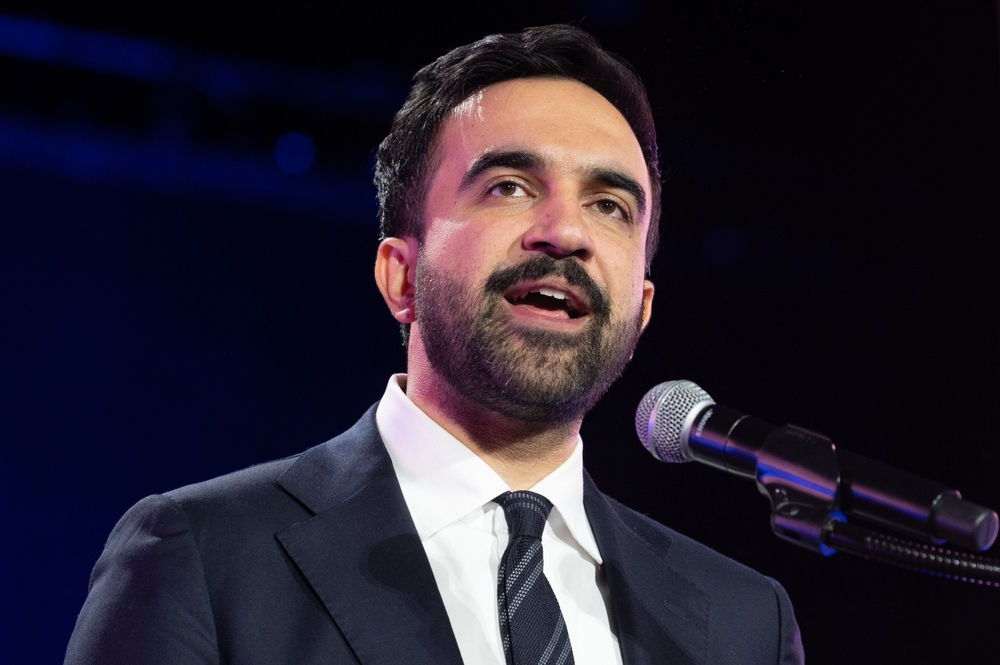
Speaking with The Hill, Hong said voters across Wisconsin are less interested in ideological labels than in whether elected officials can solve everyday problems. She maintained that frustration with rising costs, housing affordability, and access to essential services extends well beyond party lines.
“Voters all across the state, regardless of party, want someone who’s going to be able to deliver change and deliver help to solve the problems that they have,” Hong said. She added that she shares many of the same concerns residents express about the current political climate, describing herself as equally “frustrated” and “stressed” by the state of politics today.
Hong went on to define democratic socialism in practical terms. “So, what a democratic socialist and being a democratic socialist means to me is that I want the public goods. Childcare should be a public good, and public education, the services that everyone uses, from utilities to the roads. But I want them to be better for them. And being a democratic socialist means that I’m focusing on things being unapologetically pro-public.”
Progressive Allies Rally Behind Hong
Despite criticism over her Thanksgiving comments, Hong has continued attracting support from prominent progressive leaders. California Representative Ro Khanna and Minnesota Representative Ilhan Omar have endorsed her campaign, viewing her platform as part of a broader effort to expand progressive policies within state government.
Hong has campaigned on proposals that include creating a state-owned bank, expanding free public services, and introducing what she calls an Economic Justice Bill of Rights. Those ideas have earned praise from progressive activists while also drawing criticism from conservatives who argue they would significantly expand the role of government.
Interestingly, Hong has not secured an endorsement from the national Democratic Socialists of America organization. However, several local DSA chapters have thrown their support behind her campaign, reflecting both enthusiasm for her platform and the decentralized nature of the movement.
The endorsement battle highlights the divisions emerging inside Democratic politics, where candidates often receive backing from different wings of the party depending on their policy priorities rather than simply their party affiliation.
A Larger Debate Inside the Democratic Party
Hong’s campaign comes as democratic socialism has become a growing point of discussion within Democratic politics nationwide. While progressive candidates have scored notable victories in several cities and congressional districts, many establishment Democrats remain cautious about how the movement will perform in competitive statewide and national elections.
Some party strategists argue that progressive candidates can energize younger voters and urban communities but may face greater challenges appealing to moderates during general elections. Others believe those concerns are overstated, pointing to changing demographics and growing demand for policies focused on affordability, healthcare, and public investment.
The discussion has become increasingly visible following recent primary victories by democratic socialist candidates across the country. Those wins have fueled debate over whether the movement represents a temporary trend or a lasting shift in Democratic politics.
For now, Wisconsin’s governor’s race has become another test case in that broader conversation, with both supporters and critics watching closely to see how voters respond.
Zohran Mamdani Says Democrats Should Embrace Their History
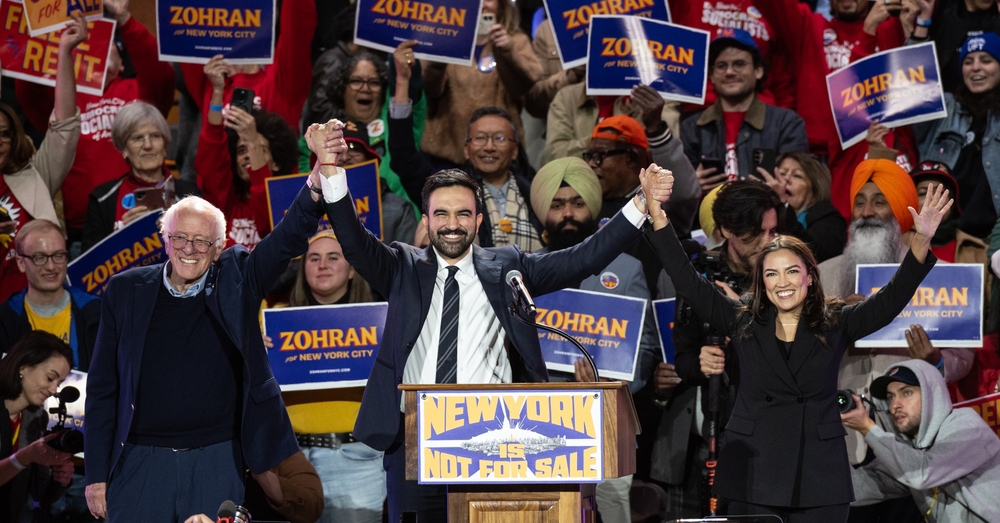
New York Mayor Zohran Mamdani has emerged as one of the country’s most recognizable democratic socialist figures, and he rejects the argument that socialism falls outside the Democratic Party’s traditions. Instead, he believes many progressive policies are rooted in the party’s own history.
In an interview with The New York Times, Mamdani said, “So much of what makes me proud to be a Democrat is looking at what our party used to stand for. You think about the Four Freedoms, you think FDR, you think the New Deal.”
He continued by arguing that those ideas once defined the Democratic Party’s identity. “Those are at the core of what our party’s identity is, and yet it feels like to experience it, you have to read about it. You can’t see it around you anymore. And that isn’t something that I’m willing to accept, and I know that many feel similarly.”
His comments reflect a broader effort by progressive leaders to frame democratic socialism as an extension of long-standing Democratic priorities rather than a departure from them.
Wisconsin Voters Will Soon Deliver Their Verdict
With the Aug. 11 Democratic primary approaching, Hong’s campaign now faces the challenge of convincing voters that its policy agenda deserves more attention than the controversy surrounding an old social media post. Her supporters argue the race should focus on healthcare, education, and economic opportunity, while opponents continue highlighting statements they believe raise concerns about her political judgment.
Whether the Thanksgiving debate proves to be a lasting liability or simply another flashpoint in an increasingly polarized political environment will soon be decided by Wisconsin voters. The outcome could also offer an early indication of how progressive candidates and democratic socialist messaging resonate in competitive statewide elections, making the race one that political observers across the country will be watching closely.
Cancel Thanksgiving, CNN interview, David Axelrod, David Crowley, Democratic Party, Democratic primary, democratic socialism, Francesca Hong, Ilhan Omar, Jessica Taylor, Joel Brennan, Kaitlan Collins, Kelda Roys, Mandela Barnes, Political News, progressive politics, ro khanna, Thanksgiving controversy, Tony Evers, US Politics, Wisconsin election, Wisconsin governor race, Wisconsin politics, Zohran Mamdani