
Your cart is currently empty!
Trump Reacts As Democrats Take Control Of Congress After Republican Defeats
Donald Trump has responded to a difficult midterm election night by congratulating Democrats on their victories and declaring himself willing to work with the opposition. However, his acceptance of the results came alongside a series of pointed criticisms aimed at Republican candidates, media coverage and the political circumstances surrounding the defeats.
Contents
show
The president also rejected suggestions that the results represented a personal setback, insisting Republicans would have performed far better if his name had appeared on the ballot. As Democrats secured control of both chambers of Congress, Trump’s comments offered an early indication of how he intends to approach a significantly different political landscape.
Trump Acknowledges Democratic Victories After Republican Losses
Speaking to Fox News in a phone interview early Wednesday morning, Trump acknowledged that Democratic candidates had worked hard during their campaigns and deserved recognition for their performances. His comments came after Republicans suffered significant losses across several states, with Democrats making gains in both congressional and statewide contests.
“The Democrats did a good job. They fought hard,” Trump told Fox News, offering a relatively positive assessment of the opposing party’s campaign efforts. He also admitted that he had been somewhat surprised by the results, telling the network, “I thought they’d do better,” when discussing Republican candidates.
The president’s remarks followed an interview with The New York Times in which he addressed whether he would accept the election outcome and cooperate with the incoming Democratic congressional leadership. Trump said he was “absolutely willing to accept” the results and indicated that he expected discussions between the two parties to take place.
“We’ll, you know, look forward to working with them. We’ll probably work something out,” he told the newspaper. He also suggested that Democrats had already reached out about potential cooperation, particularly on issues such as the debt ceiling.
The acknowledgement represented an important public statement following an election in which Democrats secured control of both the House of Representatives and the Senate. However, Trump’s willingness to recognise the outcome did not mean he accepted responsibility for the Republican setbacks or intended to change his political approach.
Trump Insists His Absence From The Ballot Cost Republicans
As election results continued coming in Tuesday evening, Trump quickly offered his own explanation for the Republican defeats. Rather than accepting that his administration’s performance might have influenced voters, he argued that the absence of his name from the ballot had made it harder for Republican candidates to attract support.
In a Truth Social post published during the election coverage, Trump wrote, “I wasn’t on the Ballot and if I was, we would have won IN A LANDSLIDE!” The president repeated the argument when speaking with The New York Times, suggesting that Republican voters had not turned out in sufficient numbers because he was not personally contesting the election.
Trump also rejected the suggestion that the results amounted to a personal political defeat. During his Fox News interview, he said, “I don’t view it as a hit on me,” before making a sweeping claim about his presidential record and describing his first two years in office as “the greatest two years in the history of the presidency.”
His comments placed considerable emphasis on the individual performances of Republican candidates. Trump suggested that some had failed to connect with voters and that others had not maintained sufficiently close relationships with him.
Speaking to CBS News, he said, “In some cases they [voters] didn’t like the candidates, and in some cases those candidates were not my friend.” He also repeated that Republicans would have won more comfortably if he had been included on the ballot.
The distinction is politically significant because midterm elections frequently become a measure of how voters view the party controlling the White House. Trump’s explanation instead focused on candidate selection, turnout and his personal absence from the election campaign.
Greg Abbott Becomes One Of Trump’s Main Targets
One of the clearest examples of Trump’s reaction came when he turned his attention toward Greg Abbott, whose defeat in the Texas governor’s race became a major development in the election coverage. Democrat Gina Hinojosa defeated Abbott, ending a lengthy period of Republican control over the state’s governorship.
Trump responded by accusing Abbott of abandoning the political approach that had previously defined his career. In a Truth Social post, the president wrote, “If Greg Abbott, the Governor of Texas, hadn’t become a RINO in the last six months of his Political Life, he wouldn’t have lost.”
The term RINO, meaning Republican In Name Only, is frequently used within conservative politics to describe Republicans considered insufficiently loyal to the party’s positions or leadership. It is often deployed during internal party disputes, particularly when disagreements emerge over policy, political strategy or relationships with prominent figures.
Trump continued his criticism by suggesting that Abbott had returned to an earlier political formula that had failed to deliver the necessary support. His comments effectively placed responsibility for the defeat on the governor’s political decisions rather than the broader Republican campaign.
The Texas result carries particular significance because the state has been a central part of Republican electoral strength for decades. A Democratic victory in the governor’s contest therefore represents a substantial change in the state’s political landscape.
Trump also faced questions about his support for other Republican candidates who failed to win their respective races. When discussing unsuccessful endorsements, he maintained that some candidates had struggled because voters were dissatisfied with them personally.
His remarks added another dimension to the Republican setbacks, raising questions about the relationship between Trump’s influence and the electoral fortunes of candidates seeking his support.
Iran Conflict And Fuel Prices Become Part Of Election Debate

Trump also acknowledged that the conflict involving Iran may have contributed to the Republican losses, particularly through its potential effect on American fuel prices. During his Fox News interview, the president was asked what he believed the election results revealed about voters’ priorities.
“I think a part of it was Iran,” he replied, identifying the conflict as one factor that may have affected the outcome. He then suggested that voters were more concerned about the immediate financial consequences of the conflict than its broader strategic objectives.
“People agree with what I’m doing on Iran but they really probably weren’t willing to do the short term consequences of paying more for gasoline. I understand that,” Trump said.
The president’s comments acknowledged a connection between foreign policy and everyday household expenses. Fuel prices can influence commuting costs, transportation expenses and the wider cost of moving goods across the country, making them a particularly visible economic issue for voters.
However, Trump continued to defend his decision to pursue military action against Iran. Speaking to The New York Times, he said he did not regret the decision and maintained that it had been wise for the future of the United States and the wider world.
The president’s position suggests that he does not intend to abandon his approach simply because the conflict may have contributed to an unfavourable election outcome. Instead, he appeared to distinguish between public support for the broader policy objective and dissatisfaction with its immediate economic consequences.
For Republican lawmakers, that distinction could become an important issue as they assess the political cost of supporting the administration’s decisions. The election results have placed renewed attention on how foreign policy decisions can affect voters who are also dealing with domestic financial pressures.
Democrats Take Control Of Both Chambers Of Congress
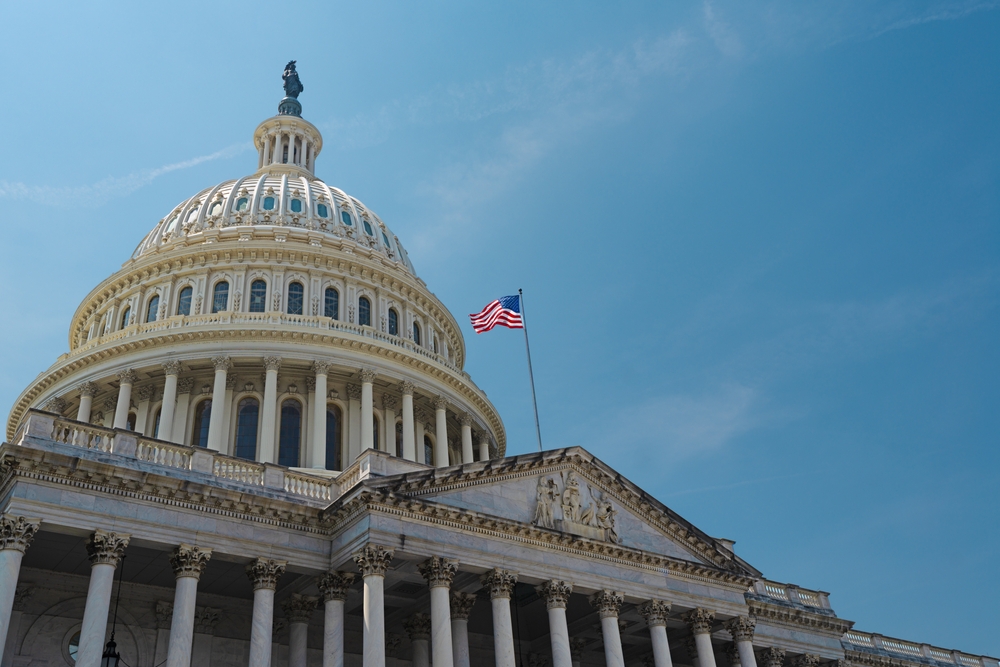
The most consequential development from election night was the transfer of congressional control to Democrats. Their victories in the House and Senate will give the opposition party a substantially greater role in determining which legislation advances and how the federal government conducts its business.
The change comes after a period in which Republicans held control of Congress alongside the Trump administration. That arrangement provided the president with a more favourable legislative environment, allowing Republican lawmakers to advance priorities with greater party control over congressional proceedings.
The latest results have changed that balance, creating a new political challenge for the White House. Democrats will now have greater influence over congressional leadership, committee activity and the legislative agenda.
Several developments stood out during the election coverage:
- Texas: Democrat Gina Hinojosa defeated Greg Abbott in the governor’s race, marking a major change in the state’s political leadership.
- Senate control: Democrats secured enough victories to take control of the upper chamber, changing the balance of power in Washington.
- House control: Democratic gains also extended to the House of Representatives, giving the party control over both chambers.
- Republican endorsements: Several candidates backed by Trump failed to secure victories, prompting the president to question their campaign performances.
- Economic concerns: The Iran conflict and its reported effects on fuel prices emerged as issues Trump acknowledged could have influenced voters.
The results also create new responsibilities for Democratic leaders, who will have to manage their congressional majorities while negotiating with a Republican president. Their ability to advance legislation will depend on the political priorities they choose and the extent to which they can find areas of agreement with the White House.
For Trump, the new arrangement means that congressional negotiations will become a much more important part of his remaining time in office. His ability to secure support for major legislative proposals will depend on discussions with political opponents who now control both chambers.
Trump Warns Democrats About His Presidential Veto Power
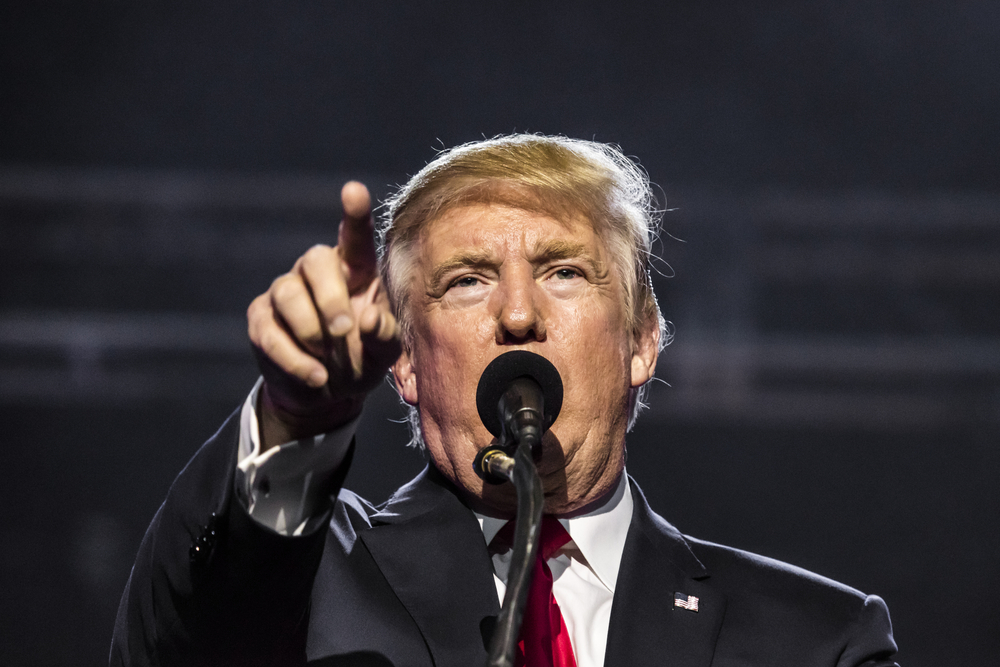
Although Trump expressed an interest in working with Democrats, he also made clear that he intended to use his presidential authority to block legislation he opposed. His comments suggested that cooperation would depend on the proposals Democrats brought forward and whether they aligned with his administration’s priorities.
During his Fox News interview, Trump predicted that Democrats would send what he described as “insane” legislation to his desk. He indicated that he would respond by rejecting proposals he considered unacceptable, using his veto authority to prevent them from becoming law.
The president also suggested that repeated vetoes could eventually encourage Democrats to negotiate. “After a couple of months of vetoes, they’ll call and they’ll say, ‘how do we get this stuff done?’” he said during the interview.
Trump reinforced the message through a Truth Social post featuring a red cap bearing the word “VETO.” The image appeared to reference his ability to reject legislation passed by Congress and signalled that he intended to make that authority a central part of the coming political negotiations.
However, the president also left room for potential agreements. Speaking to The New York Times, he said he was open to considering proposals from Democrats if they contained ideas he considered worthwhile.
His reference to the debt ceiling was particularly notable because disagreements over federal borrowing limits can have significant consequences for government operations and financial markets. Cooperation on such an issue could provide an opportunity for both parties to demonstrate that they remain capable of reaching agreements despite their political differences.
The veto threat nevertheless establishes a clear boundary around Trump’s approach. Democrats may control the congressional agenda, but the president retains the ability to reject legislation that reaches his desk.
Fox News Comes Under Fire During Election Coverage
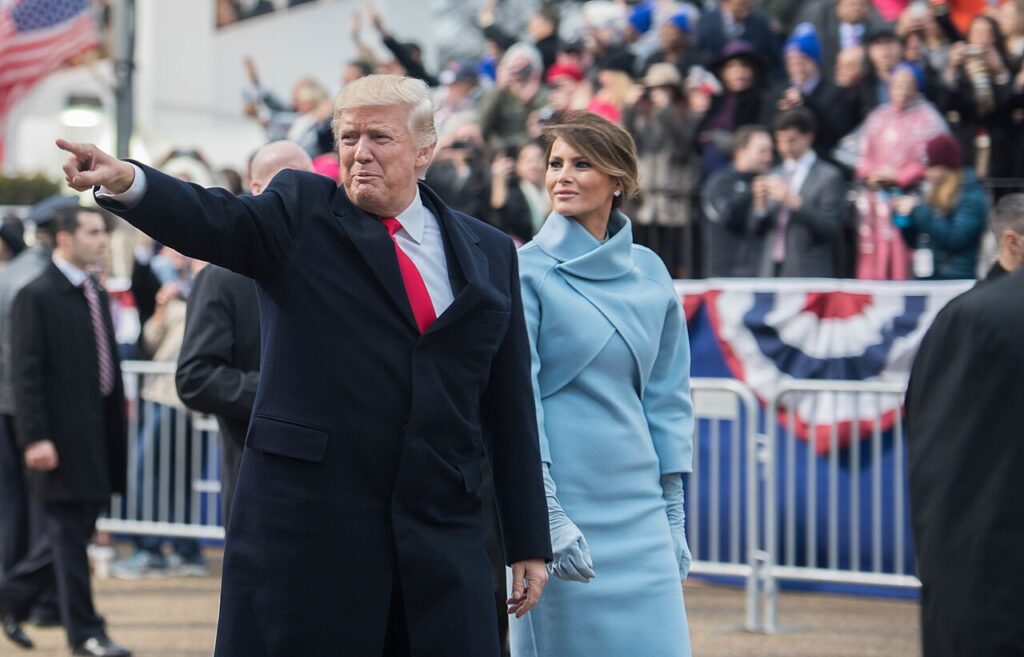
Trump’s reaction to the Republican defeats also included repeated criticism of Fox News, a network that has frequently featured prominently in conservative political coverage. As election results developed, the president used Truth Social to complain about the amount of attention the network was giving Democratic candidates.
He accused Fox News of spending too much time covering the opposition and suggested that the network’s ratings had suffered because of its treatment of him. In one post, Trump claimed its ratings were “way down, not because of me, but because they are AGAINST me!”
His criticism was not limited to the network’s election coverage. Trump also objected to Fox News interviewing former New York City Mayor Bill de Blasio, whom he attacked over his record in office.
The president described de Blasio as the “Worst Mayor” in New York City’s history and criticised the damage he believed the former mayor had caused during his time leading the city.
The comments came as Republican candidates were struggling across several races and Trump was attempting to explain the results. His criticism of the network added another point of tension to an election night already dominated by questions about the Republican Party’s performance.
Trump has regularly used Truth Social to challenge media coverage that he considers unfavourable. His election-night posts continued that pattern, directing attention toward broadcasters as well as Republican candidates and political opponents.
A Different Congress Awaits The Trump Administration
The Democratic victories will create a different working relationship between the White House and Congress during the remainder of Trump’s presidency. With Republicans no longer controlling both chambers, the president will face greater opposition when attempting to advance his legislative agenda.
Democratic lawmakers will have more opportunities to investigate administration decisions, scrutinise government policies and determine which legislative proposals receive congressional attention. Their control of the Senate will also give them considerable influence over the consideration of presidential nominations.
Several issues are likely to feature prominently in discussions between the two parties, including federal spending, the debt ceiling, economic policy and the Iran conflict. The extent of cooperation will depend on whether Democrats and the White House can identify proposals that attract support from both sides.
Trump’s comments suggest he expects negotiations to take place, although his warnings about vetoes indicate that disagreements could quickly become confrontational. The president has also shown little public willingness to reconsider his wider policy direction in response to the Republican defeats.
For Republicans, the election results create an additional challenge involving their relationship with the president. Candidates and lawmakers must consider how closely to align themselves with Trump’s priorities while responding to voters in states where the party suffered losses.
The coming congressional session will provide the clearest indication of how both parties intend to approach the new balance of power. Trump’s public acceptance of the election results has established his stated position, but the political negotiations that follow will determine how much cooperation actually takes place.
For now, the president is entering a period in which his ability to shape legislation will depend increasingly on dealing with a Democratic-controlled Congress. His promise to work with the opposition will face its first serious test when Democrats begin sending their legislative priorities to the White House.