
Your cart is currently empty!
Man Who Lost Both Arms In Horrific Electrical Accident Makes Medical History With Extraordinary Transplant
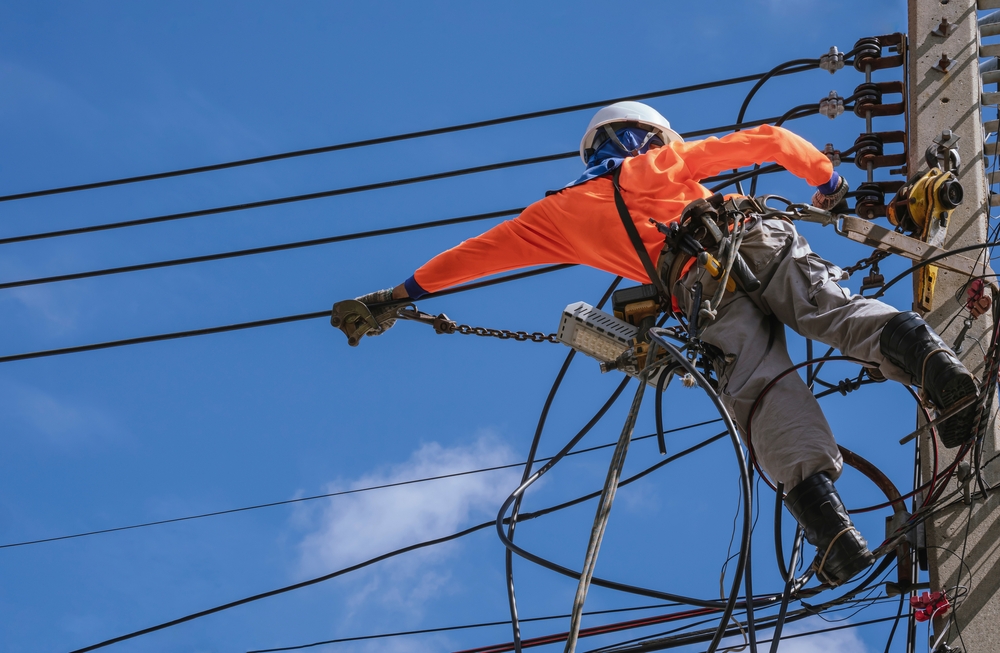
For 23 years, Felix Gretarsson lived without the arms he lost in a horrific workplace accident. The Icelandic electrician had suffered catastrophic injuries after an 11,000-volt electrical surge sent him crashing to the ground. Doctors fought to save his life, but the damage was so severe that both arms had to be amputated. He eventually rebuilt his life without them, although one dream continued to follow him: getting his arms back and experiencing the simple things most people rarely think twice about.
Contents
show
Then, in January 2021, surgeons in France attempted an operation that had never been performed successfully before. A team of specialists spent 15 hours transplanting both arms and reconstructing his shoulders. The procedure was a medical first, and nobody could say exactly how much movement he would regain. Just five months later, Gretarsson was already flexing his biceps. His determination remained strong, and he was beginning to imagine a future in which he could once again hold his wife and children.
이식수술 발전 근황 세계 최초로 양팔과 어깨 전체를 이식하는데 성공한 그는 기적 같은 회복세를 보이며 새로운 삶을 되찾고 있습니다. 기증자의 숭고한 헌신과 포기하지 않은 의지가 만들어낸 기적의 순간입니다. https://t.co/RgAJr0Z41o
— 캡틴햄찌 (@realkimchiboy) November 8, 2026
The Horrific Accident That Changed His Life Forever
On January 12, 1998, Gretarsson was working as an electrician in Iceland when an ordinary working day turned into a life-threatening emergency. While working on a high-voltage power line, he was struck by an electrical surge measuring 11,000 volts. The enormous current burned his hands and threw him onto the icy ground, leaving him with multiple fractures and serious internal injuries. What followed was a desperate medical battle to keep him alive.
His injuries were so extensive that doctors placed him in a coma lasting approximately three months. During that time, medical teams performed 54 operations, including a liver transplant and the removal of his badly burned arms. The damage meant that surgeons had no choice but to amputate both limbs. Gretarsson eventually woke up to a completely different reality, facing the challenge of rebuilding his life without the arms he had relied on every day.
The accident happened when he was just 26 years old. His daughters were still very young, with one only four years old and the other just three months old. The years that followed meant missing out on countless ordinary experiences that most parents take for granted. Holding his children, embracing his wife and eventually being able to hold his grandchildren became deeply personal hopes that he carried into adulthood.
He Refused To Give Up On Getting His Arms Back
Losing both arms meant learning how to approach everyday life differently, but Gretarsson never completely abandoned the possibility of another medical breakthrough. Advances in transplant surgery had begun creating opportunities that once seemed impossible. He followed developments closely and became interested in whether doctors might eventually be able to replace both of his missing arms. However, the procedure he needed was extraordinarily complicated, and finding a medical team willing to attempt it would take years.
His search eventually brought him to France, where he began pursuing the possibility of a transplant. The process involved medical assessments, specialist consultations and extensive preparation. His case required doctors to consider the unique challenges created by his injuries, particularly because he had lost both arms and needed reconstruction around his shoulders. The operation would involve far more than simply attaching replacement limbs.
Finding a suitable donor also proved difficult. Years passed while preparations continued, and approximately 50 medical professionals eventually became involved in getting the procedure ready. Every stage required careful coordination because the transplant involved numerous tissues and structures that would need to function together. For Gretarsson, the waiting period was difficult, but he continued believing that an opportunity might eventually arrive.
Surgeons Attempted A World-First Double Arm Transplant
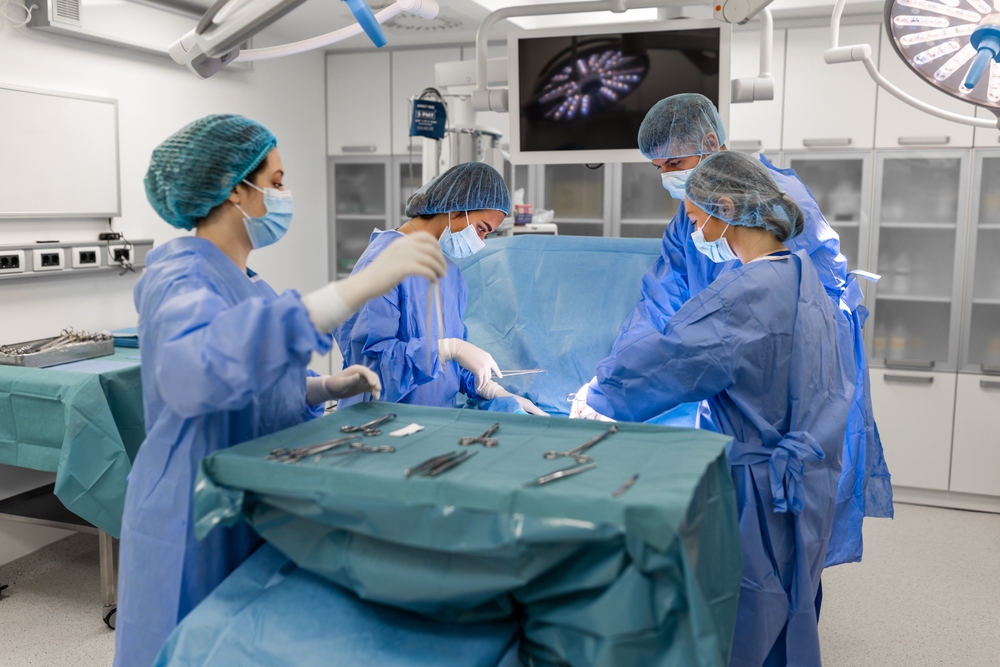
In January 2021, that opportunity finally came when a suitable donor was found. At Édouard-Herriot Hospital in Lyon, France, surgeons began a historic procedure that would involve transplanting both arms and reconstructing the shoulders. The operation lasted approximately 15 hours, with specialist teams from five hospitals involved in the wider medical effort. Four surgical teams worked together to reduce the time needed to transfer the donor limbs and complete the complex reconstruction.
The operation required extraordinary precision because the surgeons had to reconnect several different types of tissue. Bones needed to be secured, blood vessels had to be connected and muscles and tendons required careful reconstruction. Nerves also needed to be joined so that the transplanted arms could potentially regain sensation and movement. Every connection was important because the ultimate objective was to give Gretarsson limbs that could eventually become functional parts of his body.
Dr Aram Gazarian, the lead surgeon, understood that the procedure could never guarantee a complete return of movement. The medical team had to approach the operation with realistic expectations because nerve recovery can take considerable time. Speaking about the purpose behind the procedure, Gazarian said, “Giving a little to somebody who was missing so much, that’s already a lot.” His words reflected the significance of even limited progress for someone who had lived without both arms for more than two decades.
His First Signs Of Movement Surprised Everyone
Following the operation, Gretarsson began a demanding rehabilitation programme that would require patience and persistence. The medical team initially remained uncertain about how much mobility he would eventually regain. Reconnecting nerves and muscles does not immediately restore movement, and the body needs time to adapt to transplanted limbs. Nevertheless, early progress began offering reasons for optimism, particularly as he started noticing changes in the muscles of his new arms.
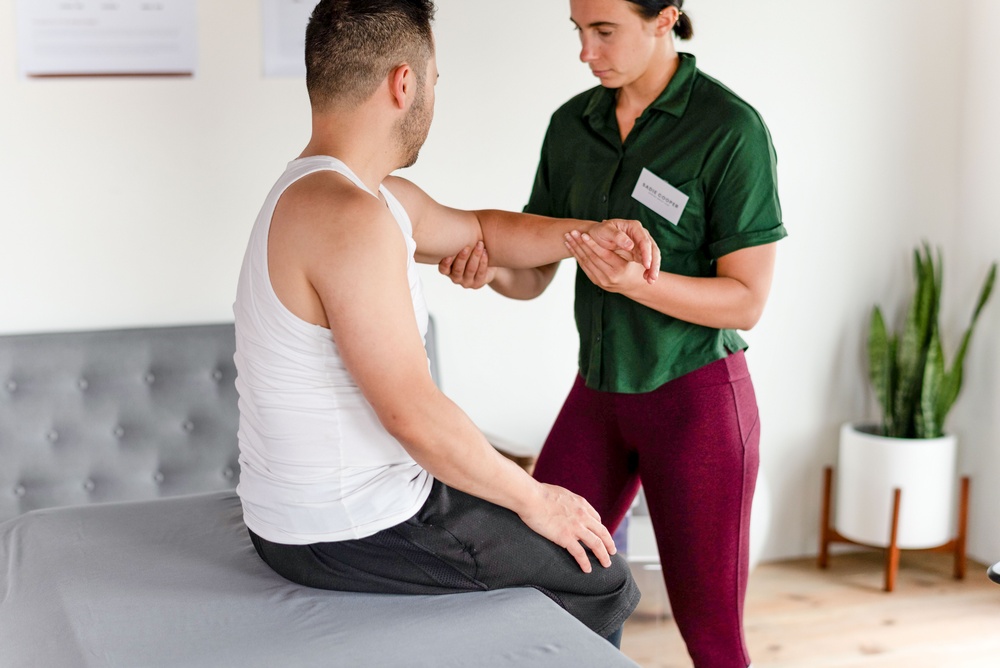
By July 2021, approximately six months after surgery, Gretarsson had managed to flex his biceps. This was a significant milestone because the movement demonstrated that some of the reconstructed muscles were beginning to respond. He was also working on moving his elbows in water as part of his rehabilitation. For someone who had spent 23 years without arms, even these relatively small movements represented enormous progress.
Describing his recovery, Gretarsson said, “I am moving the elbow in water, my bicep is now working and that’s only five months after.” He also noticed changes in the veins of his arms when exposed to warmer temperatures. He believed these changes suggested that his autonomic nervous system was beginning to function in the transplanted limbs.
His optimism was particularly clear when he discussed the possibility of eventually moving his hands. Gretarsson said, “I am so hopeful that I am going to be able to move my hands as well which nobody expected – except me.” Doctors remained cautious about predicting the final outcome, but he continued working towards the movements that could make everyday activities possible again.
Rehabilitation Became The Biggest Part Of His Recovery
The 15-hour operation was only the beginning of a much longer process. Once the transplanted arms were in place, Gretarsson needed extensive rehabilitation to help his body adapt. Muscle strength, nerve function and coordination would all play a role in determining how much independence he could eventually regain. Even basic movements required repeated practice, and progress depended on gradually rebuilding connections between his brain and the transplanted limbs.
His rehabilitation involved several important areas of recovery:
- Muscle movement: Exercises helped encourage the reconstructed muscles to regain function.
- Elbow control: Practising movement in water helped him work on bending and controlling his elbows.
- Nerve recovery: Doctors monitored changes that could indicate returning nerve activity.
- Hand movement: Regaining control of his hands remained one of his biggest personal goals.
- Everyday independence: The longer-term objective was to use his arms for ordinary activities and family interactions.
The process demanded considerable patience because nerve regeneration happens gradually. Even when muscles begin responding, achieving controlled movements requires further practice. Gretarsson also had to work through the physical challenges associated with such an extensive operation. His progress during the first six months offered encouragement, although much of the recovery journey still lay ahead.
Another important consideration was the possibility of transplant rejection. The immune system can recognise transplanted tissue as foreign and attempt to attack it. Patients receiving this type of transplant therefore require ongoing medication and medical supervision to protect the donated limbs. Gretarsson’s recovery involved managing these risks alongside the physical work required to regain movement.
23 years after an 11,000-volt surge stole both of his arms, Felix Gretarsson refused to give up hope. In 2021, he made medical history as the first person to receive two new arms and shoulders— defying all odds to finally hug his daughters again. https://t.co/YB58RPJFlZ
— Massimo (@Rainmaker1973) November 3, 2026
His Biggest Dream Was To Hold His Family Again
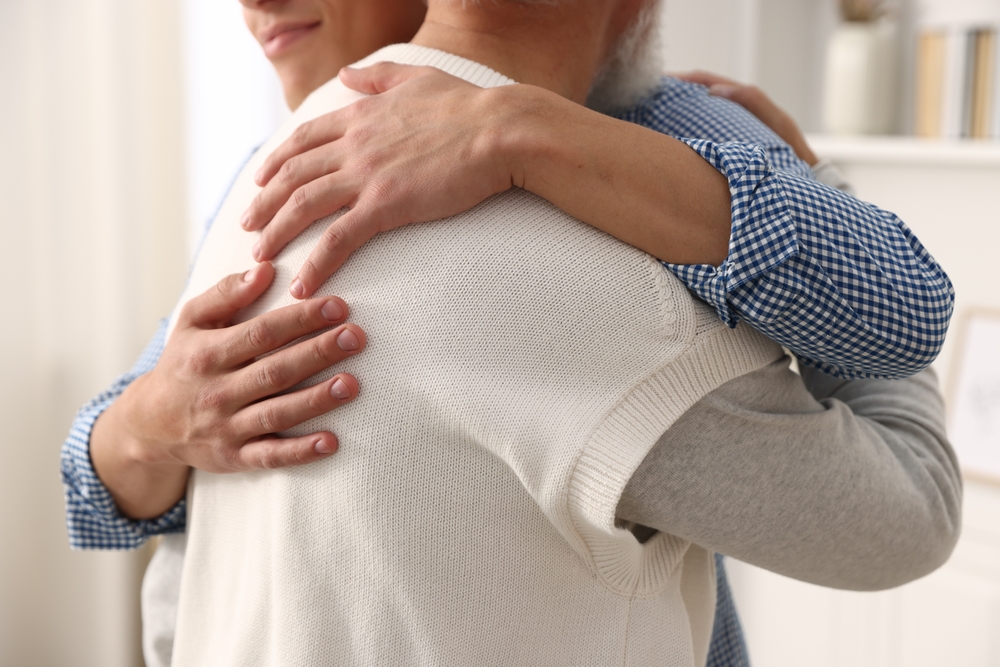
Throughout the long journey towards transplantation, Gretarsson had a deeply personal reason for wanting his arms back. He wanted to experience physical affection with his family again. His wife Sylwia had supported him throughout the years following the accident, and the prospect of eventually embracing her again carried enormous emotional significance. The same was true of his daughters, who had grown up knowing their father without arms.
Speaking about the operation before it took place, Sylwia explained that she had never felt he was missing anything because of his disability. She described the transplant as his biggest dream, recognising how much the possibility meant to him. Her perspective also reflected the difference between their experiences: she had built a life with him without arms, while Gretarsson continued hoping to regain something he had lost.
His goal extended beyond embracing his wife and daughters. By the time of the original recovery announcement, he was also thinking about his grandchildren. He wanted to be able to hold them for the first time, creating memories that had seemed impossible during the decades following his accident. Those hopes gave his rehabilitation a personal purpose beyond the medical measurements used to assess his progress.
For Gretarsson, the success of the operation would eventually be measured through the ordinary moments he hoped to experience again. Moving his elbows and flexing his biceps were encouraging medical developments, but the possibility of holding someone he loved remained the achievement he wanted most. Every improvement brought him another step closer to that dream.
A Historic Operation That Changed His Future
The double arm and shoulder transplant represented an extraordinary achievement for the medical teams involved. The procedure required years of preparation, cooperation between several hospitals and an operation lasting 15 hours. It also demonstrated the possibilities of complex reconstructive transplantation for people living with severe limb loss. However, the procedure came with significant challenges, particularly because successful transplantation does not guarantee complete movement or sensation.
Gretarsson’s early recovery showed why rehabilitation is such an important part of these operations. The ability to flex his biceps within months offered encouraging evidence that some movement could return. His determination to regain hand function also gave him a clear goal as he continued working with medical professionals. The road ahead remained demanding, but the first signs of progress had already changed what he believed might be possible.
For 23 years, Gretarsson had lived with the consequences of one devastating electrical accident. He had endured dozens of operations, learned to live without both arms and spent years searching for a medical opportunity that might never arrive. Then, after a historic transplant, he began moving muscles he had not been able to use since 1998.
His greatest dream was beautifully simple: to put his arms around the people he loved. After everything he had endured, that was the future he was determined to reach.