
Elon Musk’s ambitious plans to make space travel more accessible have encountered another uncomfortable problem, with suspected rocket debris washing up on a Mexican beach alongside dead marine animals. Environmental groups have raised concerns about the aftermath of SpaceX’s latest Starship test, prompting authorities to investigate the material found along the coastline.
The discovery has sparked questions about the environmental consequences of rocket testing, particularly after a dolphin and a sea turtle were reportedly found dead near the affected area. Although investigators have yet to establish whether the animal deaths are connected to the launch, the timing has attracted considerable attention.
Starship’s Latest Test Ends With A Dramatic Booster Failure
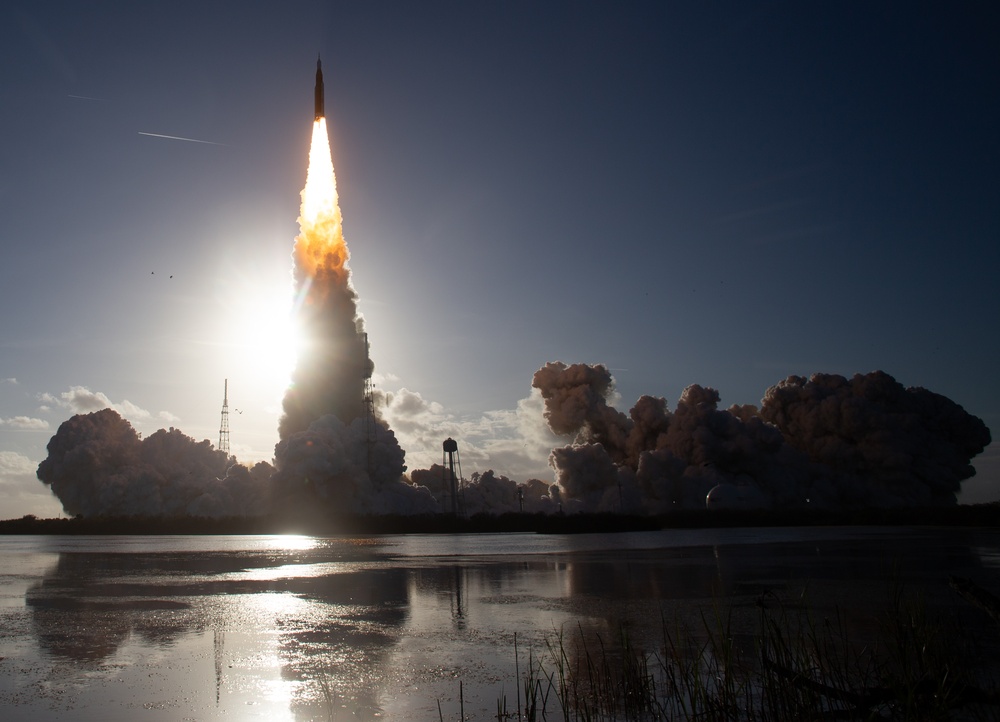
SpaceX launched its enormous Starship rocket from its Starbase facility in southern Texas on November 13, 2026. The mission was the vehicle’s 15th test flight and represented an important attempt to demonstrate that both stages of the launch system could be recovered and reused.
The rocket consists of two major components: the Super Heavy booster, which provides the initial thrust, and the upper Starship spacecraft, which continues the journey after separation. SpaceX has been developing a recovery system that uses enormous mechanical arms attached to its launch tower to catch returning vehicles.
The latest test achieved some significant milestones, although the booster recovery did not go according to plan. After separating from the upper spacecraft, Super Heavy began its return towards the launch site but ultimately diverted towards the Gulf of Mexico.
The spacecraft continued its mission and eventually achieved a successful return to the launch tower. However, the booster ended its flight with a splashdown in the Gulf, followed by an explosion near the water.
According to reporting by the Associated Press, the incident prevented SpaceX from achieving its planned double recovery. The company had hoped to catch both stages during the same mission, demonstrating another major step towards its full-reusability ambitions.
The incident also created an unexpected challenge beyond the immediate launch operation. With the booster ending its mission offshore, attention soon turned towards what might happen to any remaining hardware and fragments in the surrounding waters.
Suspected Rocket Fragments Reach Mexico’s Playa Bagdad
Just four days after the launch, environmental organisation Conibio Global reported finding suspected SpaceX debris along Playa Bagdad in Matamoros, Tamaulipas, Mexico. The organisation sent field technicians to inspect the coastline and identify materials that appeared consistent with components from the Super Heavy booster.
According to Mexican news outlet N+, the organisation shared photographs showing fragments scattered across the beach. Its technicians were working to collect the material and document the discoveries before handing everything recovered to the relevant authorities.
Jesús Elías Ibarra Rodríguez, president of Conibio Global, described the scale of the reported discovery in a Facebook post. “Thousands, possibly millions, of pieces of SpaceX space debris have washed ashore again in Mexico,” Rodríguez wrote.
He also described several types of material that technicians had reportedly identified during their inspections. These included white plastic fragments with grey tape, pieces of tape containing black rubber and components carrying blue adhesive.
Rodríguez said some of the material appeared to correspond to the inner wall of a rocket booster. However, the precise origin of every recovered fragment still requires confirmation through further identification.
The organisation also warned that recovering everything could prove extremely difficult because of the quantity and dimensions of the suspected debris. Some pieces were relatively small, while previous incidents had involved considerably larger components.
The discovery was particularly concerning for local environmental workers because the material was reportedly mixed with ordinary rubbish already present along the beach. Separating the different materials and documenting their origins could therefore require considerable time and effort.
Dead Dolphins And A Sea Turtle Raise Fresh Concerns
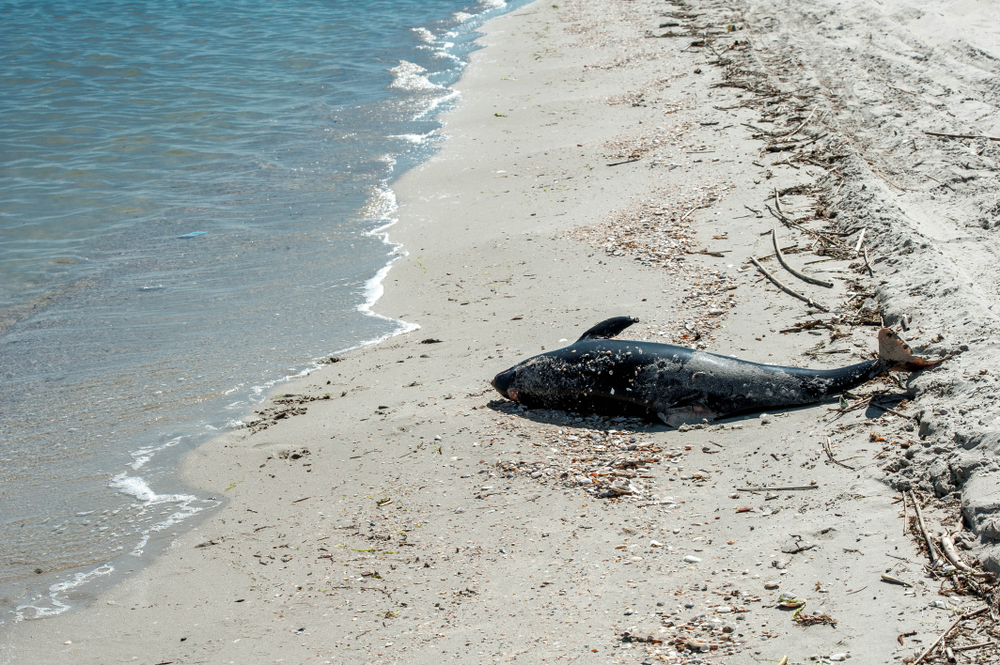
The discovery of suspected rocket fragments was followed by another disturbing report from the same coastal area. Environmental workers reported finding dead marine animals near the beach, including a dolphin and a sea turtle.
The dolphin was reportedly discovered approximately 24 hours after the November 13 incident. According to reporting by Aristegui Noticias, Rodríguez said the animal was already too decomposed for a necropsy to be performed.
A sea turtle was reportedly recovered around 30 hours after the incident. Its remains were sent for examination by specialists from the Faculty of Veterinary Medicine at the Autonomous University of Tamaulipas.
The organisation’s president expressed concern that the deaths could be connected to the latest rocket incident. However, he has been careful to acknowledge that the available evidence does not establish a direct cause.
In comments reported by The Independent, Rodríguez said, “We are concerned that it could be collateral damage associated with the explosion recorded during the launch.” He also clarified that the cause of death had not yet been determined.
That uncertainty is central to the investigation because the animals could have died for several different reasons. Without reliable examination results, linking their deaths to the rocket explosion would be premature.
The sea turtle examination could provide useful information about the circumstances surrounding its death. Investigators will need to consider whether any physical injuries or other findings point towards an external cause.
For the dolphin, the absence of a necropsy makes the investigation more difficult. Its condition when discovered reportedly prevented specialists from carrying out the same examination.
What Could Rocket Debris Mean For Marine Wildlife?
The concern surrounding the discovery extends beyond the appearance of unusual fragments on a beach. Marine ecosystems already face pressure from plastic pollution, discarded fishing equipment and other forms of human-generated waste.
When unfamiliar materials enter coastal waters, their potential effects depend on their composition, size and location. Some objects can remain relatively harmless, while others may create physical hazards for animals or damage sensitive habitats.
Marine mammals and sea turtles are particularly vulnerable to certain types of ocean pollution. Both groups depend on healthy marine environments for feeding, movement and survival.
There are several established ways marine debris can affect wildlife:
- Accidental ingestion: Sea turtles and other marine animals can mistake floating plastic for food, potentially causing digestive injuries or blockages.
- Physical entanglement: Loose materials can become wrapped around animals, restricting their movement and sometimes causing serious injuries.
- Contact with sharp fragments: Broken components may cause wounds when animals encounter them in coastal waters.
- Habitat disruption: Larger pieces of debris can damage sensitive marine environments, particularly when they settle in shallow coastal areas.
These risks are well documented by the National Oceanic and Atmospheric Administration. However, they should not automatically be attributed to the specific fragments found in Mexico.
SpaceX has previously maintained that its rocket materials undergo testing for potential chemical and biological hazards. The company has also disputed claims that its hardware presents widespread toxicological risks.
Even so, determining the composition of the recovered material remains important. Authorities must establish whether the fragments contain substances that could affect the surrounding environment.
The deaths of the dolphin and turtle also require independent investigation. The presence of rocket debris nearby does not establish that either animal encountered the material before dying.
Mexican Environmental Authorities Begin Investigating
The reports prompted Mexico’s Federal Attorney General’s Office for Environmental Protection, known as PROFEPA, to send inspectors to Playa Bagdad.
On November 17, the agency confirmed that personnel were working to identify materials arriving along the coastline. It also announced that the National Commission of Natural Protected Areas, known as CONANP, and Conibio Global had started collecting the reported debris.
According to PROFEPA, the first materials began reaching Mexican waters at approximately 7:30 a.m. on November 17. The agency said the recovered fragments would be secured and transferred to facilities operated by Mexico’s Navy.
PROFEPA also indicated that SpaceX would be asked to take responsibility for the materials. This would involve ensuring that the recovered components receive appropriate handling and disposal.
During the first day of collection, approximately two kilograms of suspected debris were recovered, according to the agency. This official figure provides a specific account of the material secured by authorities, although it does not establish the total amount that may have reached the coastline.
The organisation’s wider estimate of thousands of fragments refers to its reported field discoveries. The two figures describe different aspects of the recovery effort and should not be treated as equivalent measurements.
Authorities have also warned members of the public against touching or moving suspicious fragments. Some materials may require specialist handling, and allowing investigators to document their original locations could help establish their source.
The agency has been coordinating with the Navy to monitor the area and supervise the transportation of collected material. This process will allow officials to examine the fragments without leaving them exposed along the coastline.
Rough Weather Is Complicating The Cleanup Operation

Recovering the suspected debris has presented another challenge for environmental workers. Weather and sea conditions along Playa Bagdad have reportedly made parts of the coastline difficult to access.
According to Mexican reporting by N+, high tides and strong winds have complicated the field inspections. These conditions have limited how far technicians can travel along certain sections of the beach.
The timing of the debris arrivals has also raised questions about how much material could remain offshore. Some fragments may already have reached the coastline, while others could still be floating in the water or resting beneath the surface.
PROFEPA reported that weather conditions contributed to the movement of material towards the Mexican coast. An increase in sea levels and stronger waves were among the conditions recorded during the period.
The agency also warned that additional fragments could arrive later. That possibility means the initial collection effort may represent only part of a longer operation.
Conibio Global has similarly warned that collecting everything could be difficult because of the quantity and size of the reported material. Its technicians have continued documenting discoveries whenever conditions allow them to reach the affected areas.
The group has also raised concerns about larger components that might remain undiscovered near the coastline. On previous occasions, Rodríguez said, workers had encountered propulsion tanks weighing between approximately 15 kilograms and half a tonne.
Such components would require considerably more effort to locate and remove than small plastic fragments. Their recovery would also need to be coordinated with authorities responsible for handling potentially hazardous materials.
SpaceX Responds To Claims About The Debris

SpaceX has responded to the reports and disputed claims that large quantities of its rocket debris have been found in Mexico.
In a statement shared through its official social media account, the company said it had mobilised specialists after receiving reports of possible material reaching Mexican territory. It also said it remained in contact with the Mexican government.
The company explained that recovery teams had been working around the splashdown area following the flight. Its environmental health and safety team was also monitoring the possibility of debris washing ashore.
However, SpaceX questioned whether the fragments identified during the Mexican inspections could be linked to its operations. The company said its ground partners had found very little material during their own searches.
“Partners on the ground relayed that they have found very little debris in their sweeps of the beach, and the small amount they have found are not clearly from SpaceX operations,” the company stated.
SpaceX also criticised online posts claiming widespread debris and damage. It described many of those claims as fabricated or intentionally misleading.
The company further maintained that independent testing of materials used inside Starship and the Super Heavy booster had found no chemical, biological or toxicological risks. Those assurances represent SpaceX’s position, while Mexican authorities continue their own identification and recovery work.
Despite the disagreement, SpaceX said it was prepared to provide assistance if Mexican authorities determined that support was necessary. It also referred to previous cleanup operations near Boca Chica Beach in Texas.
The company’s response has placed the identification process at the centre of the dispute. Environmental groups want the reported material documented, while SpaceX says the fragments found so far have not been clearly connected to its operations.
Elon Musk’s Reusable Rocket Ambitions Face Environmental Questions
Starship is one of the most important projects in Elon Musk’s wider ambitions for space exploration. SpaceX has invested heavily in developing a launch system capable of carrying people and large amounts of cargo beyond Earth.
The company hopes to make both the booster and upper spacecraft reusable. If successful, this could significantly change the economics of launching rockets by reducing the need to manufacture replacement hardware for every mission.
Starship also plays a major role in NASA’s plans for future lunar exploration. The US space agency has committed billions of dollars towards developing the spacecraft as a lunar landing system for its Artemis programme.
That makes the latest test important beyond SpaceX’s commercial ambitions. Its success or failure could influence the development schedule of future missions involving astronauts.
The November 13 flight delivered an important milestone when the upper spacecraft successfully returned to the launch site. However, the booster diversion and subsequent offshore explosion created a separate environmental issue that now requires attention.
Rocket testing involves enormous amounts of energy and complex hardware. Even when a mission achieves its main objectives, unexpected failures can create challenges beyond the launch facility.
The latest reports from Mexico have brought that issue into focus. Communities near launch and recovery areas may have to deal with material that travels beyond the immediate site, particularly when water and weather conditions carry fragments across coastal boundaries.
For SpaceX, the challenge involves maintaining public confidence while continuing to develop its launch system. For environmental authorities, the priority is establishing what the recovered material contains and ensuring that it is handled appropriately.

Previous Reports Show This Is Not A New Concern
The latest discoveries have also revived questions about earlier incidents involving SpaceX debris along the Tamaulipas coastline.
Conibio Global has previously reported finding suspected rocket components after other Starship tests. According to regional reporting, the organisation said material had been recovered along approximately 46 kilometres of beach following an earlier launch in October 2026.
Rodríguez has also described previous discoveries involving larger pieces of hardware. These reports have contributed to the organisation’s concerns that some fragments may be difficult to locate or remove completely.
The repeated reports have raised questions about how launch debris is monitored when a vehicle fails to complete its intended recovery. They have also prompted calls for better coordination between the company and environmental authorities on both sides of the border.
The location of SpaceX’s Starbase facility makes the issue particularly relevant. The launch site is situated in southern Texas near the Gulf of Mexico and the US-Mexico border.
Ocean currents and changing weather conditions can influence where floating material eventually reaches land. That means debris from an offshore incident may travel beyond the area where the original event occurred.
However, each reported discovery still needs to be examined individually. Identifying a fragment as rocket material requires evidence about its composition and origin, particularly when ordinary beach rubbish is present in the same area.
The current investigation could therefore provide important information about how future incidents should be monitored and managed. It may also help establish whether the existing recovery arrangements are sufficient when a booster ends its flight offshore.
The Investigation Still Needs One Crucial Answer
The discovery of suspected Starship debris and dead marine animals along the Mexican coastline has created serious questions for SpaceX and environmental authorities. However, the connection between the two discoveries remains unproven.
Specialists are still examining the recovered materials, while the reported deaths of the dolphin and sea turtle require separate investigation. The available evidence does not establish that the rocket explosion caused either animal to die.
For now, the most important outcome will be a clear scientific account of what happened. SpaceX’s ambitions may depend on bringing rockets safely back to Earth, but the coastline should not be left to deal with the consequences of a failed recovery.