
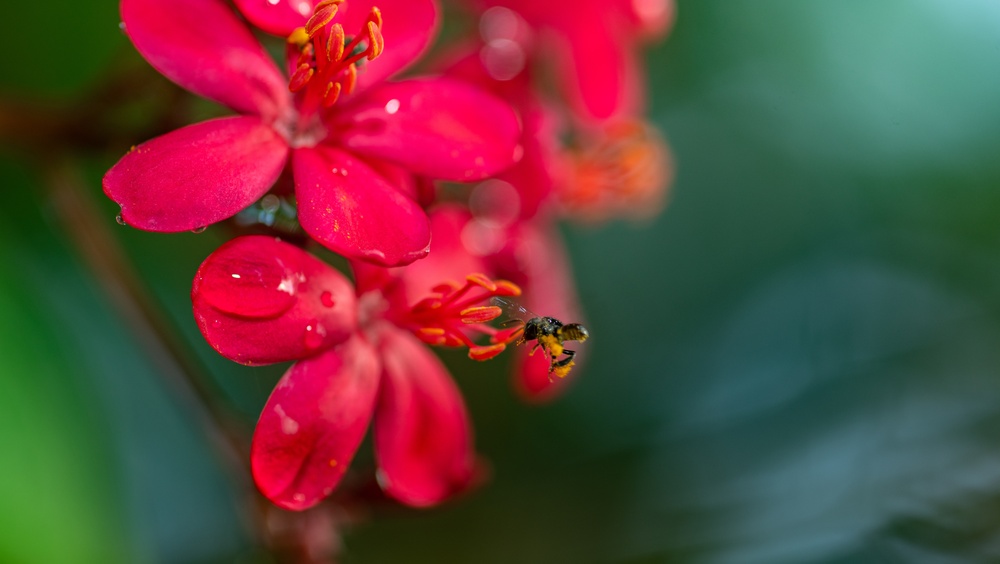
An insect measuring just five millimeters has achieved something that has never happened anywhere in the world. In Peru, tiny stingless bees have been granted legal rights, giving them formal recognition as living beings deserving protection under the law. The decision followed years of campaigning by scientists, environmental organizations and Indigenous communities who believe these overlooked pollinators are essential to the survival of the Amazon rainforest. What makes the development even more remarkable is that the movement began with a discovery about how little protection these native insects actually had.
The new legal protections recognize the bees’ right to exist and thrive, access a healthy environment and receive legal representation when their interests are threatened. Two municipal governments approved the declaration, marking an unprecedented development in environmental law. Behind the campaign is chemical biologist Rosa Vásquez Espinoza, whose research eventually grew into an international conservation effort. Her work has opened an entirely new conversation about whether even the smallest creatures deserve legal recognition when their survival is threatened by human activity.
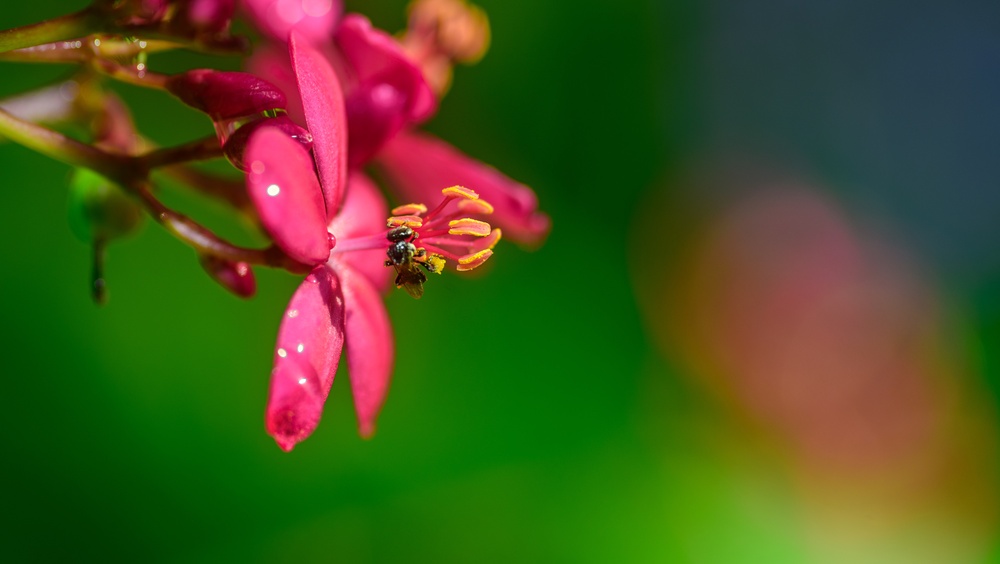
Peru Has Made History By Giving Tiny Bees Legal Rights
The decision followed years of campaigning to protect native stingless bees, whose populations have faced increasing pressure from deforestation, pesticides and climate change. In October 2025, the municipal government of Satipo approved the Declaration of Rights of Amazonian Stingless Bees. Nauta followed with its own approval in January 2026, establishing local legal protections for the insects. The declarations recognize their right to exist, thrive in suitable environments and receive representation when activities threaten their survival. For insects that have largely remained outside environmental legislation, the recognition represents a significant change.
The legal framework was developed through cooperation between environmental organizations, conservationists and Indigenous groups. Their objective was to give the bees a form of protection that extended beyond conventional conservation programs. The declaration recognizes that their survival depends on healthy forests, uncontaminated vegetation and suitable nesting environments. It also creates a basis for people and organizations to raise concerns when those conditions are threatened. The measures apply at municipal level, meaning they do not automatically establish identical protections throughout Peru. However, they have created a model that other communities can consider when developing their own environmental laws.
The development also forms part of a wider movement recognizing legal rights for nature. In recent years, governments and campaigners have explored ways to give ecosystems formal legal standing, including Spain’s Mar Menor Lagoon in 2022 and Peru’s Marañón River in 2024. These efforts challenge the traditional approach of treating nature exclusively as a resource to be managed or protected through human interests. Peru’s stingless bee declaration takes that idea further by focusing on an insect species rather than an entire river or ecosystem. The decision raises a question that conservation laws have rarely addressed: how should societies protect living creatures that cannot speak for themselves?
The Scientist Who Started A Movement For Stingless Bees
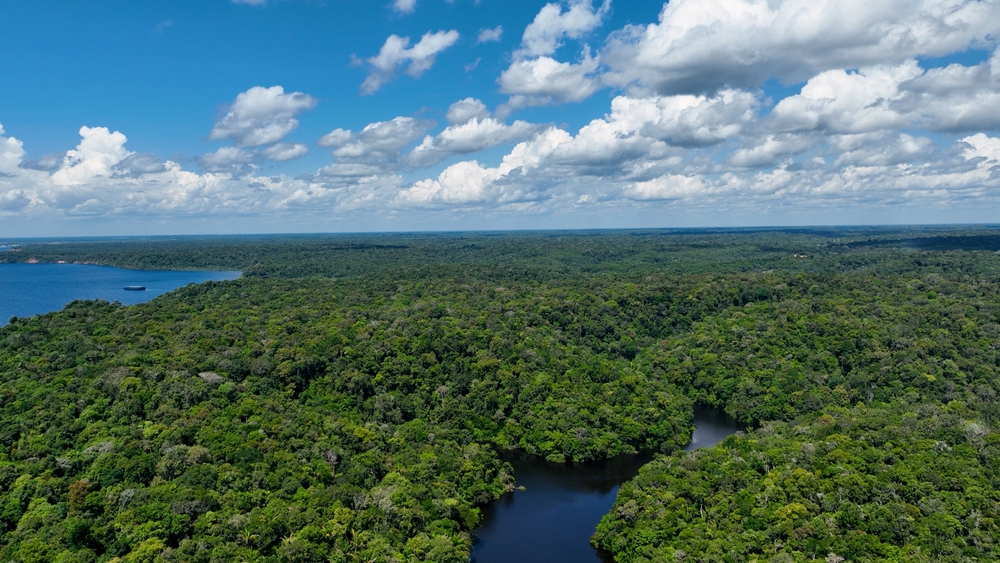
Behind the campaign is Rosa Vásquez Espinoza, a chemical biologist, author and founder of the environmental nonprofit Amazon Research Internacional. Her work with stingless bees began in 2020, when she started researching their species and ecological importance. During that process, she discovered that these native insects were largely absent from Peru’s legal framework despite their importance to the rainforest. That gap encouraged her to pursue a broader conservation strategy, bringing scientific research together with environmental legislation and Indigenous knowledge.
“When we started our project, we learned that stingless bees were nowhere to be found in the law in Peru, yet they are the native species of Peru,” Espinoza explained. Her research eventually developed into a campaign involving the Earth Law Center and several local organizations. Together, they worked to create a declaration that would recognize the bees’ rights and provide a legal foundation for protecting their habitats. The work required cooperation with municipal governments and communities already familiar with the insects. Espinoza’s efforts were recognized through her selection as a 2026 Rolex Awards Laureate.
Espinoza believes legal recognition gives people a way to defend creatures that have no ability to represent themselves within human institutions. She explained that the bees deserve access to healthy vegetation without contamination from pesticides or other harmful threats. “Stingless bees cannot defend themselves in court or against the threats they’re facing. But we as people can give voice to the voiceless,” she said. Her approach connects scientific conservation with a broader understanding of humanity’s responsibility toward other living species. It also places local communities in a position to help protect insects that have supported their environments for generations.
These Tiny Insects Play A Massive Role In The Amazon
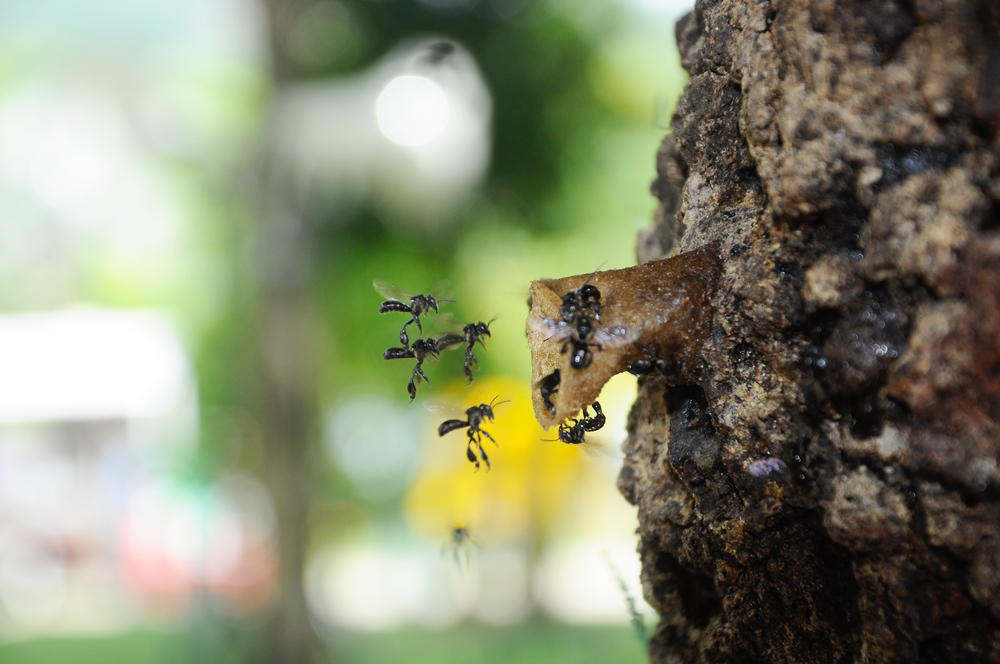
Stingless bees may be among the smallest inhabitants of the rainforest, but their ecological contribution is considerable. More than 600 species exist worldwide, with Peru home to over 175 different species. Some are only around five millimeters long, making them easy to overlook among the larger insects and animals living in tropical forests. Their size, however, gives little indication of their importance. Like other pollinators, they transfer pollen between flowers, helping plants reproduce and maintain the natural processes that sustain rainforest ecosystems.
Pollination supports the production of fruits and seeds, which provide food for wildlife and help maintain plant diversity. Many tropical plants depend on insects to reproduce successfully, making pollinators essential to the long-term health of forest environments. Stingless bees visit a wide range of flowering plants and contribute to these ecological relationships. Their activities also have consequences for human communities, particularly those that depend on forest plants for food, traditional medicine and other everyday needs. When pollinator populations decline, the effects can extend through several parts of the ecosystem.
Why The Amazon Depends On Their Survival
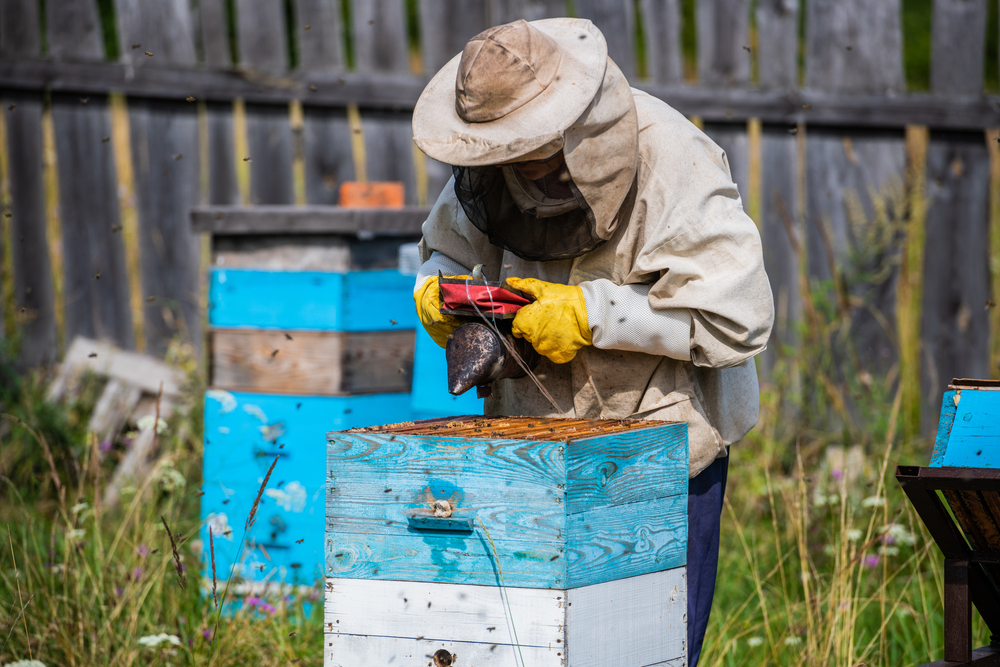
The importance of stingless bees becomes even clearer when considering their relationship with Indigenous communities. The Asháninka people have traditionally protected these insects and rely on their pollination to support the growth of food crops and medicinal plants. Their honey is also used in traditional medicine, giving the bees cultural and practical significance beyond their ecological contribution. Protecting their colonies therefore supports both rainforest biodiversity and the communities whose lives remain closely connected to the forest.
There is also an unusual detail behind their name. Despite being called stingless bees, these insects do possess stingers, but the structures are reduced or nonfunctional and cannot provide effective defense. Some species instead protect their nests through biting and loud buzzing. Their colonies commonly occupy hollow tree trunks, underground spaces and other sheltered crevices. Some even establish nests in human-made structures. Protecting their populations consequently requires attention to the places where they live, reproduce and find food.
Deforestation And Pesticides Are Threatening Their Future
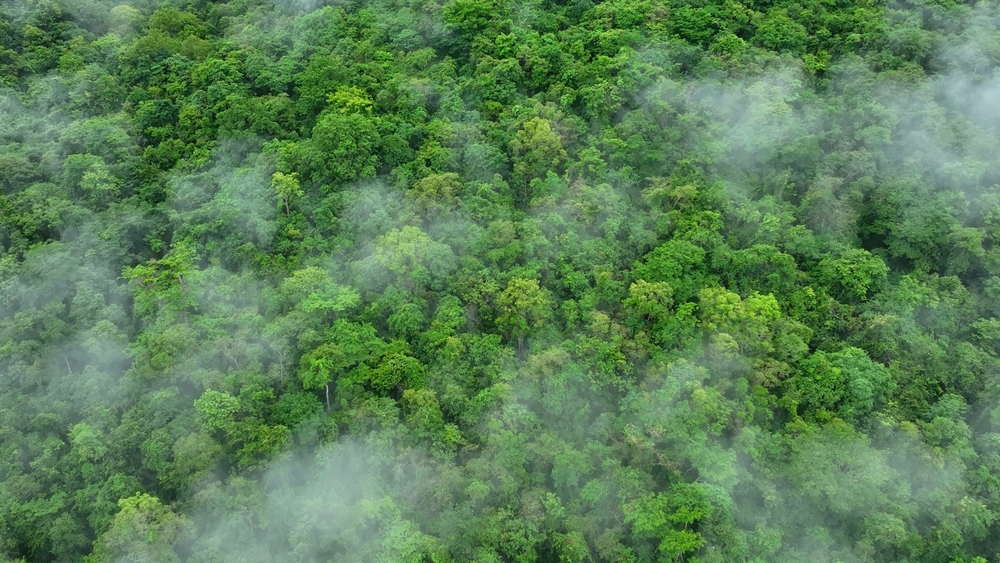
The campaign for legal recognition developed against a growing list of environmental threats. Deforestation destroys the vegetation that stingless bees depend on for food and removes the natural spaces where colonies establish their nests. When large areas of rainforest disappear, pollinators can lose access to flowering plants and suitable nesting locations at the same time. Agricultural expansion can make the situation worse by replacing diverse natural habitats with landscapes that offer fewer resources. For insects whose survival depends on healthy vegetation, these changes can create serious pressure on local populations.
Pesticides introduce another danger. Chemicals designed to control agricultural pests can also affect beneficial insects that visit crops and surrounding vegetation. Exposure may interfere with their ability to survive and perform essential biological functions. Climate change adds further uncertainty by altering temperatures, rainfall patterns and the seasonal availability of flowering plants. These pressures can interact, leaving populations vulnerable to several environmental changes simultaneously. Although the exact impact varies between species, conservationists are concerned about the combined effects on native stingless bees.
The Environmental Threats Behind The New Declaration
Several threats make the new legal protections particularly relevant:
- Deforestation: The destruction of forest areas removes nesting locations and reduces access to flowering plants.
- Pesticide exposure: Agricultural chemicals can harm pollinators that come into contact with contaminated plants and surrounding environments.
- Climate change: Shifting temperatures and rainfall can disrupt the environmental conditions that bees depend on.
- Habitat disturbance: Human activities can damage nesting sites and reduce the availability of natural resources.
- Invasive species: Introduced organisms can create additional pressures on native species and their habitats.
Recognizing these dangers in law gives conservation organizations a framework for addressing activities that threaten the insects. The declaration also recognizes their need for healthy surroundings, free from harmful contamination and destructive human interference. However, legal recognition alone cannot reverse environmental damage. Its effectiveness will depend on whether authorities develop practical regulations and whether local communities have the resources to protect the bees. That work is now becoming the central focus of the organizations involved.
Indigenous Communities Helped Make The Legal Victory Possible
One of the most important aspects of the campaign was the involvement of Indigenous communities from the beginning. The declaration was developed through cooperation between Amazon Research Internacional, the Earth Law Center, EcoAsháninka, Reserva Comunal Ashaninka and Asociación de Meliponicultores Región Loreto. EcoAsháninka represents thousands of Indigenous Peruvians, many of whom have longstanding connections with the rainforest and its native species. Their participation brought traditional knowledge into a legal process that had initially developed through scientific research.
Constanza Prieto Figelist, the Latin America legal director at the Earth Law Center, described the collaboration as a bridge between different ways of understanding nature. “Since the beginning, we have been working with the communities — and so building this relationship with the community and translating this knowledge in a document can be a bridge,” she explained. The process allowed Indigenous perspectives about the natural world to become part of a formal legal framework. Espinoza similarly described the declaration as a translation of Indigenous perspectives into legislation, reflecting the idea that nature is alive.
For the Asháninka people, protecting stingless bees also means supporting the natural systems that sustain their communities. The insects contribute to pollination, help maintain the plants used for food and traditional medicine, and produce honey that has cultural significance. Their protection can therefore support local livelihoods while strengthening conservation efforts. The partnership also demonstrates how environmental laws can benefit from combining scientific research with knowledge held by communities that have lived alongside these ecosystems for generations.
Giving Bees Legal Rights Is Only The Beginning
Although the declaration has been approved, the organizations behind it still face the challenge of turning legal recognition into enforceable protection. Authorities must establish what counts as a violation and determine how those responsible should be held accountable. For example, if someone cuts down a tree containing a protected bee colony, officials will need clear regulations explaining how the incident should be handled. Similar questions could arise when pesticides contaminate important habitats or other activities damage the conditions necessary for colonies to survive.
Espinoza and Figelist have emphasized the importance of developing an action plan before expanding the initiative further. The organizations are working with Indigenous communities and municipal authorities to establish the practical requirements for implementation. Figelist described the legislation as a “first step” toward long-term protection. She also stressed that the foundations of enforcement must be established properly. No court cases involving the new rights had been heard at the time of the original report, meaning the practical legal consequences were still developing.
Conservation Work Has Already Started
The campaign has nevertheless encouraged several activities designed to support the insects and the communities protecting them. These include educational workshops, school programs and initiatives that help local people develop sustainable beekeeping practices. Some communities are also establishing local markets to support the livelihoods of Indigenous people involved in stingless bee conservation. These activities give the legal declaration a practical purpose by connecting environmental protection with education and economic opportunities.
Espinoza hopes municipal authorities will approve further regulations to strengthen the new protections. She has also described the early cooperation between communities and government representatives as encouraging. “It gives me a lot of hope that we can be a lot more intentional and integrative of our approaches,” she said. The objective is to establish lasting conservation work rather than rely on the initial legal announcement alone. Without clear enforcement and continued community involvement, the declaration risks remaining a symbolic achievement rather than producing meaningful changes for the insects.
Other Countries Are Interested In Following Peru’s Example
The decision has attracted attention from organizations far beyond Peru. Espinoza’s team has heard from groups in 14 countries across six continents interested in developing similar legal protections for native bee species. That international interest suggests the declaration could become an influential example for conservation campaigns elsewhere. Countries with their own native pollinators may now have another approach to consider when existing environmental laws fail to provide sufficient protection.
Interest has also spread within Peru itself. Two municipalities in the Cuzco Region, Pichari and Unión Ashaninka, have approved similar local laws. Their involvement indicates that the initiative is beginning to move beyond the original municipalities of Satipo and Nauta. However, each new measure will still require appropriate implementation and cooperation between local authorities and conservation organizations. Expanding legal recognition is only one part of protecting vulnerable species, particularly when environmental threats continue to affect their habitats.
The wider significance lies in the possibility of changing how societies approach conservation. Environmental laws have traditionally focused on protecting nature because of its value to people, ecosystems or national resources. Rights-of-nature initiatives introduce another legal perspective by recognizing that natural entities can have interests deserving direct consideration. Peru’s decision to extend that thinking to stingless bees has created an unusual precedent. A creature that many people would barely notice has become the focus of an international discussion about the limits of environmental protection.
The Amazon’s smallest pollinators now have something they never had before: formal legal recognition of their right to survive. Whether those rights can withstand the pressures of deforestation, pollution and climate change will depend on the work that follows. For now, Peru has placed an extraordinary idea into environmental law, and the rest of the world is watching to see what happens next.