
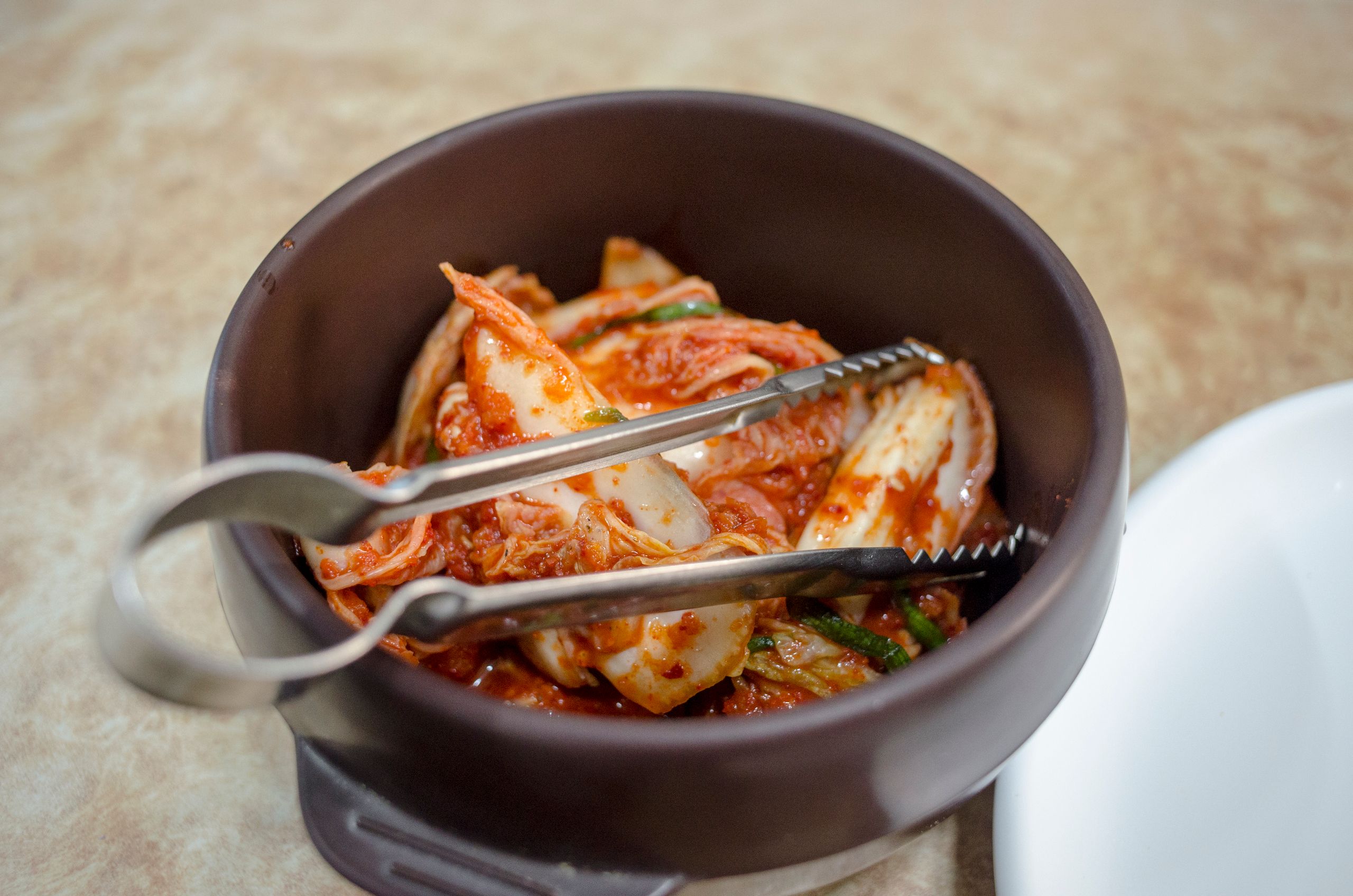
A traditional Korean food could hold an unexpected clue to one of the modern world’s growing pollution problems. Scientists have discovered a bacterium found in kimchi that can attach itself to microscopic plastic particles and potentially help carry them out of the body through waste.
The discovery is attracting attention after laboratory experiments showed that the bacterium could bind to 87% of the nanoplastics it encountered. Even more interestingly, mice given the microorganism excreted more than twice as many plastic particles in their feces as those that received no probiotic treatment. Researchers now want to understand whether this unusual interaction could eventually lead to new ways of reducing plastic exposure in humans.
Scientists Find A Surprising Ally In Traditional Korean Food
Researchers from South Korea’s World Institute of Kimchi have identified a lactic acid bacterium called Leuconostoc mesenteroides CBA3656 that could help reduce the amount of nanoplastics remaining in the digestive system. The research team, led by Dr. Se Hee Lee and Dr. Tae Woong Whon, investigated whether microorganisms found in fermented foods could interact with tiny plastic particles after entering the digestive tract.
Their findings, published in the journal Bioresource Technology in 2026, revealed that the kimchi-derived bacterium could attach itself to polystyrene nanoplastics. This process is known as biosorption, which describes how certain substances become attached to the surface of biological materials. The researchers wanted to determine whether this interaction could potentially help move plastic particles through the digestive system.
The proposed mechanism is relatively straightforward. When nanoplastics attach to the bacterial surface, they may travel alongside the microorganism through the intestines before eventually leaving the body through feces. This possibility could offer researchers a new biological approach to studying how environmental pollutants move through the digestive tract.
“Plastic pollution is increasingly recognized not only as an environmental issue but also as a public health concern,” said Dr. Se Hee Lee, the study’s lead researcher. She added that microorganisms derived from traditional fermented foods could represent a new biological approach to addressing this emerging challenge.
The Bacterium Trapped 87% Of Nanoplastics In Laboratory Tests
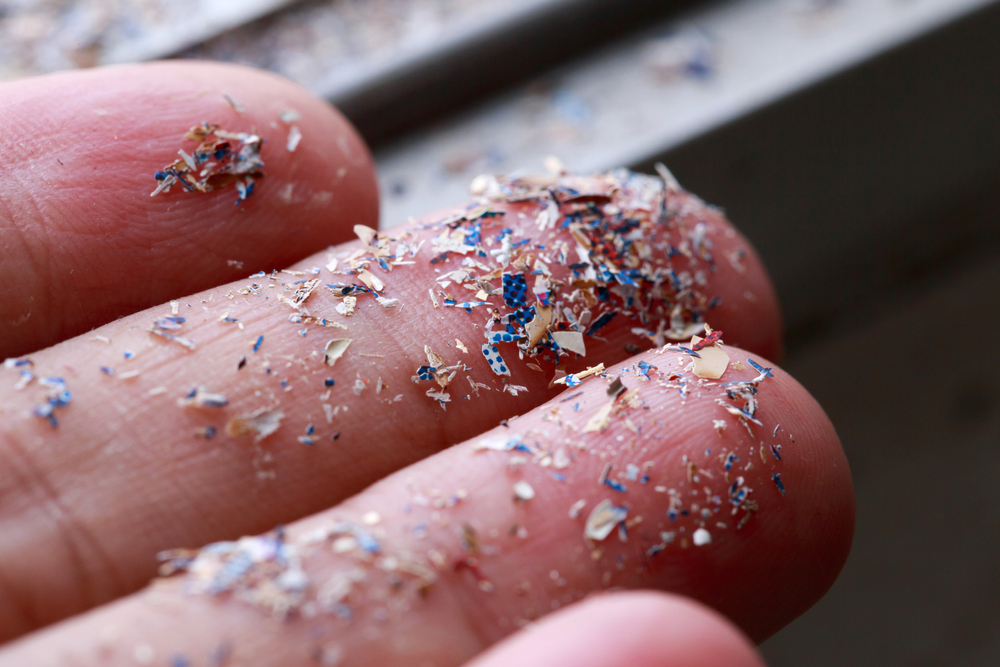
The first experiments produced some striking results, giving researchers an indication of how effectively the microorganism could interact with plastic particles. Scientists tested the kimchi-derived bacterial strain against polystyrene nanoplastics, a type of plastic particle frequently used in laboratory research. Under standard laboratory conditions, Leuconostoc mesenteroides CBA3656 demonstrated an adsorption efficiency of 87%.
In practical terms, this meant that the bacterium successfully attached to a large proportion of the nanoplastic particles present in the experiment. The team also compared its performance with another lactic acid bacterium called Latilactobacillus sakei CBA3608, which achieved an adsorption efficiency of 85% under standard conditions. Both microorganisms initially demonstrated strong binding abilities, making the next stage of testing particularly interesting.
The Intestinal Environment Made The Difference

Inside the digestive system, bacteria encounter substances such as bile salts and changing acidity levels. These conditions can influence how effectively microorganisms survive and function, meaning that results obtained under ordinary laboratory conditions may not accurately reflect what happens inside an intestine. Researchers therefore recreated intestinal conditions to determine whether the kimchi-derived bacterium could maintain its ability to bind nanoplastics.
The results revealed a considerable difference between the two bacterial strains. While the adsorption rate of Latilactobacillus sakei CBA3608 dropped dramatically from 85% to just 3%, the kimchi-derived Leuconostoc mesenteroides CBA3656 maintained an adsorption rate of 57%. This suggested that the latter could continue attaching to plastic particles even under more challenging conditions resembling those found in the human digestive tract.
The difference is particularly relevant because a microorganism must retain its functional properties when exposed to the digestive environment. A bacterium that binds plastic effectively in water may lose much of that ability when exposed to intestinal conditions. The kimchi-derived strain performed considerably better in this comparison, encouraging the researchers to investigate its potential further.
Mice Excreted More Than Twice As Many Plastic Particles

After observing the bacterium’s performance in laboratory experiments, the research team moved on to animal testing to investigate whether the microorganism could influence nanoplastic excretion. They used germ-free mice, which are specially raised without the usual microorganisms found in the digestive system. This allowed researchers to examine the effects of the selected bacterial strain under more controlled biological conditions.
Some mice received the kimchi-derived bacterium, while another group served as controls without the probiotic treatment. Researchers subsequently examined the nanoplastics detected in their feces to determine whether receiving the microorganism changed the amount of plastic being eliminated. The results showed that both male and female mice receiving L. mesenteroides CBA3656 excreted more than twice as many nanoplastics compared with the control group.
This finding supported the team’s proposed explanation that the bacterium could attach to plastic particles inside the digestive system and help carry them out of the body. The increased amount of nanoplastics detected in the animals’ feces provided evidence that the microorganism influenced their excretion under the experimental conditions. However, the research did not establish that the same effect would occur in people.
There is an important distinction between demonstrating an effect in specially bred mice and proving that a treatment works in humans. Germ-free animals provide researchers with a controlled environment, but human intestines contain complex communities of microorganisms that could influence the results. Further experiments will be needed to establish whether the kimchi-derived strain can produce comparable effects in a typical human digestive system.
What Exactly Are Nanoplastics And Why Are Scientists Concerned?
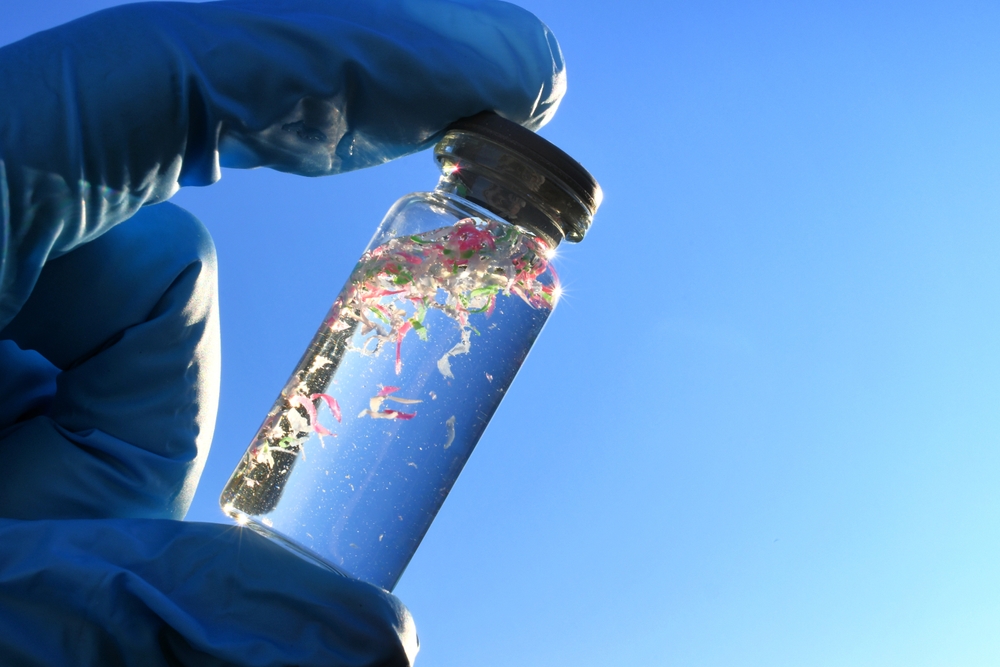
Plastic pollution has become an environmental problem that extends far beyond discarded bottles, packaging and shopping bags. As larger plastic materials gradually break down, they can produce increasingly tiny fragments known as microplastics and nanoplastics. These particles can enter the human body through everyday exposure, including contaminated food and drinking water.
Nanoplastics are generally defined as plastic particles smaller than one micrometer, making them considerably smaller than many familiar microplastic fragments. Their extremely small size creates challenges for researchers studying how they behave after entering biological systems. Scientists are investigating whether certain particles can cross biological barriers and potentially reach tissues beyond the digestive tract.
Why Their Tiny Size Raises Questions
The concern surrounding nanoplastics comes partly from their ability to interact with biological tissues. Their small dimensions have led researchers to investigate whether some particles can cross the intestinal barrier and potentially accumulate in organs such as the kidneys and brain. However, the precise extent of human exposure and the biological consequences remain subjects of ongoing investigation.
Scientists have detected plastic particles in various human tissues, increasing interest in understanding how they enter the body and what happens after exposure. Nevertheless, detecting particles does not automatically establish that they cause a particular disease or health condition. There is currently insufficient reliable evidence to determine exactly what levels of nanoplastic exposure produce harmful effects in humans.
Researchers also have unanswered questions about how long different plastic particles remain inside the body. Some appear to pass through the digestive system naturally, while the movement and possible accumulation of smaller particles require further investigation. This uncertainty is one reason why studies examining potential ways to reduce exposure have attracted attention.
How A Traditional Fermented Food Produces These Bacteria
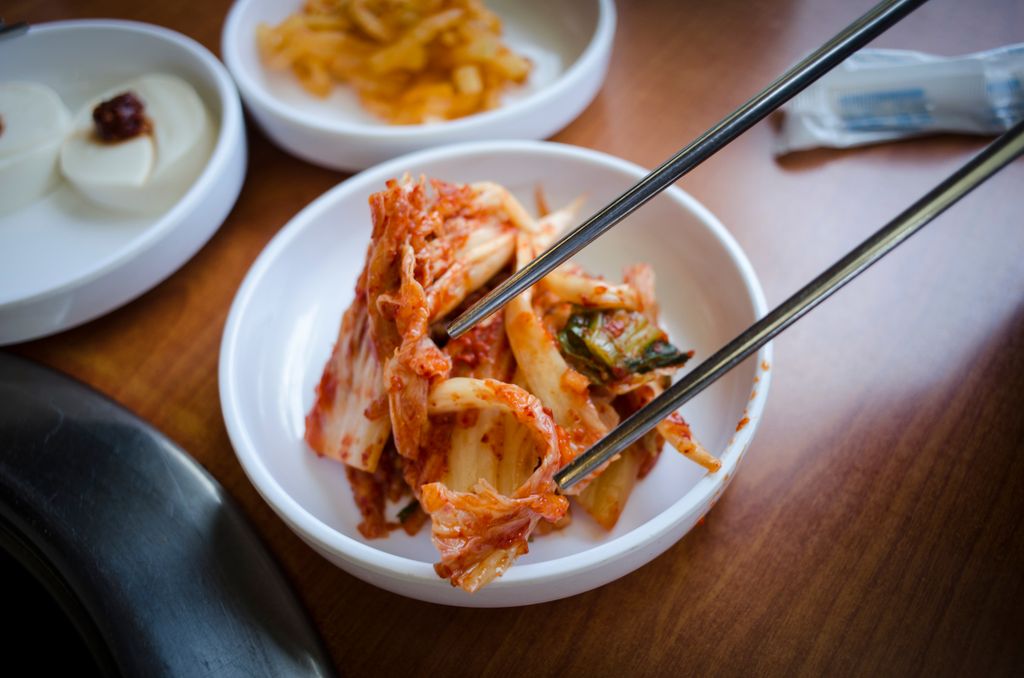
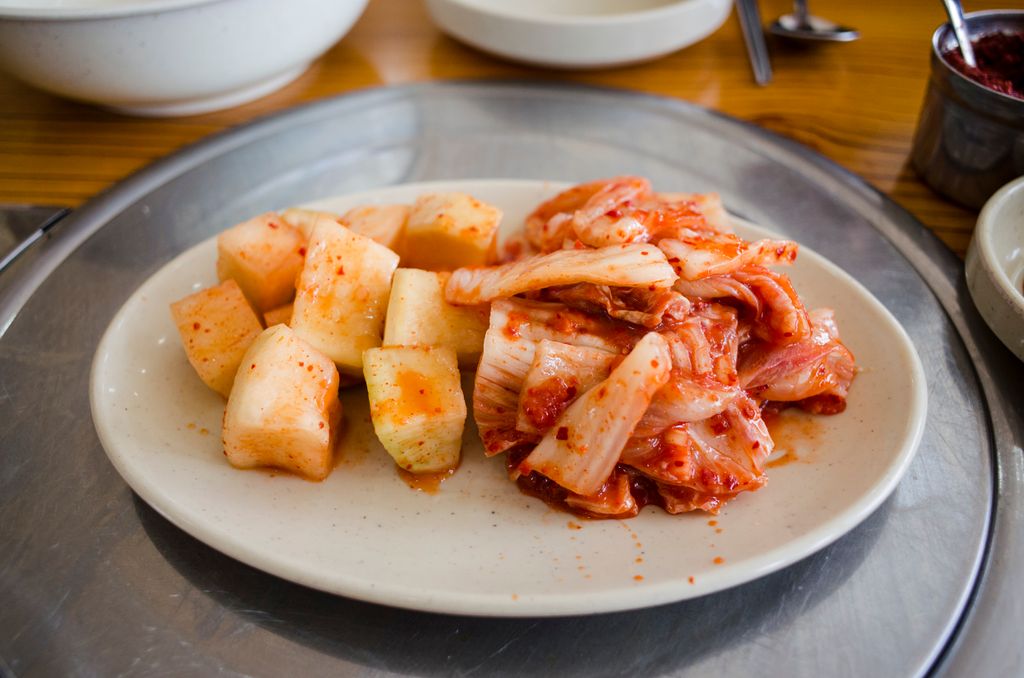
Kimchi is a traditional Korean dish made by fermenting vegetables, commonly napa cabbage and radishes, with seasonings. The fermentation process encourages the growth of different microorganisms, including lactic acid bacteria, which help transform sugars into lactic acid. These microorganisms contribute to the distinctive sour flavor and characteristics associated with fermented kimchi.
Different fermented foods contain different microbial communities, which is one reason scientists continue investigating their potential biological properties. Yogurt, kefir and kombucha also contain microorganisms associated with fermentation, although their bacterial and yeast compositions differ. Researchers have studied these foods to better understand how fermentation-related microbes interact with the digestive system.
The latest findings suggest that certain microorganisms may possess another interesting property beyond their traditional role in fermentation. Their surfaces may interact with environmental contaminants, including microscopic plastic particles. The kimchi study provides experimental evidence that one particular bacterial strain can bind polystyrene nanoplastics under several controlled conditions.
How The Bacteria May Capture Plastic Particles
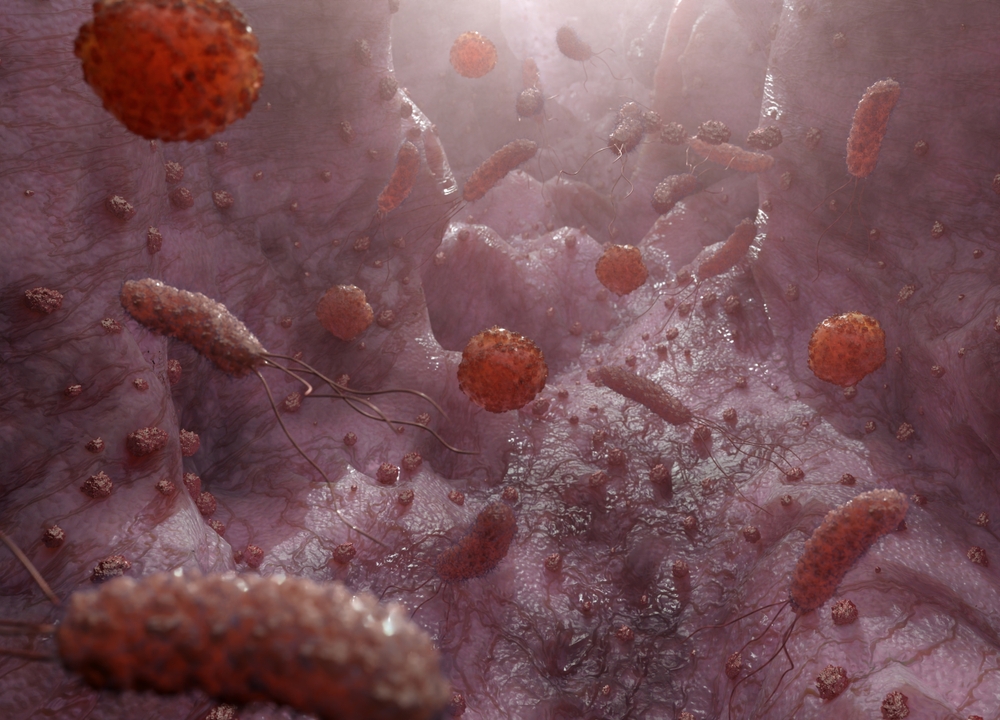
The process investigated in the study is called biosorption, which involves substances attaching to the surface of biological materials. Researchers examined how the bacterial cell wall and membrane interacted with nanoplastic particles. Their findings indicated that chemical groups within these structures played a role in the attachment process.
The research also examined the bacterium’s binding performance across different experimental concentrations, acidity levels and temperatures. The strain demonstrated binding activity across concentrations ranging from 10 to 200 parts per million, pH levels between three and nine, and temperatures from 4 to 55 degrees Celsius. These results offered further information about the conditions under which the microorganism could interact with nanoplastics.
Infrared spectroscopy also helped researchers examine the chemical interactions involved in the process. The study identified functional groups associated with the bacterial cell wall and membrane, including P=O, C=O and C-O-C, that could contribute to the interaction. Together, these observations helped explain how the microorganism was capable of attaching to plastic particles during the experiments.
Once attached, the particles may remain associated with the bacteria as they move through the digestive tract. This could potentially increase the amount of plastic eliminated through feces rather than leaving those particles available for absorption. However, researchers still need to establish how consistently this mechanism operates in a living human intestine.
Kimchi Is Not The First Fermented Food Linked To Plastic Removal
The South Korean research also fits into a growing area of scientific investigation involving probiotics and plastic pollution. Earlier animal experiments have explored whether microorganisms from fermented foods could influence how much plastic remains inside the digestive system. These studies suggest that different bacterial strains may interact with plastic particles through similar biological processes.
A 2025 study involving two probiotic bacterial strains reported a 35% increase in microplastic excretion in animal models. Researchers also observed a 67% reduction in the amount of plastic remaining in the intestines of treated mice. Although the results were encouraging, they came from animal experiments and do not establish that probiotic treatments produce the same effects in people.
Another exploratory study involving a bacterium associated with yogurt reported that treated mice excreted 12 times as many microplastics in their feces. The researchers also observed fewer signs of intestinal damage in the animals receiving the bacterial treatment. Their findings provided another example of how microorganisms associated with fermented foods might influence plastic movement through the digestive system.
These findings do not mean that every fermented food can remove plastic from the body. Different microorganisms have different biological properties, and the effects observed with one bacterial strain cannot automatically be applied to another. The kimchi research is particularly interesting because it identified a strain that maintained a substantial binding ability under simulated intestinal conditions.
Why Scientists Still Need Human Trials
Despite the encouraging laboratory and animal findings, the kimchi discovery remains at an early research stage. One major limitation is the use of germ-free mice, whose digestive systems lack the complex microbial communities normally found in humans. These controlled experiments help researchers isolate individual effects, but they cannot reproduce every interaction occurring inside a typical human intestine.
Human digestive systems contain numerous microorganisms that compete, cooperate and interact with substances passing through the gut. Those interactions could influence whether L. mesenteroides CBA3656 survives, attaches to nanoplastics and maintains its binding ability. Researchers will need additional experiments involving more complex microbial environments before drawing conclusions about its effectiveness in people.
Several important questions still need to be addressed before this discovery can lead to a practical application:
- Human effectiveness: Does the bacterium bind nanoplastics inside an actual human digestive system, and can it increase their excretion?
- Survival: Can the microorganism survive the journey through the stomach and reach the intestines in sufficient numbers to interact with plastic particles?
- Microbiome interactions: Do other intestinal microorganisms interfere with its ability to capture nanoplastics or change its effectiveness?
- Long-term effects: Does increasing plastic excretion produce measurable health benefits, and could there be unexpected consequences?
- Practical application: Can researchers eventually develop a reliable probiotic formulation containing the specific bacterial strain?
There is also a difference between eating ordinary kimchi and consuming a scientifically prepared formulation containing a particular bacterial strain. The study investigated L. mesenteroides CBA3656 under controlled conditions, but it did not establish that commercially available kimchi contains sufficient quantities of this exact microorganism. Consequently, eating more kimchi cannot currently be recommended as a proven method of removing nanoplastics.
A Tiny Bacterium Could Offer A New Approach To Plastic Pollution
The discovery opens an interesting direction for scientists investigating the relationship between environmental pollution and human biology. Plastic particles have become a persistent part of the modern environment, and researchers are looking for better ways to understand how they move through living organisms. Finding biological mechanisms that could reduce exposure is one possible avenue for future investigation.
The kimchi-derived bacterium offers a particularly interesting starting point because it demonstrated strong binding activity in laboratory experiments and increased nanoplastic excretion in mice. Its ability to maintain a 57% adsorption rate under simulated intestinal conditions also gives researchers a specific characteristic to investigate further. However, human studies will be necessary before anyone can determine whether the findings translate into a useful treatment.
For now, there is no proven kimchi-based method for flushing nanoplastics out of the human body. The next major challenge is establishing whether this microscopic partnership works inside the human gut and whether increased plastic excretion leads to measurable health benefits. A bacterium from a traditional fermented food has given scientists an intriguing research lead, but proving its value in humans will be the real test.