
Your cart is currently empty!
Scientists Program Bacteria To Consume Tumors From The Inside

A cancer treatment that sends microscopic organisms into a tumor sounds like something from a science-fiction movie, but researchers at the University of Waterloo are exploring a version of that idea in the laboratory. Their approach uses engineered bacteria that can grow inside the oxygen-starved center of solid tumors and potentially consume the nutrients there as they multiply.
Contents
show
The researchers are now trying to make those bacteria smarter and safer. By combining genetic engineering with a bacterial communication system, they hope to create microbes that can survive deeper inside tumors and activate an oxygen-tolerance feature only after enough bacteria have gathered in the right place.
The Cancer-Eating Bacteria Have A Natural Advantage
The unusual strategy centers on Clostridium sporogenes, a bacterium commonly found in soil that naturally prefers environments containing no oxygen. That preference happens to match one of the defining features of the interior of many solid tumors, where oxygen can become severely limited as the cancer grows.
The core of a solid tumor can contain dead cells and plenty of nutrients, creating conditions where these bacteria can grow. Instead of trying to force an organism into an environment where it cannot survive, the researchers are taking advantage of conditions that already exist inside the tumor.
Dr. Marc Aucoin, a chemical engineering professor at Waterloo, explained that bacterial spores can enter a tumor and encounter an environment filled with nutrients but lacking oxygen. Once there, the organisms can begin consuming those nutrients and increasing in number.
“Bacteria spores enter the tumor, finding an environment where there are lots of nutrients and no oxygen, which this organism prefers, and so it starts eating those nutrients and growing in size,” Aucoin said.
The researchers describe this process as colonizing the central space of the tumor. Their longer-term goal is to turn that natural bacterial behavior into a controlled biological attack capable of helping eliminate tumor tissue.
The Bacteria Face A Problem As They Move Outward
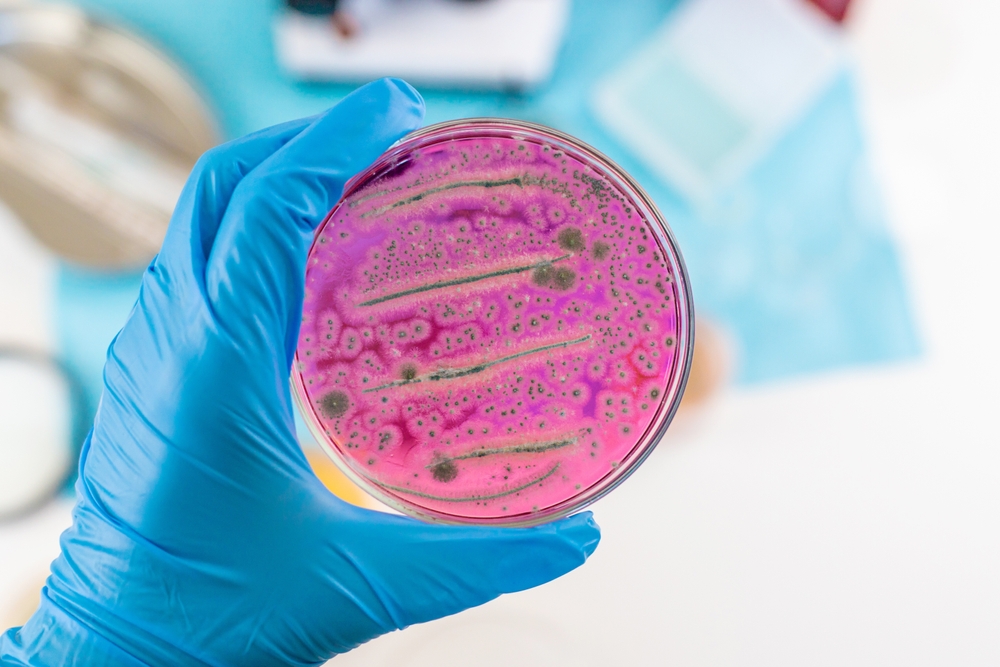
There is a major limitation to the strategy, however. The same bacteria that thrive in the oxygen-free center of a tumor struggle when they move toward areas containing oxygen.
That creates a frustrating biological boundary. The microbes may be able to establish themselves deep inside the tumor, but as they approach its outer regions, exposure to oxygen can cause them to die before the tumor has been fully targeted.
The researchers therefore looked for a way to give the bacteria greater oxygen tolerance without simply allowing that ability to operate everywhere in the body. Their solution involves adding a gene from a related bacterium that is better able to tolerate oxygen.
The added gene could allow the engineered Clostridium sporogenes to survive for longer as it encounters small amounts of oxygen around the tumor’s edges. That could potentially extend the bacteria’s reach beyond the oxygen-free core.
But giving the microbes this capability creates another challenge. If the oxygen-resistant gene became active immediately, the bacteria could potentially survive in oxygen-rich areas where the researchers do not want them growing.
The bloodstream is one obvious concern because it contains oxygen. The researchers therefore needed another mechanism that could determine when the bacteria had reached a large enough population inside a tumor before activating the additional genetic function.
A Bacterial Communication System Acts Like A Switch

The answer comes from a natural phenomenon called quorum sensing. Bacteria can communicate with one another using chemical signals, and the strength of those signals changes as the bacterial population grows.
The Waterloo researchers are using that behavior as a kind of biological control mechanism. Rather than having the oxygen-resistant gene permanently switched on, they are designing the bacteria so the gene can activate only after enough organisms have accumulated.
The concept is relatively simple even though the underlying genetic engineering is complex. A small number of bacteria would produce too little of the relevant chemical signal to activate the oxygen-tolerance system, while a sufficiently large population inside a tumor could produce enough signal to trigger it.
That gives the researchers a way to connect bacterial population size with genetic activity. The bacteria could first exploit the oxygen-free tumor core, multiply there, and then activate their oxygen-tolerance mechanism once their numbers reach the required threshold.
The intended sequence involves several stages:
- Tumor entry: Bacterial spores reach an oxygen-starved region within a solid tumor, where conditions favor their growth.
- Population growth: The organisms consume available nutrients and multiply inside the tumor’s core.
- Chemical signaling: As the bacterial population increases, chemical signals used in quorum sensing become stronger.
- Genetic activation: Once the signal reaches the required level, the oxygen-tolerance system can be switched on.
- Extended survival: The engineered bacteria may then survive longer in oxygen-exposed regions near the tumor’s outer areas.
The system is designed around timing as much as biology. The researchers want the bacteria to gain an additional capability only after they have reached the environment where that capability is useful.
Scientists Are Building A Biological Circuit
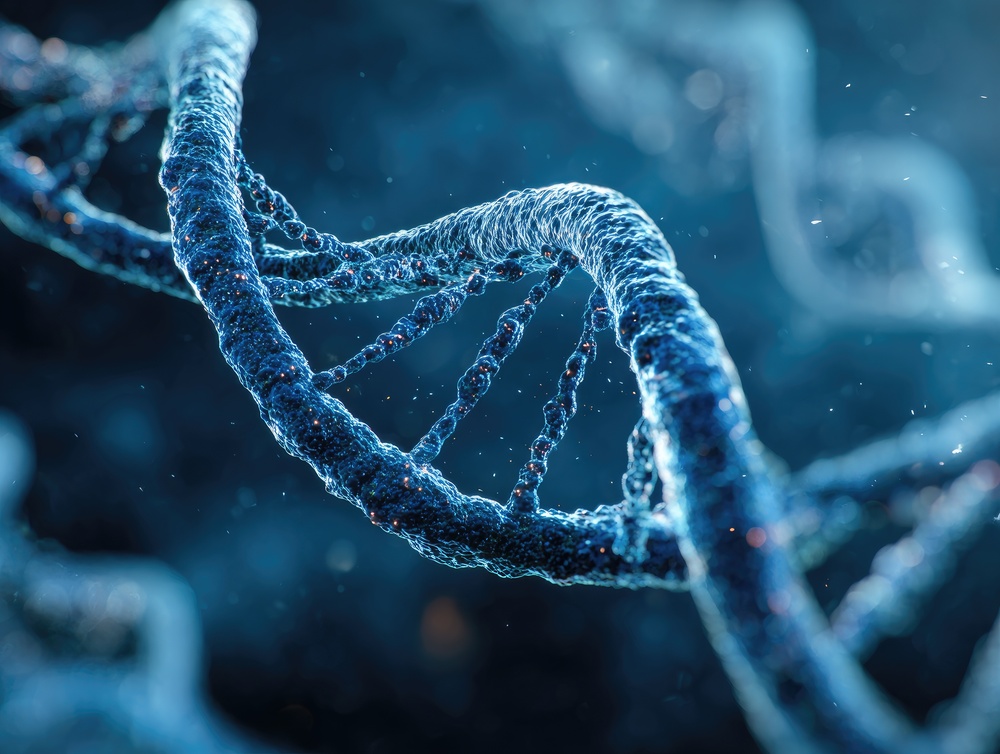
The work is an example of synthetic biology, a field that allows researchers to modify organisms by assembling genetic components with specific functions. Instead of treating DNA as a fixed instruction set, scientists can design combinations of genetic parts intended to produce particular behaviors.
The Waterloo team has already tested important pieces of its proposed system. In earlier work, researchers demonstrated that Clostridium sporogenes could be genetically modified to better tolerate oxygen.
They then tested the quorum-sensing component separately. Rather than immediately attempting to destroy tumors, the researchers programmed bacteria to produce a green fluorescent protein when the system activated.
The fluorescent signal gave the team a way to observe whether their genetic circuit was responding at the intended point. This kind of testing is important because the researchers need to establish that the biological switch behaves predictably before combining it with the other genetic modification.
Dr. Brian Ingalls, a professor of applied mathematics at Waterloo, compared the system to an electrical circuit. In this case, however, the components are pieces of DNA rather than wires and electronic parts.
“Using synthetic biology, we built something like an electrical circuit, but instead of wires we used pieces of DNA,” Ingalls said. “Each piece has its job. When assembled correctly, they form a system that works in a predictable way.”
That description captures the central ambition of the project. The researchers are not simply putting bacteria into a tumor and hoping they behave in a useful way. They are attempting to program several biological functions so the microbes respond to their surroundings in a controlled sequence.
Why The Tumor Core Makes Such An Interesting Target
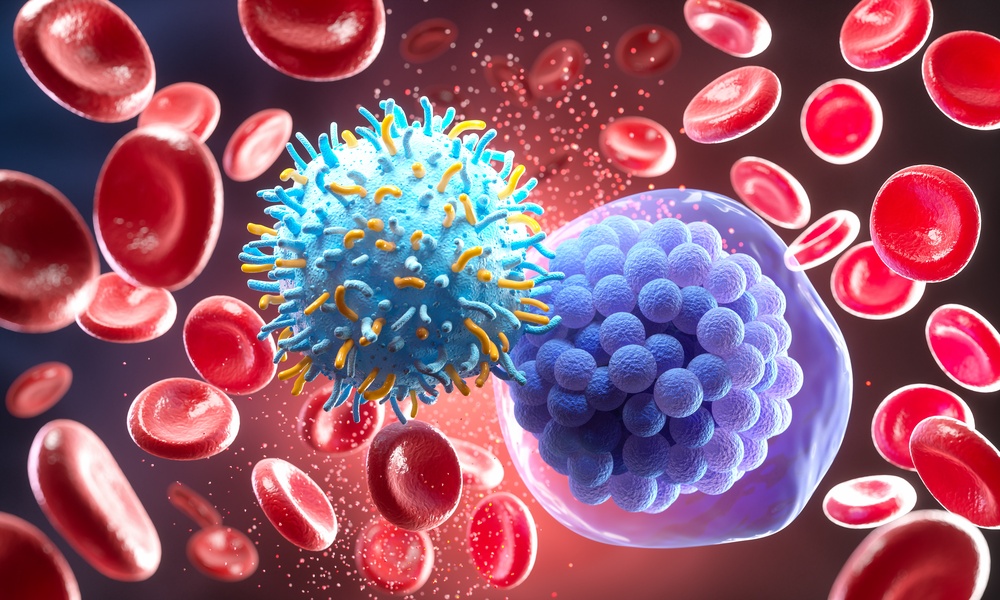
Tumors are complicated biological environments, and different parts of the same tumor can have very different conditions. Areas closer to blood vessels may have greater access to oxygen, while deeper regions can become oxygen-starved as the tumor expands.
That uneven environment creates challenges for conventional approaches, but it can also create opportunities for treatments designed around specific tumor conditions. In this case, the researchers are focusing on the fact that Clostridium sporogenes naturally prefers the oxygen-free environment found in the tumor’s core.
The strategy also illustrates a broader concept in cancer research: using characteristics that distinguish tumor tissue from healthy tissue as a way to improve targeting. The researchers are attempting to make the bacteria respond differently depending on where they are located and how many of them are present.
Oxygen levels provide one environmental signal, while bacterial population size provides another. Combining those signals gives the researchers greater control over when the engineered genetic system becomes active.
That does not mean the bacteria can currently identify every cancer cell or selectively eliminate tumors in patients. The supplied research describes an experimental strategy that still needs to undergo further testing before its potential as a cancer treatment can be properly evaluated.
The Next Step Is Putting The System Together

So far, the researchers have tested important parts of the approach separately. One study showed that Clostridium sporogenes could be modified for greater oxygen tolerance, while another study tested the quorum-sensing mechanism using green fluorescent protein as a visible indicator.
The next stage is to combine the oxygen-resistant gene and the quorum-sensing timing mechanism into one engineered bacterium. The researchers then plan to test the combined system against tumors in preclinical studies.
That step could reveal whether the genetic circuit behaves as intended inside a living system. Laboratory demonstrations can show that individual components work, but a biological treatment has to function within a much more complicated environment.
Researchers will need to determine whether the engineered bacteria can reach tumors, establish themselves in the appropriate regions, activate the oxygen-tolerance system at the correct time, and remain sufficiently controlled outside the tumor.
Safety will also be a central consideration. The reason the quorum-sensing mechanism is so important is that uncontrolled bacterial survival could create risks if the organisms were able to grow in oxygen-rich parts of the body.
The researchers are therefore trying to solve two problems at once. They need bacteria capable of surviving long enough to reach more of the tumor, while also creating biological controls that limit when that enhanced survival ability becomes active.
The Research Could Give Living Cells A New Job

The project grew from work by PhD student Bahram Zargar under the supervision of Ingalls and Dr. Pu Chen, a retired professor of chemical engineering at Waterloo. It brings together researchers from engineering, mathematics and life sciences to investigate a problem that requires expertise from several fields.
The unusual part of the approach is that the treatment concept depends on living cells rather than a conventional drug molecule. The bacteria themselves become the delivery system, the biological machinery and potentially the agents that alter the tumor environment.
That idea is part of a larger interest in synthetic biology, where researchers increasingly explore ways to give microorganisms carefully defined functions. In principle, living cells can respond to environmental signals and change their behavior, giving scientists possibilities that are difficult to reproduce with static treatments.
For cancer research, that could be particularly interesting because tumors are not uniform. Their internal environments can contain differences in oxygen, nutrients and other conditions, potentially providing signals that engineered organisms can detect.
The Waterloo team’s work is still focused on making that concept function reliably. The researchers have demonstrated individual pieces of the system, but the complete engineered bacterium has yet to be tested against tumors in the planned preclinical work.
This Is Still Experimental Cancer Research
The phrase “cancer-eating bacteria” makes the research sound much further along than it actually is. The studies described by the researchers demonstrate an intriguing biological strategy, but they do not establish that the engineered bacteria can treat cancer in humans.
The researchers have so far focused on developing and testing the genetic components that could eventually allow the bacteria to behave in the desired way. The next step is to combine those components and evaluate their performance in preclinical tumor models.
That distinction matters because promising laboratory research often faces significant hurdles before becoming a treatment. A biological system can behave predictably in one experiment and encounter unexpected challenges inside a living organism.
The researchers will therefore have to establish whether the engineered bacteria can perform their intended functions safely and consistently. They will also need to determine whether the approach can actually produce meaningful destruction of tumor tissue without causing unacceptable effects elsewhere in the body.
For now, the research offers a glimpse at a very different way of thinking about cancer treatment. Instead of relying solely on a drug to attack a tumor, scientists are exploring whether living organisms can be programmed to enter a tumor, sense their surroundings, multiply under specific conditions and activate useful genetic functions at the right moment.
The next major test will be whether that carefully designed biological circuit can work inside a real tumor as reliably as it does in the laboratory. If it can, the humble bacterium at the center of this research could become part of a new generation of programmable tools for cancer treatment.