
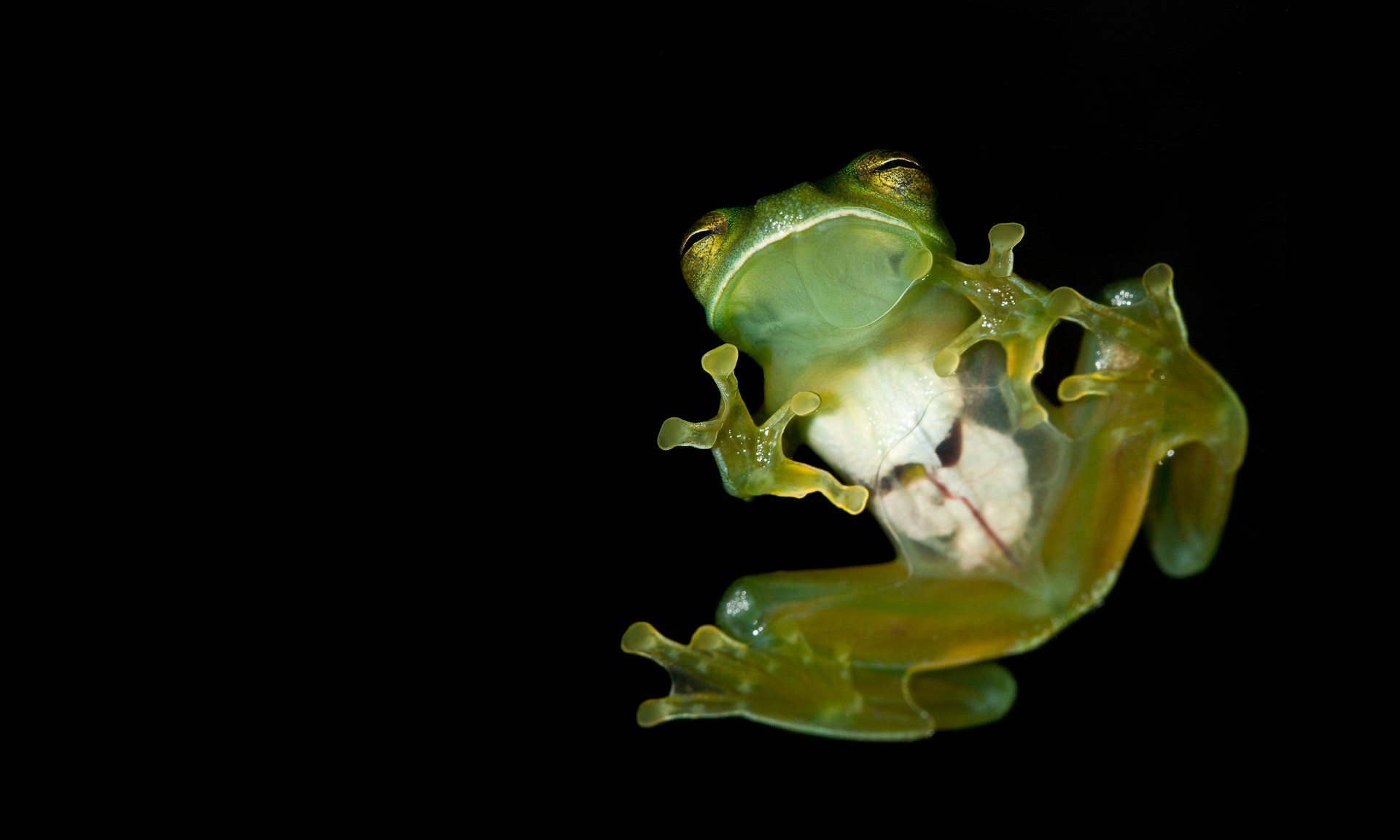
Thousands of bright green frogs were gathered around a remote mountain lake in Indonesia when researchers stumbled upon a discovery that would leave them with more questions than answers. The amphibians looked like familiar Asian flying frogs, but closer examination revealed something scientists had never documented in their relatives. Their eggs were developing inside strange, jelly-like masses suspended above or near the water, revealing a reproductive strategy that set them apart from every other known Asian flying frog.
The discovery came after years of difficult expeditions through the Indonesian wilderness, where researchers investigated wildlife across some of the island’s least explored mountain environments. The newly identified species has since been given the scientific name Rhacophorus kurniatiae, with its name carrying a touching tribute to a respected scientist who helped discover it. What began as an unexpected encounter beside a mountain lake has now added another remarkable species to Indonesia’s already extraordinary wildlife.
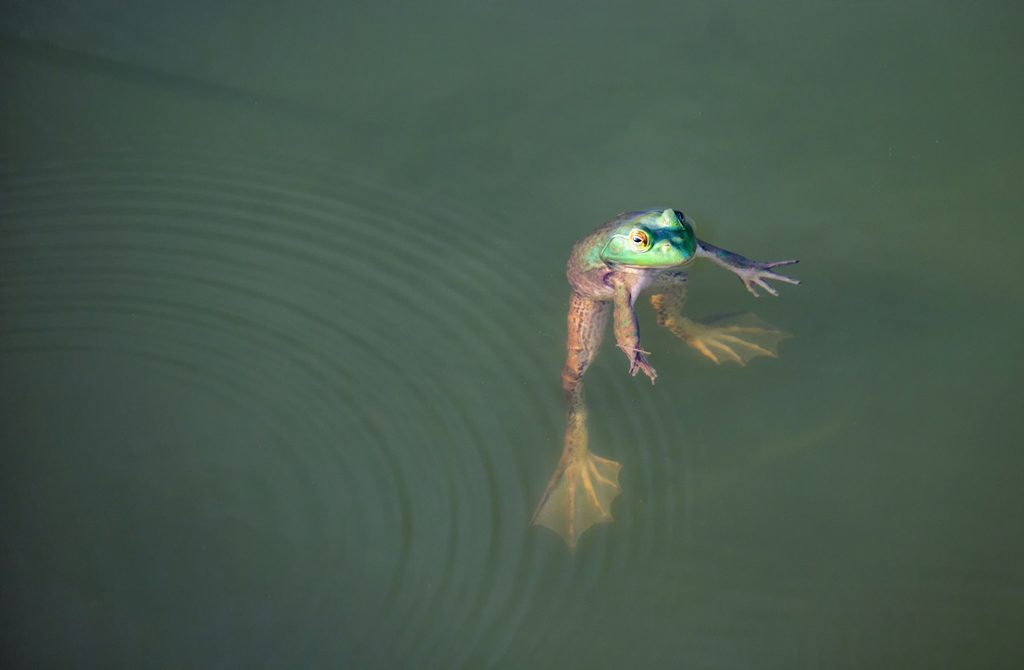
A Remote Mountain Lake Was Covered In Thousands Of Green Frogs
The discovery happened during biodiversity expeditions in the rugged Mekongga Mountains on the Indonesian island of Sulawesi. Researchers had been exploring the region when they reached a secluded seasonal lake more than 6,100 feet above sea level. The remote location was difficult to access, requiring the team to travel through dense rainforest and challenging mountain terrain. What awaited them near the water was an unusual sight, with thousands of bright green frogs gathered around the lake.
Alan Hitch, one of the researchers involved in the discovery, described the moment when the team first encountered the animals. “We were moving up the mountain, and we came across this big pond covered in these green frogs,” Hitch explained. “They were all over. You don’t really see frogs in big congregations like that. This was something super special.” The unexpected gathering immediately attracted the researchers’ attention because large congregations of these amphibians were unusual.
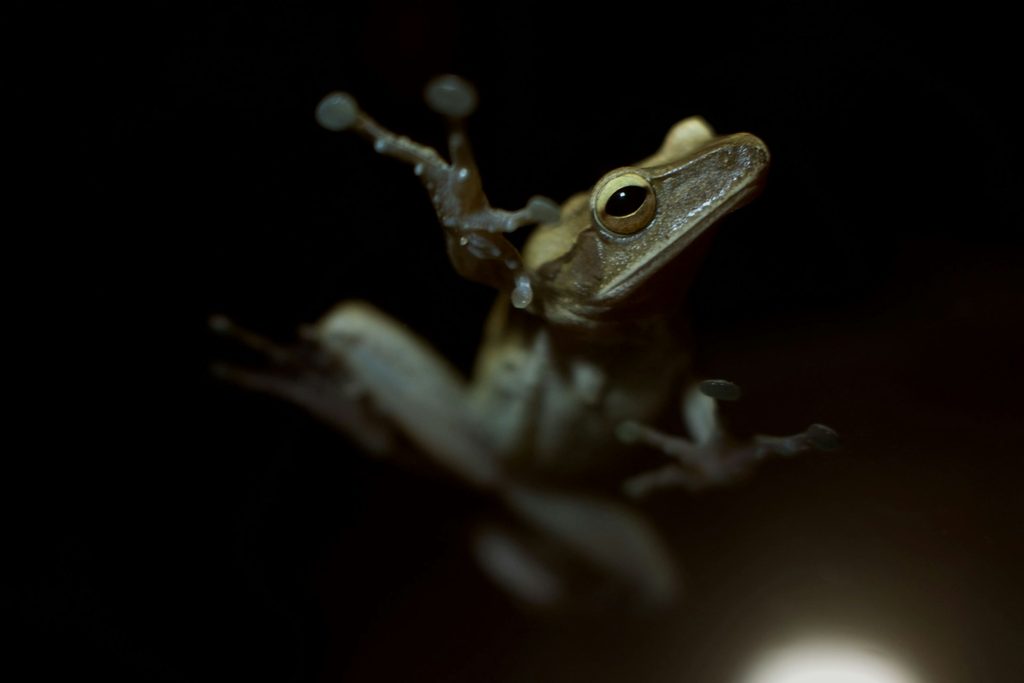
At first, the frogs appeared to belong to the Rhacophorus genus, a group commonly known as Asian flying frogs. Their large, webbed feet provided an important clue because these amphibians use them to glide between trees. However, the researchers soon realized that their discovery involved something far more interesting than another population of familiar flying frogs. Their reproductive behavior revealed a feature that distinguished them from their closest relatives.
Scientists Discovered An Unusual Secret Inside Their Eggs
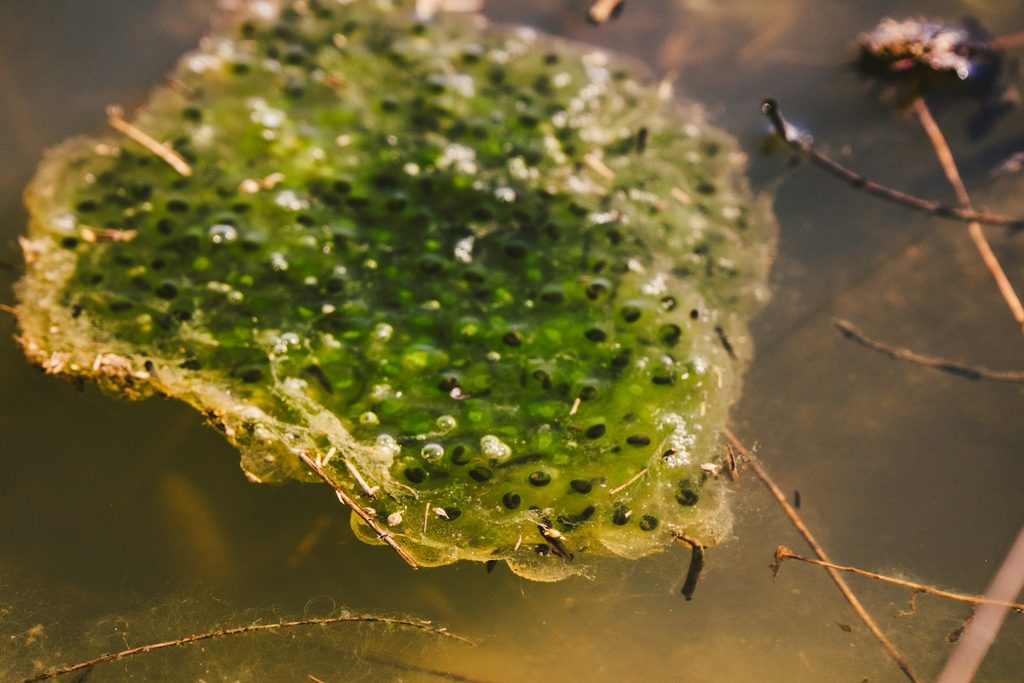
The biggest surprise emerged when researchers investigated how the frogs reproduced. Many related flying frogs produce foamy nests that protect their developing eggs. These nests provide a moist environment while the embryos develop before eventually entering the water as tadpoles. The newly identified species follows a different reproductive strategy, depositing its eggs inside irregular gelatinous masses instead of producing the familiar foam structures.
The jelly-like material hangs above or near the water, sometimes attached loosely to surrounding vegetation. The eggs develop inside this cohesive mass, with the developing offspring remaining protected within the gelatinous substance. Researchers identified this behavior as a previously undocumented reproductive strategy among Sulawesi’s Rhacophorus flying frogs. Its unusual characteristics made the discovery especially significant because reproductive behavior can provide important clues about how different amphibian species evolved.
Alamsyah Elang Nusa Herlambang, one of the study’s authors, explained the unusual finding. “This Rhacophorus has a different reproductive strategy from all other Asian flying frogs,” he said. Herlambang also described the gelatinous reproductive material as something researchers had never previously observed in this group. The finding gives scientists another reason to investigate how closely related frogs can develop different breeding strategies while occupying similar environments.
Several Strange Features Helped Confirm A Completely New Species
Identifying a new animal species can be considerably more complicated than spotting something unusual in the wild. Some animals have physical characteristics that make them immediately recognizable, but others closely resemble species already documented by scientists. These animals are sometimes called cryptic species because their differences may only become apparent through detailed genetic testing or behavioral observations. The Indonesian flying frog initially presented researchers with precisely this challenge.
The team examined the frogs’ physical characteristics, genetic information and recorded calls before determining that they represented a distinct species. Their pointed snouts and distinctive vocalizations helped separate them from other members of the Rhacophorus genus. Researchers also compared numerous physical measurements, looking for characteristics that consistently distinguished the animals from related species. The unusual gelatinous egg masses provided another important piece of evidence that strengthened their identification.
The investigation revealed several characteristics that helped establish the frog’s identity:
- Distinctive snout: Its pointed snout differs from the appearance of certain closely related flying frogs.
- Unusual reproductive behavior: The species deposits eggs inside an irregular gelatinous matrix instead of producing typical foam nests.
- Different vocalizations: Researchers identified distinctive calls that helped distinguish it from other species.
- Genetic characteristics: DNA analysis revealed differences that supported its classification as a separate species.
- Physical measurements: Researchers compared 28 characteristics to examine how the frogs differed from known relatives.
Together, these findings provided a much stronger scientific case than appearance alone could offer. The research demonstrates why studying an animal’s behavior and genetics can reveal discoveries that might otherwise remain hidden in familiar-looking wildlife.
Researchers Examined Hundreds Of Specimens Before Naming The Frog
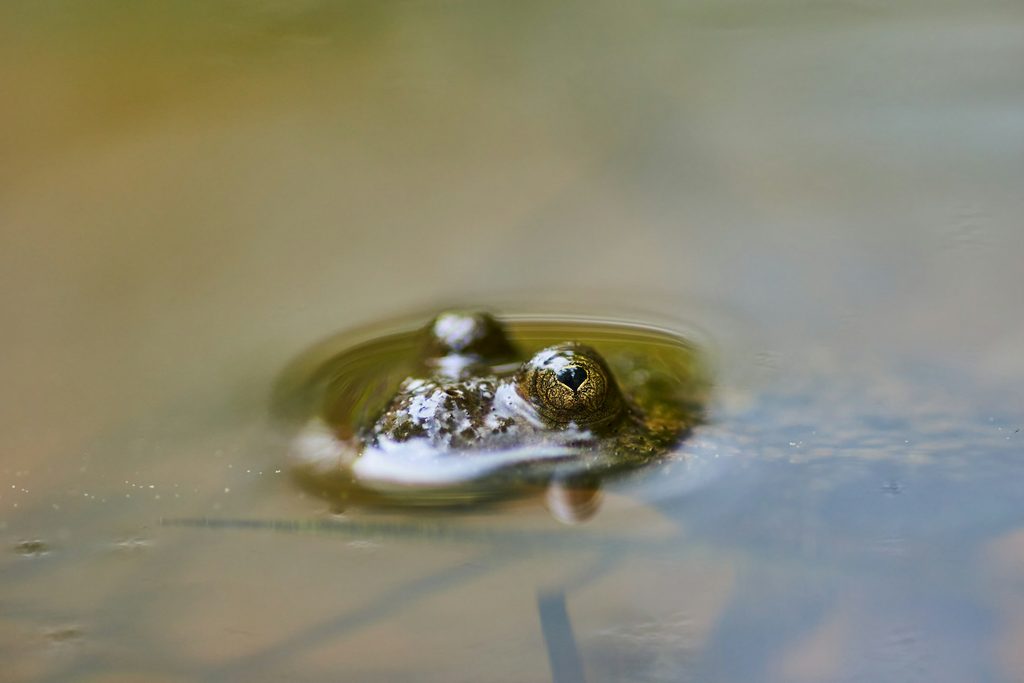
The identification process involved years of research and extensive comparisons with existing amphibian collections. Scientists needed to establish whether the frogs had already been documented or whether their unusual characteristics represented something genuinely new. This meant examining hundreds of specimens and carefully comparing their anatomy, genetics and behavior. Even relatively small differences can become important when scientists are trying to establish whether two similar-looking populations belong to separate species.
Andrew Engilis Jr., one of the study’s authors and curator of the University of California, Davis Museum of Wildlife and Fish Biology, described the scale of the investigation. “The team looked at hundreds and hundreds of specimens of frogs to describe the new species,” he explained. He also discussed how cryptic species can appear almost identical despite having meaningful genetic and behavioral differences. The newly identified flying frog provided another example of why detailed scientific comparisons remain essential.
The research was published in the scientific journal Zootaxa on November 11, 2026. Its authors documented the species using several independent lines of evidence, including morphological comparisons, genetic analysis, acoustic recordings and reproductive observations. This approach allowed the researchers to build a detailed description rather than relying on one unusual characteristic. The resulting scientific classification gives future researchers a foundation for investigating the frog’s biology and its relationship with other Asian flying frogs.
Why This Amphibian Is Actually Called A Flying Frog
The name flying frog might sound unusual because frogs are generally associated with jumping and swimming. However, certain members of the Rhacophorus genus possess adaptations that allow them to glide between trees. Their large webbed feet help create a broader surface area when they spread their limbs during a jump. This allows them to slow their descent and move through the forest canopy without simply dropping straight toward the ground.
These adaptations are particularly useful for amphibians that spend much of their lives in trees. Moving between branches and elevated surfaces can provide access to food and potential breeding locations. Gliding also allows these frogs to travel through their forest habitat in a way that ordinary frogs cannot. Their unusual feet are therefore an important part of the group’s identity and explain why researchers recognized the Indonesian specimens as potential flying frogs.
The newly identified Rhacophorus kurniatiae adds another species to this remarkable group. Its reproductive behavior makes it particularly interesting because scientists now have evidence of a breeding strategy that differs from those documented in other Asian flying frogs. Researchers can investigate whether its unusual egg masses provide advantages under the conditions found around its mountain lake. The discovery also raises questions about how environmental conditions influence reproductive adaptations among amphibians.
The Four-Year Expedition Uncovered More Than One New Animal
The flying frog was discovered during a wider biodiversity investigation involving researchers exploring Sulawesi’s mountain environments. The expeditions covered an extensive range of elevations, taking the team from areas close to sea level toward the island’s highest mountain peaks. Their work involved traveling through difficult terrain and investigating habitats that had received limited scientific attention. The remote Mekongga Mountains eventually became one of the most important locations in the project.
The researchers also documented other previously undescribed wildlife during their wider investigations. According to the research team, the expedition produced discoveries involving a second new frog species, a newly described gecko and two previously undocumented fish species. Further investigations were also examining additional frogs, mammals and potentially a bird. These findings show how much biodiversity can remain scientifically undocumented, particularly in isolated mountain ecosystems where access and research opportunities are limited.
The findings are particularly interesting because Sulawesi has a distinctive wildlife population containing many endemic species. Endemic animals are those naturally restricted to a particular geographical region. Their limited distribution can make them especially vulnerable when their habitats face environmental pressures. Every newly documented species gives researchers more information about the island’s biological diversity and helps establish which habitats deserve greater scientific and conservation attention.
The Frog Carries A Special Tribute To A Scientist Who Died In 2024
There is also a personal story behind the newly discovered frog’s scientific name. Researchers named the species Rhacophorus kurniatiae in honor of Hellen Kurniati, a respected Indonesian herpetologist who died in 2024. Herpetologists specialize in studying reptiles and amphibians, and Kurniati spent much of her career contributing to research involving Indonesia’s wildlife. She was also involved in the scientific work that helped bring the newly identified frog to researchers’ attention.
Kurniati was a long-serving member of the Museum Zoologicum Bogoriense and played an important role in advancing the study of amphibians and reptiles in Indonesia. Her work helped researchers understand the country’s wildlife, including species that had received limited scientific attention. Naming the frog after her ensures that her contributions remain connected to the discovery. The tribute also recognizes the important role Indonesian scientists play in documenting and studying their country’s biodiversity.
Hitch spoke warmly about his late colleague, describing her dedication and personality. “She had a heart of gold, and I think that’s part of what drove her to do such great work,” he said. The scientific name now carries her legacy into future research, giving a newly documented species a connection to the person who helped uncover it. For the researchers involved, the discovery therefore represents both a scientific achievement and a way to recognize a colleague’s lasting contributions.
The Discovery Could Help Protect One Of Indonesia’s Least Explored Mountain Regions
Discovering a new species also raises questions about the future of its natural habitat. Rhacophorus kurniatiae has been documented at a high-elevation lake in the Mekongga Mountains, making its known distribution particularly limited. Researchers still need more information about its population, breeding requirements and the extent of its habitat. Understanding these details will help establish how vulnerable the species might be to environmental changes.
The study also highlights the conservation importance of Sulawesi’s mountain ecosystems. Researchers have documented wildlife that was previously unknown to science, suggesting that additional surveys could uncover further species. Protecting these habitats would help preserve the environmental conditions that allow their wildlife populations to survive. The team’s work has also contributed to efforts to consider the Mekongga Mountains for potential national park status.
Andrew Engilis Jr. explained the conservation motivation behind documenting the region’s biodiversity. “When you’re a conservation biologist, your ultimate goal is conserving biodiversity,” he said. He added that the team’s discoveries could help accelerate consideration of the area for protected status. The newly identified frog therefore represents part of a much larger scientific effort to document and protect Indonesia’s unique mountain wildlife.
For now, one of the most unusual features of Rhacophorus kurniatiae remains its gelatinous egg masses, which have given researchers an entirely new reproductive strategy to investigate. A gathering of green frogs beside an isolated mountain lake has helped reveal another hidden part of Indonesia’s biodiversity, while ensuring that the name of a dedicated wildlife scientist lives on.
Sources:
Trilaksono, W., Racho, A., Engilis, A., Hitch, A. T., & Herlambang, A. E. N. (2026). Montane endemism and cryptic diversity in Sulawesi: A new species of flying frog with derived breeding traits. Zootaxa, 5900(4), 349–370. https://doi.org/10.11646/zootaxa.5900.4.3