
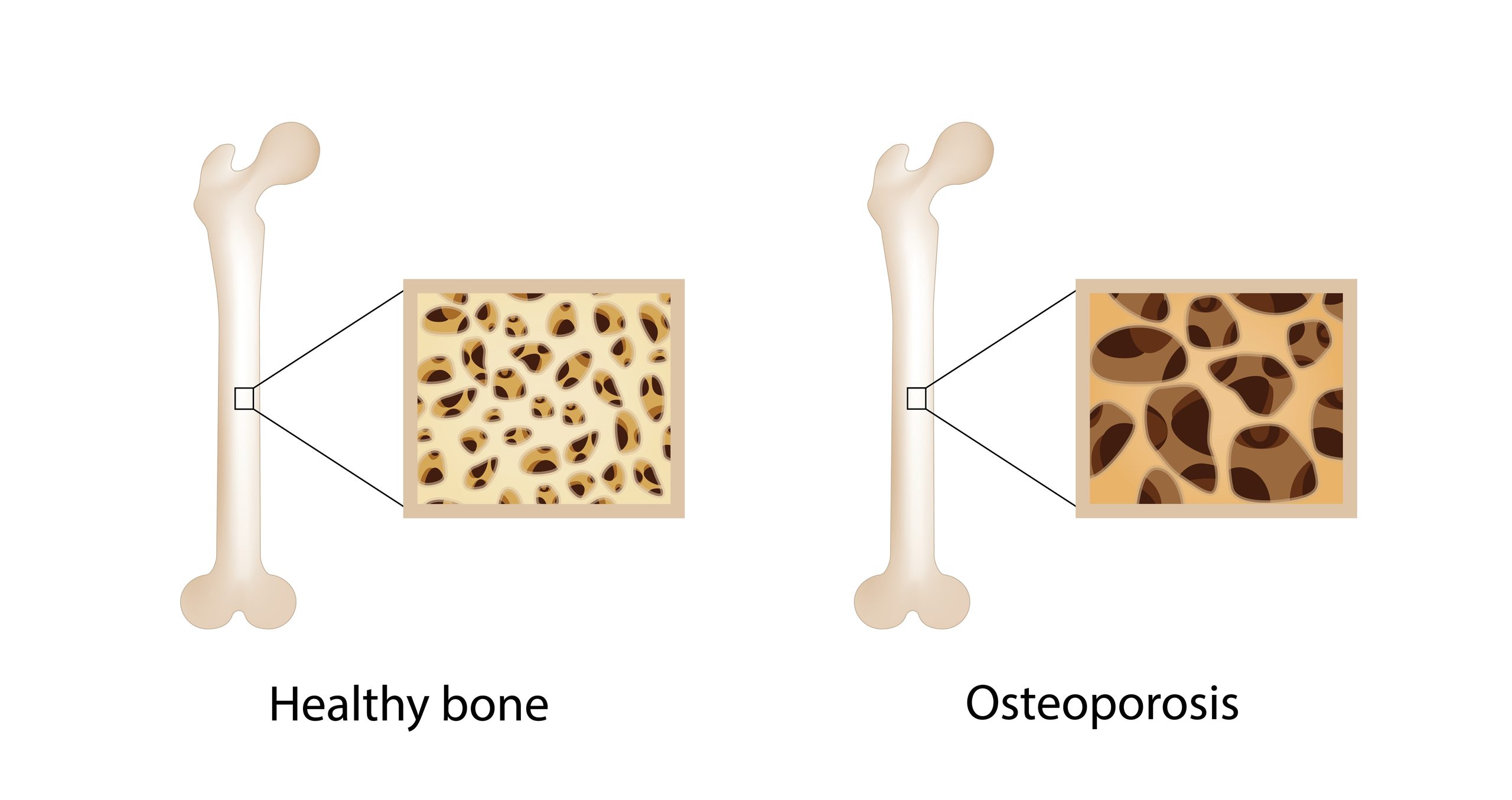
Osteoporosis can turn an ordinary fall into a life-changing injury, leaving millions of people vulnerable to fractures as their bones gradually lose strength. Now, scientists have reported an experimental treatment that could offer a new direction for people living with advanced forms of the condition. In a small human trial, 10 women experienced a 94% reduction in fragility fractures over two years after receiving a single infusion of specially engineered stem cells.
The treatment involves giving the body’s own repair cells a biological targeting system that could help them reach bone marrow. Researchers believe this technique may eventually help rebuild damaged bone tissue rather than simply slow the deterioration associated with osteoporosis. The early results have attracted attention, although several important questions remain before the approach can be considered an established treatment.

A Single Stem Cell Treatment Produces Unexpected Results
Researchers in Spain have investigated whether specially engineered mesenchymal stem/stromal cells could help women with advanced osteoporosis. These cells, commonly called MSCs, have attracted scientific interest because they can develop into different cell types, including osteoblasts. Osteoblasts are responsible for producing new bone tissue and helping the skeleton maintain its structure. By collecting MSCs from patients, multiplying them in laboratory conditions, and modifying their surfaces, scientists hoped to create a treatment capable of supporting the body’s natural bone repair processes.
The first-in-human clinical trial involved 10 women older than 50 who were living with advanced osteoporosis. Each participant received a single infusion containing her own engineered stem cells. Researchers then monitored the women over the following two years, examining fracture frequency and other indicators of bone health. The most striking finding involved fragility fractures, which occur when weakened bones break following relatively minor injuries or everyday movements.
Before receiving the experimental treatment, participants experienced an average of eight fractures per year during the preceding two years. Following the infusion, that figure dropped to an average of just 0.5 fractures annually. Researchers calculated this as a 94% reduction in fragility fractures. Although the result is encouraging, the small number of participants means scientists cannot yet determine whether the same outcome would occur in a much larger population.
The findings, published in the scientific journal Cell, also included improvements in several measurements associated with bone formation. Researchers observed changes in bone tissue area, bone mineral density, and biological markers linked to bone-building activity. These results have raised questions about whether engineered stem cells could eventually help restore some of the bone tissue lost through osteoporosis.
Why Stem Cells Could Be Important For Bone Repair
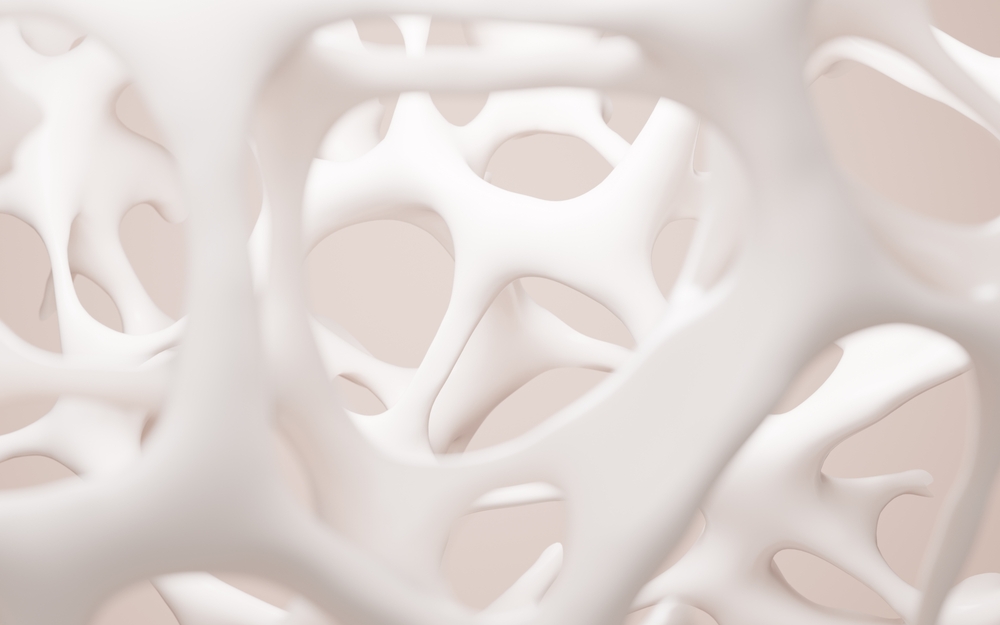
The human skeleton constantly undergoes a process of renewal. Old bone tissue breaks down while new tissue forms to maintain strength and structural integrity. Osteoblasts produce new bone, while another type of cell, called an osteoclast, breaks down existing bone tissue. Under healthy conditions, these processes remain balanced and allow the skeleton to repair itself throughout life.
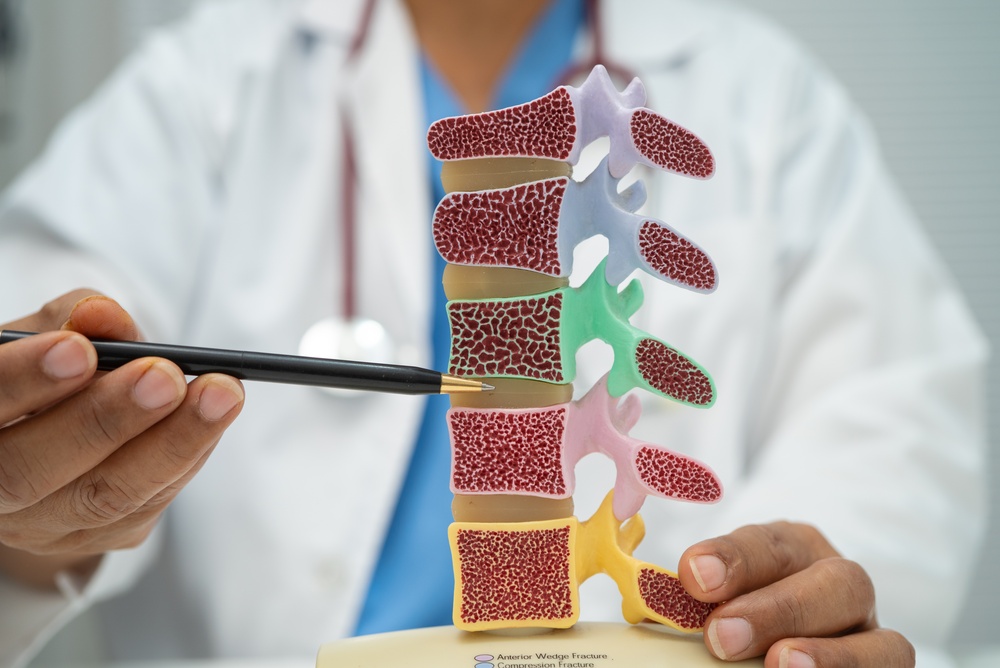
Osteoporosis develops when bone breakdown happens faster than new bone formation. As the condition progresses, bones become less dense and more fragile, increasing the likelihood of fractures. Older adults are particularly vulnerable, and fractures involving the hip, spine, and wrist can cause significant complications. Some patients experience persistent pain and reduced mobility, making everyday activities increasingly difficult.
Mesenchymal stem/stromal cells are interesting to researchers because they can develop into osteoblasts under suitable biological conditions. These cells naturally exist in bone marrow, the soft tissue found inside certain bones. Scientists have been investigating whether collecting MSCs, growing them in laboratories, and returning them to the body could help stimulate damaged tissue. The approach offers a potential way to use the body’s own biological material to support regeneration.
However, there is a major problem with this treatment strategy. Injected stem cells do not automatically travel to the part of the body where they are needed. Many MSCs become trapped in the lungs during their initial passage through the bloodstream, while relatively few may reach bone marrow. This delivery problem has limited the potential of several experimental stem cell therapies, prompting researchers to investigate ways of directing cells toward specific tissues.
Scientists Give Stem Cells A Biological Return Address
The Spanish research team attempted to overcome the delivery problem by modifying the outer surface of MSCs with a special sugar structure. The technique involves editing the cell’s glycocalyx, a layer of molecules surrounding its surface. This modification helps engineered cells interact with E-selectin, a protein found on certain blood vessel surfaces, including vessels associated with bone marrow.
The idea is to make the stem cells better equipped to recognize and attach to their intended destination. Researchers essentially give the cells a biological return address that could help guide them toward bone tissue. Earlier experiments involving mice showed that this sugar-based modification could improve the ability of MSCs to reach bone and support tissue generation. The human trial explored whether the technique could produce beneficial results in people with advanced osteoporosis.
Preparing the treatment involved several stages. Researchers first collected bone marrow from each participant to obtain MSCs, then expanded the cells under controlled laboratory conditions. They subsequently modified the cell surfaces using the special sugar structure before returning the engineered cells through an intravenous infusion. This allowed researchers to investigate whether a patient’s own modified cells could produce measurable improvements in bone health.
The targeting mechanism is particularly interesting because it addresses one of the biggest challenges in regenerative medicine. A cell may have the biological ability to repair damaged tissue, but that ability becomes less useful if it cannot reach the correct location. Improving how therapeutic cells interact with blood vessels could eventually have applications beyond osteoporosis, although each potential use would require its own clinical investigation.
Bone Biopsies Reveal Another Encouraging Development
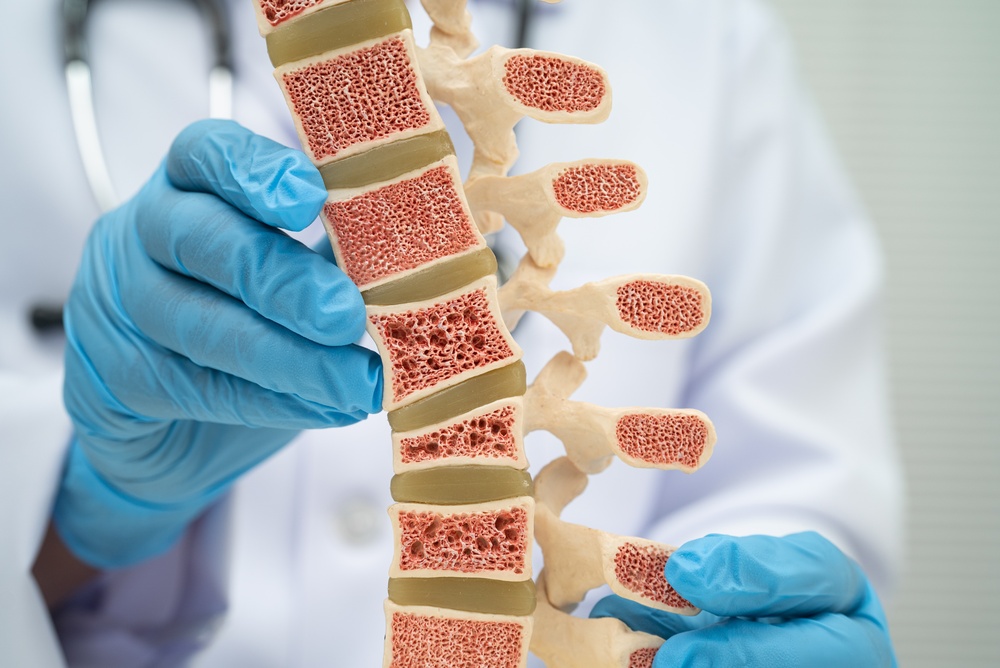
The reduction in fractures was not the only result researchers observed during the trial. Four months after the infusion, bone biopsies revealed an average increase of approximately 70% in the area occupied by bone tissue. This measurement suggested that the participants experienced changes in the structure of their bone tissue following treatment. Researchers also identified changes in biological markers associated with bone formation, which remained elevated for approximately six months after the infusion.
These observations have raised the possibility that engineered MSCs could eventually help the body rebuild some of the bone tissue lost through osteoporosis. Most existing treatments focus on slowing bone breakdown, stimulating bone formation, or improving the balance between these processes. A regenerative approach that helps restore damaged tissue would offer another direction for scientists investigating advanced bone disease.
Participants also reported improvements in pain and physical functioning during the two-year follow-up period. Their reported bone pain decreased by 34%, while disability scores fell by 30%. These changes suggest that the treatment may have been associated with improvements in daily functioning as well as fewer fractures. However, researchers will need further evidence to establish how much of these improvements can be attributed directly to the engineered cells.
There is an important distinction between observing increased bone tissue and proving that osteoporosis has been reversed. The trial did not directly track the engineered MSCs after they entered the participants’ bloodstreams. Researchers therefore cannot confirm how many cells reached bone marrow or how long they remained there. Although the biological measurements are encouraging, they do not yet establish the precise mechanism behind the improvements.
Independent Scientists Point Out Important Questions
The results have attracted attention from scientists outside the research team. Ajit Varki, a physician-scientist at the University of California San Diego who was not involved in the study, described the findings as “quite remarkable.” He also highlighted the substantial reduction in fractures and the reported absence of side effects during the monitored period. His comments reflect the unusual nature of the results, particularly given the advanced osteoporosis affecting the participants.
Physician Jan Schaefer has also discussed the research, describing it as a fascinating experiment while raising questions about how the engineered cells behave after infusion. Schaefer explained that MSCs are approximately 20 to 30 micrometers across, making them larger than some lung capillaries. He estimated that 50% to 80% can become lodged in the lungs during their first passage through circulation. This presents a significant obstacle for treatments that depend on cells reaching distant tissues.
Schaefer’s concerns also involve the possibility that relatively few cells actually reach bone marrow, even after modification. The human trial did not directly follow the infused cells, so researchers cannot yet confirm whether the sugar coating successfully directed them toward the intended tissue in participants. The improvements observed during follow-up are encouraging, but the exact biological explanation remains uncertain.
Another issue involves the study’s design. Only 10 women participated, and researchers did not include a separate control group. Most participants were also taking other osteoporosis medications, which makes it difficult to separate the effects of the experimental infusion from other factors. Although the research team argued that medication changes and lifestyle differences did not explain the fracture reduction, a controlled trial is needed to investigate this more thoroughly.
A Larger Trial Could Determine Whether The Treatment Works
Researchers at the University of Murcia in Spain are preparing a larger follow-up investigation involving patients with advanced osteoporosis. The planned study will compare three different approaches, allowing scientists to examine whether engineered stem cells provide benefits beyond those associated with existing care. This is an important next step because the original trial was too small to establish how reliably the treatment might work across different patients.
The follow-up research is expected to examine engineered MSCs collected from participants themselves, engineered MSCs obtained from healthy donors, and a comparison group receiving no MSC treatment. Comparing these approaches could help determine whether the source of the cells influences treatment outcomes. It could also provide stronger evidence about whether the engineered cells are responsible for the improvements observed in the initial group.
Researchers will also need to investigate the safety of the treatment over longer periods. The initial participants did not experience reported serious adverse events during the monitored follow-up, which is encouraging for an experimental therapy. However, a group of 10 patients cannot reveal every potential complication. Larger studies will be necessary to identify uncommon side effects and establish which patients might benefit most.
The research has also raised questions about whether similar cell-targeting techniques could be adapted for other medical conditions. Co-author Robert Sackstein has previously been involved in research investigating engineered MSCs for other diseases, including experiments involving diabetic mice. Those animal findings suggest that directing therapeutic cells toward specific tissues could have wider applications, although promising animal results do not guarantee successful human treatments.
What This Could Mean For People Living With Osteoporosis
Osteoporosis affects the strength and density of bones, leaving people vulnerable to injuries that might otherwise cause little damage. A fracture can have serious consequences for older adults, particularly when it affects the hip or spine. Recovery may involve prolonged rehabilitation, reduced independence, and an increased risk of further complications. Treatments that reduce fractures and preserve mobility therefore remain a major priority for researchers and healthcare professionals.
The possibility of using engineered stem cells to support bone regeneration offers an interesting direction for future research. If larger controlled trials confirm the initial findings, scientists may eventually have another option for patients with advanced osteoporosis. The ability to improve the delivery of regenerative cells could also influence how researchers approach other conditions involving damaged tissue.
For now, the treatment remains experimental and should not be considered a proven cure. People living with osteoporosis should continue following their prescribed treatment plans rather than replacing established care with unapproved stem cell procedures. The next clinical trials will determine whether the dramatic reduction in fractures can be reproduced and whether the improvements in bone tissue can be confirmed.
A sugar coating that helps repair cells find their destination could eventually change how scientists approach bone regeneration. The next challenge is proving that this promising laboratory strategy can deliver the same results in larger groups of patients.
Sources:
Pubmed.ncbi.nlm.nih.gov. (n.d.-g). https://pubmed.ncbi.nlm.nih.gov/42727576/
ClinicalTrials.gov. (n.d.). https://clinicaltrials.gov/study/NCT02566655?