
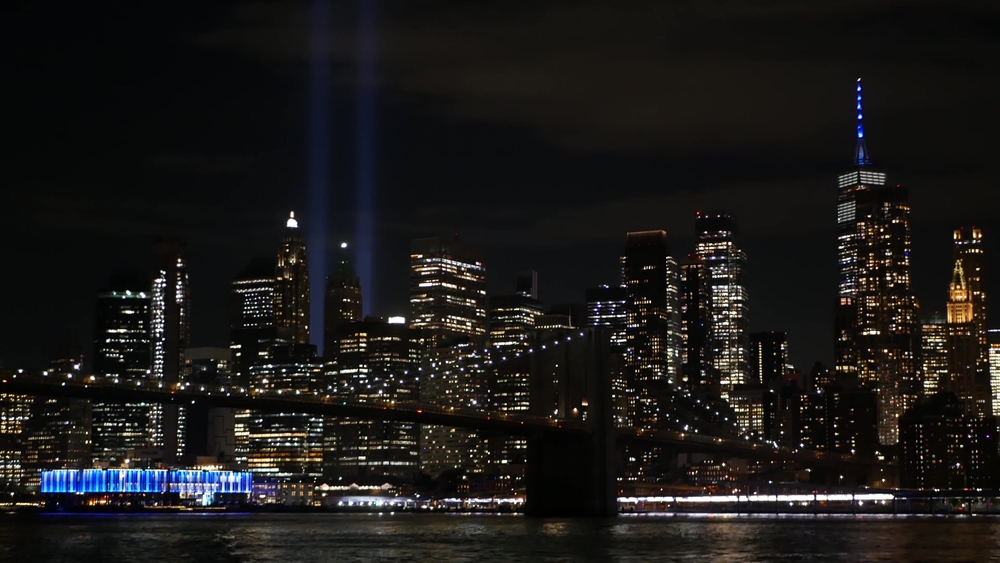
More than two decades after the September 11 attacks, thousands of documents concerning the disaster and its aftermath are finally becoming accessible to the public. New York City Mayor Zohran Kwame Mamdani has announced the release of another 84,000 records, expanding an archive that has already attracted more than 11 million unique visits since its launch in September 2026.
The latest release brings the collection to more than 440,000 pages, giving first responders, survivors and families additional access to information they have spent years trying to obtain. The documents concern the toxic air, debris and government decisions surrounding the recovery effort in Lower Manhattan. The growing archive also raises renewed attention to questions about what city officials knew about the potential health dangers and when that information became available.
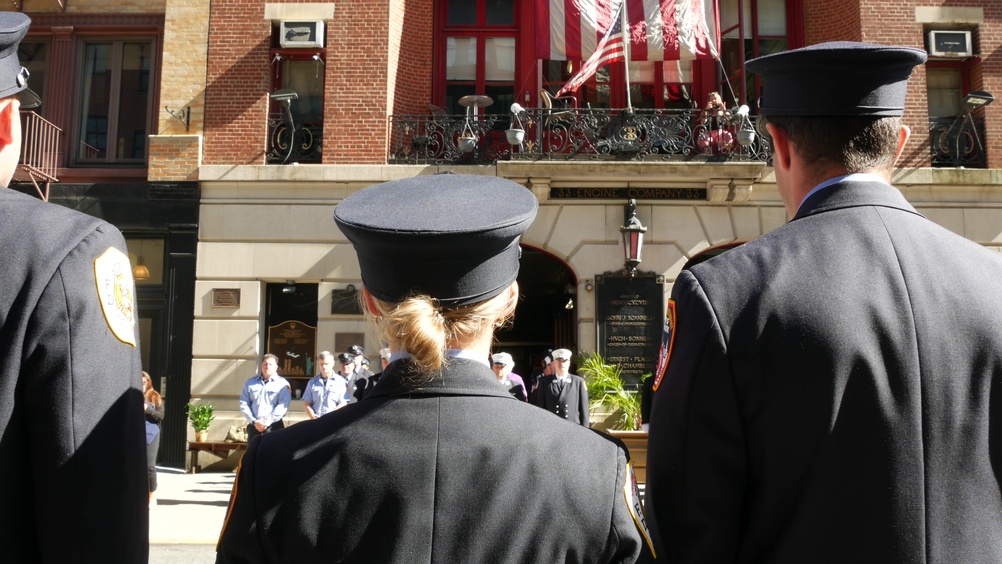
Mamdani Administration Makes Another 84,000 Records Public
The November 22 announcement marks the third major release of September 11-related records under the Mamdani administration. The New York City Law Department has added another 84,000 records to the city’s public portal, bringing the total collection beyond 440,000 pages. The announcement comes as the website passes 11 million unique visits, reflecting sustained interest in documents concerning one of the most consequential events in American history.
For years, first responders, elected officials and families affected by 9/11-related illnesses have sought access to municipal records documenting the conditions surrounding Ground Zero. Their requests have focused particularly on information about hazardous materials, air quality and the government’s response during the months following the attacks. Many of the documents remained difficult to obtain despite repeated efforts to secure them through public records requests and other legal channels.
Mayor Mamdani said the administration would continue publishing records until affected individuals and their families received the information they had been seeking. He stated, “More than 11 million visits and 440,000 pages later, our work is not finished.” His comments came alongside the latest installment, which forms part of a wider agreement between the city and the advocacy organization 9/11 Health Watch.
The administration has also allocated $34 million in its fiscal year 2027 budget to establish and maintain the records portal. The funding covers the infrastructure required to make the documents publicly accessible as additional material is reviewed and uploaded. City officials have confirmed that further releases are expected in the coming months, meaning the archive could continue expanding beyond its current size.
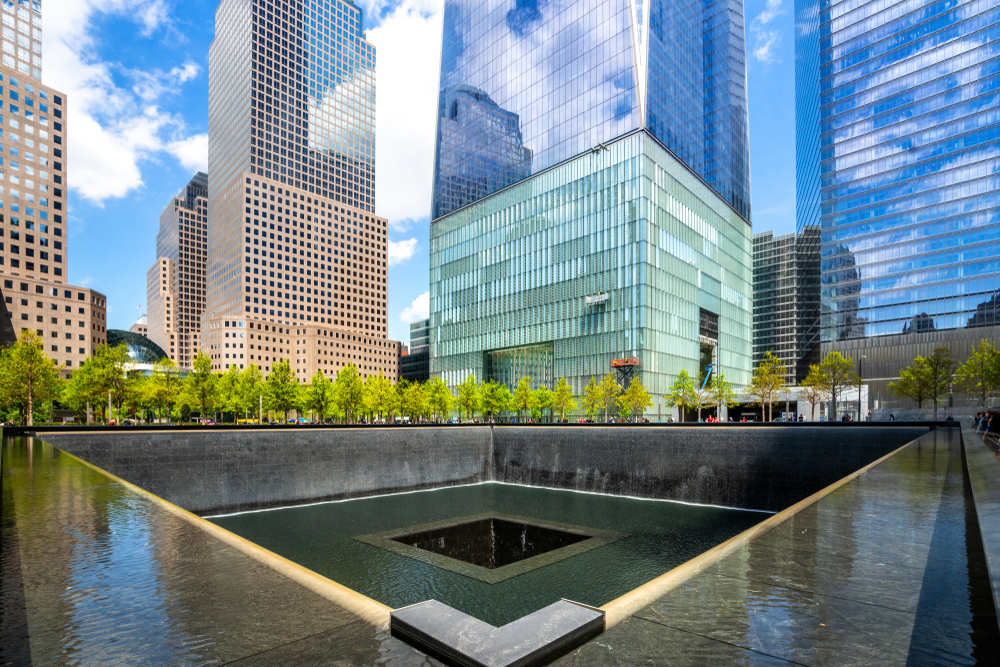
Why The 9/11 Records Have Taken So Long To Become Public
The demand for these records stretches back years and involves people who experienced the aftermath of the attacks firsthand. Thousands of emergency responders, cleanup workers and residents were exposed to hazardous conditions in Lower Manhattan following the destruction of the World Trade Center. The recovery operation involved extensive work around damaged buildings and debris, while concerns about airborne contaminants became a major issue for people living and working in the area.
Many affected individuals have wanted to establish what city agencies knew about the environmental dangers during that period. They have also sought information about when officials received warnings and how those warnings influenced decisions concerning workers and residents. These questions became particularly significant as illnesses associated with exposure after September 11 continued affecting survivors and first responders in the years that followed.
The records campaign eventually developed into a prolonged dispute involving Freedom of Information Law requests and legal proceedings. Advocates argued that important documents should have been available much earlier, allowing affected individuals to understand the government’s response and examine the information held by municipal agencies. The difficulty in locating certain materials also raised questions about how thoroughly departments had searched their archives.
The release of these documents could help people establish historical details about their exposure and the circumstances surrounding their work or presence in Lower Manhattan. Some records may also assist eligible individuals seeking support through federal programs connected to September 11. However, the publication of historical documents does not automatically establish eligibility for compensation or medical assistance, which depends on the requirements of the relevant programs.
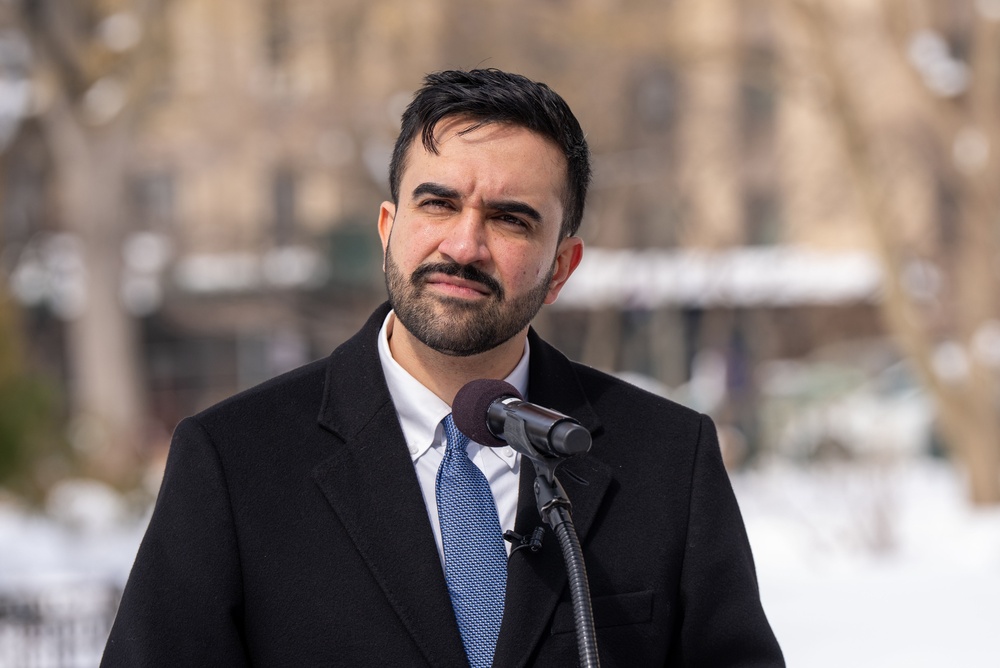
The Harding Memo And The Mysterious 68 Boxes
Two particularly significant parts of the records campaign involve the Harding Memo and a collection commonly known as the 68 Boxes. Both have attracted attention because of the questions they raise about the city’s knowledge of environmental conditions and its handling of information after the attacks. Their inclusion in the public portal gives researchers and affected families an opportunity to examine materials that were previously difficult to access.
The Harding Memo became an important document in the wider dispute over what officials knew about potential health and legal consequences. The October 2001 memorandum has been discussed in connection with concerns about exposure-related claims against the city. Its appearance in the public archive allows interested individuals to examine the original material rather than relying entirely on descriptions of its contents. For families seeking answers, access to such documents offers another opportunity to understand how municipal officials approached the aftermath.
The 68 Boxes represent another major development in the disclosure effort. The collection consists of records associated with New York City’s Department of Environmental Protection and was not located until 2025, despite multiple previous records requests. According to the city’s September announcement, the materials were among the documents that had remained unavailable to the public for years. Their discovery became an important part of the legal and administrative effort to make the records accessible.
The significance of these materials extends beyond their physical volume. They could help establish how different departments communicated, what information was collected and how environmental concerns were handled. Their publication also provides an opportunity for independent examination by researchers, journalists and families. However, the precise implications of individual documents depend on their contents and the circumstances surrounding their creation.

A Legal Agreement Helped Bring The Records Into Public View
The public portal emerged after a prolonged legal dispute between New York City and 9/11 Health Watch. The organization had spent years pursuing documents concerning air quality, hazardous materials and municipal decisions following September 11. Its efforts included public records requests and legal action challenging the city’s handling of the requested information. The dispute eventually produced an agreement that established a framework for releasing the documents.
In September 2026, the Mamdani administration announced the settlement of two lawsuits brought by 9/11 Health Watch. The agreement allowed the city to establish a dedicated online archive and begin publishing records that had previously been difficult to obtain. The initial release included approximately 170,000 pages, covering environmental concerns, health-related information and the government’s response to the attacks.
The agreement also established a continuing process for reviewing additional records and making them available. City officials worked with the advocacy organization to identify relevant materials, while the publication process included provisions for protecting personally identifiable information. The arrangement created a structured route for releasing further documents rather than requiring affected families to pursue every individual request separately.
New York City Corporation Counsel Steven Banks described the latest installment as another step toward fulfilling the city’s commitment to transparency. He said, “We are actively dismantling decades of municipal bureaucracy and delay to make these records publicly available.” His statement reflects the administration’s position that the release process will continue as the remaining records are identified and reviewed.
How The City’s 9/11 Records Portal Has Expanded
The archive has grown through three major installments since its launch, with each release adding thousands of pages to the collection. The initial publication in September provided access to approximately 170,000 pages, including the Harding Memo and the materials known as the 68 Boxes. The city subsequently added another 40,000 records in October before announcing the latest 84,000-record installment in November.
The expansion has brought the archive beyond 440,000 pages, while its reported traffic has exceeded 11 million unique visits. The city has made the materials available through a dedicated website, allowing members of the public to examine records without submitting individual requests for every document. The portal is intended to remain a central resource as additional records become available.
The major milestones in the release process include:
- September 8, 2026: The city launched its first public September 11 records portal, publishing approximately 170,000 pages.
- October 21, 2026: A second installment added 40,000 additional records, taking the available collection beyond 200,000 pages.
- November 22, 2026: The third installment added another 84,000 records, bringing the total beyond 440,000 pages.
- November 2026: The portal surpassed 11 million unique visits, according to the administration’s announcement.
The city has also committed $34 million through its fiscal year 2027 budget to create and maintain the archive. That funding is intended to support the continued publication of records and the operation of the online resource. With more documents expected in the coming months, the existing collection represents only the material made available so far under the ongoing disclosure process.
City Leaders Say Survivors And Families Deserve Answers
The latest announcement prompted comments from several New York City officials who emphasized the continuing consequences of the September 11 attacks. City Council Speaker Julie Menin said that tens of thousands of New Yorkers had suffered serious illnesses linked to the toxic conditions in Lower Manhattan. She also highlighted the families who had lost loved ones and continued seeking information about the dangers faced by people working in the affected area.
Menin said, “While nothing can undo that suffering or bring back those we have lost, we owe survivors, first responders, and their families the truth about the dangers they faced.” Her statement focused on the importance of making historical information available to people who experienced the aftermath of the attacks. She also acknowledged the work of advocates who have spent years pressing for greater access to government records.
Manhattan Borough President Brad Hoylman-Sigal raised a central question behind the disclosure campaign: when did City Hall learn that the air around Ground Zero could make people sick? His comments reflected the continuing interest in understanding what information officials possessed during the recovery period. He thanked the administration and the people who had continued demanding access to the documents over the past 25 years.
The statements from city leaders show that the records campaign remains closely connected to the experiences of survivors and families. Although the portal has made hundreds of thousands of pages accessible, the publication process does not mean every historical question has been resolved. The documents will need to be examined individually to establish what they reveal about specific decisions and the information available to officials at the time.
More Records Are Expected In The Coming Months
The November release is another installment under the agreement between 9/11 Health Watch and the Mamdani administration. City officials have confirmed that additional records will become publicly available in the coming months as the review process continues. This means survivors, families and researchers will have further opportunities to examine material connected to the attacks and their aftermath.
The remaining work involves identifying relevant documents, reviewing their contents and preparing them for publication. Some records may contain personal information that requires protection before public release. The city has previously said that personally identifiable information would be among the limited categories of material subject to redaction. This process is intended to balance public access with the protection of individuals whose information appears in municipal files.
The portal also provides a resource for people seeking information that may support applications for federal assistance. The World Trade Center Health Program provides medical monitoring and treatment for eligible individuals with certified conditions connected to the attacks. The September 11th Victim Compensation Fund offers compensation to eligible people who suffered physical harm or to families of those who died as a result of the attacks and their aftermath. Access to city records may help some applicants document relevant historical details.
For the families and first responders who have spent years requesting these documents, the next releases will be closely watched. The archive has already grown beyond 440,000 pages, but the city has not suggested that every question surrounding its post-9/11 response has been answered. As additional material becomes available, the public will have more evidence to examine and a clearer opportunity to understand the decisions made during one of New York City’s most difficult periods.
The next test for the administration will be whether it continues publishing the remaining records according to the agreement. For those who have waited 25 years, each new release brings another opportunity to find answers in the documents that were once out of reach.