
Your cart is currently empty!
A Baby Elephant Was Left Lifeless on a Road. Then a Rescuer Started CPR
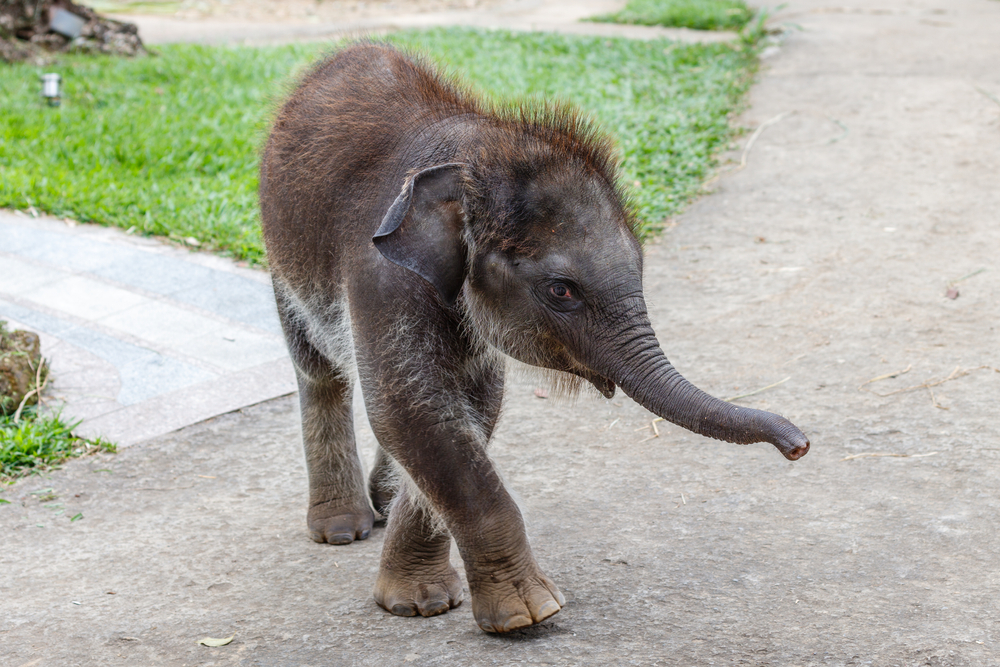
For 26 years, Mana Srivate had rushed toward some of the worst moments imaginable. He had performed CPR on people pulled from serious road crashes, working over and over without ever seeing one of those attempts end with a pulse returning. Then, one December night, he found himself kneeling beside a patient unlike anything he had treated before. The patient was a baby elephant, lying motionless after being struck by a motorcycle on a dark road in Thailand.
Contents
show
Srivate was off duty when he was called to the crash in Chanthaburi province on December 20, 2020. The motorcycle rider was injured, while the other casualty was lying in the roadway and appeared lifeless. With the elephant’s herd calling from nearby and no specialized elephant resuscitation equipment available, Srivate had to rely on decades of emergency experience and a rough idea of where the animal’s heart was located.
A rescue worker in Thailand has saved the life of a baby elephant, who was hit by a motorbike, by giving it CPR.
— AJ+ (@ajplus) December 22, 2020
Mana Srivate resuscitated the elephant after it was struck while trying to cross the road with its herd.
It was later reunited with its mother. 🐘 pic.twitter.com/cvgQCCvn3i
The Crash Left A Baby Elephant Motionless
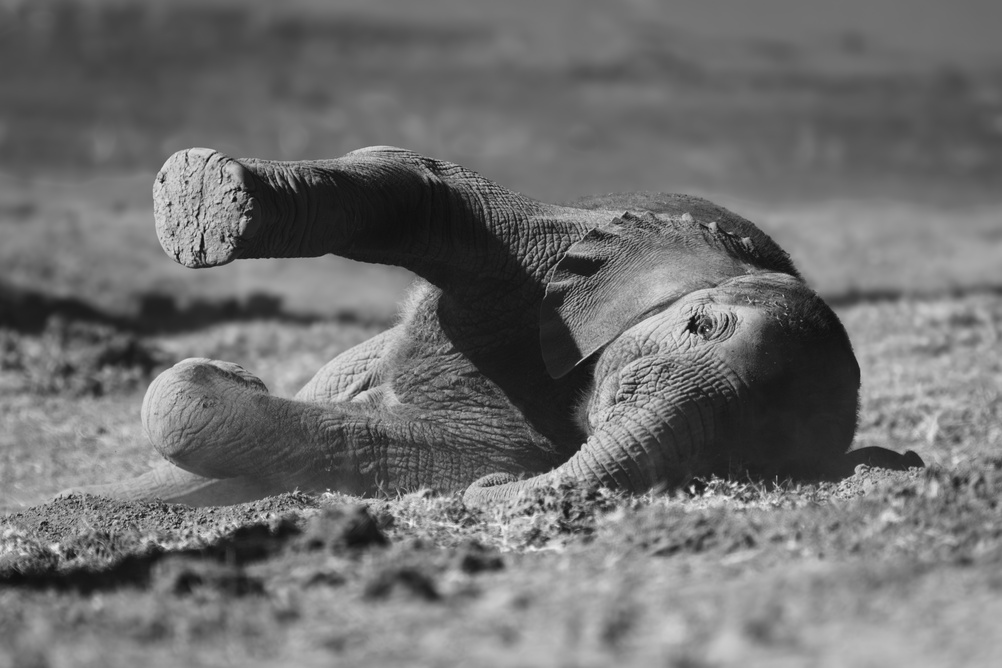
The calf had been crossing the road with a group of wild elephants when the motorcycle hit it. The impact sent the young animal onto its side, leaving it motionless in the roadway. The motorcycle rider was also hurt, although the injuries were not considered severe, and other rescuers turned their attention toward getting him help.
That left Srivate facing the second casualty. The elephant was small enough for him to reach across its chest, but the situation was anything but routine. His entire career had involved treating human patients, so he had no standard procedure specifically designed for the animal lying in front of him.
The rest of the herd had not simply disappeared after the collision. The elephants remained close enough for Srivate to hear them calling in the darkness. Their presence created another danger because a frightened adult elephant could become aggressive while trying to protect an injured calf.
Srivate nevertheless moved toward the animal and began assessing what he could do. There was no time to wait for a perfect set of instructions because the calf was already lying unconscious beside the road.
Thai rescue worker Mana Srivate saved a baby elephant hit by a motorbike in Chanthaburi, Thailand, on Dec 20, 2020. Mana, a rescue worker for 26 years, performed CPR on the elephant, using his knowledge of human CPR
— UberFacts (@UberFacts) July 10, 2023
After about 10 minutes of two-handed compressions, the elephant… pic.twitter.com/TFgwQNOruX
He Had Never Successfully Revived A Patient
Srivate had spent 26 years responding to road accidents before this night. During that time, he had attempted CPR dozens of times on people involved in crashes, but none of those efforts had ended with a patient being revived under his hands.
That made the elephant rescue an especially strange turning point in his career. Everything he had learned about CPR was based on human anatomy, including where the heart sits inside the chest and how compressions are performed. Now he needed to translate that knowledge to an animal with a completely different body.
He did have one unusual reference point. Srivate had previously seen a video showing CPR being performed on an elephant, giving him a rough idea of where the animal’s heart might be positioned. It was hardly the kind of preparation normally expected for emergency treatment, but it was the information available to him.
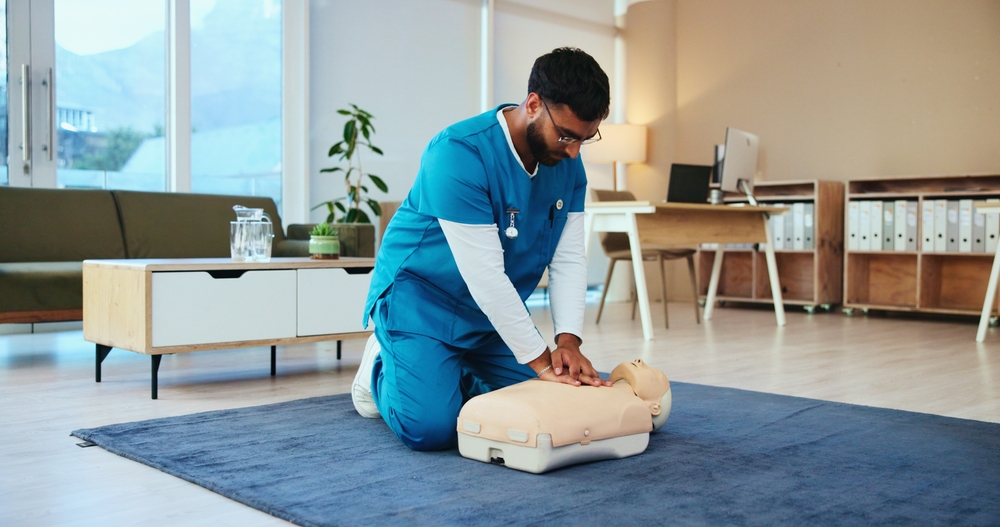
“I assumed where an elephant heart would be located based on human theory and a video clip I saw online,” Srivate said. With that estimate and his years of emergency experience, he placed both hands on the calf’s chest and began compressions.
Ten Minutes Of CPR Changed The Outcome
Srivate continued the chest compressions for roughly ten minutes. He used the same fundamental movement he had performed on human patients for years, adapting the technique to the calf’s body and trying to generate enough pressure to restart circulation.
All the while, the herd remained nearby. The calls of the adult elephants could be heard while Srivate worked, adding another layer of pressure to an already frightening scene. He knew the calf’s mother was somewhere nearby, but he also knew that approaching an elephant herd carried its own risks.
“It’s my instinct to save lives, but I was worried the whole time because I can hear the mother and other elephants calling for the baby,” he said. Srivate continued despite the uncertainty because the calf still had a chance if its heart could be restarted.
Then the animal began to respond. After roughly ten minutes of compressions, the calf started moving beneath his hands, giving Srivate the first sign that his desperate attempt might actually be working.
“When the baby elephant starting to move, I almost cried,” he said. The calf eventually managed to pull its legs underneath its body and stand, turning a seemingly hopeless roadside scene into an extraordinary rescue.
Why The Calf Could Respond To CPR
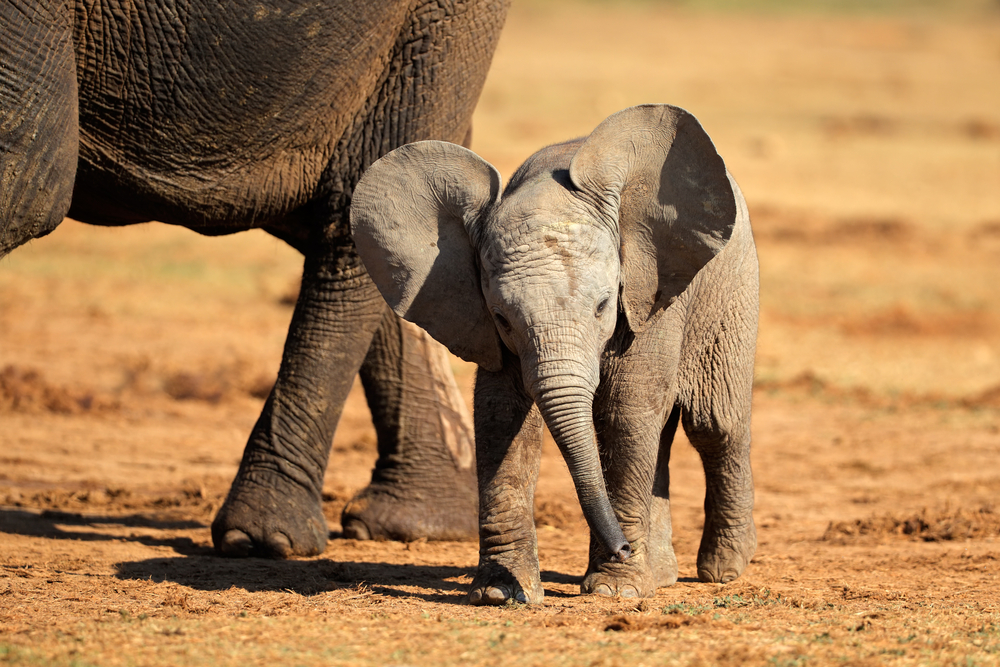
The size of the calf was one factor that made the rescue possible. An elephant’s heart is relatively small compared with its enormous body, and a young calf’s chest can be reached and compressed by a person using both hands.
Animal CPR is not identical to human CPR. The correct technique can vary according to the animal’s size, anatomy and condition, which means that a method used on a small calf would not necessarily work on a much larger elephant.
Research involving other large animals has also shown how dramatically resuscitation techniques can change as body size increases. For very large animals, rescuers may need to use their body weight differently to generate sufficient pressure against the chest.
Several factors can affect whether an animal survives cardiac arrest:
- Cause of the collapse: A healthy animal struck moments earlier can have different prospects from one whose heart stopped because of an underlying illness.
- Size of the animal: Larger animals require different approaches to positioning and chest compressions.
- Speed of treatment: Immediate action can be critical when an animal is not breathing or circulating blood effectively.
- Placement of compressions: Pressure has to be applied where it can influence the heart and circulation.
The calf had been healthy before the collision and had been struck only moments earlier. That did not guarantee survival, but it gave Srivate a reason to continue working when there was still a possibility of recovery.
The Calf Was Taken Back To Its Family
After the roadside rescue, the baby elephant was taken away for further treatment. The immediate emergency had passed, but another problem remained. The calf needed to be reunited with the herd that had been calling for it from the forest.
The animal was later driven back to the same stretch of road where the collision had happened. By that point, the elephants had moved away from the immediate roadside area and were no longer gathered around the location where the calf had been injured.
Then the calf called out. Its mother heard the sound and returned, followed by the rest of the group, allowing the young elephant to rejoin its family after surviving the collision.
The reunion meant that both casualties from the crash ultimately came through the night. The motorcycle rider recovered, while the calf was able to walk back into the forest with its herd.
Video of Srivate performing the chest compressions later circulated online, showing the unusual rescue that had taken place on the roadside. What began as a nighttime crash became a story that would eventually be seen far beyond Chanthaburi.
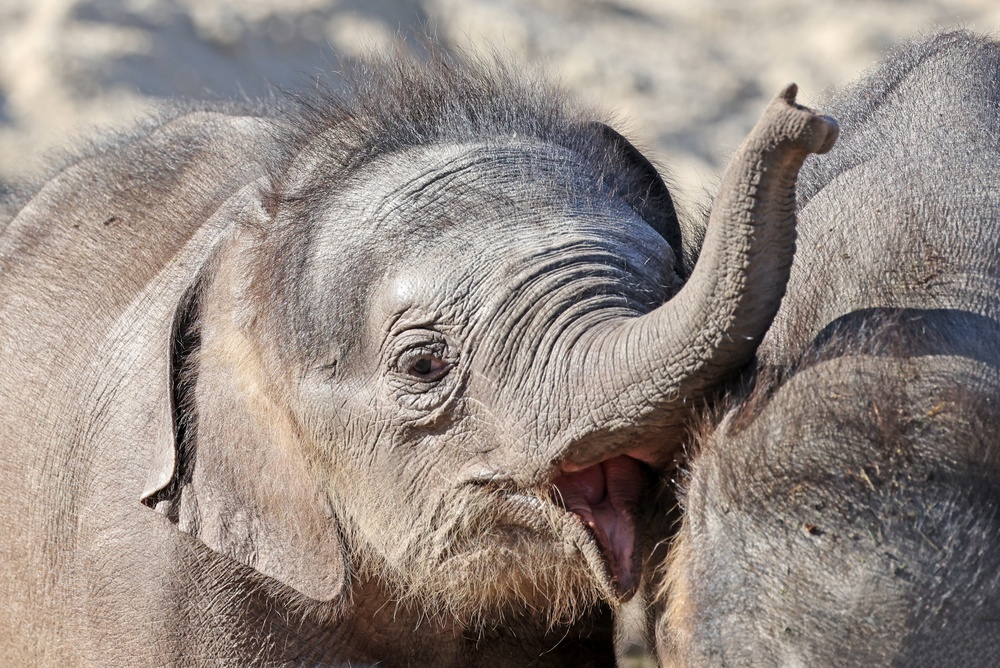
Chanthaburi Faces Frequent Elephant Encounters
The location of the crash adds another layer to what happened. Chanthaburi sits within Thailand’s Eastern Forest Complex, where the wild elephant population has increased significantly over recent decades.
That population growth has also meant more encounters between elephants and people. Wild elephants increasingly move through areas containing roads, farms and villages, creating situations where animals and vehicles can suddenly occupy the same space.
According to figures cited in the supplied reporting, Thailand recorded more than 13,000 incidents involving wild elephants outside protected areas during the 2023 fiscal year. Those incidents were associated with 21 deaths and 29 injuries, while eastern provinces accounted for more than 5,200 of the reported incursions.
Taan Wannagul, coordinator of the Eastern Elephants Education Center, described the conservation challenge as a shift toward conflict created by a growing wild elephant population. “The major challenge to wild elephant conservation efforts is no longer a drop in population, but overpopulation, leading to a rise in human-elephant conflicts,” Wannagul said.
More Elephants Mean More Risk On The Roads
The broader numbers help explain why a collision like this can happen. As wild elephants occupy larger areas and move beyond protected forests, roads can become part of the landscape they cross while searching for food, water or safe routes.
A decade-long survey of human-elephant conflict across 34 Thai provinces found that Chanthaburi recorded more incidents than any other province in the country. That makes the calf’s collision part of a wider pattern rather than an isolated encounter.
For drivers, an elephant appearing on a dark road can create an emergency within seconds. For a herd, a vehicle approaching a calf can trigger panic and defensive behavior, potentially putting people and multiple elephants at risk.
Srivate’s rescue solved the immediate crisis for one young animal. Preventing similar crashes requires addressing the conditions that bring vehicles and wild elephants into the same places, particularly in regions where elephant populations are expanding.
The Rescue Changed A 26-Year Record
For more than two decades, Srivate had performed one of the most difficult jobs in emergency response. He arrived after road crashes, treated injured people and attempted to restart hearts when there was still a chance of saving a life.
None of those previous CPR attempts had resulted in a patient being revived. Then, while off duty, he encountered a wild animal whose anatomy he did not know and whose heart he could only estimate.
He nevertheless began compressions and continued for around ten minutes. The calf eventually moved, stood up and was later reunited with its mother after receiving additional care.
The strange twist in Srivate’s career is difficult to miss. After 26 years of trying to bring human patients back from the edge of death, the first life he successfully restarted with his own hands belonged to a baby elephant.
And after all that time on the road, the sound that confirmed his rescue was not a human voice. It was a calf calling for its mother, followed by the herd coming back through the trees.
Sources:
- VOA Learning English. (2020, December 26). Thai rescue worker saves baby elephant hit by vehicle. Voice of America. https://learningenglish.voanews.com/a/baby-elephant-hit-by-vehicle-survives-with-cpr/5709132.html
- Elliott, J. K. (2020, December 22). Thai man uses CPR to save baby elephant struck by motorbike. Global News. https://globalnews.ca/news/7537045/baby-elephant-thailand-cpr