
Your cart is currently empty!
A Mother Orca’s Unimaginable Journey Of Love And Loss
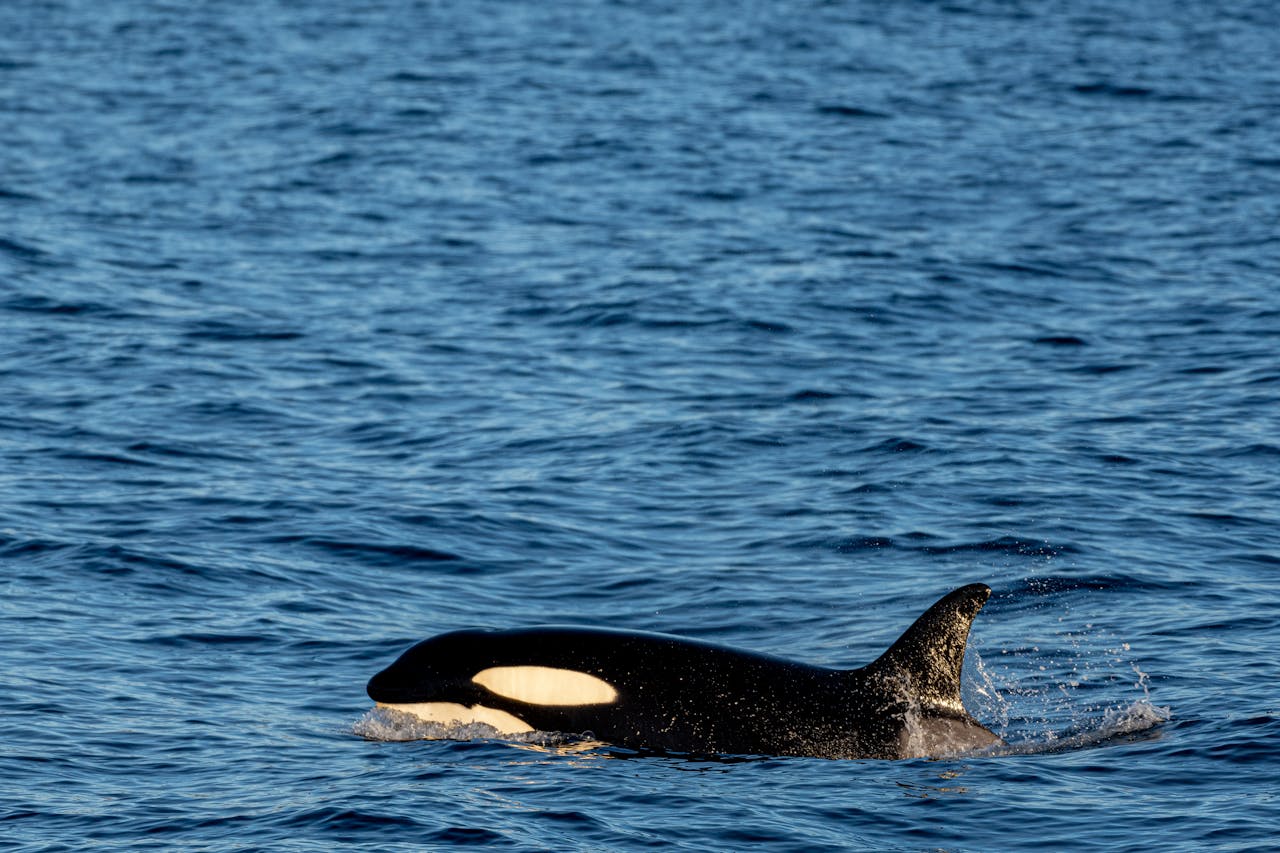
In the cold waters of the Pacific Northwest, a mother orca named Tahlequah revealed to the world the depth of a mother’s love. In 2018, she carried her lifeless calf for 17 days across more than a thousand miles of ocean, refusing to let her baby drift away. Her story became a symbol of endurance, heartbreak, and the emotional complexity that binds life beneath the waves.
Contents
show
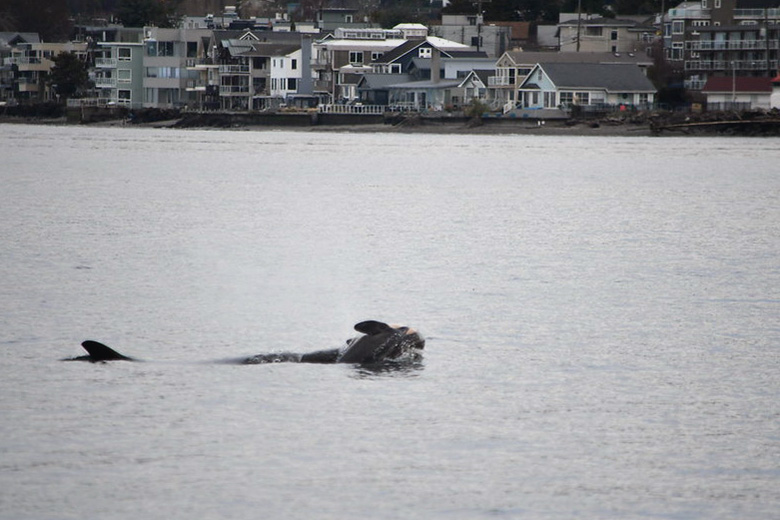
Tahlequah belonged to the endangered Southern Resident orca population, whose numbers have steadily declined. When her newborn calf died shortly after birth, she lifted it gently to the surface and began a journey that would touch millions of hearts. According to National Geographic, witnesses watched as she balanced the calf on her head, diving deep and returning again and again. Her act of devotion was a striking display of maternal instinct and emotional awareness.
Observers across the world followed her with a mixture of sorrow and awe. Scientists and conservationists tracked her every move, documenting what became known as her “tour of grief.” Her pod swam beside her, sometimes helping her lift the calf, as if to share the burden. It was not only the story of one whale but a reminder of the empathy and bonds that exist across species.
When she finally released the calf into the depths, it was as though the entire ocean paused with her. The world had witnessed something both painful and sacred, a mother saying goodbye.
Understanding The Depth Of Orca Emotion
The story of Tahlequah forced researchers to rethink what animals feel. Orcas possess some of the largest and most intricate brains among marine mammals. According to World Animal Protection, their limbic system, the part that processes emotion, is highly developed, suggesting that orcas experience feelings such as love and grief in a way that parallels human emotion.
Scientists have documented other cetaceans displaying similar mourning behavior. Dolphins, pilot whales, and sperm whales have been observed carrying deceased calves for days. These acts go beyond instinct and reveal emotional attachment and social depth. Tahlequah’s heartbreaking journey reflected not only loss but also the persistence of love.
The sight of her carrying her calf resonated with people because it mirrored human grief. Researchers now consider such actions evidence of consciousness and empathy among marine species. Her behavior blurred the line between human and animal experience, transforming how we view life beneath the surface.
Experts also noted the environmental stress these orcas face. Pollution, food scarcity, and underwater noise all take a toll. Tahlequah’s pain may have been amplified by the growing fragility of her world, where survival itself is increasingly uncertain.
This deeper understanding of orca emotion encourages people to appreciate the ocean as a living system filled with creatures capable of feeling and connection. It reminds us that every ripple, every current, and every being in the sea plays a role in maintaining the emotional and ecological balance of our planet.
The Second Tragedy And The Strength To Continue
Years after her first loss, Tahlequah’s story took another heartbreaking turn. Reports revealed that she suffered a second tragedy when another calf died shortly after birth. Once again, she was seen carrying the lifeless body for more than 11 days, repeating the ritual that had defined her past. It was a haunting echo of her earlier grief, yet it showed extraordinary emotional resilience.
Researchers and onlookers followed her with hope that this time might end differently. Her determination embodied both pain and perseverance, capturing the fragility of life in a changing ocean. For those who remembered her earlier ordeal, the repetition was devastating. Yet through her suffering, Tahlequah reminded the world that empathy is not exclusive to humans.
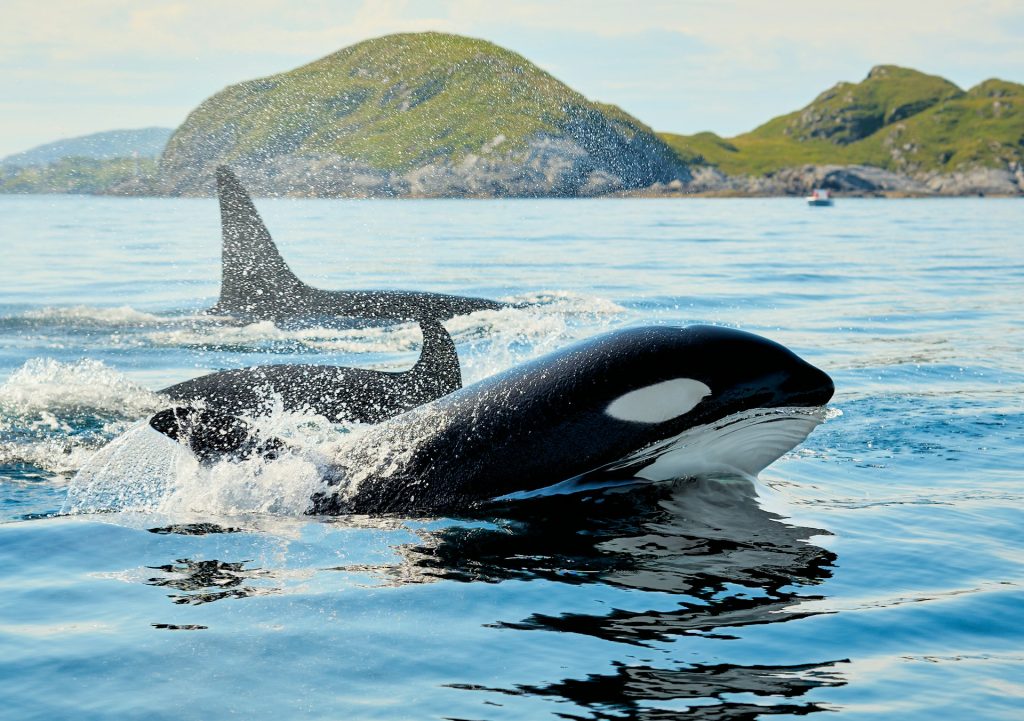
Her tragedy became a mirror reflecting the vulnerability of an entire species. The Southern Resident orcas continue to struggle against dwindling salmon stocks, increasing ocean noise, and pollution. Her story moved beyond loss and became a call for understanding and action.
In her second act of mourning, Tahlequah became a living symbol of strength. Her persistence reflected not only personal devotion but also the shared endurance of her species, facing every hardship with quiet grace and unity. Through her, we saw courage in its purest form, the strength to keep moving forward even through pain.

Image Credit: NOAA Fisheries
What Tahlequah Taught The World
Tahlequah’s journey was more than a display of maternal instinct. It became a reflection on the interconnectedness of all life. Her grief stirred a collective empathy that reached across borders and cultures, reminding humanity that love, sorrow, and resilience are universal experiences shared by all beings.
Her ordeal also shed light on the human role in shaping marine environments. Overfishing, industrial pollution, and boat traffic have made it harder for orcas to find food and communicate. Every loss within her pod carried with it the consequences of human neglect. Her story awakened conversations about accountability and compassion.
Social media amplified her message, transforming sorrow into action. Thousands of people shared images and updates, expressing solidarity with the grieving mother. Conservationists and ordinary citizens alike began speaking out about the need to protect marine life and preserve the delicate balance of the ocean.
The lesson Tahlequah offered was profound: emotional connection is not bound by species. Her grief challenged humanity to look inward and see the shared threads that unite all living beings.
Her story continues to shape discussions about empathy and the natural world. By recognizing her actions as meaningful, people are learning to value emotion and intelligence across all forms of life, deepening our relationship with the creatures we share this planet with.
Renewed Efforts For The Future Of Orcas
Tahlequah’s act of devotion inspired renewed energy in marine conservation efforts. Scientists and advocates pushed harder for restoration of salmon populations, the primary food source of the Southern Residents. Organizations like World Animal Protection called for tighter regulations on shipping routes and noise pollution to give orcas a better chance at survival.
Communities along the Pacific coast began organizing educational programs and research projects to protect and monitor local whale populations. People who once admired orcas from afar started to view them as partners in a shared ecosystem. Her story ignited a sense of stewardship and responsibility among those who depend on the ocean’s health.
This shift in perception may prove to be her greatest legacy. By witnessing Tahlequah’s grief, humanity rediscovered its capacity for compassion. Her endurance reminded us that understanding and empathy can be catalysts for real environmental change.
Tahlequah’s story endures as a testament to life’s strength in the face of loss. It calls on us to honor the bond between species and to ensure that the next generation of orcas can thrive in peaceful seas.
A Lasting Message From The Deep
The image of Tahlequah carrying her calf through the cold Pacific waters will forever echo in human memory. Her journey revealed that emotion, love, and sorrow are not confined to humankind but are woven into the very fabric of life. Through her, we learned that compassion can flow as deeply as the sea itself.
Her act was not merely one of mourning but one of hope. It urged people to care, to protect, and to understand that even the smallest actions can ripple outward into profound change. As long as her story is told, it will continue to remind us of the enduring connection between all creatures that share this planet.
Her legacy is one of love and awareness. Tahlequah’s actions opened a new chapter in our understanding of marine life, urging us to see the ocean not as a separate world but as part of our own story. She remains a silent teacher in the waves, guiding humanity toward a gentler relationship with nature.