
Your cart is currently empty!
A Pit Bull Wanted To See His Friend, So He Rang Her Doorbell At 4 In The Morning

At four o’clock in the morning, most neighborhoods are quiet in a way that feels almost unreal. Streets are empty, porch lights cast soft halos on sidewalks, and the day feels suspended between night and morning. That is why the sound of a doorbell ringing at that hour can instantly trigger concern or confusion. It is not a time when visitors are expected, and certainly not a time when anything lighthearted usually unfolds. Yet on this particular morning, that sound marked the beginning of a story that would resonate with millions of people far beyond one quiet neighborhood.
Contents
show
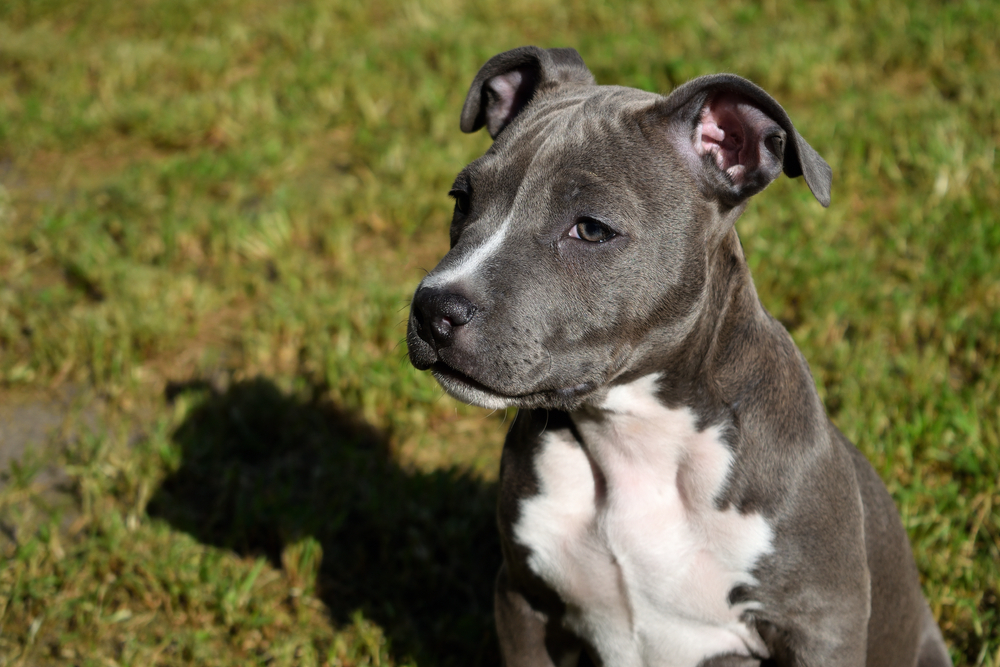
When the homeowner checked her doorbell camera, what she saw completely shifted the tone of the moment. Standing patiently on her porch was a pit bull, calm and composed, tail gently wagging. He was not barking or acting frantic. He simply looked toward the door as if he understood exactly what the doorbell was for. After a short pause, he lifted his paw and pressed it again, waiting politely for a response. The reason for his early morning visit was simple. He wanted to play with his neighbor. That small, thoughtful act quickly spread online, not just because it was cute, but because it quietly challenged long standing assumptions about pit bull type dogs.
A Quiet Act That Spoke Loudly Online
The video of the dog on the porch quickly made its way across social media platforms, where viewers replayed the moment again and again. There was no chaos in the clip, no fear driven behavior, and no sign of aggression. Instead, people saw patience, social awareness, and a sense of familiarity that suggested trust had already been built between the dog and the human on the other side of the door.
What made the moment stand out was its intentional nature. The dog did not scratch the door, jump on it, or bark repeatedly to get attention. He used a learned behavior that is typically associated with humans. That alone sparked conversations about canine intelligence and emotional awareness, particularly when it comes to breeds that are often portrayed as unpredictable.
As comments poured in, many viewers admitted the video forced them to rethink what they believed about pit bulls. Some shared their own experiences with gentle, affectionate dogs of the same breed type. Others acknowledged that they had been influenced by fear based headlines rather than real life interactions. The video became more than a viral clip. It became a mirror reflecting how deeply stereotypes can shape perception.

Myth One: “Pit Bulls Are Naturally Aggressive”
One of the most common claims surrounding pit bull type dogs is that aggression is inherent to the breed. This idea has been repeated for years, often without evidence, until it feels accepted as fact. However, modern research continues to challenge that belief.
A 2022 study from the National Canine Research Council found that a dog’s breed cannot predict aggressive behavior. Instead, aggression is influenced by factors such as environment, health, training methods, and socialization. The research emphasizes that dogs are individuals, each shaped by their own experiences and interactions with the world around them.
The calm demeanor displayed by the dog ringing the doorbell aligns with these findings. His behavior was not driven by fear or dominance. It reflected confidence, familiarity, and positive reinforcement. The moment served as a real world example of what the research has been saying for years, that behavior is learned and shaped, not pre programmed by breed.

Myth Two: “Pit Bulls Are Only Good for Fighting”
Another deeply rooted myth suggests that pit bull type dogs exist solely as products of a violent past. While it is true that some were historically bred for bull baiting and later dog fighting, that history does not define who these dogs are today.
In modern society, pit bull type dogs serve in a wide range of roles. They work as therapy dogs in hospitals and schools, service dogs assisting people with disabilities, and loyal companions in family homes. Their strength, intelligence, and eagerness to please make them adaptable to many positive roles when given proper training and care.
History also shows that these dogs were once referred to as “Nanny Dogs” because of their reputation for being patient and gentle with children. The doorbell moment fits within this broader context. It showed a dog using restraint and learned behavior rather than force, reinforcing the idea that past misuse by humans does not define the dog’s character.

Myth Three: “Pit Bulls Have Locking Jaws”
The claim that pit bull type dogs have jaws that lock is one of the most persistent and misleading myths. Despite being widely circulated, it has no scientific basis.
Veterinary science has shown that all dog breeds share similar jaw structures. There is no anatomical mechanism that allows a pit bull to lock its jaw. This myth has largely survived because it feeds fear and simplifies complex issues around dog bites and public safety.
Understanding dog body language and stress signals is far more effective in preventing incidents than focusing on breed myths. The dog on the porch displayed relaxed posture and calm intent, offering a visual reminder that fear driven narratives often collapse when faced with observable behavior.

Myth Four: “Pit Bulls Can’t Be Trusted Around Children”
Concerns about pit bulls and children are often raised without considering broader data. According to the American Veterinary Medical Association, “controlled studies have not identified this breed group as disproportionately dangerous.” This statement directly challenges the assumption that pit bull type dogs pose a unique risk to kids.
Like all dogs, their behavior around children depends on individual temperament, past experiences, training, and supervision. Responsible ownership and education for both adults and children play a critical role in safe interactions.
The patience shown by the doorbell ringing dog highlights an important trait, impulse control. This quality is essential for any dog living in a family environment and is not limited to any single breed.

Myth Five: “Pit Bulls Are Dangerous to Other Animals”
Aggression toward other animals is often wrongly framed as a pit bull specific issue. In reality, dogs of all breeds have varying levels of compatibility with other animals, much like humans have different social preferences.
Early socialization, slow introductions, and proper supervision are key factors in successful multi pet households. Shelters regularly report that many pit bull adopters already have other pets and go on to build peaceful, stable homes.
The idea that one breed is inherently dangerous to others ignores the role of training, environment, and responsible ownership. It also overlooks countless examples of pit bull type dogs living harmoniously with other animals.
The Shelter Reality Behind the Viral Moment
While the video brought smiles to millions, shelters across the country face a more sobering reality. Pit bull type dogs make up a significant portion of shelter populations and are often overlooked due to stigma rather than behavior.
Because of these misconceptions, they are adopted at slower rates and face a higher risk of euthanasia. LifeLine Animal Project addressed these issues in a widely shared 2017 video that focused on facts versus myths, helping educate the public about why these dogs deserve fair evaluation.
Moments like the doorbell video help bridge the gap between statistics and emotion. They provide relatable examples that encourage empathy and challenge fear based assumptions.
Why One Early Morning Visit Matters
Public perception has real consequences. It influences housing policies, insurance rules, and adoption decisions. A single viral video cannot solve systemic issues, but it can spark conversations that lead to change.
The pit bull who rang the doorbell did not act with the intention of changing minds. He simply followed a desire for connection. That authenticity is what made the moment powerful.
Sometimes, it only takes a quiet act of kindness at four in the morning to remind people that labels rarely tell the full story, and that understanding begins when we pay attention to behavior rather than fear.