
Your cart is currently empty!
A Staten Island Restaurant Is Letting Grandmothers Share Their Home Cooking One Country at a Time
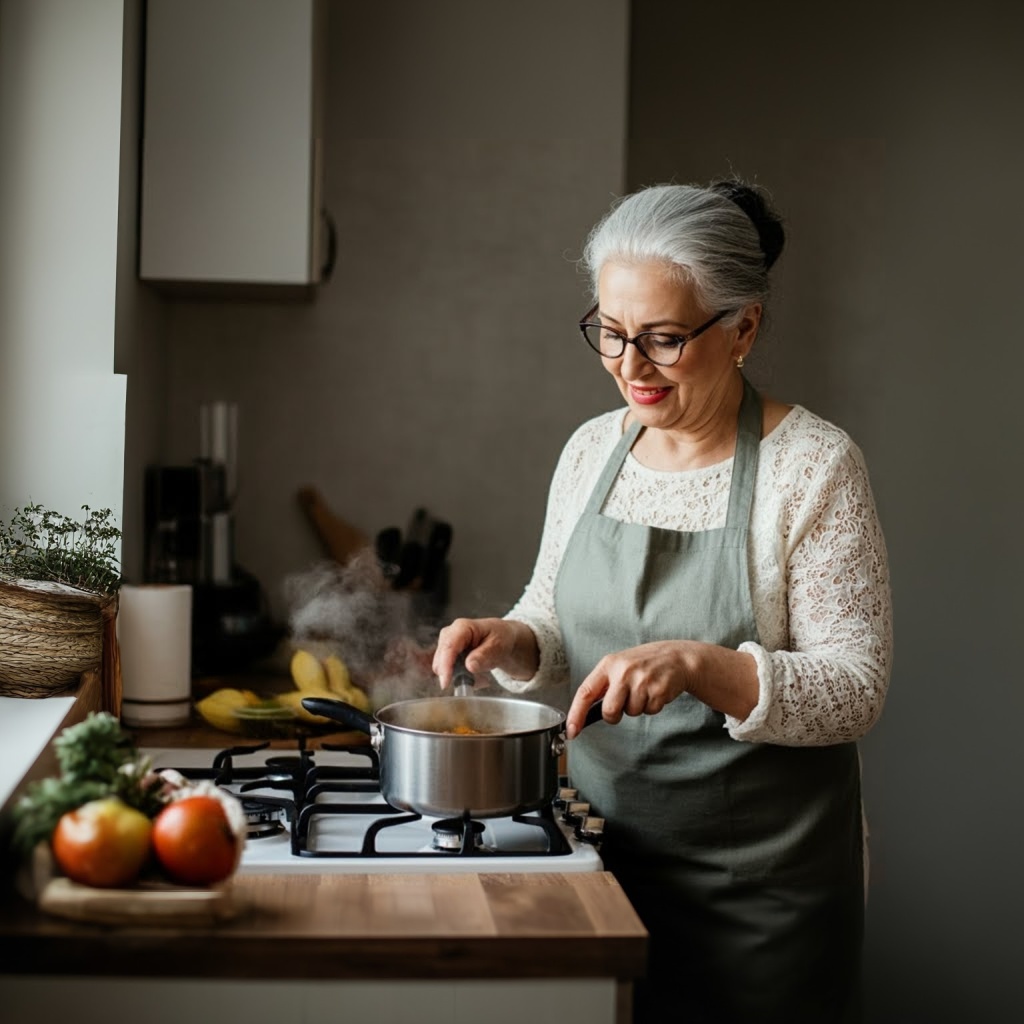
In a dining culture increasingly shaped by trends, aesthetics, and constant reinvention, it is becoming harder to find restaurants that feel grounded in something real. Across New York City, menus are rewritten every season, chefs compete for attention, and dishes are often designed to look impressive long before they are meant to be eaten. Food has become fast, visual, and disposable, even at the highest levels. Against that backdrop, one small restaurant on Staten Island has quietly built a global reputation by rejecting nearly every modern rule of the restaurant industry and embracing something far older, slower, and deeply human. Its kitchen is not driven by culinary schools, influencer culture, or precision plating, but by memory, instinct, and lived experience shaped over decades.
Contents
show
What makes this restaurant extraordinary is not simply the food on the plate, but the emotional response it creates. Dining here does not feel transactional or performative in the way many modern restaurants do. Instead, it feels intimate and familiar, as though you have been invited into someone’s home rather than seated at a restaurant table. Each meal carries the weight of history, shaped by hands that learned to cook long before recipes were written down or instructions were measured. These dishes have been prepared through life’s milestones, during celebrations and hardships alike. The experience becomes a reminder that food, at its best, is not about innovation or novelty, but about connection, continuity, and care passed quietly from one generation to the next.
No One Cooks Like Grandma
Enoteca Maria is built on a premise so simple that it almost feels radical in today’s dining landscape. Every night, a different grandmother steps into the kitchen and prepares dishes from her home country, cooking exactly as she would for her own family. There is no rotating chef tasting menu or carefully branded concept. What diners eat depends entirely on who is cooking that evening and what she feels compelled to make, guided by memory rather than market demand.
One evening might feature rustic Italian comfort food prepared the same way it was decades ago in a small village kitchen. Another night could showcase Turkish flatbreads, Greek stews, Sri Lankan curries, Uzbek specialties, or Ashkenazi dishes rarely found on American menus. These meals are not adjusted to fit trends or simplified for mass appeal. They are served as they have always been served, shaped by repetition, patience, and intuition developed over a lifetime of cooking.
What keeps people coming back is not just the variety of cuisines, but the unmistakable authenticity behind them. The food feels lived in and deeply personal, carrying the confidence of someone who has cooked the same dish hundreds, if not thousands, of times for people she loves. Each plate tells a story without needing explanation.
A Restaurant Born From Loss and Memory
The idea for the restaurant was not born from ambition or a desire to disrupt the industry, but from loss. Owner Jody Scaravella began the project after losing his parents and grandparents, a period that left him longing for the warmth, comfort, and sense of belonging he associated with his grandmother’s kitchen. Food had always been central to that feeling, and he wanted to recreate it in a way that felt sincere rather than commercial or forced.
Scaravella rented a small space near Staten Island’s St. George Theatre and placed an advertisement in America Oggi, a local Italian language newspaper. He was searching for “casalinghe,” Italian housewives who could cook traditional regional dishes the way they had learned growing up. What followed was far beyond what he imagined. Women arrived at his home not alone, but with husbands, children, grandchildren, neighbors, and cousins, all carrying plates of food prepared with care.
“I invited them to my home,” Scaravella remembered. “All these ladies showed up at my house with their husbands and their children and their grandchildren and their neighbors and their cousins. I had a house full of people following me around with plates of food.” Moved by the energy and generosity of that gathering, he hired every grandmother who showed up, laying the foundation for a restaurant rooted in community rather than hierarchy.
An Unforgettable Opening Night
When the restaurant opened its doors in 2007, six grandmothers stood ready in the basement kitchen, prepared for what they hoped would be a busy first night. Upstairs, the dining room remained empty. Minutes stretched into hours, and the excitement of opening night slowly gave way to quiet concern and uncertainty about whether the idea could survive.
At one point, one of the grandmothers went upstairs, saw the empty tables, and dropped to her hands and knees. According to Scaravella, “she got on her hands and knees and she started praying to Padre Pio.” Fifteen minutes later, diners began to arrive, filling the restaurant in a way that felt almost miraculous.
A portrait of Padre Pio still hangs inside the restaurant today. “He’s our guy,” Scaravella said. The moment has become part of the restaurant’s living history, remembered as a turning point that reinforced the faith behind the concept.
Expanding Beyond Italy
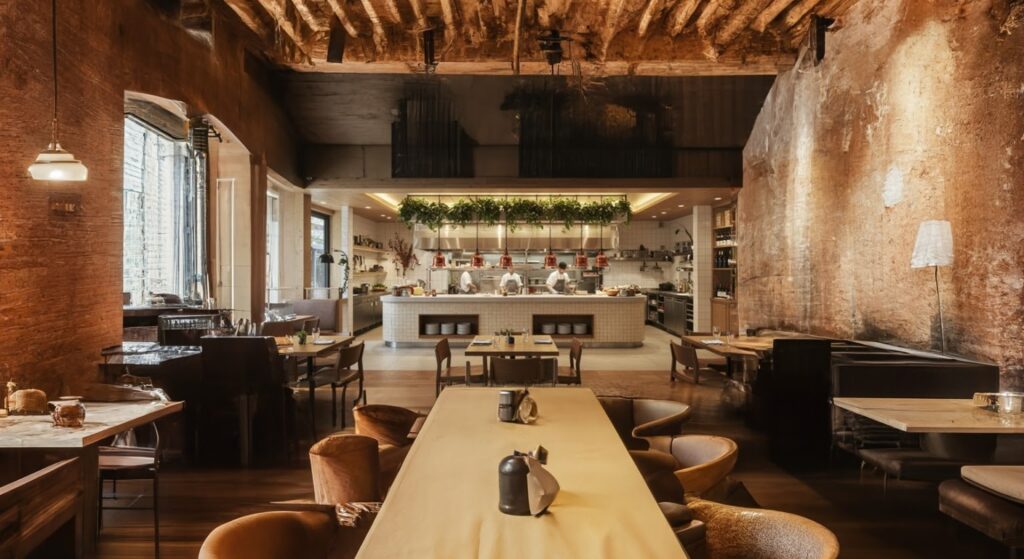
For several years, Enoteca Maria focused exclusively on Italian grandmothers cooking the dishes they had learned in childhood, preserving regional traditions that were slowly disappearing. In 2015, Scaravella made a decision that would dramatically expand the restaurant’s identity. He opened the kitchen to grandmothers of all nationalities, allowing the space to reflect a much broader range of cultures and experiences.
From that point forward, the menu began changing nightly based entirely on who was cooking. One evening might feature Greek food, the next Sri Lankan, followed by Armenian, Brazilian, or Chinese dishes. The restaurant became a rotating global kitchen guided by heritage rather than trends or marketing strategies.
The impact was immediate and lasting. Reservations became consistently booked, attention spread far beyond Staten Island, and the restaurant evolved into a symbol of what happens when tradition is given space to thrive rather than being replaced or diluted.

Cooking Without Recipes
One of the most striking elements of the kitchen is the absence of written recipes. Many of the grandmothers cook entirely from memory, relying on taste, smell, and instinct developed over decades of repetition. Measurements are rarely used, and adjustments are made intuitively rather than calculated.
“Everything is here,” said Wen Xian, a grandmother from Shanghai, pointing to her head. Her words reflect a shared understanding among the women that cooking is a form of lived knowledge, passed down through observation and practice rather than documentation.
In most professional kitchens, this approach would be considered risky or unmanageable. At Enoteca Maria, it is embraced as essential. It preserves techniques that might otherwise disappear and allows each dish to remain faithful to its origins.
The Women at the Center
Throughout the restaurant’s history, the grandmothers have remained its heart and soul. Many describe cooking there as both an honor and a deeply emotional experience, one that allows them to share not just food, but identity, memory, and purpose.
“It’s incredible to feed people and to see the joy in food,” said Melanie Mandel, who cooks Ashkenazi food, her voice trembling with emotion. “It’s a satisfaction from within, and it’s just what I was taught to do.” Nancy Hoffman, the oldest nonna at 94, described her experience simply and powerfully. “It’s the climax of my cooking career.”
Others echo the same sentiment. Kathy Viktorenko from Uzbekistan explained, “When you come here, you feel like you’re with family. As if you’re in your own kitchen cooking for someone.” Together, the women form a living chain of shared knowledge passed down through generations.
Why the Model Works
From a business perspective, the restaurant defies nearly every conventional rule. The menu changes constantly, ingredient needs vary widely, and the chefs rotate daily. With only about 35 seats, there is little room for error or inefficiency.
Yet the restaurant continues to thrive because it offers something many people are craving. Diners are not just paying for food, but for meaning, connection, and sincerity. They come for the feeling that what they are eating has history and intention behind it.
As one of the grandmothers put it, “We speak the same language. We love food.” That shared understanding sustains the restaurant through its challenges.
From Local Secret to Global Story
Over time, the restaurant’s story reached far beyond Staten Island. Scaravella released a cookbook celebrating the grandmothers and their food, and later, a Netflix film inspired by the restaurant introduced the concept to millions of viewers around the world.
Despite the attention, the kitchen itself has remained unchanged. The women continue to cook the way they always have, focused less on the spotlight and more on the people sitting down to eat.
For many of them, the experience is about preserving something fragile and ensuring that the knowledge they carry does not disappear with them.
Comfort Food, community dining, cultural cuisine, Enoteca Maria, family recipes, food culture, global cuisine, grandmothers cooking, heartwarming news, heritage cooking, home style meals, human interest story, New York restaurant, real stories, Staten Island, traditional food, unique restaurants, viral food story, women in food