
Your cart is currently empty!
A Student’s YouTube History Exposed a Major Problem With School Laptops
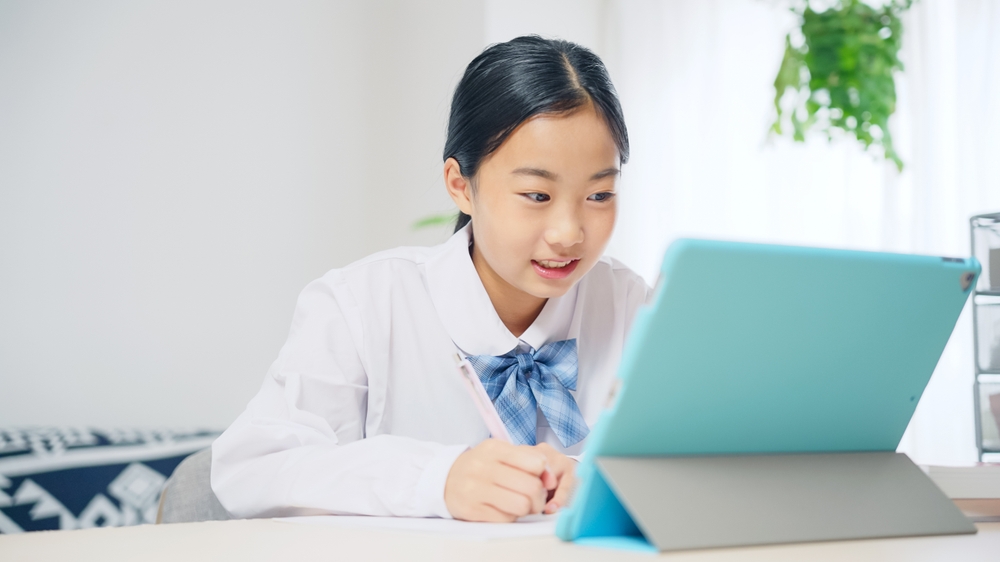
A school laptop was supposed to help one seventh grader keep up with his lessons, complete assignments, and prepare for his future. Instead, his mother discovered something that raised serious questions about how technology is being used in American classrooms. After checking her son’s school Google account, she reportedly found that he had watched more than 13,000 YouTube videos over a period of just a few months, with the activity taking place during school hours.
Contents
show
The discovery has added fuel to a growing debate over whether schools have become too dependent on screens. Chromebooks and other digital devices were introduced with the promise of making education more accessible and effective, but concerns about online distractions, inappropriate content, and declining classroom engagement are forcing educators to reconsider their approach. The pandemic disrupted learning across the country, yet the expansion of classroom technology began years earlier, raising a difficult question about whether schools fully understood the consequences of putting internet-connected devices in children’s hands.
A Mother Discovered Thousands of Videos in Her Son’s School Account
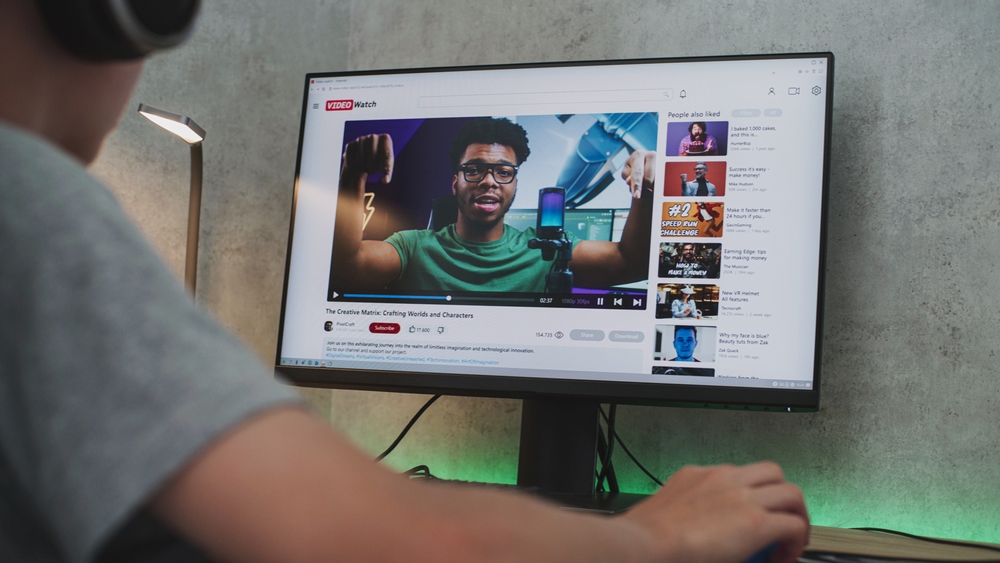
The incident unfolded in Wichita, Kansas, where a mother named Amy Warren decided to look more closely at her seventh-grade son’s school account. Her attention had been drawn to his growing knowledge of Fortnite, a video game he was not permitted to play. When she examined his viewing history, she found an extraordinary volume of YouTube activity that had taken place during the school day.
The records reportedly showed that her son had watched more than 13,000 videos between December 2024 and February 2025. The material included videos glorifying gun culture, simulated shootings, and sexually explicit jokes. Warren described the discovery as deeply upsetting, particularly because the device was supplied for educational purposes and was being used while her son was supposed to be learning.
The viewing history also raised concerns about the recommendation systems that can direct users from one video to another. Children who begin watching one clip may quickly encounter material unrelated to their original interests or schoolwork. When those recommendations appear on a device with limited supervision, parents may have little idea what their children are watching throughout the day.
Warren’s experience eventually helped motivate her involvement in local education politics, as she sought to address the problems associated with classroom technology. Her story illustrates how a seemingly ordinary school laptop can become a source of concern for an entire family, particularly when parents assume the device is being used primarily for assignments and lessons.
YouTube Has Become a Difficult Distraction to Control
YouTube can serve a valuable purpose in education. Teachers use videos to demonstrate scientific experiments, explain historical events, and introduce complicated subjects through visual examples. For students who struggle to understand a concept through written material alone, a well-chosen video can provide another way to learn.
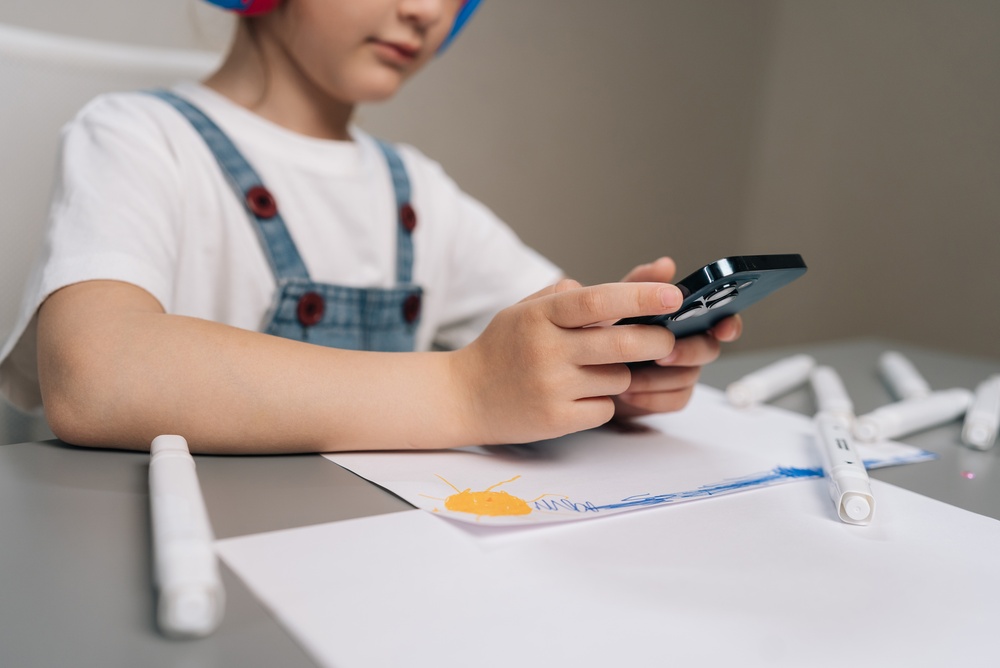
The difficulty arises when an educational resource sits alongside an enormous entertainment platform designed to keep viewers watching. Students can move between videos with a few clicks, while recommendation systems continually suggest additional content. A child who opens YouTube to watch a lesson may quickly find themselves watching unrelated clips, gaming videos, or material that has little educational value.
School-issued laptops create an additional challenge because teachers must manage an entire classroom while students have access to individual screens. Monitoring every browser tab and video can be difficult, especially when students discover ways to work around restrictions. Even when schools block certain websites, students may look for alternative routes to access entertainment during lessons.
The Wichita case demonstrates how dramatically online activity can accumulate when access goes unchecked. Thousands of videos over a few months represent a substantial amount of time that could otherwise have been spent learning, reading, writing, or participating in classroom discussions. The incident does not establish how common this level of activity is, but it exposes a weakness that schools cannot afford to overlook.
The Classroom Technology Boom Started Before COVID-19
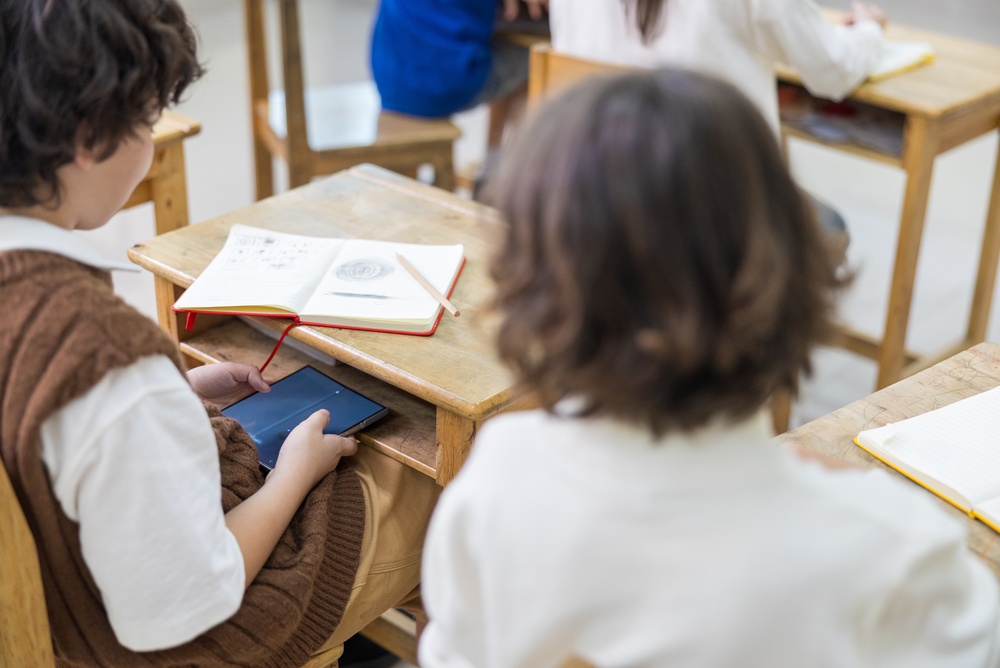
When schools shifted to remote learning during the pandemic, computers became essential for keeping students connected to teachers and coursework. Families and educators had to adapt quickly, often relying on video calls, digital assignments, and online platforms to maintain some form of education. That period intensified children’s exposure to screens, but it did not begin the movement toward digital classrooms.
The expansion of school technology had already been underway for years. Chromebooks became popular because they were relatively affordable and integrated easily with Google’s educational software. Schools distributed devices to students and adopted online applications with the expectation that digital access would improve learning, encourage collaboration, and prepare children for a technology-driven workplace.
However, providing a device does not automatically produce better educational outcomes. Students still need effective teaching, appropriate learning materials, clear expectations, and opportunities to practise skills without constant digital distractions. A computer can help a student research a topic or write an essay, but it can also make entertainment immediately available during the same lesson.
The long-term effects of classroom technology remain a complex issue, influenced by teaching methods, school resources, family circumstances, and the quality of the digital tools being used. Still, the timeline raises legitimate questions about whether schools evaluated these devices carefully enough before making them central to everyday learning. The pandemic may have intensified existing problems, but it cannot explain the entire history of the classroom technology experiment.
Big Tech’s Influence on Schools Is Facing New Questions
Google, Microsoft, and Apple have become familiar names in education, supplying devices, software, and services used by students and teachers. Their products can offer genuine benefits, including affordable access to learning materials and easier communication between classrooms. Digital tools can also help students develop technical skills that are useful beyond school.
Yet schools must consider the difference between a product’s commercial success and its educational value. Technology companies have business incentives to attract users and keep their products relevant, while schools are responsible for helping children acquire knowledge and develop independent thinking. Those priorities can overlap, but they are not automatically identical.
The widespread adoption of classroom devices also creates a form of dependence. Once assignments, communications, and learning resources move online, schools may find it difficult to reduce screen use even when particular applications create problems. Teachers can become reliant on platforms that offer convenience while struggling to control the distractions built into the same digital environment.
This does not mean that every technology company intends to undermine education or that digital learning has no value. It means schools should examine the products they adopt, understand their limitations, and demand evidence that they improve student outcomes. Educational decisions should be based on what helps children learn, rather than the assumption that newer technology must always be better.

Five Problems Schools Need to Address
The controversy surrounding school laptops points to several practical weaknesses in how digital learning environments are managed. Each presents a different challenge for teachers, administrators, and families.
- Unrestricted access: Students may reach entertainment platforms and inappropriate content on devices intended for schoolwork.
- Endless recommendations: Automated video suggestions can lead children away from educational material and into unrelated viewing.
- Limited supervision: Teachers cannot always monitor every student’s online activity while delivering a lesson to an entire class.
- Weak restrictions: Website blocks and device controls may be ineffective if students can find ways around them.
- Unproven benefits: Schools need to assess whether their technology investments are producing measurable improvements in learning.
Addressing these problems requires more than telling children to concentrate. Schools need clear rules for device use, suitable content filters, age-appropriate restrictions, and procedures for responding when technology is misused. Parents also need enough information to understand how school accounts are managed and what safeguards protect their children.
The goal should be to make technology serve a defined educational purpose. If a device helps students understand a lesson, complete an assignment, or access useful material, it can earn its place in the classroom. When it becomes a persistent distraction, schools should be prepared to change their approach.
Schools Are Starting to Rethink Screen Time
Concerns about digital distractions have encouraged schools to reconsider how much access students should have to screens. Some districts have tightened restrictions on personal smartphones, while others are reviewing their reliance on individual laptops and tablets, particularly for younger children. These changes reflect a growing recognition that digital access requires boundaries.
Reducing unnecessary screen use does not mean eliminating technology from education. A laptop may be the best tool for a research project, a collaborative assignment, or a specialised learning activity. A printed book, handwritten exercise, or face-to-face discussion may work better for other tasks, depending on the student’s needs and the lesson’s objectives.
The challenge is establishing rules that teachers can realistically enforce. Restrictions need to be supported by appropriate software settings, clear classroom expectations, and consistent communication with parents. Schools must also recognise that students vary in age, maturity, and ability to manage distractions independently.
Technology policies should be reviewed regularly rather than treated as permanent solutions. If students continue finding ways to bypass restrictions, schools need to understand why the safeguards are failing and make appropriate changes. The objective is a learning environment in which digital tools are available when useful without becoming a constant source of interruption.
The Real Measure of Classroom Technology Is Learning
The reported viewing history of one seventh grader cannot prove that school laptops are harming an entire generation. It does, however, show how much online activity can take place on a school-issued device when access and supervision fail to match the expectations placed on students. The wider debate deserves careful attention because digital devices now play a significant role in how many children complete their education.
Schools have invested heavily in classroom technology, and students deserve to benefit from those investments. That means measuring whether devices improve comprehension, support teachers, and help children develop useful skills. It also means acknowledging when a product creates more distractions than benefits and being willing to change course.
The most effective classroom does not necessarily have the newest equipment or the greatest number of screens. It is the one where students can concentrate, ask questions, practise what they learn, and receive the support they need. If a school laptop cannot help achieve those goals without opening the door to endless distractions, the school should reconsider how and when that device is used.
Sources:
- Pubmed.ncbi.nlm.nih.gov. (n.d.-g). https://pubmed.ncbi.nlm.nih.gov/7636184/
- Organisation for Economic Co-operation and Development. (2026). PISA 2025 results (Volume I): Future-ready students. OECD Publishing. https://doi.org/10.1787/73451bc5-en