
Your cart is currently empty!
A Tattoo Artist Made One Promise To Sick Kids. Nine Years Later, He’s Still Keeping It
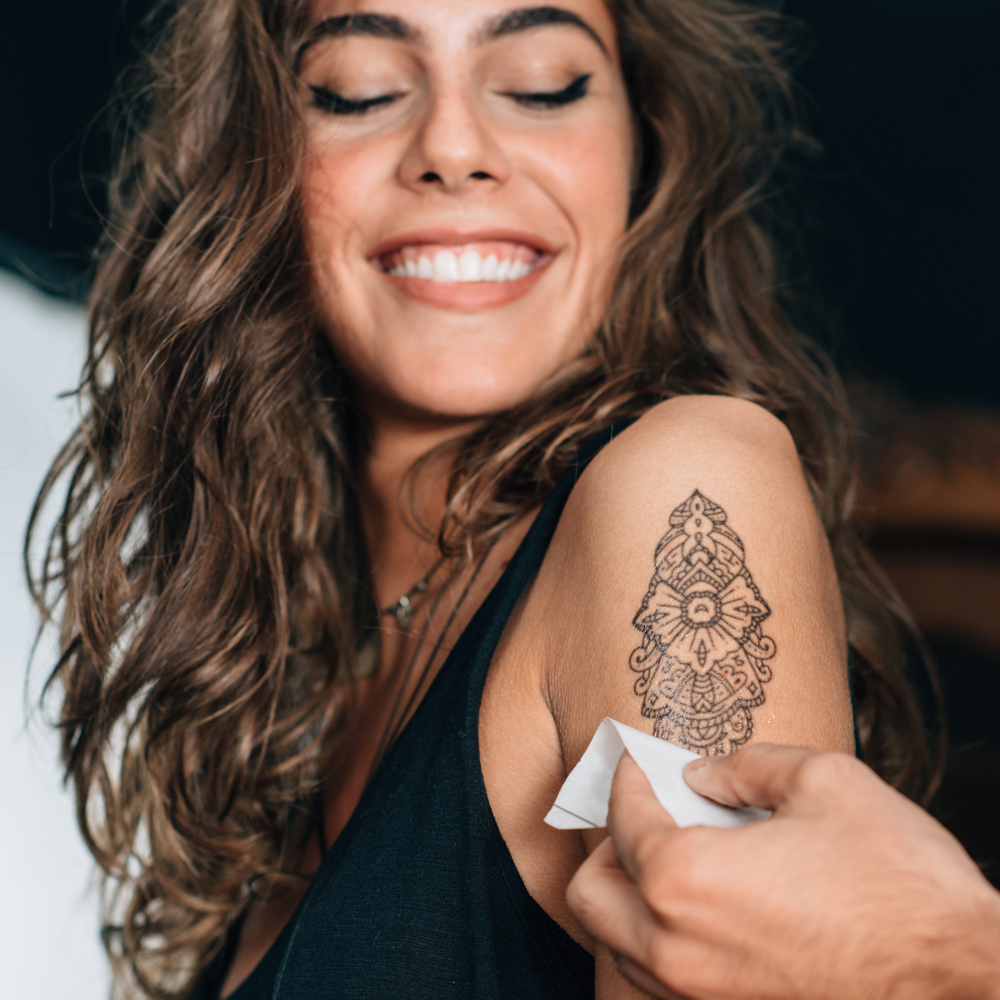
Benjamin Lloyd had a simple idea when he opened Facebook in May 2016. The 25-year-old airbrush artist from Tauranga, New Zealand, said he would visit Starship Children’s Hospital and give the children free temporary tattoos if his post received 50 likes. It sounded like the kind of offer that might attract a little local attention, but Lloyd had no idea how quickly the internet would take hold of it.
Contents
show
By the next morning, the post had exploded far beyond his original target. Lloyd later said he woke up to six million hits, while reports at the time recorded hundreds of thousands of likes, thousands of comments and more than 250,000 shares. What started as a small promise from an artist with an airbrush became an international story, but the most memorable part happened away from the numbers, when children dealing with serious medical conditions got to choose something purely for themselves.
It’s a shame they’re all going to hell now though https://t.co/4CuaONsNuI
— Count your Jam Blessings 🍓 (@jmillinmac) August 18, 2026
The Facebook Post That Asked For Just 50 Likes
Lloyd had already spent roughly a decade working with airbrushes, painting murals and city walls around Tauranga. His idea for the children was different because he wanted the artwork to be personal, quick and completely temporary. He typed the offer into Facebook with several spelling mistakes and little thought that it would become a major news story.
The post said: “Nothing brings me more joy than boosting a kids confidence with a custom tattoo 50 likes and ill go to starship hospital and tat all the kids up.It’s airbrushed on.(not permanent) peace.” The target was only 50 likes, and Lloyd went to sleep expecting a modest response. Instead, he woke to a level of attention that had transformed his casual offer into a public commitment.
Lloyd told the New Zealand Herald, “I woke up to six million hits.” The exact engagement figures varied between reports because different outlets recorded the post at different points in its rapid spread, but the scale was obvious. One report counted 432,000 likes, while other coverage recorded more than 400,000 likes, 11,000 comments and over 250,000 shares, with the story reaching an estimated 20 million people.
The attention quickly spread outside New Zealand, putting Lloyd in a strange position. He had promised to visit a children’s hospital before he had made an official approach to Starship, and now hundreds of thousands of people were waiting to see whether he would actually follow through. Lloyd was also concerned that the visit could become a media circus, but the promise had already travelled too far to quietly disappear.
He Had Not Officially Arranged The Hospital Visit
Starship Children’s Hospital in Auckland is New Zealand’s largest children’s hospital, treating around 100,000 children every year and receiving referrals from across New Zealand and the South Pacific. Its patients include children requiring complex medical, surgical, cardiac and mental health care, and some remain in hospital for extended periods while undergoing treatment. That was the setting Lloyd had chosen for his unusual offer.
The artist had spoken with people inside the organisation, but his original Facebook post was not the result of a formal hospital campaign or pre-arranged programme. Lloyd had no established ward appointment waiting for him when the post went viral. He had an airbrush, a box of stencils and an idea that had suddenly attracted a huge audience.
He even considered beginning the project at Ronald McDonald House rather than immediately turning up at Starship. Lloyd said he did not want the children to become part of a publicity stunt, despite the enormous amount of publicity already surrounding the offer. The attention had come from the public rather than from a planned promotional campaign, and Lloyd appeared more interested in doing the work than becoming the story himself.
There was also a practical reason for his caution. Working around children receiving medical treatment requires the cooperation of hospital staff and families, particularly when anything is being applied to a child’s skin. Lloyd’s original promise may have been written in a few seconds, but carrying it out responsibly was going to require considerably more thought.
The Tattoos Looked Permanent But Washed Away
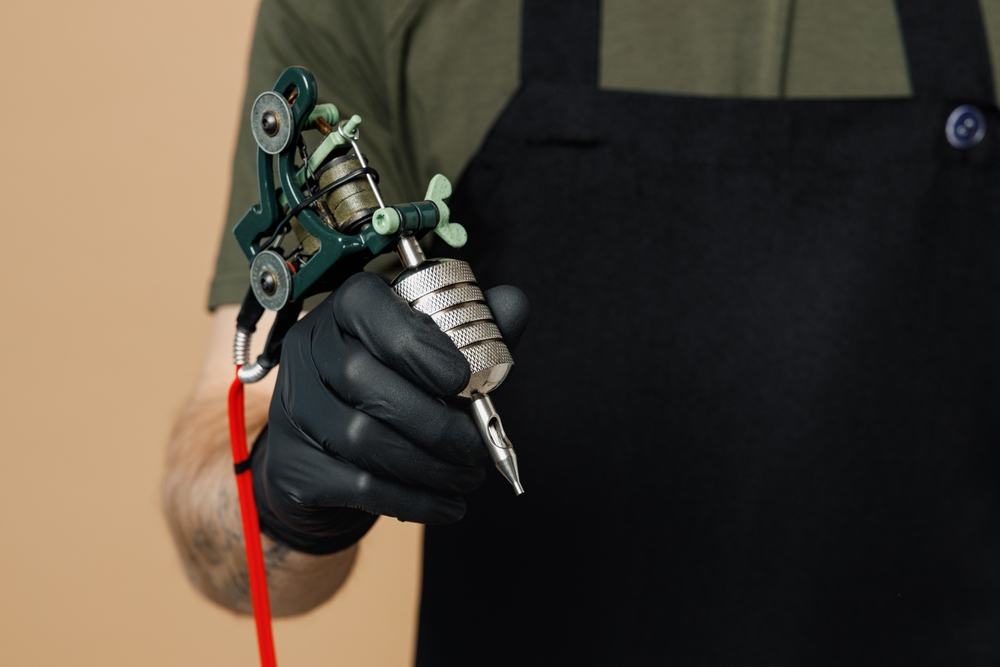
The technique Lloyd used was part of what made the idea so appealing. He combined stencils with freehand airbrush work to create designs that could look surprisingly close to real tattoos, while using temporary body-art paint instead of permanent ink. A finished design could take around nine minutes, which allowed him to work with multiple children rather than spending a large part of the day on one person.
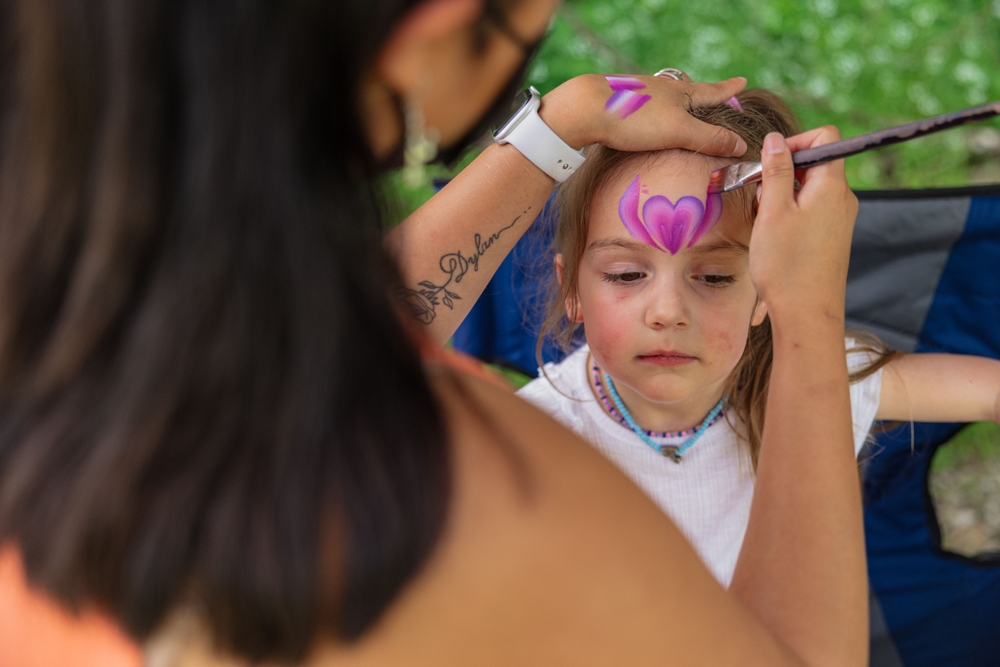
The children were able to choose what they wanted, and Lloyd built the artwork around their requests. Roses, butterflies, race cars and sunrises were among the designs that appeared, while some children preferred skulls, waves and other more dramatic images. The point was not to make every child look the same, but to give each one something they had selected.
The process was also painless because there were no tattoo needles involved. Lloyd said children had “only felt tickled by the cold air blowing against them,” describing the sensation created by the airbrush. The paints were described as non-toxic and hypoallergenic products made for temporary body art, and Lloyd worked alongside hospital staff to keep the setup within their requirements.
Then the tattoo disappeared. A child could enjoy the design for a while and eventually wash it away in the shower, which meant the artwork did not create a permanent decision. That temporary element allowed the children to experiment with something that looked bold and grown-up while knowing it would eventually be gone.
A Teenager Named Brodie Got A Tattoo Before Starship
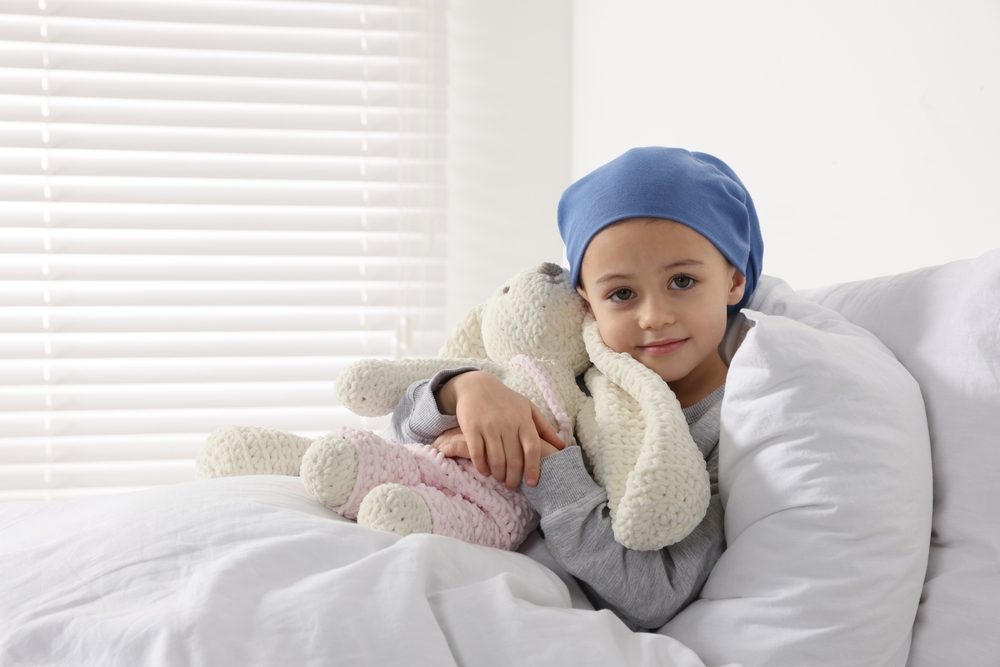
Before Lloyd reached Auckland, the project had already produced one of its most memorable moments at Tauranga Hospital. On May 29, 2016, he met 15-year-old Brodie Hunter, who was living with a rare genetic disorder that caused substances to build up inside his cells. The condition had resulted in seizures and serious problems involving his organs, bones and heart, and Brodie was preparing for a bowel and intestine transplant.
Lloyd had not been scheduled to visit Brodie as part of a formal hospital programme. He had permission from Brodie’s parents and brought his airbrush with him, giving the teenager an experience that had nothing to do with tests or treatment. He created a freestyle design down Brodie’s arm, producing something that could immediately attract attention for a very different reason.
Brodie’s father, Wayne Hunter, said, “Brodie was really stoked.” The teenager’s own reaction was much shorter, but it captured how quickly the experience changed the mood around him. “It happened down here,” Brodie said. “That was awesome.”
The moment demonstrated what Lloyd had hoped the project could provide. A teenager preparing for major medical treatment was suddenly deciding what he wanted painted on his own skin, with the finished design becoming something other people could admire. For a short period, the hospital room was about his choice rather than his condition.
Lloyd Had Experienced Being Teased About His Appearance
There was a personal reason Lloyd understood how much a child can care about what other people notice. When he was young, he had a burn on his hand that attracted unwanted attention from other children. He began drawing over the burn and continuing the artwork up his sleeve, using his own creativity to cover something he had been teased about.
“I was teased every day at school and so I would draw over my hand and up my sleeve,” Lloyd said. What began as a way to hide the burn eventually developed into something more positive, as his drawings became increasingly skilled. “I just got better and better, eventually I had a line up of people wanting me to draw on them.”
That childhood experience eventually became part of the thinking behind his work with children in hospitals. Instead of a child feeling self-conscious about something on their body, Lloyd could put a design there that they had actively chosen. The focus could shift from what was different about the child to what was interesting about the artwork.
“The kids are so amazed,” Lloyd said. “As soon as they get the tattoo it boosts their confidence.” That reaction was central to the project because the tattoo itself was never meant to be the permanent achievement. The immediate change in how the children saw themselves was what Lloyd cared about.
His Seven-Year-Old Stepson Was Part Of The Story Too
The Facebook post did not explain another reason the work had become so meaningful to Lloyd. Two years before he made the viral offer, his seven-year-old stepson, Lincoln, died suddenly. Reporting on Lloyd’s work says he had airbrushed Lincoln, and the loss became part of the personal history behind his decision to continue creating tattoos for children.
After Lincoln’s death, Lloyd kept airbrushing designs on children around him. He started with friends’ children and family members before eventually bringing the work to children he had never met. By the time the Facebook post exploded, he had already been doing this without an enormous online audience watching him.
That detail changes the way the viral moment can be viewed. The internet did not create Lloyd’s interest in using his art to make children happy. Instead, millions of people suddenly discovered something he had already been doing privately and decided that it was worth sharing.
Lloyd described the reaction when children saw their finished designs as “illuminating in their face.” He said, “They’re blown away.” Those moments became a reason to continue, even after the original Facebook attention had disappeared and the wider internet had moved on to the next viral story.
Five Details Made The Tattoos Perfect For Hospital Visits
The project worked because it combined the visual impact of a real tattoo with the flexibility of temporary artwork. Children could make their own choices without taking on a permanent change, while Lloyd’s airbrush technique meant he could complete designs quickly.
- The children chose the artwork: Designs were based around what each child wanted rather than one standard template.
- The tattoos were temporary: The paint could eventually be removed with water.
- The process took minutes: Lloyd said a completed tattoo could take around nine minutes.
- There were no tattoo needles: The airbrush method avoided the pain associated with permanent tattooing.
- The designs could look surprisingly realistic: Stencils and freehand work allowed Lloyd to create elaborate pieces that looked much more permanent than they actually were.
That combination gave children something they could control at a time when much of their daily routine was controlled by medical appointments and treatment. They could pick the image, watch it appear and decide how long they wanted to keep showing it off.
The artwork also created a simple conversation starter. Instead of people asking a child only about why they were in hospital, they could ask about the skull, butterfly, race car or other design on their arm. The tattoo could become the most visible thing about the child for a little while.
And because it was temporary, the child did not have to think about what the design would mean years later. It was something to enjoy in the moment, which was exactly what Lloyd had intended when he made the original offer.
The Viral Post Did Not End The Project
The Facebook attention eventually faded, but Lloyd kept the work going. He followed through on his promise to visit Starship and later continued travelling to other health centres around New Zealand, as well as working with IHC, an organisation that advocates for people with intellectual disabilities.
He continued giving the tattoos to children for free and asked for donations to help cover travel costs. The original offer had been made to 50 people online, but the response turned it into something much larger than the artist could have predicted.
Nearly a decade later, reports still describe Lloyd continuing the work. The tattoos remain temporary, and that has stayed central to the appeal. The artwork can be bold enough to make people look twice, but it can disappear as easily as it appeared.
Lloyd once summed up the only real downside with a complaint from the children themselves. “The only bad thing,” he said, “is that they don’t want to take a shower afterwards.”
The Tattoo Was Temporary. The Promise Was Not
Lloyd asked Facebook for 50 likes and received hundreds of thousands. The post reached millions, attracted international coverage and put an airbrush artist from Tauranga into the middle of a viral story he had never planned. But the numbers eventually stopped being the interesting part.
What lasted was the decision to keep turning up for children who could use a reason to smile. The tattoos were designed to wash away, but the artist continued making them long after the original post disappeared from people’s feeds.
A viral post can last a day. Lloyd’s promise lasted years, and that is what turned a simple 50-like challenge into something far more meaningful.
acts of kindness, airbrush tattoos, Benjamin Lloyd, charity, children in hospital, children’s hospitals, Facebook viral post, free tattoos, heartwarming stories, hospital kids, Human Interest, Inspiring Stories, kindness, New Zealand, Starship Children’s Hospital, tattoo artist, temporary tattoos, viral news, viral story