
Your cart is currently empty!
A Wife Drew Circles Around Her Husband’s Moles Before His Doctor Visit. He Came Home With Notes on His Skin
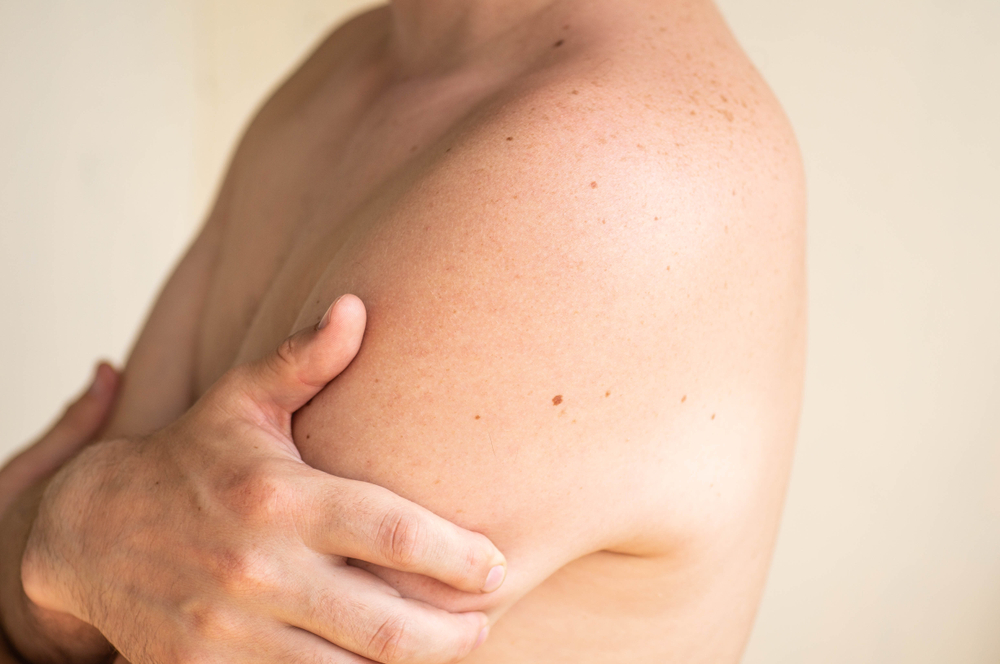
Brinlee Miles did something unusual before her husband Ryan went to the dermatologist. She took a ballpoint pen and carefully circled several moles on his chest and back, marking the spots the couple had been watching. Ryan could not properly see much of his own back, and with a family history of skin cancer, Miles wanted to make sure the dermatologist knew exactly which areas had caught their attention.
Contents
show
When Ryan returned home, the ink circles were still there, but they had been joined by something neither of them had expected. The dermatologist had written directly onto his skin beside the marked spots. Four were labelled “good.” Two had been taken for testing, leaving small bandages where the biopsies had been performed. Then came the result that changed the story from an amusing dermatology appointment into a serious warning: one of those spots contained cancer cells in its early stages.

The Ballpoint Pen Had A Serious Purpose
The circles were never intended to diagnose anything. Miles had simply been keeping track of spots that she and Ryan had already noticed, particularly because some of them were on areas he could not easily inspect himself. She explained that they had been watching certain spots and that she wanted the dermatologist to see whether those same areas raised concerns during the professional examination.
That practical approach became especially important because Ryan’s back was difficult for him to check. A person can inspect the skin on their arms, legs, chest and other visible areas relatively easily, but the middle and upper back can be a different story. Miles effectively created a simple map before the appointment, giving the dermatologist a clear starting point while still allowing her to make the medical assessment herself.
The couple also had another reason to take the marks seriously. Ryan’s family has a history of skin cancer, which meant that changes in his skin were already something they were paying attention to. A family history does not mean that a particular mole is cancerous, but it can make regular skin checks especially important. In this case, the circles ensured that the spots they were concerned about were impossible to overlook.

The Dermatologist Started Writing Back
The most unexpected part came after the examination. Instead of removing the ink marks or ignoring them, the dermatologist used them as reference points and wrote her assessment directly beside them. Four of the circled spots received the word “good,” while two others were marked “took to test.” Those two spots were covered with bandages after biopsies.
Miles later shared photographs showing the before-and-after difference. The first image showed Ryan covered in the circles she had drawn before the appointment. The second showed those same circles alongside the dermatologist’s handwriting, turning his back and chest into a temporary medical checklist.
The moment was funny enough to catch people’s attention, but there was something much more useful hiding underneath it. The circles did not replace a professional examination. They helped make sure the couple’s concerns were communicated clearly, especially in places Ryan could not easily inspect himself.
One Spot Was More Serious Than The Others
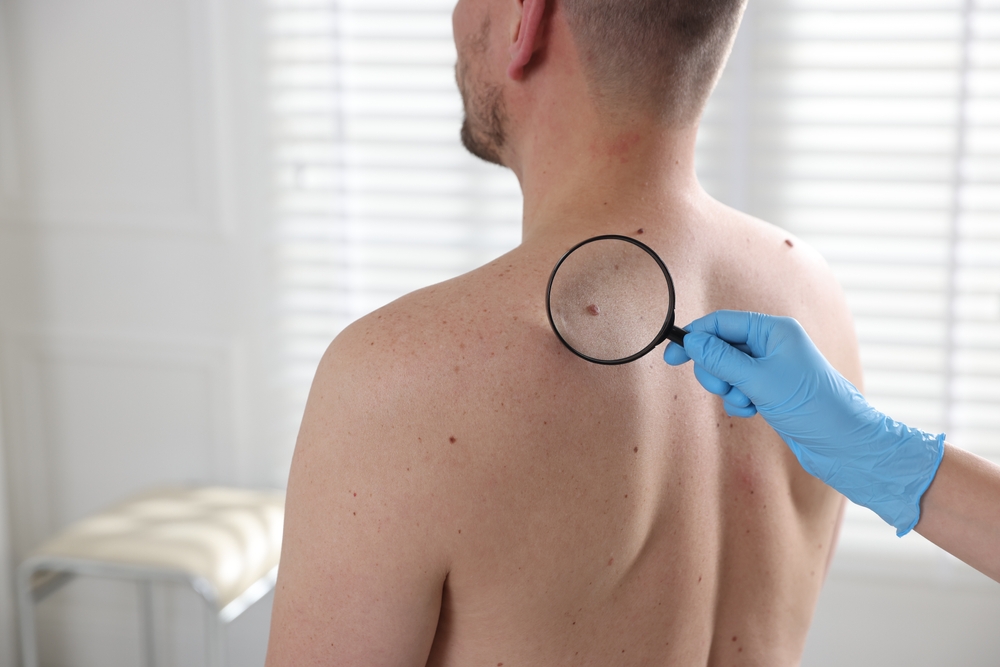
The biopsy results eventually gave the appointment a much more serious ending. According to Miles, the mole removed from Ryan’s chest contained cancer cells in the early stages and needed to be removed soon. The sample taken from his back was clear, although the clinic wanted to continue monitoring that spot for changes.
The couple did not publicly identify the exact type of cancer involved, so there is no basis for adding a more specific diagnosis. What is known is enough to explain why the story resonated so strongly. One of the spots that had been marked at home turned out to require further treatment.
That distinction matters because a mole can look ordinary to someone without medical training and still deserve professional attention. The pen circles were useful because they identified areas of concern. The dermatologist’s examination and biopsy determined what those spots actually meant.
Why Checking Someone Else’s Back Can Matter
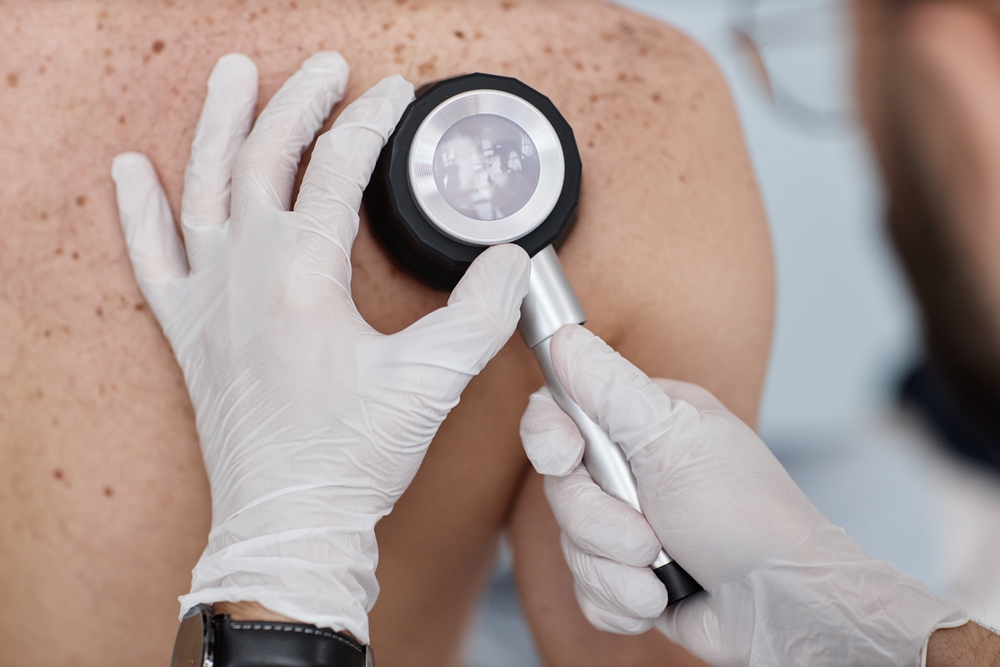
Skin checks become harder when a person cannot see the skin they are supposed to examine. The American Academy of Dermatology specifically advises people to have a partner check difficult-to-see areas such as the back, particularly when looking for changes that could indicate melanoma.
That advice becomes easier to understand when you consider how much skin can remain effectively invisible during an ordinary self-check. A mirror can help, but it is not always practical to inspect every part of the back closely. Another person can spot a new mole, a changing mark or an unusual patch that might otherwise go unnoticed.
A second set of eyes can also make it easier to notice changes over time. Someone who regularly sees another person’s back may remember what a particular spot looked like previously, although any suspicious change should still be assessed by a medical professional rather than judged at home.
Three Things Worth Watching
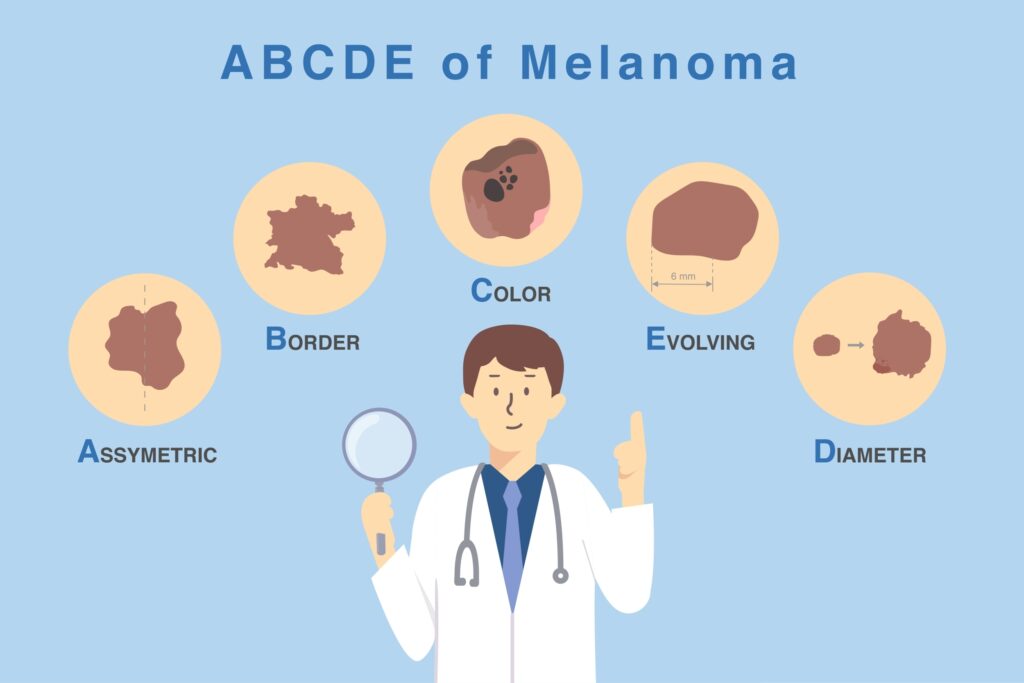
During a skin check, the goal is not to diagnose melanoma yourself. It is to notice changes that deserve professional attention. Areas worth keeping an eye on include:
- New spots: A newly appearing mole or mark can be worth discussing with a dermatologist, particularly if it looks different from the person’s other spots.
- Changing moles: Changes in size, shape or color can be warning signs that should not be ignored.
- Hard-to-see skin: The back, scalp and other difficult areas are easy to miss during a solo examination, making help from another person useful.
The key is consistency. A single glance at the skin cannot tell someone whether a mark is harmless or dangerous, but regularly noticing changes can help a professional evaluate them sooner.
The Numbers Explain Why Early Detection Matters
The difference between finding melanoma early and discovering it after it has spread can be substantial. The American Academy of Dermatology reports a five-year survival rate of 99% when melanoma is detected and treated before it reaches the lymph nodes. That figure falls to 76% when the cancer has spread regionally and to 35% when it has reached distant organs.
Those numbers do not mean every suspicious mole is melanoma, nor do they mean checking the skin guarantees an early diagnosis. They show why a changing or suspicious mark deserves attention instead of being dismissed simply because it does not hurt.
The scale of melanoma also makes the issue difficult to shrug off. The Academy projects 234,680 melanoma diagnoses in the United States in 2026, along with 8,510 deaths. For Ryan, the crucial detail was much more personal: one spot was identified early enough for doctors to act on it.
A Second Set Of Eyes Can Find What You Cannot
Research has also provided evidence for the value of involving another person in skin examinations. In a Northwestern University study involving people who had previously been diagnosed with melanoma, researchers followed patients and their designated skin-check partners for two years. Some pairs received structured training on how to examine the skin, while others received usual care.
Among the trained pairs, 43 new melanomas were identified during the study period. The control group, which included 99 pairs, identified none. The groups were not equal in size, and everyone in the study had already experienced melanoma, so the results should not be treated as proof that every person needs a partner to find skin cancer.
There was another important limitation. The people who identified melanomas had received instruction on how to perform skin examinations. That is very different from casually drawing circles around moles with a pen. Still, the research supports a simple principle: checking difficult-to-see areas can add another layer of observation, while professional examinations remain essential when something looks suspicious.
Men Can Be Especially Vulnerable To Missed Spots
Ryan’s story also fits into a broader concern about melanoma in men. The American Academy of Dermatology states that men are more likely to die from melanoma than women at any age, with the difference becoming larger among older adults. By age 65, men develop melanoma at twice the rate of women their age, and by age 80, the rate is three times higher.
Part of the problem is visibility. A man can easily check the skin he sees every day while overlooking areas on his back, scalp or other places that require help. A spot that remains unseen cannot be monitored effectively, and a change may go unnoticed until someone else points it out.
That makes the image of Ryan returning home covered in handwritten notes more than an internet curiosity. His wife had noticed something he could not easily see. The dermatologist then examined those marks and identified two that required biopsies. One turned out to contain early cancer cells.
The Most Important Part Was Not The Pen
The ballpoint pen is what made the story memorable, but the useful part was much simpler. Miles noticed spots, remembered them, and made sure they were brought to the dermatologist’s attention. The doctor then evaluated them properly instead of relying on the couple’s observations alone.
That distinction is worth keeping. Home skin checks can help people notice changes, but they cannot determine whether a mole is benign or cancerous. A suspicious mark may need a professional examination and, when appropriate, a biopsy to establish what is happening.
Ryan’s appointment ended with four reassuring notes and two biopsies. One of those biopsies found early cancer cells. The circles drawn at home did not diagnose him, but they helped make sure the right spots were examined.
Sometimes the simplest health precaution is making sure someone can see the part of your body that you cannot.