
Your cart is currently empty!
AI Laser Zaps 30 Mosquitoes Per Second from 6 Meters Away
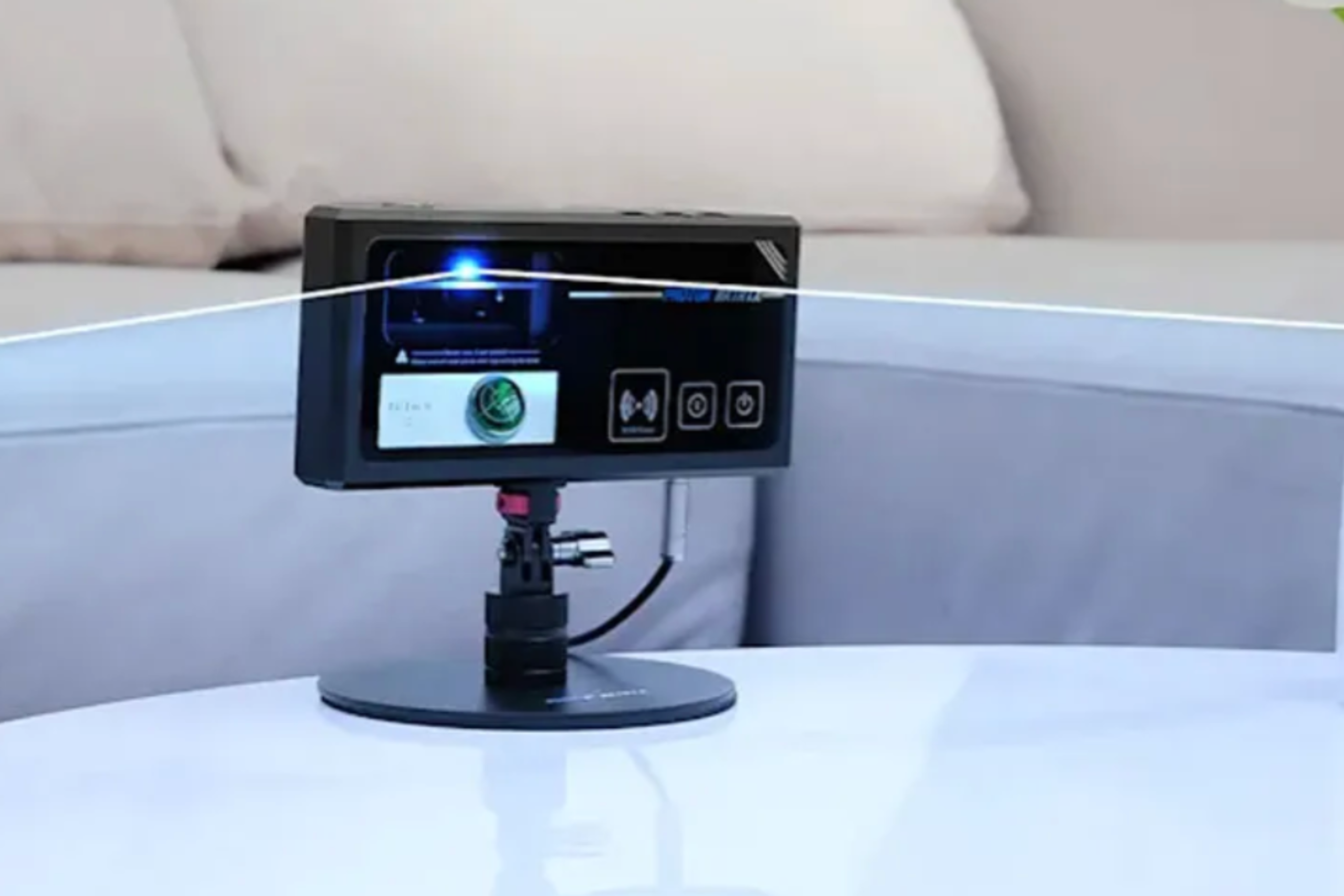
Mosquitoes have plagued humans for millennia, spreading diseases and disrupting even the most tranquil evenings outdoors. Now, a new invention is making waves in both the tech and health communities: a LiDAR guided mosquito killing laser called Photonmatrix. Created by Jim Wong, this crowdfunded innovation promises to take mosquito defense into the digital age, using the same sensing technology that powers autonomous vehicles.
Contents
show

A Star Wars Style Mosquito Defense System
At the heart of the Photonmatrix lies a refined combination of precision optics, rapid signal processing, and artificial intelligence that transforms mosquito detection into a real time targeting system. Using LiDAR (Light Detection and Ranging), the device emits pulses of light that bounce off tiny airborne objects. The reflected data is analyzed within milliseconds to determine whether the moving particle is a mosquito based on its wingbeat frequency, body size, and trajectory. Once confirmed, a galvanometer controlled laser immediately focuses on the insect and neutralizes it in flight, reducing the need for chemical repellents or physical traps.
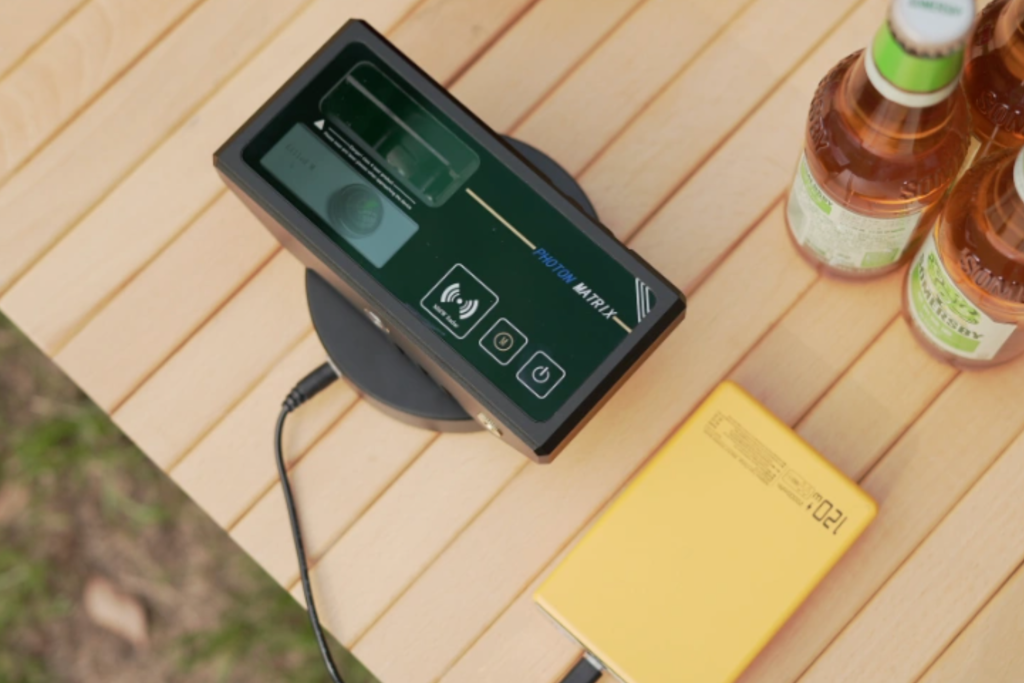
This mechanism operates autonomously, scanning continuously in low light and dark conditions where mosquitoes are most active. It demonstrates how precision sensing, once reserved for autonomous vehicles and industrial robotics, can be repurposed for everyday environmental health challenges. As reported by Tom’s Hardware, the Photonmatrix achieves this detection and engagement cycle in about three milliseconds, fast enough to intercept even erratically flying mosquitoes.
Beyond the spectacle of its operation, the device reflects a significant shift toward automation in pest management. It employs a high degree of spatial awareness, mapping its surroundings to maintain a safe engagement radius. This ensures the laser’s beam interacts only with mosquito sized targets and never with unintended objects. According to Wong, safety has been central to the design process, and the campaign page reiterates that it is calibrated to be harmless to people, pets, and even birds at a distance.
“It prioritizes safety as its core feature, it is safe enough and will not harm people, pets or even distant birds, etc.,” Wong states on the project page.
The campaign’s rapid momentum on IndieGogo, surpassing its initial goal by 1,300 percent, underscores how eager consumers are for practical, technology driven solutions that merge safety, efficiency, and innovation.
Two Editions, One Mission Reclaiming Summer Evenings
Photonmatrix is offered in two configurations that cater to different use environments and user needs, aligning practicality with technological sophistication. The Basic version provides coverage for spaces up to 3 meters in radius, suitable for smaller patios, balconies, or indoor settings. The Pro edition doubles that range to 6 meters (19.7 feet), extending its reach for open yards or outdoor gatherings. This increase in effective range comes with a price difference that reflects its higher output and wider coverage area, with the Basic model priced at $498 and the Pro model available for $698 during the campaign. Once the crowdfunding phase concludes, those prices are projected to rise to $698 and $898 respectively.
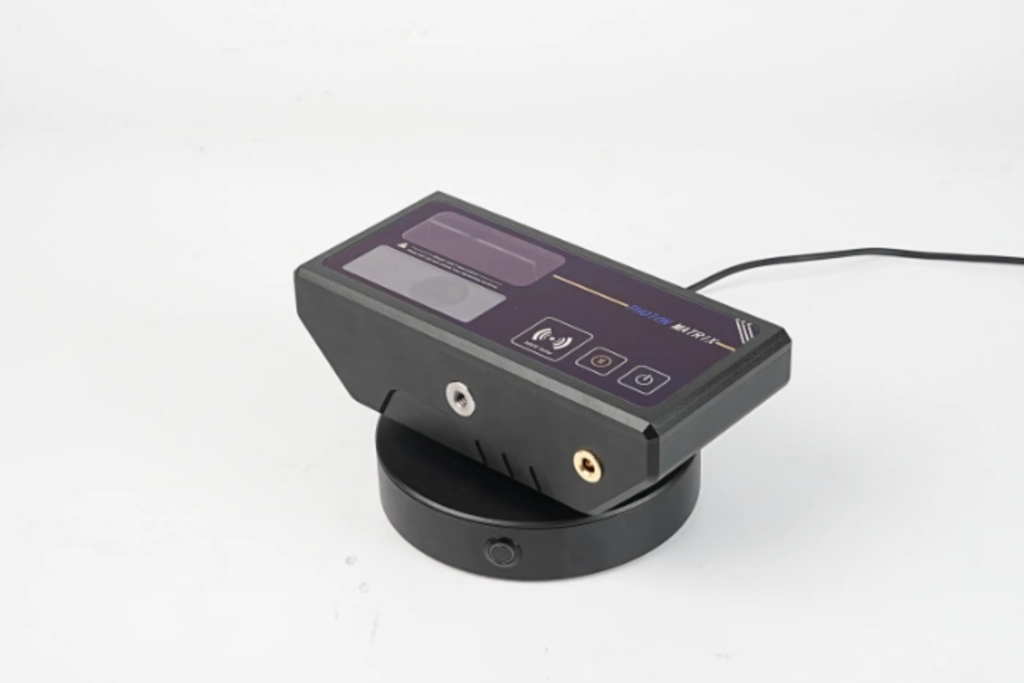
Each unit includes the core LiDAR laser system, a locator base, mounting bracket, power brick, and 2 meter connector cable to support easy setup in diverse settings. Buyers can also select optional upgrades such as a rotating base for broader scanning angles, external power banks, or a $10 adapter for connecting standard smartphone power sources. Wong notes that the system can operate for as long as 16 hours when powered by a 39,200mAh battery, which is offered as part of accessory bundles priced up to $98.
While the specifications highlight consumer convenience, the two tier design also demonstrates how Photonmatrix aims to make laser based mosquito defense scalable and accessible. Rather than a one size fits all device, Wong’s approach provides flexibility for different living conditions and budgets, an important consideration in a world where mosquito exposure varies dramatically by geography and climate. The tiered model also hints at future adaptability, allowing upgrades or modular enhancements without requiring a complete system replacement. This pragmatic structure underlines the product’s ambition not just as a gadget, but as a potentially evolving platform for smarter, more sustainable pest control.
From DIY Zappers to AI Powered Air Defense
Attempts to automate mosquito control have quickly evolved from hobbyist experiments into refined consumer technology. Earlier innovations like the Raspberry Pi powered mosquito detector (2021) and the Bzigo Iris (2023) helped prove that digital tracking could make pest control cleaner and smarter. The former used open source sensors to detect flight patterns, while the latter marked mosquitoes with a visible laser for manual swatting, showing that intelligent detection could replace chemical deterrents.
Photonmatrix builds directly on that progress but moves beyond it with fully autonomous AI driven targeting. Instead of alerting the user, it independently tracks and eliminates mosquitoes, operating continuously without manual input. This marks a shift from interactive gadgets to true automated defense, integrating industrial grade LiDAR precision into a consumer ready form.
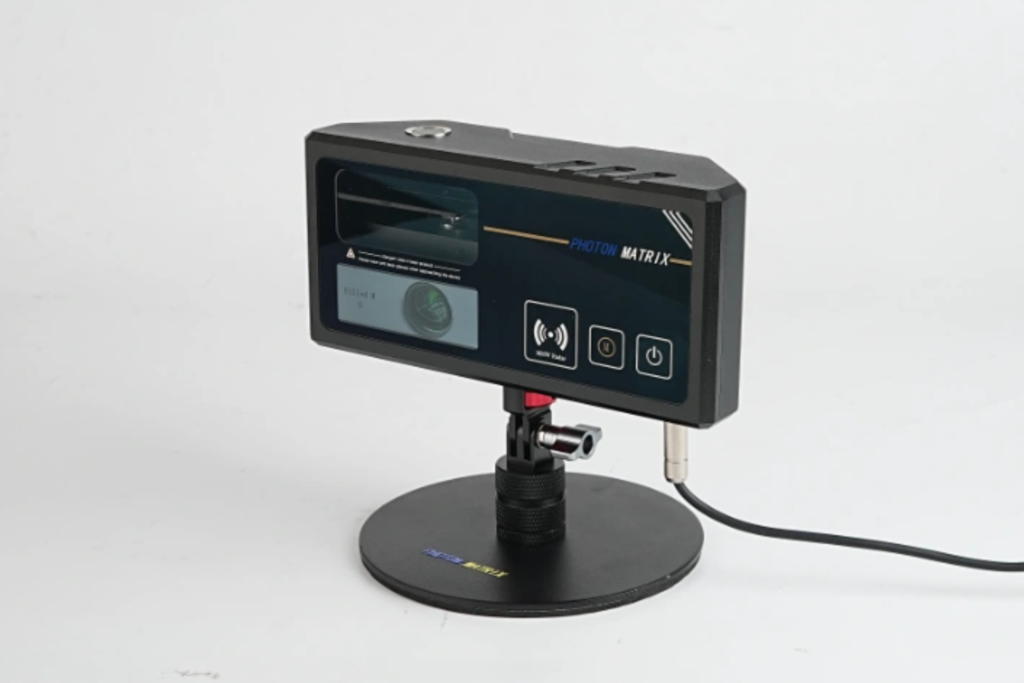
By bridging DIY ingenuity with engineered reliability, the Photonmatrix reframes mosquito defense as a seamless household tool rather than a tinkerer’s experiment. It reflects how automation and real time sensing are reshaping everyday environmental management, offering users a device that is efficient, maintenance light, and entirely hands free.
The Promise and Caution of Crowdfunded Innovation
Crowdfunding continues to serve as a launchpad for inventive projects like the Photonmatrix, blending public enthusiasm with early stage investment. The campaign’s impressive performance on IndieGogo, exceeding its $20,000 goal by over 1,300 percent, demonstrates how consumers are willing to back creative, tech driven ideas. Yet despite its appeal, the Photonmatrix remains at the prototype stage, meaning that buyers are investing in its potential rather than a guaranteed product.
Many crowdfunded projects encounter obstacles after their initial success. Manufacturing scalability, regulatory testing, and sourcing specialized components often delay production or alter specifications. These challenges can frustrate backers who expect retail level reliability from campaigns that are inherently experimental. Transparency from creators, therefore, becomes critical in managing expectations and maintaining trust.

Wong’s communication on the campaign page has been straightforward, emphasizing safety testing and the prototype’s current capabilities. Even so, supporters should view their contributions as high risk investments, not purchases. As Tom’s Hardware reminds readers, backing a crowdfunded invention is “akin to an investment you believe in the project and want it to succeed.” The Photonmatrix exemplifies how crowdfunding can transform daring concepts into real possibilities—provided that both creators and investors approach it with patience, accountability, and a shared understanding of the journey from prototype to product.
Safety, Ethics, and the Ecological Question
While laser based mosquito defense may sound harmlessly high tech, it raises broader questions about the ecological balance. Mosquitoes, though notorious, play minor but real roles in ecosystems as pollinators and food sources for other species. Overuse or expansion of such technologies could theoretically disrupt those systems if scaled widely.
Still, as a localized solution, particularly for backyards, campsites, or outdoor cafes, the Photonmatrix seems an intriguing step forward. Wong’s emphasis on safety features, including an IP68 rating and human pet safe laser parameters, suggests responsible engineering rather than unchecked gadgetry.
A Glimpse of Future Pest Control
If successful, the Photonmatrix could mark the beginning of a new era of precision pest control, where optical and AI technologies replace chemical repellents. Its design reflects a growing trend toward smart environmental management, blending consumer tech with public health applications.

Future iterations might integrate AI learning models capable of distinguishing between species or allow users to designate “no kill zones” through the companion app, an idea hinted at in campaign discussions. Some users have even suggested mosquito killing leaderboards as a playful engagement feature.
The Line Between Innovation and Spectacle
The Photonmatrix sits at the crossroads of innovation and fascination, showing how technology can inspire awe while tackling practical challenges. Its mix of LiDAR precision and AI autonomy transforms a mundane annoyance into a feat of engineering, capturing both curiosity and imagination. Yet behind its futuristic appeal lies a deeper question about how far invention should go in reshaping our interaction with nature.
The device mirrors a cultural moment where complex systems once limited to labs are entering homes, promising smarter, cleaner ways to solve old problems. It also reveals the tension between spectacle and substance—whether we value technology for its visual excitement or its enduring impact. The Photonmatrix’s real success will depend not on its novelty but on how responsibly it integrates into daily life and the ecosystems it touches.
In the end, this laser powered defense stands as both innovation and mirror: a reflection of humanity’s endless pursuit to master its environment and a reminder that progress must be guided by restraint as much as ambition. Its legacy will be defined not by how dramatic it looks, but by how thoughtfully it serves.
Featured Image by Jim Wong from Indiegogo