
Your cart is currently empty!
Airport Beagle Stops Traveler Carrying More Than 100 Pork Sandwiches In Luggage
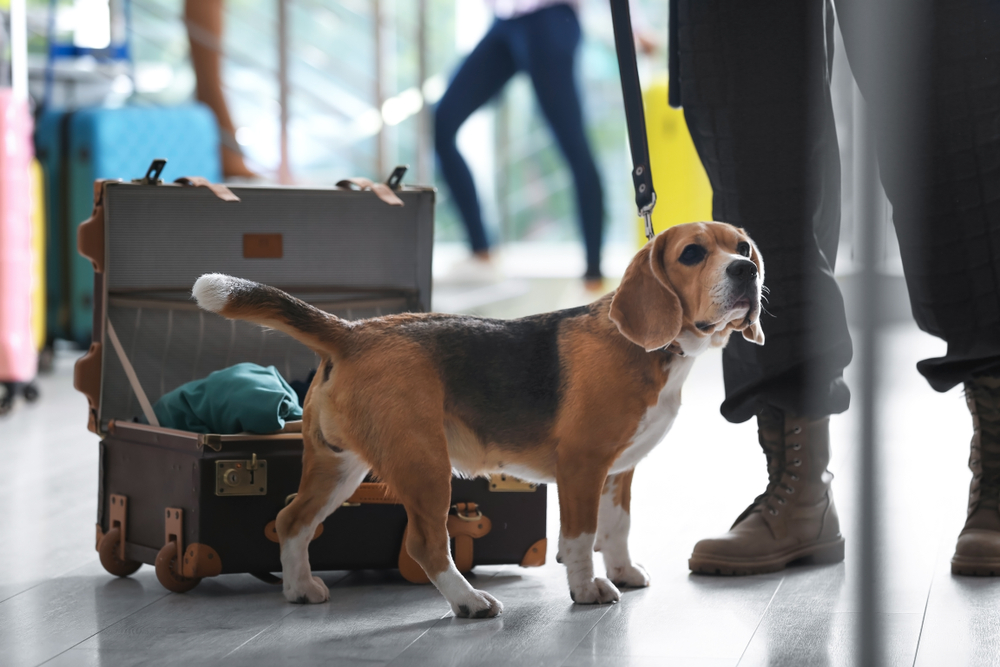
Airport security officers are used to finding strange things inside luggage, but even experienced customs agents were stunned after a beagle at Minneapolis-St. Paul International Airport uncovered more than 100 undeclared pork sandwiches hidden inside a traveler’s bags. The massive food haul was discovered after an agriculture detector dog named Merla alerted officers during a routine customs inspection, turning what looked like an ordinary arrival into one of the strangest airport food busts in recent memory. Photos released by officials showed piles of wrapped sandwiches stacked across inspection tables after they were removed from the luggage.
Contents
show
The traveler had reportedly arrived on a flight from Thailand when Merla detected something suspicious. U.S. Customs and Border Protection later confirmed that the bags contained prohibited pork products that violated agricultural import regulations designed to prevent dangerous livestock diseases from entering the country. Officials said all of the sandwiches were seized and destroyed immediately. The bizarre discovery quickly exploded online, with thousands of people shocked that someone attempted to transport such a huge quantity of sandwiches through an international airport in the first place.
The Beagle That Triggered The Entire Investigation
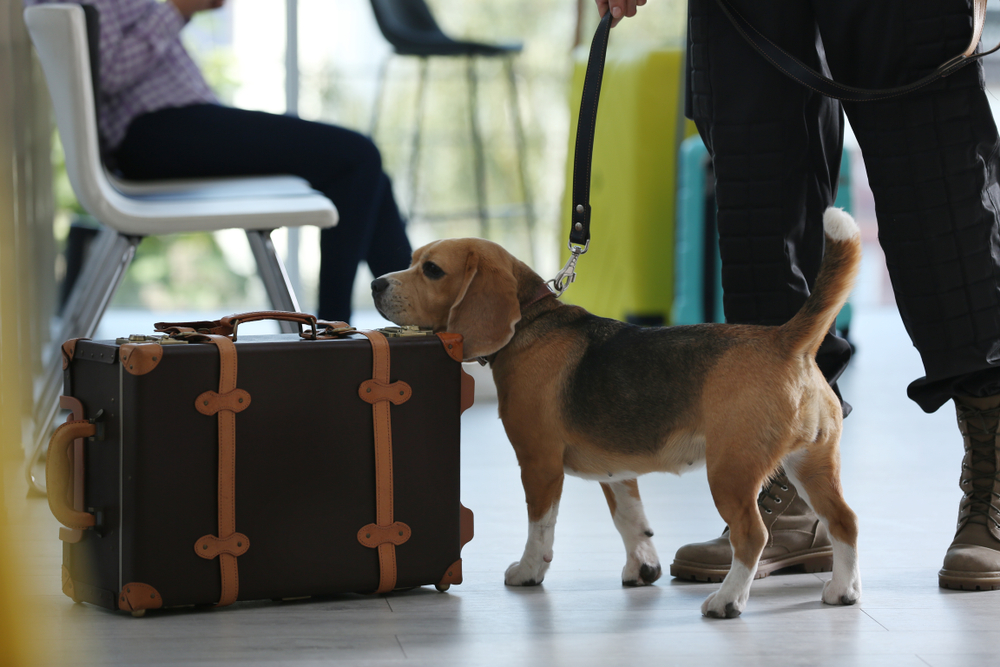
Merla is part of the famous “Beagle Brigade,” a specialized customs unit made up of detector dogs trained to sniff out prohibited agricultural products hidden in luggage at airports across the United States. These dogs are trained to identify fruits, meats, vegetables, seeds, and other food items that travelers either forget to declare or intentionally attempt to conceal while entering the country. Their sense of smell is so effective that officers routinely rely on them to uncover products humans would never notice during normal baggage inspections.
Officials explained that beagles are often chosen for this work because they combine an extremely strong sense of smell with a calm and approachable appearance that does not intimidate travelers. Larger breeds can create tension during inspections, while beagles are viewed as friendlier and less threatening around crowded terminals. Despite their small size, agriculture detector dogs can identify tiny traces of food buried deep inside packed luggage, including cooked meat products wrapped in multiple layers.
The discovery became even more unusual once officers realized just how many sandwiches were packed inside the traveler’s bags. Customs officers said Merla’s alert led them to inspect luggage containing over 100 pork sandwiches, all of which violated import restrictions. The quantity alone immediately raised eyebrows online because most airport food seizures involve a few undeclared snacks or small homemade meals rather than an entire suitcase packed with sandwiches.
Photographs released after the seizure showed stacks of wrapped sandwiches covering tables during the inspection process. The incident quickly spread across social media, where users joked that the traveler appeared to be opening a sandwich shop after landing in the United States. Others focused entirely on Merla, with many praising the beagle’s impressive detection skills and calling the dog the true star of the story.
Why Customs Officials Treat Meat Products Seriously
At first glance, confiscating sandwiches may sound excessive to travelers unfamiliar with agricultural import laws, but customs officials say prohibited meat products can create serious risks for farms and livestock industries. Certain diseases that affect pigs and cattle can spread through contaminated meat, even if the products appear fully cooked or packaged safely. Governments around the world strictly monitor imported animal products because outbreaks can devastate agricultural sectors and lead to massive economic losses.
One of the biggest concerns involves African swine fever, a highly contagious viral disease that affects pigs and wild boars. Although the disease does not infect humans, it can wipe out livestock populations rapidly once introduced into a country. Officials also monitor for foot-and-mouth disease and other animal illnesses that may travel across borders through food products carried in passenger luggage.
Customs and Border Protection officers regularly remind travelers that even homemade or commercially prepared foods can violate import rules depending on where the products originate. Many travelers assume cooked food automatically passes inspection without realizing that meat products from certain countries remain prohibited regardless of packaging or preparation method. Officials encourage passengers to declare all food products during customs screening instead of attempting to carry them through unnoticed.
The rules may sound strict, but agriculture specialists say prevention is far easier than controlling a nationwide outbreak once dangerous livestock diseases enter a country. A single contaminated product has the potential to create enormous financial damage if an outbreak spreads through farms or food systems. That is why agriculture detector dogs remain a major part of airport security operations across the United States.
Airport Detector Dogs Regularly Find Strange Contraband
While this sandwich seizure grabbed attention because of the enormous quantity involved, customs detector dogs uncover unusual food products on a regular basis. Officers have previously confiscated raw sausages hidden inside cereal boxes, seafood packed inside clothing, undeclared fruits stuffed into backpacks, and even live snails concealed inside luggage compartments. Travelers attempting to carry prohibited food products often believe wrapping or hiding the items will prevent detection, but trained dogs continue to prove remarkably effective at uncovering them.
Agriculture detector dogs undergo extensive training before working in airports. Handlers teach the dogs to recognize specific scents connected to prohibited food items, and successful alerts are rewarded with toys or praise to reinforce the behavior. Officers say the dogs enjoy the work because they treat inspections like a game built around finding hidden scents throughout crowded airport terminals.
Common Items Frequently Confiscated At Airports
- Pork and beef products from restricted countries
- Fresh fruits and vegetables
- Homemade meat dishes
- Seeds and plants
- Unpasteurized dairy products
- Exotic seafood products
- Live insects and snails
Customs officers say many food-related violations happen because travelers simply misunderstand import regulations rather than deliberately trying to break the law. Some passengers carry homemade meals from relatives overseas without realizing certain ingredients violate agricultural restrictions. Others believe packaged or cooked foods are automatically allowed through customs inspections.
Still, officials stress that declaring food products during customs screening usually prevents larger problems. Travelers who declare questionable items can allow officers to inspect the products properly and determine whether they are permitted. Failing to declare food items creates more serious consequences because it suggests the traveler attempted to bypass customs regulations entirely.
The Traveler Could Have Faced Significant Penalties
Travelers entering the United States are legally required to declare agricultural products on customs forms, including meats, fruits, vegetables, and plant materials. Failing to disclose these items can result in confiscation, financial penalties, and additional screening by customs officers. Depending on the violation, fines can range from hundreds to thousands of dollars.
Authorities did not publicly identify the passenger involved in the sandwich seizure and did not immediately confirm whether any penalties were issued after the incident. Still, customs officials emphasized that undeclared meat products are treated seriously because of the risks tied to livestock disease transmission. The unusual size of the seizure only amplified public attention around the case.
The story quickly gained traction online because the sheer number of sandwiches sounded almost unbelievable to many readers. Social media users flooded comment sections with jokes about black-market sandwich trafficking, while others questioned how someone expected to transport over 100 sandwiches through airport customs unnoticed. The strange combination of food smuggling and a highly trained beagle created exactly the kind of bizarre headline people instantly wanted to share.
Some users also praised airport agriculture teams for preventing prohibited products from entering the country. Others admitted they had no idea customs rules around food imports were so strict. The incident sparked wider discussions online about what travelers are actually allowed to carry through international airports and how often undeclared foods are confiscated during customs inspections.
Merla Became The Unexpected Star Of The Story
Although the sandwiches dominated headlines, much of the internet’s attention focused on Merla himself. Photos of the beagle quickly circulated online as people celebrated the dog’s role in uncovering one of the strangest airport food seizures in recent memory. Many commenters joked that Merla deserved extra treats or a promotion after successfully locating an entire luggage collection filled with sandwiches.
Agriculture detector dogs rarely become viral celebrities, but stories like this regularly capture public attention because they combine humor with genuine surprise. Travelers expect customs officers to search for dangerous items like weapons or narcotics. Few people imagine a beagle uncovering more than 100 hidden sandwiches during a routine airport inspection.
Officials say detector dogs remain one of the most effective tools available for identifying prohibited agricultural products entering the country. Technology can scan luggage, but trained dogs continue to outperform machines when it comes to identifying hidden food items based purely on scent. Incidents like this demonstrate how valuable these animals remain inside modern airport security systems.
For Merla, though, the situation probably felt far less dramatic than it appeared online. Somewhere inside those bags was a powerful scent, and the beagle followed it straight to more than 100 illegal sandwiches.
agriculture detector dog, airport beagle, airport K9, airport news, Airport security, Beagle Brigade, bizarre luggage discovery, CBP, customs dog, customs inspection, food smuggling, illegal food imports, Minneapolis airport, pork sandwiches, prohibited food items, Thai sandwiches, Thailand traveler, U.S. customs, viral airport story