

An Amazon delivery driver sent a chilling message to someone close to her after noticing a strange smell inside her van that was making her feel dizzy. Just 15 minutes later, the 31-year-old mother of two was found unconscious in the back of the vehicle, with the engine still running. What initially appeared to be an unexplained medical emergency would soon reveal a far more disturbing cause.
Jaylene Vargas Gonzalez died from carbon monoxide poisoning while completing her delivery route in Fruitland Park, Florida, on August 10. A newly released investigative report has now revealed troubling details about her final hours, including a damaged exhaust pipe, dangerously elevated carbon monoxide readings and an earlier incident in which her delivery van became stuck in sand. Her final message has raised serious questions about what happened inside the vehicle and whether the tragedy could have been prevented.
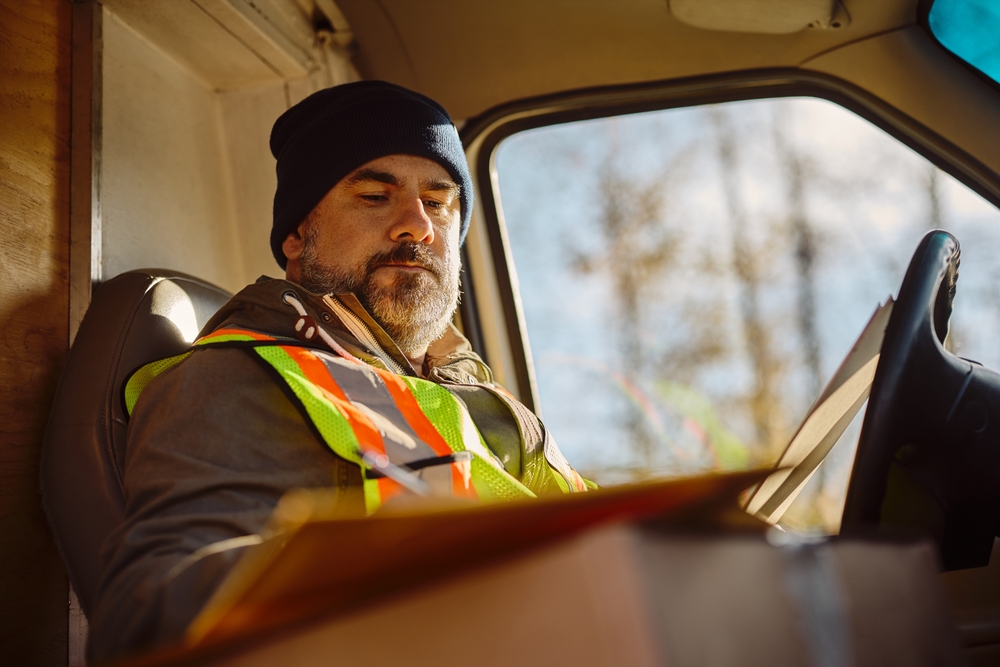
Jaylene’s Final Text Described A Terrifying Problem Inside Her Van
Jaylene was carrying out her Amazon deliveries when she began experiencing something unusual inside her vehicle. Rather than simply continuing her route without mentioning it, she contacted someone close to her and described a smell that was making her feel unwell. Her message contained a warning that would become one of the most heartbreaking details of the investigation.
“This van is giving off a bad smell in the air that’s making me dizzy,” she wrote.
The message was sent approximately 15 minutes before Jaylene was discovered unconscious. At the time, she was apparently still working inside the delivery vehicle, sorting packages as part of her daily responsibilities. The investigation later established that carbon monoxide had accumulated inside the van, exposing her to a poisonous gas that can interfere with the body’s ability to transport oxygen.
For her family, those final words offer a painful glimpse into what happened shortly before her death. Jaylene had identified something unusual about the air inside her workplace and had communicated that she was experiencing dizziness. Yet the available findings do not establish exactly what she understood about the danger or whether she had an opportunity to leave the vehicle before collapsing.
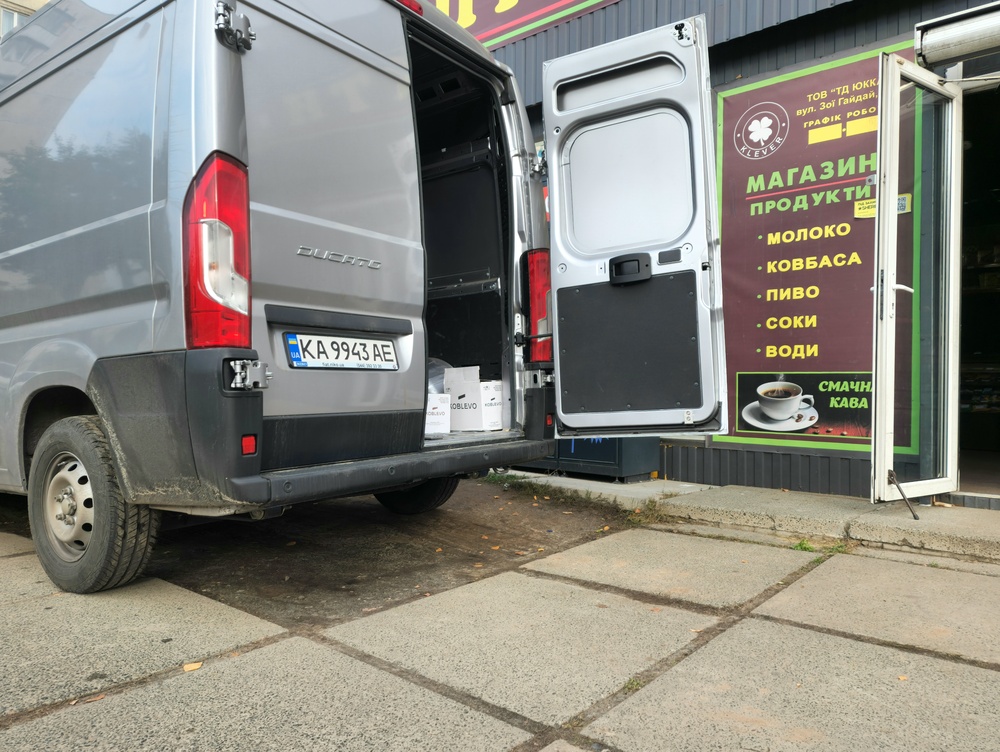
A Running Delivery Van Led To A Disturbing Discovery
The discovery happened in the Clark Road area of Fruitland Park, where local resident Patrick Miranda noticed an Amazon delivery vehicle sitting with its engine running. Something about the scene immediately caught his attention. The vehicle appeared to be empty, even though personal belongings were visible inside and the engine continued running.
Miranda recalled seeing a phone connected to a charger and a backpack inside the van. “I see the phone is still plugged in,” he said. He also described how the situation seemed strange because the vehicle was running without anyone apparently operating it.
An officer approached the van and opened the passenger-side door, only to encounter fumes that forced him to pull back. Miranda recalled that the officer “had to reel back from” the smell. When the back doors were eventually opened, Jaylene was discovered lying unconscious inside the vehicle.
The emergency response quickly became a desperate attempt to save her life. Miranda recalled that responders initially appeared concerned about possible toxic chemicals and used a fire hose to rinse her clothing and body. “But immediately after that, they were using life-saving measures,” he explained. Jaylene was taken to Leesburg Regional Hospital, where she was pronounced dead.

The Autopsy Revealed A Shocking Carbon Monoxide Level
The Lake County Sheriff’s Office subsequently confirmed that carbon monoxide poisoning caused Jaylene’s death. The medical examiner classified the death as accidental, while the autopsy found no evidence of traumatic injuries or natural disease that could explain what happened. Instead, the examination revealed a dangerous level of carbon monoxide exposure in her bloodstream.
Her blood carboxyhemoglobin saturation measured 58% when she died. Carboxyhemoglobin forms when carbon monoxide binds to hemoglobin, the protein in red blood cells responsible for carrying oxygen throughout the body. When carbon monoxide enters the bloodstream, it interferes with this process and reduces the amount of oxygen available to vital organs.
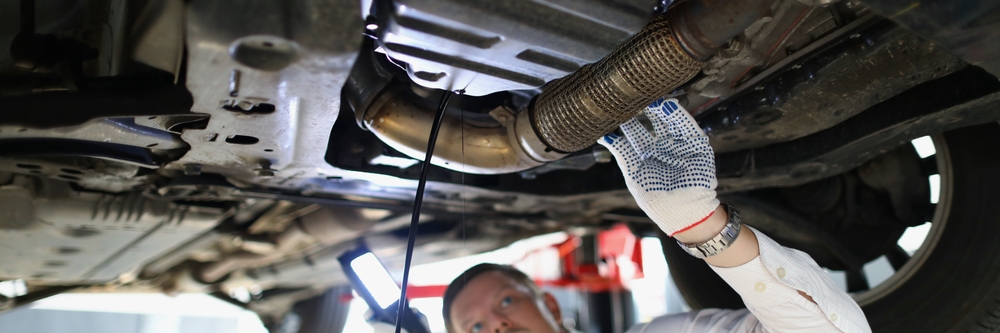
Why Carbon Monoxide Can Become Deadly So Quickly
Carbon monoxide is produced when fuels containing carbon burn incompletely. Vehicles with combustion engines can release the gas through their exhaust systems, making damaged exhaust components particularly concerning. The danger increases when fumes enter an enclosed or poorly ventilated space where someone is spending time.
One of the most frightening characteristics of carbon monoxide is that it cannot be detected through ordinary human senses. It has no color or smell, meaning someone can breathe it in without recognizing the exposure. Symptoms can initially appear relatively ordinary, which can make the situation especially dangerous.
Common symptoms of carbon monoxide poisoning include:
- Dizziness: Exposure can cause lightheadedness and difficulty maintaining balance.
- Headaches: Head pain is a frequently reported early symptom.
- Weakness: Affected individuals may experience unusual tiredness or physical exhaustion.
- Nausea: Exposure can cause stomach discomfort and vomiting.
- Confusion: Increasing exposure can interfere with normal brain function.
- Loss of consciousness: Severe poisoning can cause someone to collapse.
- Death: High concentrations can become fatal, particularly when exposure continues.
Jaylene’s final message describing dizziness has therefore become an especially significant detail. Her symptoms were consistent with a possible carbon monoxide exposure, while the autopsy later established the cause of death.
Investigators Found Damage To The Van’s Exhaust Pipe
The investigation uncovered another troubling detail when authorities examined the delivery vehicle. Investigators discovered a dent in the van’s exhaust pipe, raising questions about the condition of the vehicle and whether exhaust fumes could have entered the area where Jaylene was working.
Authorities subsequently restarted the engine and tested the carbon monoxide levels inside the van. The measurements were taken at 10-minute intervals, and the readings increased with each test. This finding demonstrated that the vehicle could develop increasingly dangerous carbon monoxide levels while its engine was running.
The damaged exhaust pipe has become a particularly important part of the investigation because vehicle exhaust can contain carbon monoxide. If fumes escape from a damaged exhaust system and enter an occupied compartment, the people inside can face serious exposure. However, the available findings do not establish precisely how the gas entered Jaylene’s van or whether the dent directly caused the poisoning.
Investigators will need to establish how the vehicle developed those conditions and whether any mechanical problems had previously been identified. The rising readings also raise questions about whether the van had been safe to operate before Jaylene began her route. Those details are central to understanding the circumstances that led to her death.
The Van Had Become Stuck In Sand Hours Before She Died
Another detail emerged from the investigation’s examination of the vehicle’s movements earlier that day. Amazon logistics data showed that Jaylene’s delivery van had become stuck in sand along the side of the road approximately six hours before her death. She subsequently reported that the vehicle was operational again and continued completing her deliveries.
The earlier incident has attracted attention because investigators later discovered damage to the van’s exhaust pipe. However, the available findings do not establish that the vehicle becoming stuck in sand caused the damage or directly contributed to the carbon monoxide exposure. The relationship between those events remains an important question.
Questions About The Vehicle’s Condition Remain
The timeline raises several issues that could help explain what happened during Jaylene’s final working hours. Investigators and the family will need a clearer understanding of the vehicle’s condition and whether anyone had identified mechanical concerns before the fatal incident.
Some of the most important questions include:
- The earlier incident: Did the van sustain damage when it became stuck in sand?
- Mechanical inspections: Was the exhaust system examined before Jaylene resumed her delivery route?
- Previous complaints: Had anyone reported unusual smells or other problems involving the vehicle?
- Safety procedures: Were appropriate checks performed before the van was used for deliveries?
- Carbon monoxide exposure: How did dangerous concentrations of gas enter the compartment where Jaylene was sorting packages?
These questions do not establish that anyone was responsible for the tragedy. However, they highlight why the investigation needs to examine the entire timeline rather than focusing exclusively on the final moments.
Jaylene’s Family Says Serious Questions Remain
Although the autopsy established carbon monoxide poisoning as the cause of Jaylene’s death, her family is still searching for answers about how she ended up exposed to such dangerous conditions. The loss of a 31-year-old mother of two has left her loved ones facing an unimaginable situation, particularly as details about her final moments continue emerging.
Milette Webber, an attorney representing the Vargas Gonzalez family, addressed the investigative findings and explained that the medical determination had not resolved their concerns. “The autopsy report answers the question about the cause of … death, but serious questions remain about how this could have happened,” Webber said.
The attorney also described the family’s devastating situation and their determination to establish what happened. “Ms. Vargas Gonzalez’s family is devastated and desperate for those answers,” Webber added. She said the legal team was continuing its efforts to uncover the circumstances surrounding the death and hold responsible parties accountable if negligence contributed to the tragedy.
The family’s concerns are understandable given the details that have emerged. Jaylene reportedly complained about dizziness inside the van shortly before collapsing, while investigators later documented a damaged exhaust pipe and increasing carbon monoxide readings. Whether any earlier inspection, warning or intervention could have prevented the exposure remains something the investigation must establish.
Amazon Responded Following The Driver’s Death
Amazon previously expressed sadness over Jaylene’s death and offered condolences to her loved ones. The company acknowledged the tragedy and said it was cooperating with the local authorities investigating the circumstances.
“We’re deeply saddened by this tragic incident,” Amazon said while extending its thoughts and prayers to the driver’s loved ones.
The company also stated that it was cooperating fully with the investigation. However, the available information does not establish whether Amazon had previously received complaints about the specific van, whether its exhaust system had undergone recent maintenance or whether any mechanical warning signs had been identified before Jaylene’s final delivery route.
Those details could become significant as the family’s legal representatives continue examining the circumstances surrounding the incident. The investigation will need to establish how the vehicle developed dangerous carbon monoxide levels and whether any failures in maintenance or workplace safety procedures contributed to the death.
The Warning Signs Of Carbon Monoxide Exposure Can Be Easy To Miss
Jaylene’s death has drawn attention to the dangers faced by people who spend extended periods working around fuel-powered vehicles. Delivery drivers, mechanics and other workers can encounter carbon monoxide when exhaust fumes accumulate in enclosed or poorly ventilated spaces. Without suitable detection equipment and effective safety measures, exposure can develop without an obvious warning.
Dizziness, headaches, nausea and unusual weakness should never be ignored when someone is working around a running engine. Anyone who suspects carbon monoxide exposure should immediately move into fresh air and contact emergency services. A potentially contaminated vehicle should not be re-entered until emergency personnel have established that it is safe.
Vehicle maintenance also plays an important role in reducing the risk. Damaged exhaust systems should be inspected and repaired by qualified professionals, while appropriate carbon monoxide detection equipment can help identify dangerous conditions in workplaces. Workers should also have clear procedures for reporting unusual symptoms, suspected fumes and mechanical problems without continuing to work in potentially unsafe conditions.
Jaylene had already sent a message describing dizziness and an unusual smell before she was found unconscious. Her final communication is now one of the most troubling parts of a tragedy that has left her family demanding answers.
A Mother’s Final Message Has Become Central To The Investigation
Jaylene Vargas Gonzalez was 31 years old and had two children. She had been working through an ordinary delivery route when something inside her van made her feel unwell. Around 15 minutes after sending her warning message, she was found unconscious, and investigators later established that carbon monoxide poisoning had killed her.
The damaged exhaust pipe, the earlier incident involving sand and the rising carbon monoxide readings have all added important details to the investigation. Her family is now seeking a complete explanation of how those conditions developed and whether anything could have prevented her death.
For now, one question remains at the center of the tragedy: Jaylene recognized that something was wrong inside her van, but why was that vehicle still running under conditions that ultimately proved fatal?