
Your cart is currently empty!
Search For Amelia Earharts Lost Plane Enters A New Chapter
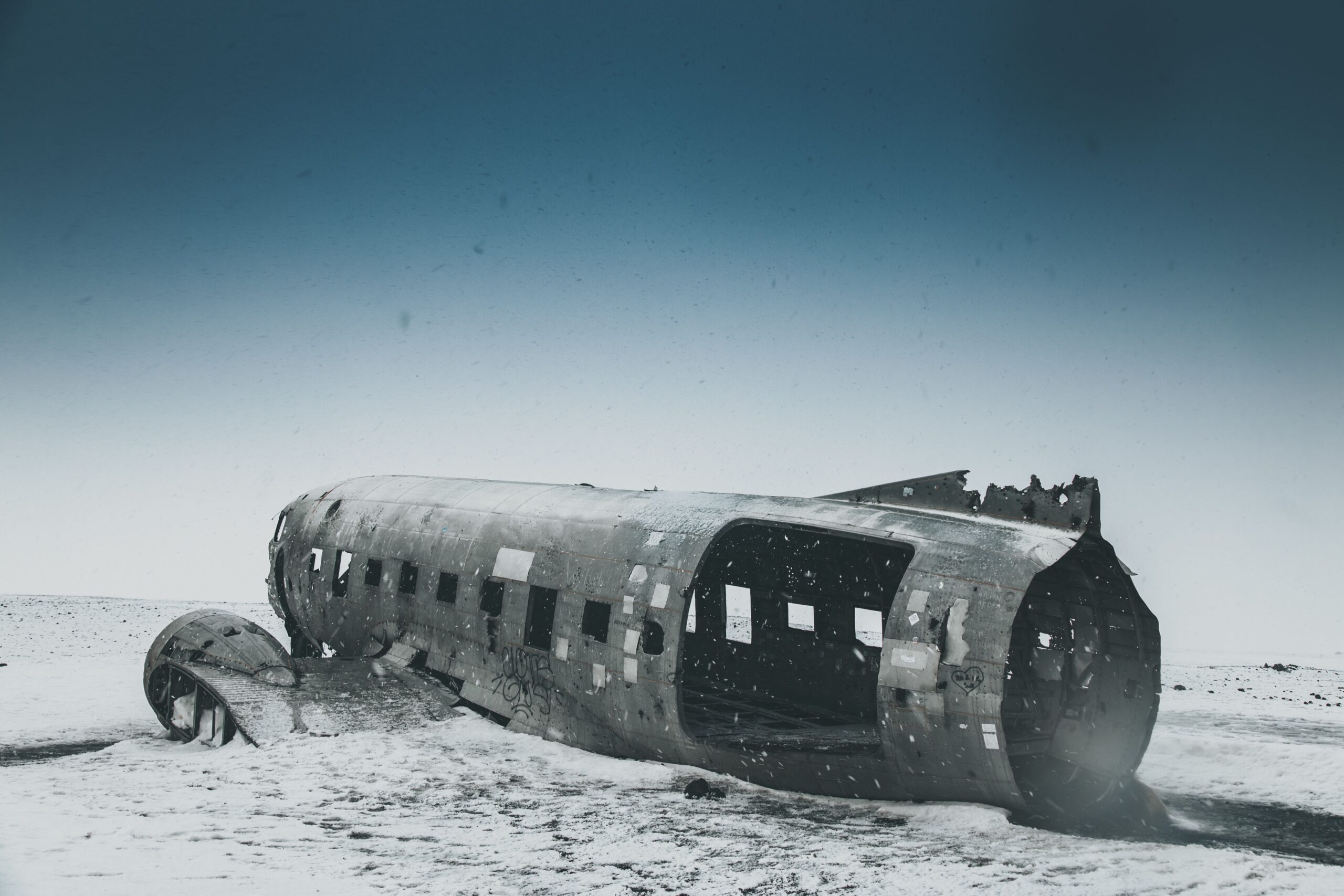
Few unsolved disappearances have fascinated the world quite like Amelia Earhart’s. Nearly nine decades after the pioneering aviator vanished over the Pacific Ocean, countless searches, theories and documentaries have attempted to explain what happened during the final hours of her record-breaking flight. Most have ended with more questions than answers.
Contents
show
Now, a new expedition believes it has the best opportunity in years to settle the mystery. Backed by Purdue University and the Archaeological Legacy Institute (ALI), a team of researchers is preparing to travel to one of the most remote islands on Earth in search of an object that some believe could be the remains of Earhart’s lost Lockheed Electra aircraft.
A Delayed Mission Is Finally Ready to Leave
The long-awaited Taraia Object Expedition is scheduled to depart in early October after receiving final approval from the government of Kiribati, the Pacific island nation that governs Nikumaroro Island and the surrounding Phoenix Islands Protected Area.
The project was originally announced in 2025 but spent a year waiting for permits before organisers were given permission to move forward. That approval has allowed a 16-person expedition to begin preparing for a journey that researchers hope could finally answer one of aviation’s greatest unanswered questions.
The expedition will bring together archaeologists, logistics specialists, scuba experts, safety personnel, filmmakers and representatives from Kiribati. Team members will gather in Tarawa before leaving by sea on October 7 for the six-day voyage across roughly 830 nautical miles to Nikumaroro.
Once they arrive, the crew will spend several days investigating an unusual object resting inside the island’s lagoon.
Richard Pettigrew, executive director of ALI and leader of the expedition, believes visiting the site is the only way to determine whether decades of research have pointed investigators in the right direction.
“The evidence supporting the Nikumaroro Hypothesis remains compelling, and the only way to answer this question is to go to Nikumaroro, inspect the Taraia Object firsthand and follow the evidence wherever it leads,” Pettigrew said when announcing the expedition.
The Strange Object That Changed Everything
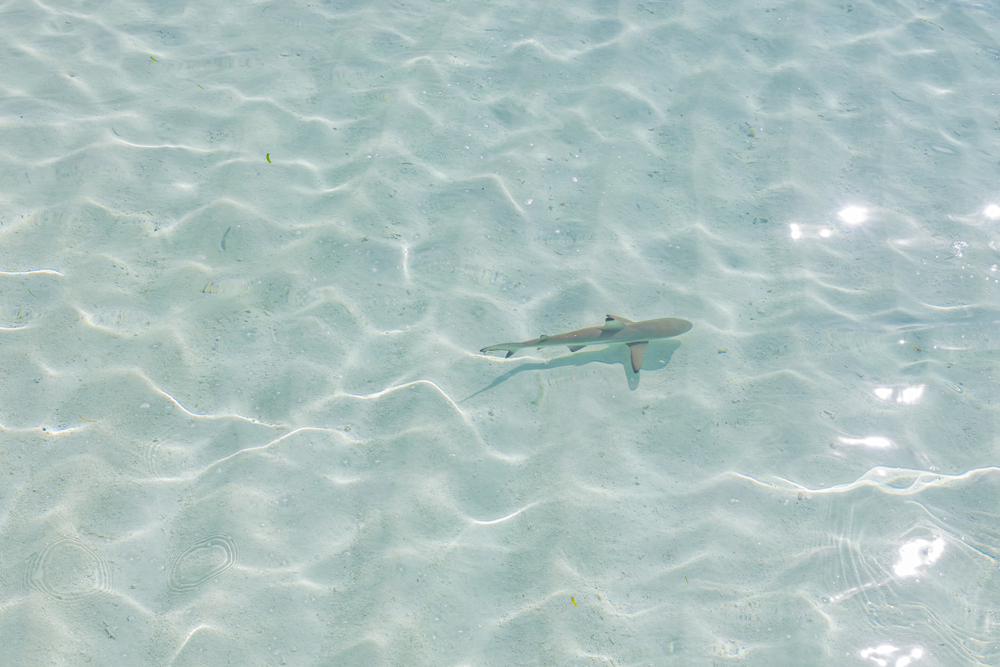
Unlike many previous searches that focused on the deep ocean, this mission centres on something researchers can actually see.
Known as the Taraia Object, the mysterious shape appears in satellite imagery inside a lagoon on Nikumaroro Island. It first attracted attention after changing sand patterns exposed it following a powerful tropical storm.
Researchers believe the object has remained in roughly the same position for decades. Some historical photographs and satellite images suggest it may have been sitting there far longer than anyone realised.
To supporters of the Nikumaroro Hypothesis, that possibility is difficult to ignore.
If Earhart successfully landed on the island after failing to locate Howland Island, her aircraft could have gradually shifted into the lagoon over time as storms and tides reshaped the coastline.
That theory forms the foundation of the upcoming expedition.
Not everyone agrees with the interpretation.
Veteran aviation accident investigator Ric Gillespie, who has spent decades researching Earhart’s disappearance, has argued that the satellite image simply shows a fallen coconut tree rather than an aircraft.
“We’ve looked there in that spot, and there’s nothing there,” Gillespie previously said.
That disagreement has only increased interest in the expedition. Rather than relying on satellite images alone, researchers will finally examine the object directly using equipment capable of determining whether metal components are hidden beneath the lagoon floor.
A Mystery That Has Captivated the World Since 1937
Amelia Earhart was already one of the world’s most celebrated aviators before her disappearance.
She became the first woman to fly solo across the Atlantic Ocean and consistently challenged expectations during an era when aviation remained heavily dominated by men.
In 1937 she embarked on what was intended to become the first flight around the world completed by a woman, travelling with navigator Fred Noonan aboard a Lockheed Electra 10-E.
The pair departed Miami in June and successfully completed much of the ambitious journey.
The final major challenge involved crossing the Pacific Ocean.
Their next destination was tiny Howland Island, an isolated strip of land that would serve as a refuelling stop before continuing the flight.
They never arrived.
Radio communications became increasingly desperate as Earhart struggled to locate the island despite assistance from the United States Coast Guard cutter Itasca.
On July 2, 1937, contact was lost.
Neither Earhart nor Noonan was ever seen again.
The disappearance quickly became international news and launched one of the largest search operations in aviation history. Despite enormous efforts involving ships and aircraft, no confirmed trace of the Electra was found.
Over the following decades, dozens of theories emerged.
Some suggested the aircraft exhausted its fuel supply before crashing into the Pacific Ocean.
Others proposed that Earhart survived on a remote island.
More speculative claims placed her in Japanese custody or living under a new identity after the flight.
Without physical evidence, none of those explanations could be confirmed.
Why Researchers Keep Returning to Nikumaroro
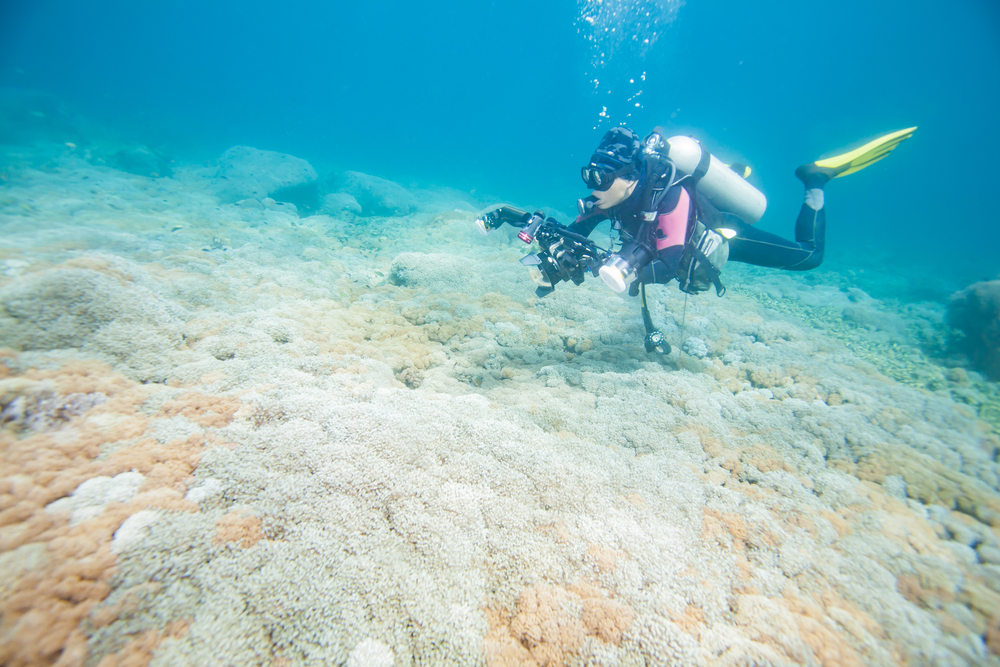
Among all the competing theories, one has steadily gained support from several researchers over recent decades.
Known as the Nikumaroro Hypothesis, it argues that Earhart and Noonan successfully reached the uninhabited coral island after failing to locate Howland Island.
According to the theory, they landed the Electra safely before becoming stranded without any realistic chance of rescue.
Researchers supporting the hypothesis point to several pieces of evidence gathered over many years.
Radio bearings collected shortly after Earhart disappeared have been interpreted as placing emergency transmissions near Nikumaroro.
Several artefacts dating from the 1930s have also been recovered on the island.
Among them are a woman’s shoe, a compact case, a freckle cream jar and a medicine vial. Supporters argue that the collection matches items someone like Earhart may have carried during the flight.
Another intriguing clue comes from what researchers call the Bevington Object.
Captured in a photograph taken only months after Earhart disappeared, the image appears to show an object protruding from the reef that some investigators believe resembles part of the Electra’s landing gear.
None of these discoveries alone proves Earhart reached the island.
Together, however, supporters believe they create a pattern that justifies another expedition.
Human Bones Added Another Layer to the Puzzle

One of the most controversial chapters in the investigation began in 1940 when human remains were discovered on Nikumaroro.
At the time, investigators concluded the bones likely belonged to a middle-aged man.
The remains themselves have since disappeared, preventing modern forensic testing.
Even so, the original measurements have remained available.
In 2018, University of Tennessee anthropology professor Richard Jantz reanalysed those historical records and concluded that the skeletal proportions were more consistent with Amelia Earhart than with the overwhelming majority of individuals included in his comparison database.
Supporters of the Nikumaroro Hypothesis argue that this analysis strengthens the possibility that Earhart survived long enough to die on the island.
Others remain cautious because the original bones can no longer be examined using modern DNA techniques.
The missing remains continue to represent one of the greatest frustrations in the decades-long investigation.
Even if the new expedition identifies Earhart’s aircraft, many questions surrounding her final days may never be answered completely.
Purdue’s Historic Connection to Earhart

For Purdue University, the expedition is about more than solving a famous mystery.
Earhart joined the university in 1935 as a career counsellor for women while also serving as an adviser to its Department of Aeronautical Engineering.
Her relationship with Purdue became one of the defining partnerships of her career.
Through the Amelia Earhart Fund for Aeronautical Research, Purdue helped finance the purchase of the Lockheed Electra that she affectionately called her “Flying Laboratory.”
She intended to return the aircraft to the university after completing her around-the-world flight so it could continue supporting aviation research for future generations.
That plan was never realised.
Today, Earhart’s legacy remains deeply connected to Purdue through its archives, aviation programmes and even the Amelia Earhart Terminal at Purdue University Airport.
Senior Vice President Steve Schultz, who will represent Purdue during the expedition, reflected on that connection while announcing the mission.
“For generations of Boilermakers, Amelia Earhart has been more than a pioneering aviator; she has been part of the Purdue family.”
He added, “She challenged conventions, pushed the boundaries of what was possible and inspired countless others to do the same. As we prepare to embark on this expedition, we do so with a deep sense of responsibility to her legacy and a determination to seek answers that have eluded the world for decades.”
How The Team Plans To Identify The Object
Unlike previous searches that relied largely on aerial surveys or deep-sea exploration, this expedition has a carefully planned investigation strategy focused on a single location inside Nikumaroro’s lagoon.
Once the team reaches the island, researchers will begin with non-invasive techniques designed to determine whether the Taraia Object contains man-made materials. According to the expedition plans, magnetometers and sonar equipment will be used first to detect buried metal and create images beneath the lagoon floor.
If those surveys produce encouraging results, the team will move to more detailed investigations using a hydro probe before carefully removing sediment around the object.
The cautious approach reflects both the sensitivity of the site and the possibility that the object, if it is an aircraft, may have been partially buried for decades.
Richard Pettigrew has expressed confidence that researchers will know fairly quickly whether they are looking at something historically significant.
If the object proves to be Earhart’s Electra, organisers believe the discovery would only mark the beginning of a much larger archaeological effort. Current plans call for a full excavation in 2027, followed by a potential recovery operation if conditions allow.
The October expedition, therefore, is not expected to recover the aircraft itself. Its primary purpose is to answer one critical question: what exactly is resting beneath the lagoon?
The Debate Has Never Truly Ended
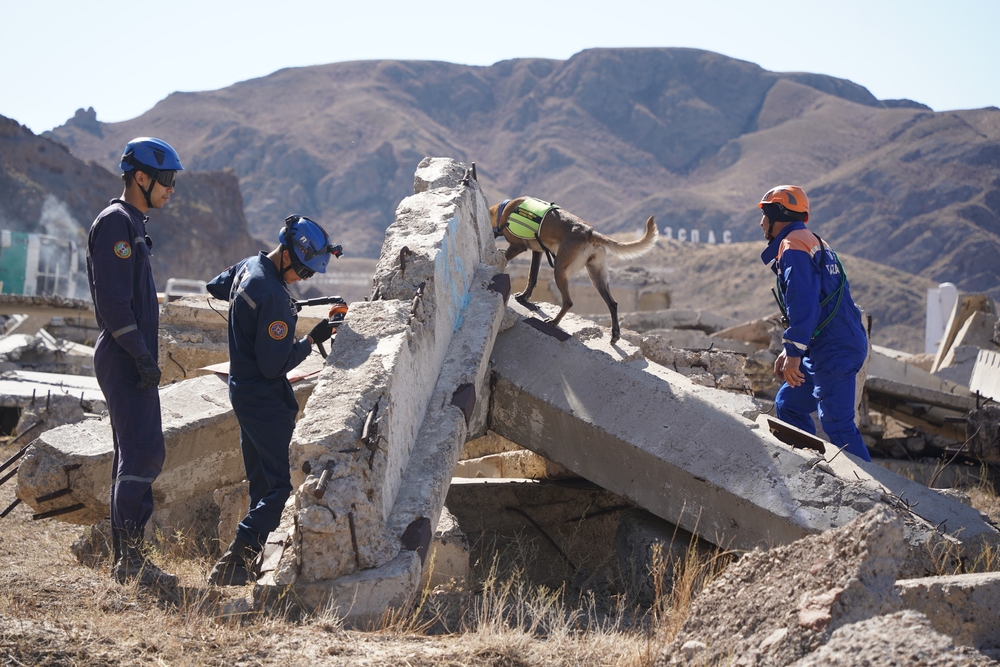
One reason Earhart’s disappearance continues to capture public imagination is that every new clue seems to create fresh debate rather than consensus.
Supporters of the Nikumaroro Hypothesis argue that multiple independent pieces of evidence point toward the island.
Among the evidence cited by expedition organisers are:
- Radio bearings from emergency transmissions that appear to converge near Nikumaroro.
- Human remains discovered in 1940 that were later reanalysed and suggested to be consistent with Earhart’s proportions.
- Personal items dating to the 1930s, including a woman’s shoe, compact case, medicine vial and freckle cream jar.
- The so-called Bevington Object, photographed only months after the disappearance and believed by some researchers to resemble part of the Electra’s landing gear.
- The Taraia Object itself, which supporters believe has remained in the lagoon since the late 1930s.
To believers, the pieces fit together into a compelling narrative.
Sceptics, however, argue that none of the evidence directly proves Earhart reached the island.
The satellite anomaly remains open to interpretation, the human bones no longer exist for modern testing and the recovered artefacts cannot be conclusively linked to Earhart herself.
Perhaps the strongest criticism comes from aviation investigator Ric Gillespie, who has maintained that researchers have already examined the lagoon location without finding an aircraft.
His conclusion that the object is simply a fallen coconut tree highlights how sharply divided opinions remain, even among experts who have devoted years to studying the disappearance.
The October expedition is expected to provide data that could strengthen one side of that debate considerably.
A Search Filled With False Hope
The excitement surrounding the Taraia Object is understandable because previous searches have repeatedly appeared promising before ending in disappointment.
Only a few years ago, another expedition searching the Pacific Ocean believed it had located the outline of Earhart’s aircraft on the seabed.
Images captured by an underwater drone seemed to reveal the unmistakable shape of a plane resting thousands of metres below the surface.
For a brief period, many observers wondered whether the mystery had finally been solved.
Closer analysis eventually revealed the object was nothing more than an unusual rock formation.
That discovery joined a long list of supposed breakthroughs that ultimately failed to provide convincing evidence.
Similar moments have occurred throughout the decades.
Reports of aircraft wreckage, mysterious radio transmissions and eyewitness accounts have each generated headlines before being challenged or disproved.
Those repeated disappointments explain why many historians remain cautious despite the optimism surrounding the new expedition.
The team travelling to Nikumaroro is well aware of that history. Rather than declaring they have found Earhart’s aircraft, organisers have consistently described the mission as an effort to investigate an anomaly and allow the evidence to determine the outcome.
That measured approach may ultimately give the findings greater credibility, regardless of what researchers discover.
Why Earhart’s Legacy Still Resonates Today
Amelia Earhart’s story has endured because it represents far more than an unsolved aviation accident.
She became a global symbol of determination during a period when opportunities for women in aviation were extremely limited.
Each record she broke challenged long-standing assumptions about who belonged in the cockpit.
Her achievements inspired generations of pilots, engineers and explorers long before discussions about equality became commonplace in many professions.
That influence continues today.
Museums preserve her writings and personal belongings. Schools teach students about her accomplishments. Aviation enthusiasts continue studying every detail of her final journey, hoping that one missing piece will eventually complete the puzzle.
For Purdue University, the expedition also carries emotional significance.
The Electra was never intended to disappear forever. Earhart planned to return the aircraft to Purdue after completing her around-the-world flight so it could support future aeronautical research.
If the aircraft is eventually identified and recovered, it would reconnect the university with an important part of its own history while providing historians with an extraordinary archaeological discovery.
The World May Soon Be Closer To An Answer
After almost 90 years of theories, rumours and unsuccessful searches, the upcoming expedition represents one of the most focused attempts yet to investigate a specific piece of evidence.
Whether the Taraia Object proves to be the wreckage of Amelia Earhart’s Lockheed Electra or simply another natural feature of Nikumaroro, researchers expect the mission to provide answers that satellite images alone never could.
For generations, Earhart’s disappearance has remained one of history’s greatest unsolved mysteries. Within days of arriving on the remote Pacific island this October, investigators may discover whether the object hidden beneath the lagoon brings the world one step closer to solving it, or whether the search for aviation’s most famous missing aircraft must continue into another chapter.