
Your cart is currently empty!
Amsterdam Cracks Down on Meat and Fossil Fuel Advertising
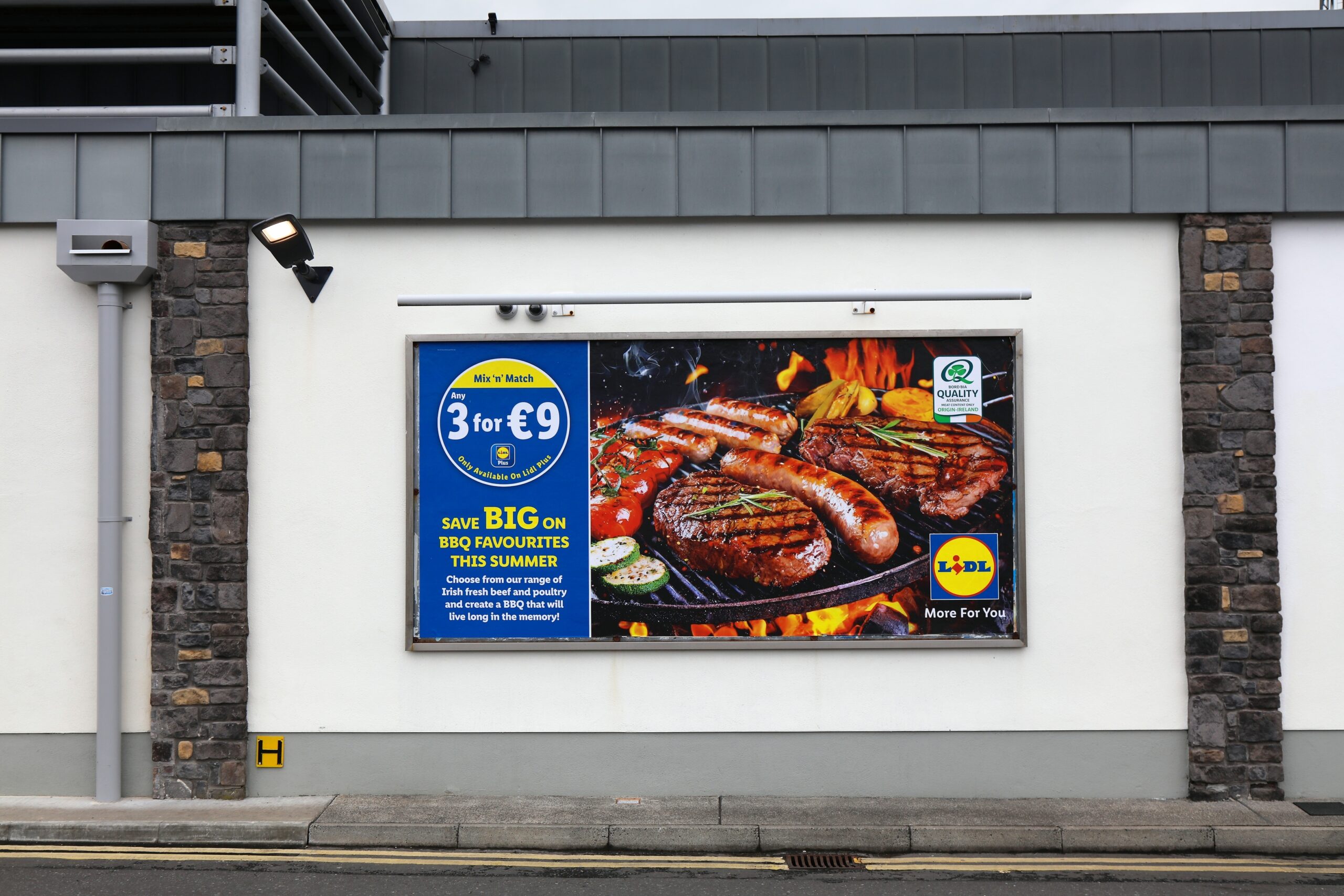
Amsterdam’s tram stops used to be packed with giant burger ads, cheap flight promotions, and glossy SUV campaigns. Now many of those billboards have disappeared.
Contents
show
Since May 1, the Dutch capital has officially banned public advertising for meat products and fossil fuel-related industries across city-controlled spaces. The move has triggered praise from climate activists, outrage from industry groups, and a growing debate about how far governments should go when trying to shape public behavior.
The city says it is trying to align its advertising policies with its climate goals. Critics say it is crossing into social engineering. Either way, Amsterdam has become the first capital city in the world to take this kind of step, and people across Europe are paying close attention.
Amsterdam’s Streets Look Different Overnight
At some of Amsterdam’s busiest tram stops, the visual change has been immediate.
Advertisements for chicken nuggets, airline deals, gasoline-powered cars, and cruise holidays have been replaced with museum promotions, music events, and cultural campaigns. According to local officials, this is part of a wider strategy to push the city toward carbon neutrality by 2050.
The ban applies to advertising spaces controlled by the municipality, including:
- Tram shelters
- Metro station screens
- Public billboards
- Sidewalk advertising panels
- Transit-related display spaces
The restrictions target products and services linked to high carbon emissions. That includes meat products such as beef, pork, chicken, and fish, along with airlines, cruises, fossil fuel companies, and gasoline-powered vehicles.
Anneke Veenhoff from Amsterdam’s GreenLeft Party defended the policy in comments reported by multiple outlets.
“The climate crisis is very urgent,” she said. “If you want to be leading in climate policies and you rent out your walls to exactly the opposite, then what are you doing?”
Supporters say the city is simply trying to stop promoting behaviors it is simultaneously trying to reduce through climate policy.
Why Meat Was Included Alongside Fossil Fuels

The inclusion of meat advertising has become one of the most controversial parts of the decision.
Many people expected restrictions on fossil fuel companies or airline promotions. Seeing burgers and meat products grouped into the same category surprised even some environmental supporters.
Climate researchers, however, have increasingly linked industrial meat production to greenhouse gas emissions.
Livestock farming contributes significant methane emissions, while meat and dairy production account for a major share of food-related emissions worldwide. Environmental campaigners argue that large-scale meat consumption has become part of a high-carbon lifestyle.
Amsterdam officials say the city plans to cut meat consumption in half by 2050 as part of broader climate targets.
Anke Bakker from the Party for the Animals helped push the measure forward. She rejected claims that the city was acting like a “nanny state.”
“Everybody can just make their own decisions,” she said. “But actually we are trying to get the big companies not to tell us all the time what we need to eat and buy.”
She also argued that removing advertising pressure could give people more freedom instead of less.
“In a way, we’re giving people more freedom because they can make their own choice.”
The comparison some activists are now making is even more striking.
Activists Compare Meat Ads To Tobacco Campaigns

Environmental lawyer Hannah Prins believes public attitudes toward meat advertising could eventually shift the same way attitudes toward smoking changed decades ago.
She pointed to old tobacco campaigns featuring famous athletes and celebrities.
“If I look now back at old pictures, you have Johan Cruyff,” Prins said, referring to the legendary Dutch football player. “He would be in advertisements for tobacco. That used to be normal.”
Cruyff later died from lung cancer.
Prins said people now look back at those advertisements with disbelief. She believes future generations could react similarly to giant meat campaigns dominating public spaces.
“That you were allowed to smoke on the train, in restaurants, that feels so weird now,” she said.
For campaigners, the issue is not simply about individual choices. It is about normalization.
They argue that constant exposure to ads influences behavior over time. A giant burger poster at a train station does more than sell food. It reinforces the idea that consuming large amounts of meat is normal, desirable, and aspirational.
That argument draws heavily from strategies once used in anti-smoking campaigns.
Public health experts spent decades reducing tobacco advertising visibility. Cigarette sponsorships disappeared from sports, television, and public spaces in many countries.
Climate activists now believe fossil fuel advertising should face similar restrictions.
The Science Behind Advertising And Human Behavior

Behavioral scientists say the idea behind these bans is not completely symbolic.
Researchers have long argued that advertising shapes social norms by repeatedly exposing people to certain products and lifestyles.
Reint Jan Renes, a behavioral psychologist researching sustainability in cities, described the tension between Amsterdam’s climate goals and the advertising people see every day.
“The moment you really take your own climate policy seriously, then you should at least restrict the availability of all those promotional materials,” he said.
Another sustainability expert, Jan Willem Bolderdijk from the University of Amsterdam, argued that many high-carbon habits have been normalized over decades through advertising.
“We’ve now adopted a relatively carbon-intensive lifestyle,” he explained, “and that lifestyle is partly normalized and created by advertisement.”
The theory behind these restrictions is linked to what economists once called the “dependence effect.” The idea suggests advertising can create artificial wants and reinforce behaviors people might not otherwise prioritize.
Critics often dismiss billboard bans as symbolic politics.
Supporters counter that social behavior rarely changes overnight.
Instead, they point to historical examples.
What Happened With Tobacco Advertising
Governments around the world spent decades reducing tobacco marketing.
Researchers later found those restrictions were associated with lower smoking rates and fewer new smokers.
Climate campaigners now argue that fossil fuel advertising deserves similar treatment because of its role in emissions and public health damage.
Burning oil, gas, and coal contributes heavily to climate change and air pollution.
Transportation alone accounts for roughly a quarter of global greenhouse gas emissions.
Supporters of the Amsterdam policy believe reducing the visibility of high-carbon lifestyles could slowly influence consumer habits.
Researchers Are Watching Closely
Not everyone believes the ban will dramatically change behavior.
Professor Joreintje Mackenbach from Amsterdam University Medical Center called the policy “a fantastic natural experiment.”
She explained that public advertising can normalize certain consumption habits.
“If we see advertisements for fast food everywhere, it normalizes the consumption behavior of fast consumption,” she said.
She pointed to studies suggesting London’s ban on junk food advertising in public transit spaces reduced purchases of unhealthy foods.
Researchers are now watching Amsterdam closely to see whether similar effects emerge with meat and fossil fuel advertising.

Critics Say The Ban Goes Too Far
The backlash has been immediate.
Industry groups, advertisers, and some conservative politicians say the city is interfering too heavily in personal freedom and commercial rights.
The Dutch Meat Association criticized the move as “an undesirable way to influence consumer behavior.” The group also argued that meat provides essential nutrients and should remain visible and accessible.
Travel industry representatives have also attacked the restrictions.
The Dutch Association of Travel Agents and Tour Operators described the airline advertising ban as a disproportionate curb on commercial freedom.
Outdoor advertising companies are also concerned.
Amsterdam’s public spaces generate revenue through advertising contracts, and fossil fuel-related industries have historically spent heavily on marketing.
Some critics argue the city is selectively targeting legal products while pretending public advertising is the main cause of climate change.
Others fear the precedent.
If governments can ban ads for meat or flights, opponents ask where the line will eventually be drawn.
Would sugary foods be next? Alcohol? Fast fashion?
The free speech argument has already appeared in Dutch courts.
Travel industry groups previously challenged similar fossil fuel advertising bans introduced in The Hague.
A Dutch court rejected those arguments and ruled that commercial advertising does not receive the same level of constitutional protection as individual free speech.
The court also stated that public health and climate goals justified the restrictions.
That decision has strengthened campaigners pushing for similar measures elsewhere.
Other Cities Are Already Following The Same Path
Amsterdam may be the first capital city to introduce a combined meat and fossil fuel advertising ban, but it is not acting alone.
Several Dutch cities have already introduced similar restrictions.
Haarlem became the first city in the world to announce a broad ban on meat advertising back in 2022. The measure officially took effect in 2024.
Utrecht and Nijmegen later followed with their own restrictions targeting meat, dairy, fossil fuel advertising, and airline promotions.
Outside the Netherlands, a growing number of cities are experimenting with fossil fuel advertising bans.
Cities that have adopted or explored similar restrictions include:
- Stockholm
- Edinburgh
- Sheffield
- Florence
- Sydney
- The Hague
France has already implemented a nationwide ban on certain fossil fuel advertising.
Spain has also discussed broader national restrictions.
At the global level, United Nations Secretary-General Antonio Guterres has openly called for bans on fossil fuel advertising.
“In the case of climate, we are not the dinosaurs,” Guterres said during a speech in 2024. “We are the meteor.”
That language reflects how seriously many international leaders now view advertising linked to high emissions.
The Digital Advertising Problem
Despite the headlines, Amsterdam’s new rules have limits.
The ban only applies to city-controlled public spaces.
Private businesses can still advertise products on their own property. More importantly, digital advertising remains untouched.
A person waiting for a tram in Amsterdam may no longer see a giant burger poster or a cheap airline deal.
But those same promotions still appear constantly online.
Social media algorithms continue pushing fast food, airline discounts, luxury travel experiences, and gasoline-powered vehicles directly into people’s phones.
That raises a difficult question for campaigners.
How much influence do public advertising bans really have when digital platforms dominate modern marketing?
Experts say the answer is complicated.
Outdoor advertising still shapes city environments and public culture. Billboards create a sense of what society celebrates and values.
At the same time, online advertising is now vastly larger and more targeted than public transit campaigns.
Climate activists acknowledge that billboard restrictions alone will not solve emissions problems.
Jan Willem Bolderdijk described the bans as one part of a much larger package of interventions.
“It’s really a package of interventions that together can change these carbon-intensive social norms,” he said.
That package includes transportation policy, renewable energy investment, urban design changes, and food system reforms.
Still, campaigners believe symbolic changes matter.
Removing certain products from public spaces sends a cultural message about what cities want to encourage and discourage.
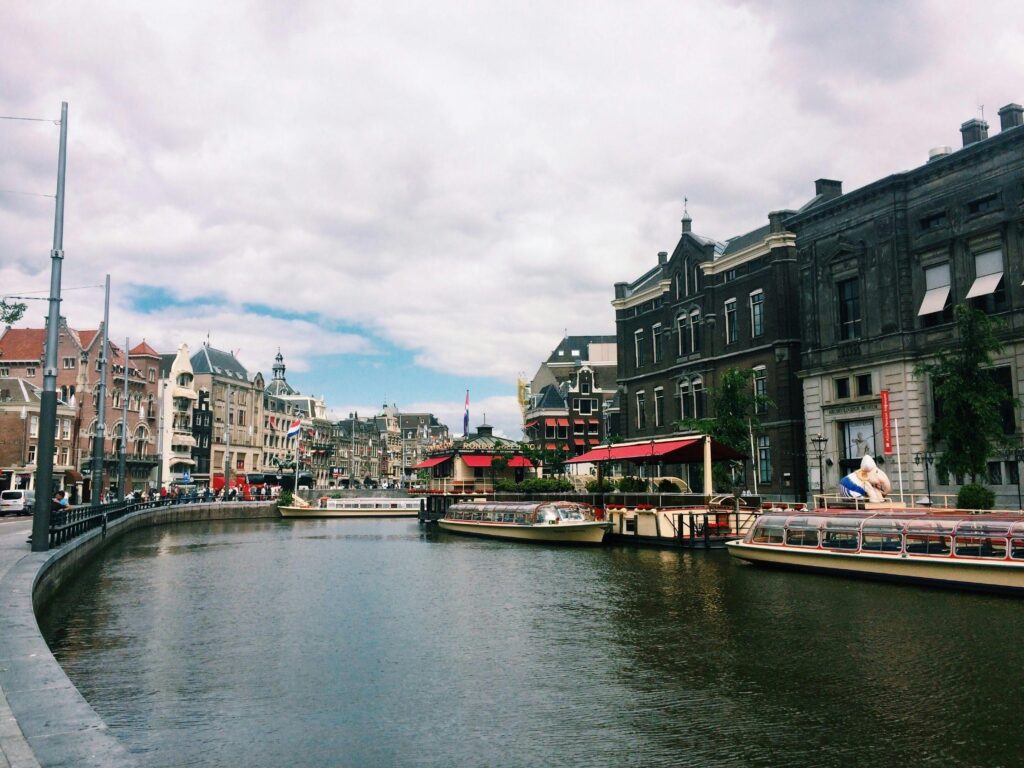
Amsterdam’s Climate Goals Are Becoming More Aggressive
The advertising ban is only one piece of Amsterdam’s broader climate strategy.
The city has committed to becoming carbon neutral by 2050. Officials are also pushing major changes in transportation, construction, energy use, and food consumption.
Amsterdam has already promoted cycling infrastructure heavily for years.
The city continues investing in electric transportation and cleaner public transit systems. It has also explored restrictions on polluting vehicles entering certain areas.
Food policy has become a newer battleground.
Climate researchers increasingly argue that reducing emissions from transportation alone will not be enough to meet global climate targets.
Agriculture, especially industrial livestock production, has moved into the center of climate debates.
That shift explains why meat advertising has become politically charged.
For many people, eating meat still feels deeply personal and cultural.
Supporters of the ban insist the city is not outlawing meat consumption.
Residents can still buy burgers, steaks, chicken, and fish throughout Amsterdam.
The city is targeting public promotion rather than personal behavior.
Critics remain skeptical.
They argue the distinction between discouraging and controlling behavior is becoming increasingly blurred.
The debate now extends far beyond Amsterdam.
Why This Story Has Exploded Across Social Media

The Amsterdam decision has gone viral partly because it combines several of the internet’s favorite culture war topics.
Climate change.
Personal freedom.
Food.
Government regulation.
Travel.
Consumer behavior.
People across social media have interpreted the move in dramatically different ways.
Supporters describe it as a bold attempt to align public policy with environmental science.
Critics frame it as an example of governments trying to police ordinary lifestyles.
The images themselves have fueled the debate.
Photos showing Amsterdam tram stops without fast food or airline promotions spread quickly online.
To some viewers, the cleaner advertising spaces look calmer and less commercial.
To others, the shift feels ideological.
That emotional split is one reason the story has traveled so widely.
Unlike abstract climate reports filled with scientific charts, billboard bans are highly visible. People can immediately imagine the effect in their own cities.
Would New York remove burger ads from subway stations?
Could London eventually ban airline campaigns from public transit?
Would Los Angeles stop promoting SUVs?
Those possibilities sound radical now.
But supporters point out that tobacco advertising bans once sounded radical too.
The Bigger Fight Over High-Carbon Lifestyles
At its core, the Amsterdam controversy reflects a larger global shift.
Climate policy is increasingly moving beyond energy companies and into everyday life.
Governments are now debating not only how products are made, but how lifestyles are marketed.
For decades, advertising helped build aspirational images around flying frequently, driving large vehicles, and consuming heavily.
Environmental campaigners argue those messages conflict directly with climate targets.
Opponents believe targeting lifestyle advertising risks turning governments into moral gatekeepers.
That tension is unlikely to disappear anytime soon.
The Intergovernmental Panel on Climate Change has estimated that changes in consumer behavior and lifestyle patterns could significantly reduce future emissions.
The challenge is figuring out how societies encourage those changes.
Taxes, bans, incentives, public campaigns, infrastructure projects, and education policies are all part of the conversation.
Amsterdam has chosen one of the most visible approaches possible.
Instead of simply asking residents to change, the city has started changing the visual environment itself.
The results are already impossible to ignore.
What Amsterdam’s Ban Could Mean For Other Cities
Campaigners believe Amsterdam’s policy could become a blueprint.
Cities around the world are watching closely to see whether the restrictions survive politically, legally, and culturally.
If the policy remains popular, other governments may feel more confident introducing similar measures.
The Netherlands has already become one of the global testing grounds for climate-focused advertising restrictions.
That matters because local governments often influence broader national policy.
Smoking restrictions once started city by city before spreading internationally.
Supporters hope fossil fuel and meat advertising bans could follow a similar path.
Even critics admit the symbolism is powerful.
A capital city removing burgers, flights, and gasoline-powered vehicles from its public advertising landscape would have sounded unthinkable not long ago.
Now it is real.
Tourists arriving in Amsterdam will still find restaurants serving meat and planes landing every day at Schiphol Airport.
But the city itself is beginning to project a different image.
Less consumption.
Less fuel.
Less pressure to buy.
Whether that approach changes behavior in a measurable way remains uncertain.
What is already clear is that Amsterdam has pushed the climate debate into a new phase, one that reaches directly into the spaces people walk through every single day.
And for cities trying to balance climate targets with public opinion, this may only be the beginning.