
Your cart is currently empty!
Antidepressant Duloxetine Recalled Over a Potentially Cancer-Causing Impurity
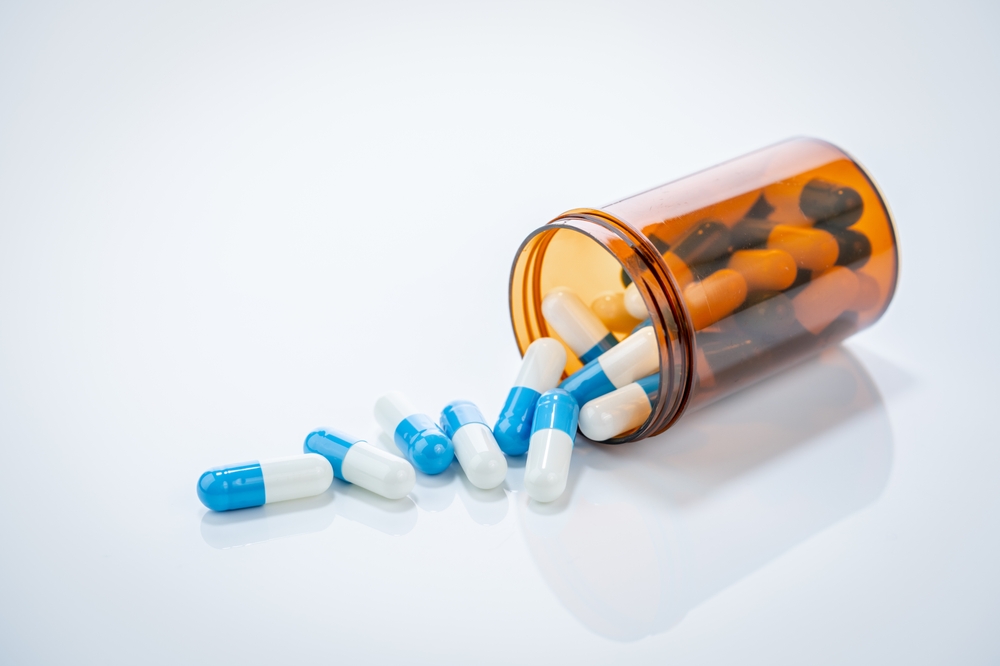
Nearly 370,000 bottles of a medication that millions of Americans rely on every day have been pulled from circulation, and the reason behind the recall is enough to make any patient pause. Lab testing detected a compound in the pills that has been linked to cancer, prompting the distributor to voluntarily remove a substantial quantity of the drug from the supply chain.
Contents
show
The word “cancer” tends to overshadow everything around it, and a recall framed in those terms can understandably set off alarm among the people taking the medication. Yet the fuller picture is considerably more measured than the headline alone implies, and the practical question for patients, including what to do with a bottle already in the cabinet, has an answer that runs counter to a person’s first instinct.
What’s Being Recalled And Why
The recall covers nearly 370,000 bottles of duloxetine delayed-release capsules. The medication was manufactured by Towa Pharmaceutical, through its European arm Towa Pharmaceutical Europe, and distributed in the United States by Breckenridge Pharmaceutical Inc., which initiated the voluntary recall.
At the center of the action is an impurity called N-nitroso-duloxetine. According to the U.S. Food and Drug Administration, the affected capsules contained levels of this compound that exceeded the agency’s recommended interim limit, which is what triggered the recall. The affected products span both the 30mg and 60mg dosages. According to the California State Board of Pharmacy, which also issued notice of the recall, Breckenridge was not aware of any reports of adverse events that had been assessed as related to it. Both the manufacturer and distributor were contacted for comment by multiple news outlets, with no immediate response reported.
The Drug Millions Rely On
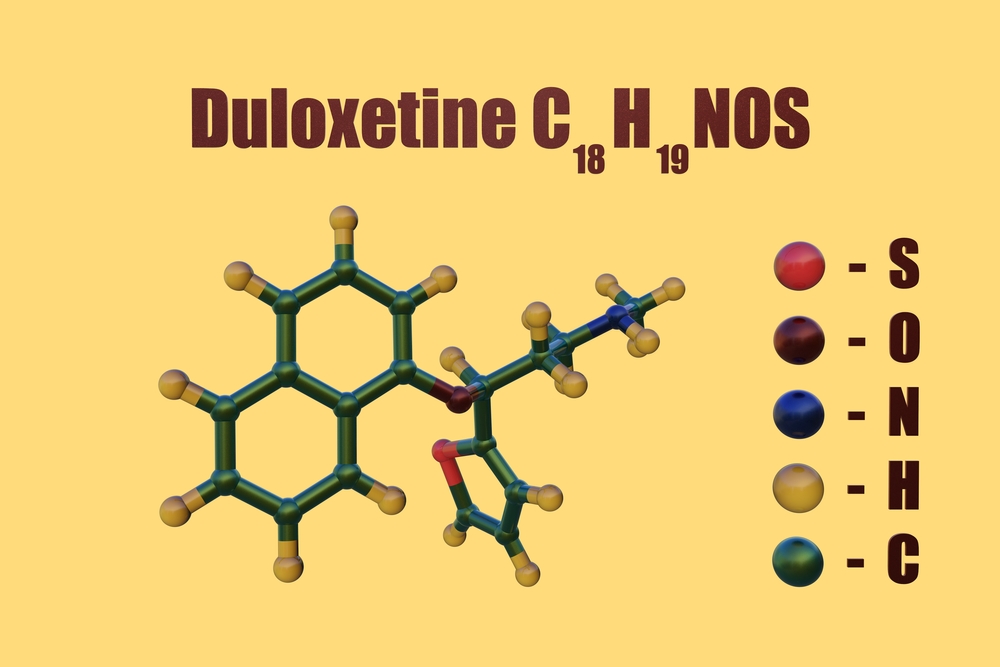
Part of what gives this recall its weight is how widely duloxetine is used. Sold under the brand name Cymbalta, the medication is a selective serotonin and norepinephrine reuptake inhibitor, a class of drugs that works by increasing serotonin and norepinephrine in the brain, two chemicals that help regulate both mood and pain.
Its applications reach well beyond a single condition. While duloxetine is commonly prescribed for depression and anxiety, it is also used to treat fibromyalgia and certain types of nerve or joint pain, including the nerve pain associated with diabetes. That broad range of uses means the medication shows up in the daily routines of millions of people managing a variety of physical and mental health conditions, which is precisely why a contamination concern draws such attention.
Understanding The Impurity At The Center Of It
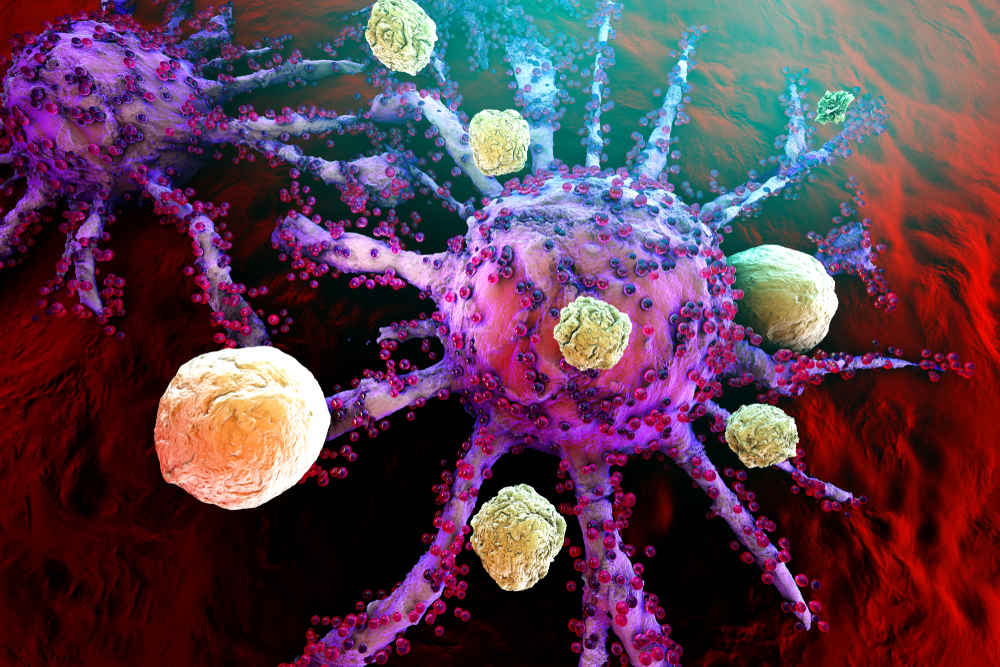
N-nitroso-duloxetine belongs to a family of compounds known as nitrosamines, and understanding that family is key to understanding the recall. Some nitrosamines are considered probable human carcinogens, and the National Library of Medicine describes this particular compound as suspected of causing cancer and toxic if swallowed. Taken in isolation, that description sounds dire.
The important context, and the part that tempers the alarm, is that nitrosamines are a routine part of everyday life rather than an exotic contaminant. They appear in water and in a range of common foods, including cured and grilled meats, dairy products, beer, and vegetables, which means that everyone is exposed to some level of them regardless of what medications they take. As the California State Board of Pharmacy explained in its notice, these impurities may increase the risk of cancer if people are exposed to them above acceptable levels over long periods of time, language that places the emphasis squarely on quantity and duration rather than on any single dose.
These compounds form when nitrates, often used as preservatives, react with substances called amines, a process accelerated by high temperatures or stomach acid. In medications specifically, nitrosamines can arise through chemical reactions during manufacturing, through contaminated ingredients, or by breaking down over time due to heat, moisture, and interaction with packaging. In other words, their presence in a drug is usually a byproduct of how the medication is made or stored rather than an intentional ingredient.
How Serious Is The Risk, Really

The recall’s classification offers a useful gauge of how regulators themselves view the danger. The FDA designated this a Class II recall, the agency’s second most serious category, which it defines as a situation in which use of or exposure to the product may cause temporary or medically reversible adverse health consequences, or where the probability of serious adverse health consequences is remote.
Several factors point toward a measured rather than acute level of concern. The health risks associated with nitrosamines generally depend on the amount and duration of exposure, with higher levels over longer periods posing the greater worry. The FDA has stated that people exposed to these impurities at or below the acceptable daily intake limit are not expected to have an increased risk of cancer. The agency also notes that there is no specific evidence directly linking N-nitroso-duloxetine to cancer; the concern derives from the broader class it belongs to rather than from proven harm caused by this exact compound. Taken together, these points frame the recall as a precautionary measure built around long-term exposure thresholds, not evidence of immediate danger to anyone who has taken the affected pills.
Why Patients Shouldn’t Just Stop Taking It

For anyone taking duloxetine, the most important guidance may be the most counterintuitive: do not stop taking it abruptly because of the recall. Suddenly discontinuing the medication carries its own real risks, as withdrawal effects can set in quickly and linger. Those effects can appear in as little as a few hours after stopping and may last for up to six weeks, a difficult stretch for someone managing depression, anxiety, or chronic pain.
For that reason, the FDA has previously recommended that patients talk to their healthcare professional about the best course of action for their health if they have a medication that has been recalled. That advice applies directly here. Rather than making a unilateral decision to quit, patients are far better served by checking whether their specific medication is affected and consulting a doctor or pharmacist about how to proceed, including arranging a replacement supply if needed.
How To Check If Your Medication Is Affected

Determining whether a particular bottle falls under the recall comes down to its lot number, which is printed on the packaging. The recall applies only to specific lots rather than to all duloxetine on the market, so patients can check their bottle against the affected codes.
The impacted lot codes are 241074C, 240317, 240318, 240315C, 240373C, 240370C, 240375C, 240413C, 240316, 232311, 240978C, 241052C, and 241180C. For the 60mg delayed-release capsules, the recall notice references National Drug Code numbers including 51991-748-10 for the 1,000-count size and 51991-748-90 for the 90-count size. Anyone who finds a matching lot number, or who is simply unsure whether their prescription is involved, should contact their pharmacy or healthcare provider, both of which can confirm whether corrective action is needed and advise on next steps.
Not The First Time: A Pattern Of Nitrosamine Recalls

This recall does not stand alone, and viewing it within a broader pattern offers some reassurance that the system catching these impurities is working as intended. It marks the second duloxetine recall tied to the same compound, following an October 2024 action in which Breckenridge pulled more than 7,000 bottles over potential nitrosamine contamination. The latest recall is far larger in scale but stems from the same underlying concern.
Nitrosamine issues have prompted a series of high-profile drug recalls in recent years. Pfizer recalled its popular anti-smoking medication Chantix in 2021 after it was found to contain too much N-nitroso-varenicline, another nitrosamine. Metformin, a widely used diabetes drug, has been recalled multiple times, most recently in 2021, over possible carcinogens. The blood pressure medications known as ARBs, including losartan and valsartan, as well as the heartburn drug ranitidine sold as Zantac, have all been part of the FDA’s broader scrutiny of nitrosamine impurities. In response to these recurring problems, the agency has issued updated guidance to drug manufacturers on how to detect and prevent unacceptable levels of these impurities in their products, reflecting an ongoing regulatory effort rather than a one-off response.
The Bottom Line For Patients
Stripped of the alarming shorthand, the situation amounts to this: a genuine recall worth taking seriously, but not a cause for panic and certainly not a reason to abandon a medication that manages serious conditions. The compound at issue is one that people encounter in small amounts throughout ordinary life; the risk it poses is tied to high exposure over long stretches of time, and no adverse events have been connected to the recalled pills.
The sensible response is straightforward. Patients should check the lot number on their bottle against the recalled list, and anyone whose medication is affected, or who simply has questions, should reach out to a pharmacist or physician rather than stopping the drug on their own. For a medication that millions depend on to function day to day, that measured approach protects against both the remote risk of the impurity and the more immediate risk of going without treatment.
antidepressant recall, anxiety medication, Breckenridge Pharmaceutical, cancer-causing impurity, Class II recall, Cymbalta, depression medication, drug recall, drug safety, duloxetine, FDA, FDA recall, fibromyalgia, medication safety, N-nitroso-duloxetine, nerve pain, nitrosamine, prescription medication, SNRI, Towa Pharmaceutical