
Your cart is currently empty!
Arctic Sea Ice Falls to a Historic New Low
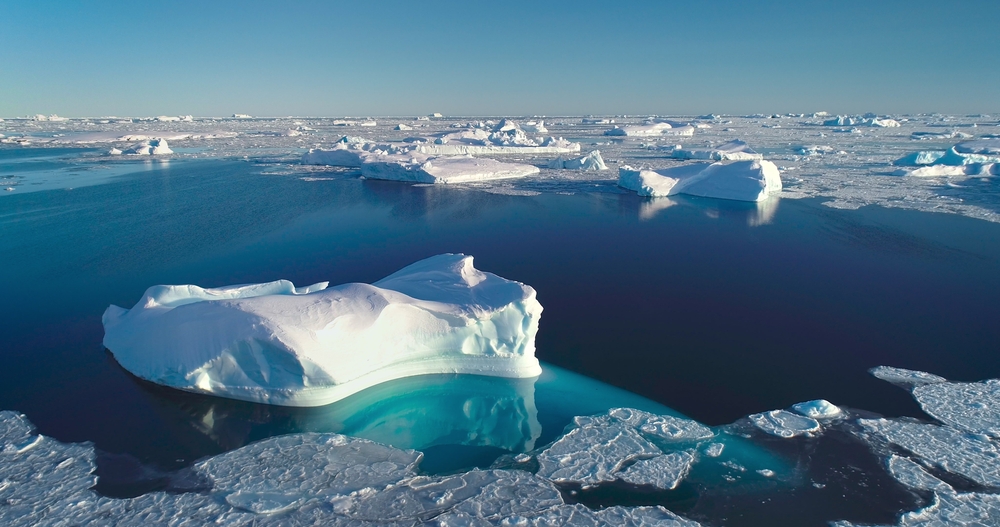
When picturing the Arctic, it is easy to imagine a vast and permanent expanse of white, far removed from the daily weather experienced around the globe. Yet, this remote frozen ocean acts as the crucial regulatory engine for the entire planet, keeping global climates stable and predictable. Recently, satellites monitoring the top of the world captured a historic milestone that challenges the notion of a permanent deep freeze.
Contents
show
As the vital winter ice struggles to form, the consequences of this shrinking shield are quietly preparing to ripple outward, threatening to reshape familiar weather patterns, disrupt delicate biological networks, and alter distant coastlines.
Decoding the Lowest Winter Extent on Record
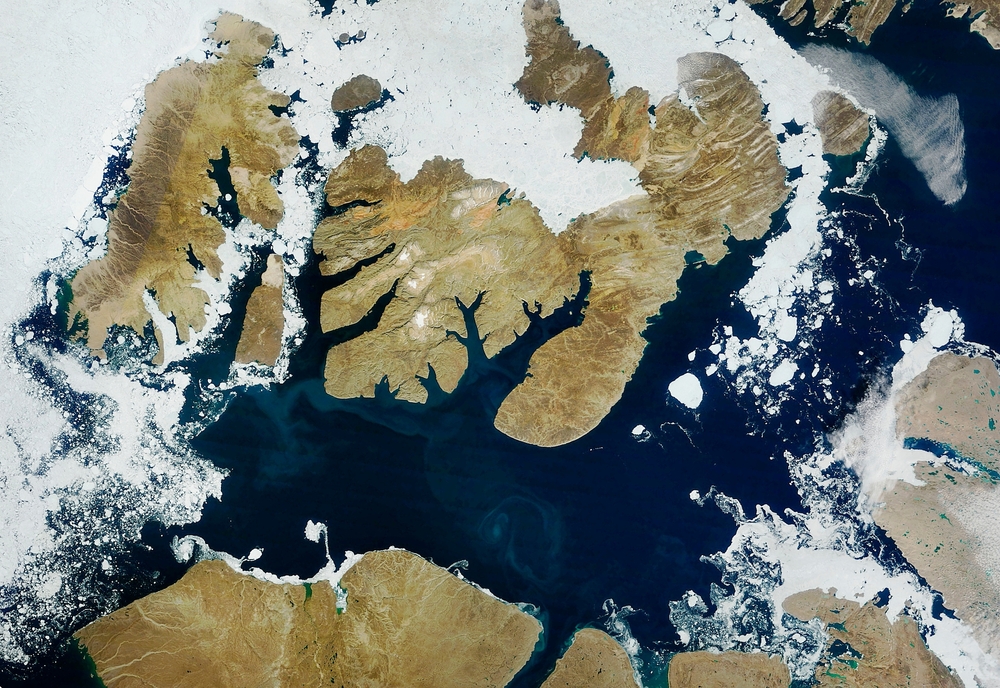
The Earth’s northernmost region is experiencing a profound transformation, one that carries significant implications for the global climate. On March 15, 2026, the Arctic sea ice reached its maximum winter extent at just 14.29 million square kilometers, or roughly 5.52 million square miles. According to scientists at the National Snow and Ice Data Center, this figure statistically ties with the previous year for the lowest winter peak recorded in the entire 48-year history of satellite observation.
To put this profound loss into perspective, this year’s winter peak is approximately 1.36 million square kilometers below the historical average recorded between 1981 and 2010. The missing ice is equivalent to an area about twice the size of Texas.
While annual fluctuations are a natural part of the Earth’s climate system, experts emphasize that the broader pattern is what requires focused attention. Walt Meier, a senior research scientist at the National Snow and Ice Data Center, explains the gravity of the recent measurements. “This record low maximum gives a head start to the spring and summer melt season,” Meier notes. “One or two record low years don’t necessarily mean much by themselves, but in the context of the significant downward trend that we’ve observed since 1979, it reinforces the dramatic change to Arctic sea ice throughout all seasons.”
The diminishing winter freeze is not merely a statistical anomaly but a vivid indicator of a warming planet. As the ice becomes thinner and its coverage shrinks, it alters the delicate balance of the polar environment, setting the stage for environmental shifts that will eventually be felt far beyond the Arctic Circle.
How Arctic Warming Rewires Global Weather
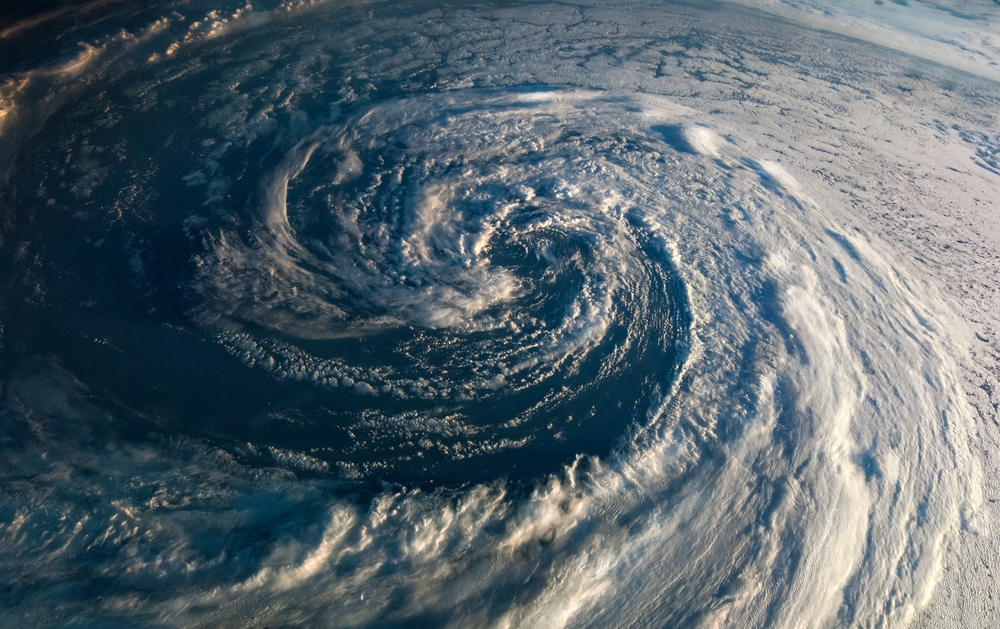
The Arctic is often described as the air conditioner of the Earth. Sea ice acts as a brilliant white shield that reflects up to 80 percent of incoming sunlight back into space. This process, known as the albedo effect, is crucial for regulating global temperatures. However, as this frozen expanse shrinks, it exposes the dark ocean waters beneath.
Unlike ice, the ocean absorbs about 90 percent of the solar radiation it receives. This triggers a relentless feedback loop. The water warms and melts more ice, which in turn exposes more dark ocean to absorb even more heat. Consequently, the Arctic is warming at a rate nearly four times faster than the rest of the globe.
This localized rapid warming has profound consequences for weather systems thousands of miles away. The temperature difference between the frigid Arctic and the warmer tropics drives the polar jet stream. This fast-flowing river of air guides weather patterns across the Northern Hemisphere. As the Arctic warms and this temperature gap narrows, the jet stream weakens and its path becomes erratic.
A destabilized jet stream can lock weather systems in place for extended periods. This disruption is a primary driver behind many recent and severe weather events. It can push frigid polar air southward to cause unexpected deep freezes in temperate regions. Conversely, it can trap high-pressure systems that lead to blistering and prolonged heatwaves. The diminishing sea ice is a fundamental shift in a global system that dictates the daily weather experienced by billions of people around the world.
A Vanishing Foundation for Wildlife
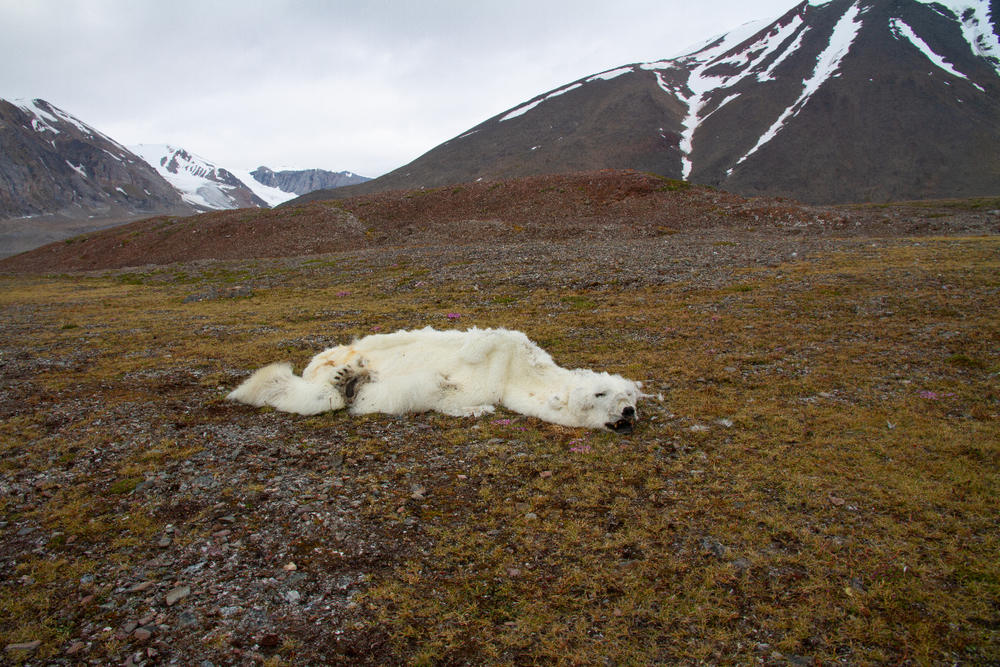
The retreating ice is not just a climate metric; it is a disappearing home for a unique array of wildlife. Sea ice is a complex ecosystem that supports a rich food chain, from microscopic plankton to the region’s top predators. As this frozen platform melts, the animals that depend on it must rapidly adapt or face severe population declines.
Polar bears are perhaps the most recognized symbol of this ecological shift. They rely overwhelmingly on sea ice as a platform for traveling, hunting seals, and finding mates. With diminishing ice cover, polar bears are forced into longer fasting periods. They must travel greater distances, often swimming exhaustively, to reach stable hunting grounds. Professor Andrew Derocher, an expert in polar bear ecology at the University of Alberta, concisely summarizes the threat: “Without sea ice, there is no sea ice ecosystem, and losing that ecosystem includes losing polar bears.”
Similarly, Pacific walruses use the ice as a crucial resting area between dives for food and as a safe nursery for their calves. As the sea ice recedes beyond the continental shelf into much deeper waters, walruses are forced to haul out in massive aggregations on shorelines. This overcrowding makes them highly susceptible to deadly stampedes that can be easily triggered by passing aircraft or approaching predators.
Furthermore, the loss of natural habitat inevitably forces wildlife closer to human settlements. Searching for food, polar bears increasingly wander into Arctic communities, leading to dangerous and often fatal encounters. The melting Arctic illustrates a difficult reality: when a foundational environment vanishes, the entire web of life it supports begins to unravel.
Crumbling Coasts and Displaced Communities
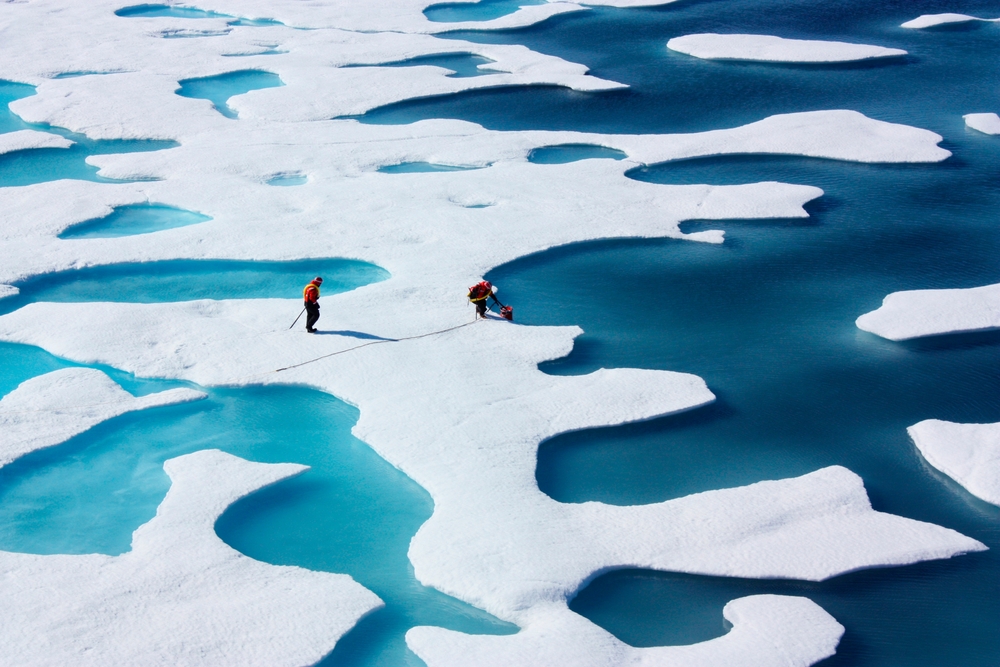
For indigenous communities along the Arctic coastline, the loss of sea ice is an immediate, existential threat to their homes and heritage. Historically, thick landfast sea ice has acted as a protective buffer that absorbs the punishing energy of winter storm waves. Without this frozen barrier, the open ocean batters fragile shorelines. This loss is compounded by rapidly thawing permafrost, which turns once-frozen solid ground into soft soil that easily crumbles into the sea.
The resulting coastal erosion is happening at an alarming pace. In some northern parts of Alaska, coastlines are retreating by as much as 66 feet per year. This environmental shift is forcing entire villages to face the heartbreaking prospect of permanent relocation as the ground literally vanishes beneath their infrastructure. Annett Bartsch, a prominent permafrost researcher, emphasizes the urgency of the situation: “Settlements are already impacted by the increased rate of coastal erosion. More buildings and roads will be affected by 2030.”
Beyond the immediate human displacement, the collapsing coastlines harbor an invisible global threat. The thawing permafrost releases massive reserves of methane, a highly potent greenhouse gas, into the atmosphere. According to the World Wildlife Fund, this creates a dangerous feedback loop where escaping methane accelerates global warming, leading to even more rapid melting. The disintegration of the Arctic coastline is not merely a localized crisis but a catalyst that amplifies climate change worldwide.
The Path Forward and a Global Responsibility
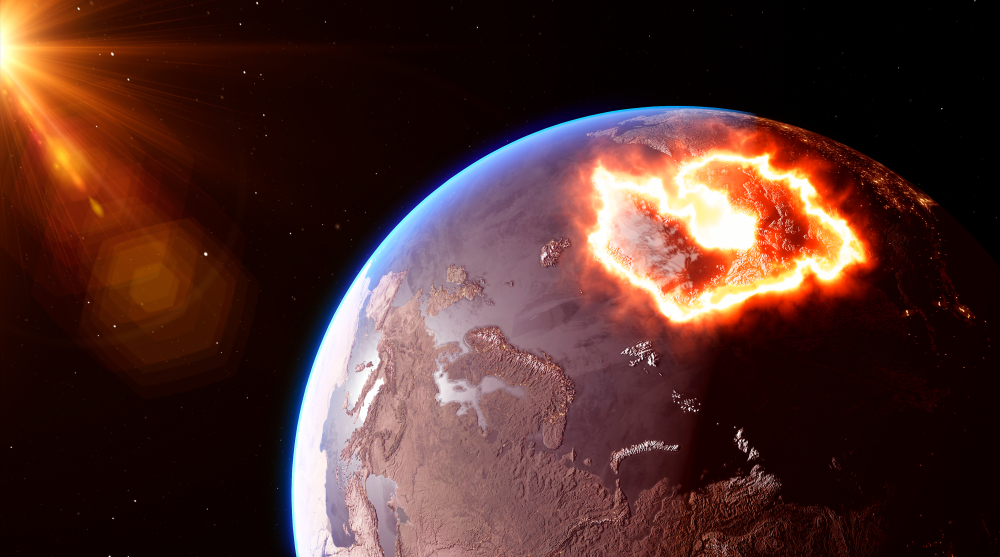
The melting Arctic serves as a critical alarm bell, yet it is not a signal of inevitable defeat. Instead, it is a clear call for immediate, sustained action. Because the primary driver of this rapid ice loss is the accumulation of greenhouse gas emissions, the most effective solution lies in a worldwide transition toward sustainable energy and living practices.
Shifting away from fossil fuels, supporting policies that aggressively limit carbon pollution, and investing in renewable energy infrastructure are necessary steps to stabilize the atmosphere. While the polar north may seem geographically isolated, everyday environmental choices made in cities and towns around the world directly influence its future.
Dr. Hoesung Lee, former Chair of the Intergovernmental Panel on Climate Change, accurately captures the urgency and power of collective effort: “Every action matters. Every bit of warming matters. Every year matters. Every choice matters.” This principle applies directly to the preservation of the polar regions.
Scientific consensus indicates that limiting global temperature rise to 1.5 degrees Celsius above pre-industrial levels is essential to prevent the total loss of summer sea ice. The destiny of the Arctic is inseparable from the health of the entire globe. Protecting this distant, frozen landscape is no longer just about saving a remote ecosystem; it is fundamentally about ensuring a safe, predictable climate for all global citizens.