
Your cart is currently empty!
Armed and Undetected: How the Secret Service Contained a Threat at the White House Correspondents’ Dinner
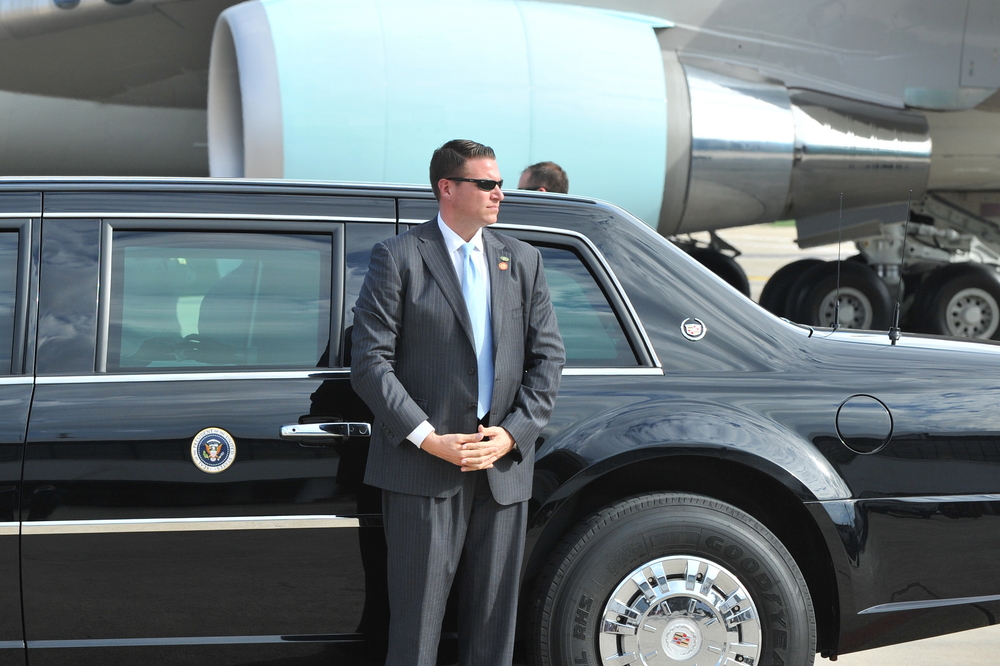
Saturday nights at the Washington Hilton are not usually the kind that make national security history. Ballrooms fill with journalists, politicians, and celebrities. Speeches land to polite applause. Cameras flash. For a few hours each spring, Washington’s press corps and its subjects share the same room and, generally, the same mood.
Contents
show
April 26, 2025, was supposed to follow that script. Instead, it became the night an armed suspect ran past a Secret Service magnetometer checkpoint at the White House Correspondents’ Association Dinner with President Donald Trump inside the building.
What followed unfolded in seconds. How it was contained, and what nearly allowed it to happen in the first place, speaks to one of the most demanding security operations in American public life.
A Mission More Than a Century in the Making
Long before the Washington Hilton became a fixture on the annual press calendar, the U.S. Secret Service had already learned its hardest lessons about what it means to protect a sitting president. Its formal protective mission dates to 1901, born out of the assassination of President William McKinley, a tragedy that forced the federal government to treat presidential security not as a courtesy but as a national obligation.
In the 124 years since, the agency has built layer upon layer of protective infrastructure. New technologies, updated protocols, and hard-won experience from past security failures have all gone into refining what is now one of the most sophisticated protection operations in the world. Some of those failures have been public and painful. But each has produced changes, and those changes have accumulated into a system designed to make an attack on the president as difficult as possible. Saturday’s incident tested that system in real time.
Why Hotels Are Always a Headache
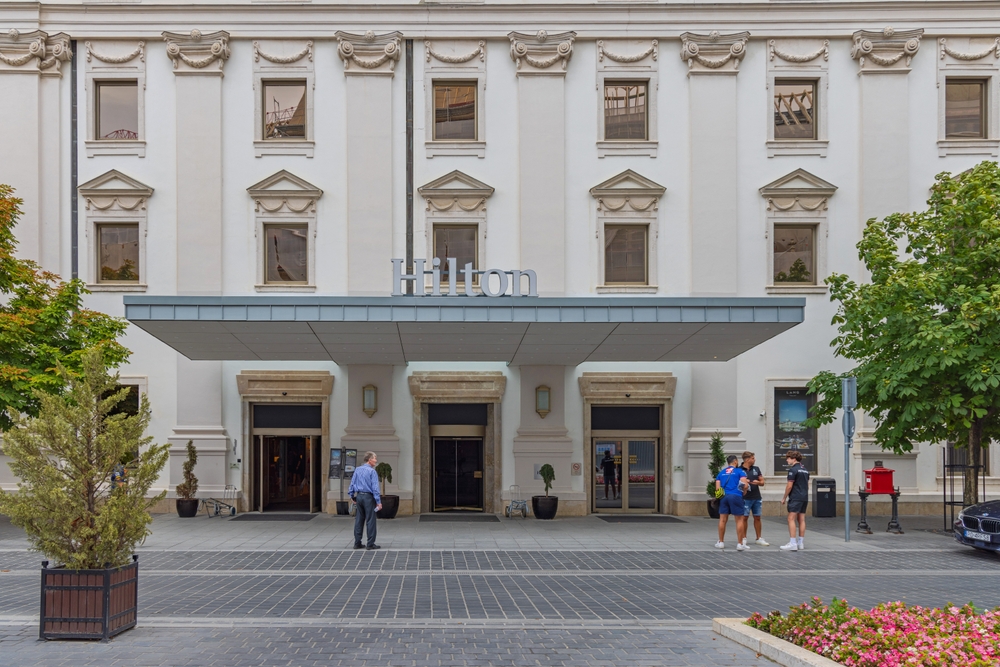
Securing the White House is one challenge. Securing a commercial hotel in the middle of a working city is another matter entirely.
Venues like the Washington Hilton, a sprawling property with multiple event spaces, hundreds of guest rooms, and a constant flow of staff, guests, and vendors, present security planners with a problem that has no clean solution. Foot traffic cannot be fully controlled. Access points multiply. People with entirely legitimate reasons to be on the premises move through the building at all hours, and sorting them from potential threats in real time demands enormous resources and sharp judgment.
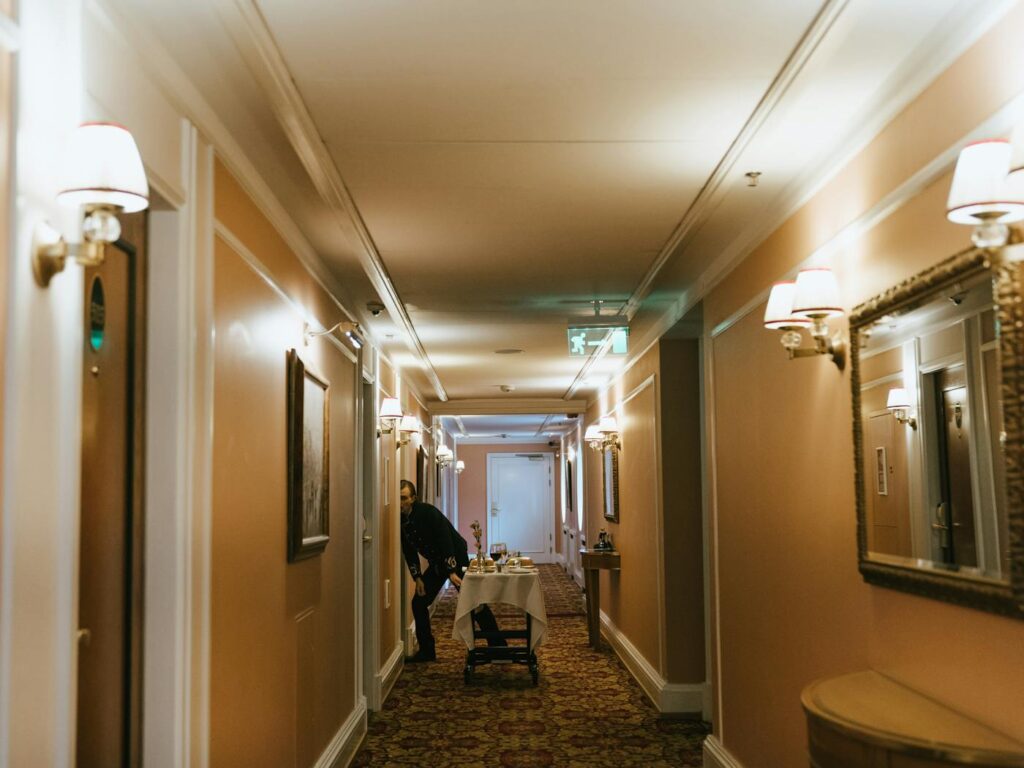
What makes hotels especially difficult is that the Secret Service must work around an active business. A hotel does not shut down when the president arrives. Room service keeps running. Housekeeping continues. Conference rooms on adjacent floors fill with unrelated events. Every one of those ordinary activities creates a potential gap.
Building the Ring Before the Night Begins
Managing that gap is precisely what the Secret Service’s protective advance process is designed to do. Before any major event, agents work through the full logistics of a venue, mapping entry and exit points, coordinating with local law enforcement, and stress-testing every security layer against a range of possible threats.
That process produces what security professionals call a ring of protection, with layers that start from outside the building and tighten as they move inward toward the president. Each layer adds personnel and resources. Each layer is intended to catch what the one before it might have missed.
Contingency planning is built into every step. Medical emergencies, large-scale attacks, and scenarios that fall somewhere in between all receive specific protocols. Getting the advance work right means that when something unexpected happens, in protective security, something unexpected almost always does, agents can respond from a plan rather than from instinct alone.
When Intelligence Has Blind Spots
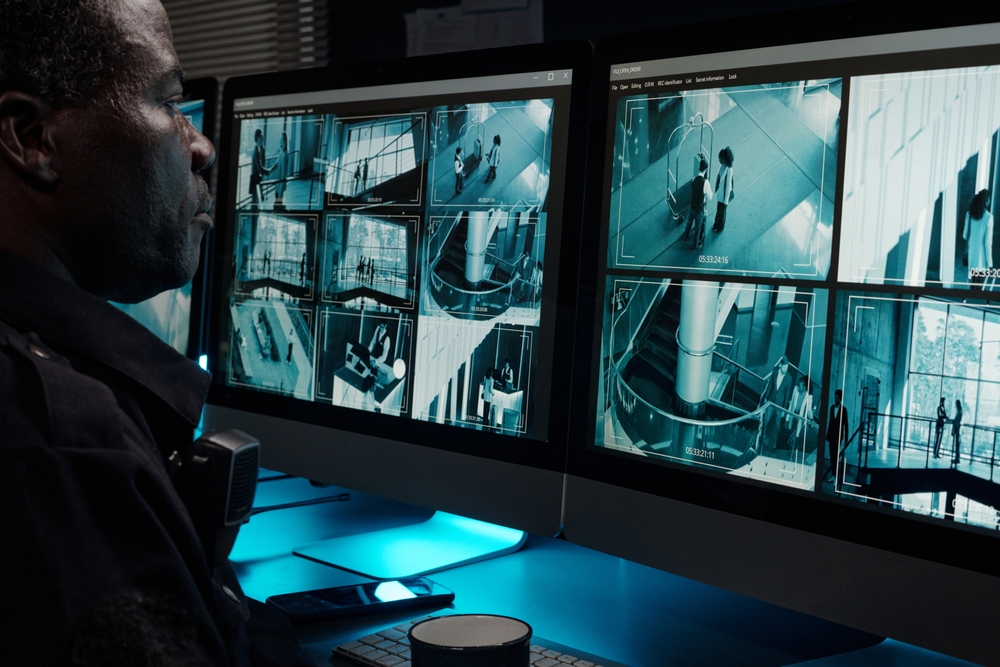
Even the best-planned advance process can only work with the information it has. Much of what shapes the Secret Service’s security posture at any given event comes from threat intelligence reports gathered from law enforcement partners, online monitoring, and direct threats made by individuals or groups against protected persons.
At the Washington Hilton on Saturday, that intelligence appears to have come up short. According to security analysts, no known threat connected to the suspect had been identified ahead of the event. Without prior intelligence, pre-emptive action becomes nearly impossible. You cannot neutralize a threat you do not know exists.
Broader threat conditions have made this problem more pressing in recent years. Per data from the Institute for Strategic Dialogue, threats against President Trump accounted for 47 percent of violent threats in their dataset, a figure that reflects both his political profile and the current temperature of American political discourse. That climate puts additional pressure on an agency already managing a demanding protective workload, all while operating amid an ongoing Department of Homeland Security funding dispute that has stretched federal resources.
The Role of Tripwires
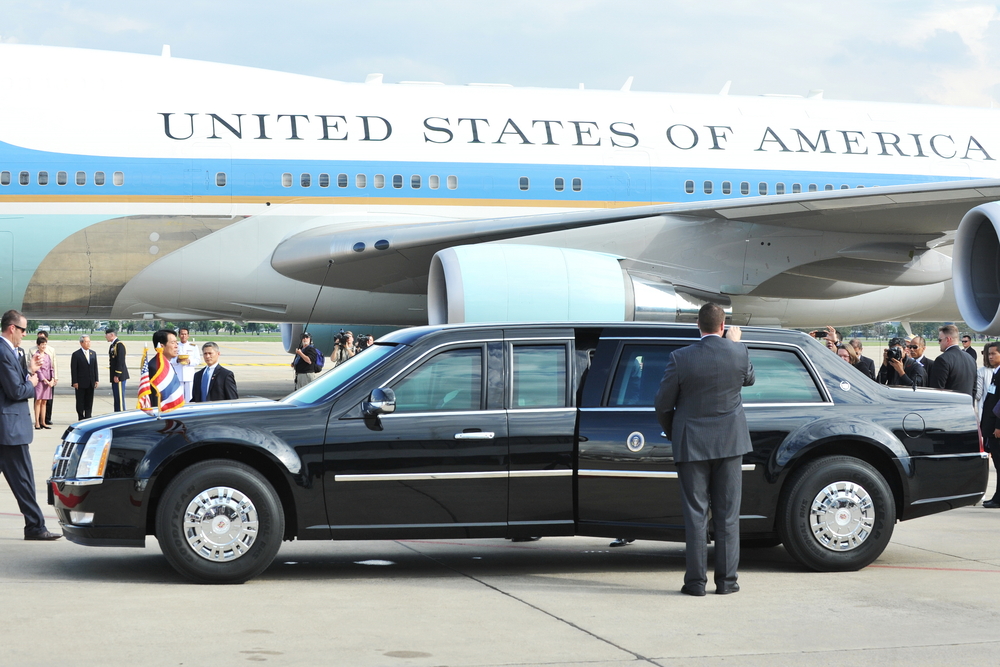
Because intelligence will always have gaps, the Secret Service does not rely on it alone. Standard security zones, which analysts refer to as tripwires, exist specifically to catch threats that have not been identified in advance.
At any major protected event, these tripwires function as a kind of secondary warning system. They are not dependent on knowing who a threat actor might be. Instead, they are designed to flag anomalous behavior, such as someone moving in a direction, at a pace, or through a checkpoint in a way that does not match the expected pattern for that environment.
Saturday’s magnetometer checkpoint, the point at which the suspect was ultimately stopped, was one such tripwire. When the suspect attempted to run past it, he triggered exactly the kind of response those layers are built to produce.
The Response That Defined the Night
How a security breach is contained often matters more than the fact that it occurred at all. Protected environments are designed to slow a threat, channel it, and ultimately stop it before it reaches the principal. No perimeter is impenetrable. What separates a managed incident from a catastrophic one is the speed and quality of the response that follows.
By that measure, Saturday’s response held. Law enforcement and Secret Service agents moved quickly once the suspect breached the outer checkpoint. He got no further.
Acting Attorney General Todd Blanche, speaking with ABC’s “This Week” anchor George Stephanopoulos in the days following the incident, offered a blunt assessment of what had happened. “Law enforcement and the Secret Service protected all of us,” Blanche said. “The man barely got past the perimeter. And so when you have a perimeter designed to keep people safe, like President Trump, and it works — that’s something that should be applauded.”
His framing cuts to something important. In a kinetic environment, the term security professionals use for situations involving real-world physical threat, nothing will ever look seamless on replay. Cameras will always catch the moment a checkpoint is tested. What they rarely capture with the same clarity is the coordinated response that stops a threat from going any further, because that response, when it works, happens fast and out of frame.
A System Tested, Not Broken
What Saturday ultimately revealed is not a failure of the Secret Service’s protective architecture, but a confirmation of where its real strength lies. Intelligence-led prevention will always be the preferred outcome. Catching a known threat before it reaches a venue is cleaner, quieter, and carries no visible risk. But when prevention falls short, as it inevitably will in some proportion of cases, a well-trained, well-positioned response force is what keeps a close call from becoming a tragedy.
Hotels will remain difficult venues. Threat volumes will likely remain elevated. And the margin between a managed incident and something far worse will continue to depend on decisions made in seconds by agents whose preparation has to account for scenarios no one fully anticipated.
For the journalists, officials, and guests who spent part of that Saturday evening in something close to genuine fear, those seconds were long enough to feel. For the agents who filled them, it was the job exactly as it was designed to work.
Armed Suspect, assassination attempt, Department of Homeland Security, Donald Trump Security, Hotel Security, Law Enforcement Response, Neonatal Care, Political Violence, Presidential Protection, presidential security, Press Dinner Security, Protective Intelligence, Secret Service, Threat Intelligence, Todd Blanche, USSS, Washington DC Security, Washington Hilton, WHCA Dinner 2025, White House Correspondents’ Dinner