
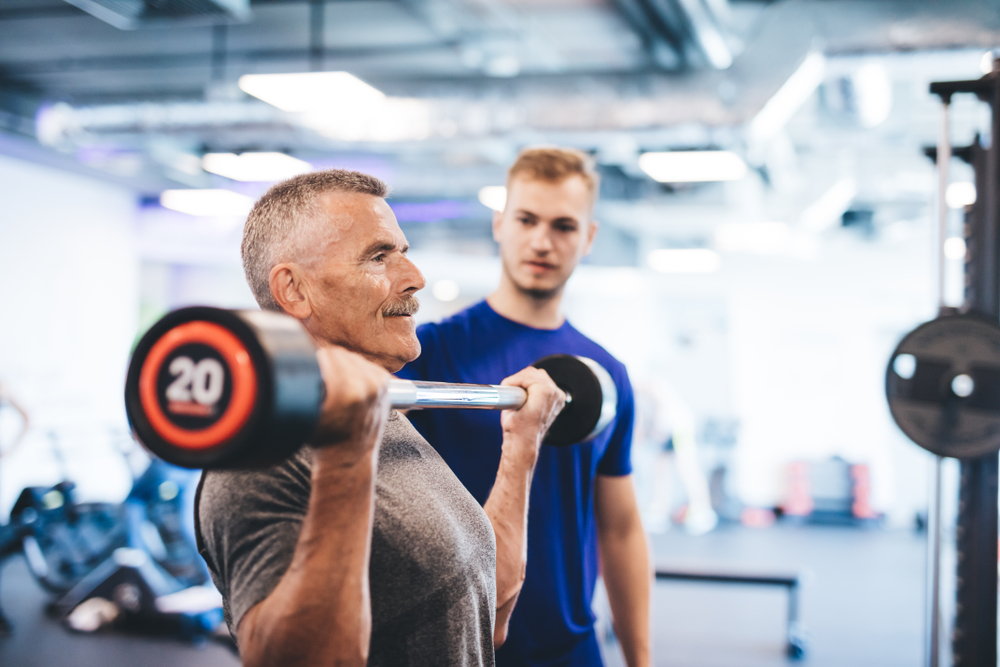
Arnold Schwarzenegger built one of the most famous physiques in bodybuilding history by pushing his body through demanding workouts and lifting weights that most people would struggle to move. But at 79, the Hollywood legend has made a major change to the training philosophy that helped turn him into a seven-time Mr. Olympia champion. After multiple heart surgeries, a hip replacement, and decades of physical wear, he has had to rethink how he approaches exercise.
The Terminator star still visits the gym regularly, rides his bicycle, and enjoys skiing. However, one rule from his competitive bodybuilding days has had to go: lifting extremely heavy weights. Instead, Schwarzenegger has adapted his workouts around lighter resistance, more repetitions, and shorter rest periods. His approach offers a fascinating look at how even one of the world’s most celebrated bodybuilders has had to change his priorities with age.
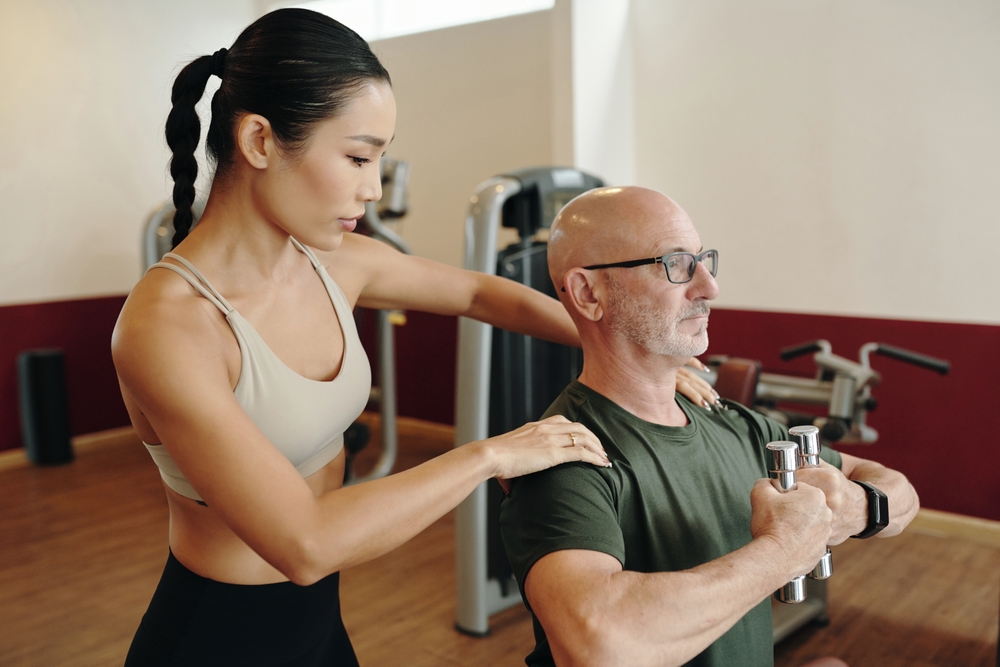
Arnold Schwarzenegger Has Changed The Training Rule That Built His Physique
For decades, Schwarzenegger represented the ultimate image of bodybuilding success. His enormous muscles and dedication to training helped him dominate professional competitions before Hollywood turned him into an international action star. Winning seven Mr. Olympia titles established his place among bodybuilding’s greatest competitors, while films such as The Terminator, Predator, and Conan the Barbarian introduced his physique to millions of people who had never followed the sport.
His competitive years demanded a level of physical commitment that few athletes could match. Heavy resistance training played a central role in building his muscular frame, and his workouts became part of his identity. However, the physical demands of bodybuilding did not disappear when he moved into acting. Performing action scenes and stunts added another layer of strain to a body that had already endured years of intense training.
Now, at 79, Schwarzenegger has openly acknowledged that his body has experienced considerable wear and tear. His medical history includes multiple heart procedures and a hip replacement, which have forced him to become more careful about the physical risks he takes. He has also had to adjust his workouts around injuries and medical restrictions that would have been difficult to imagine during his competitive years.
Despite those challenges, the bodybuilding champion has no intention of abandoning exercise. His current approach revolves around finding ways to remain physically active without repeating the training habits that once defined his career. The change is particularly interesting because Schwarzenegger still spends time in the gym where he has trained for decades. The difference is that his priorities have shifted from building a competition-ready physique to maintaining the strength and mobility he needs for everyday life.
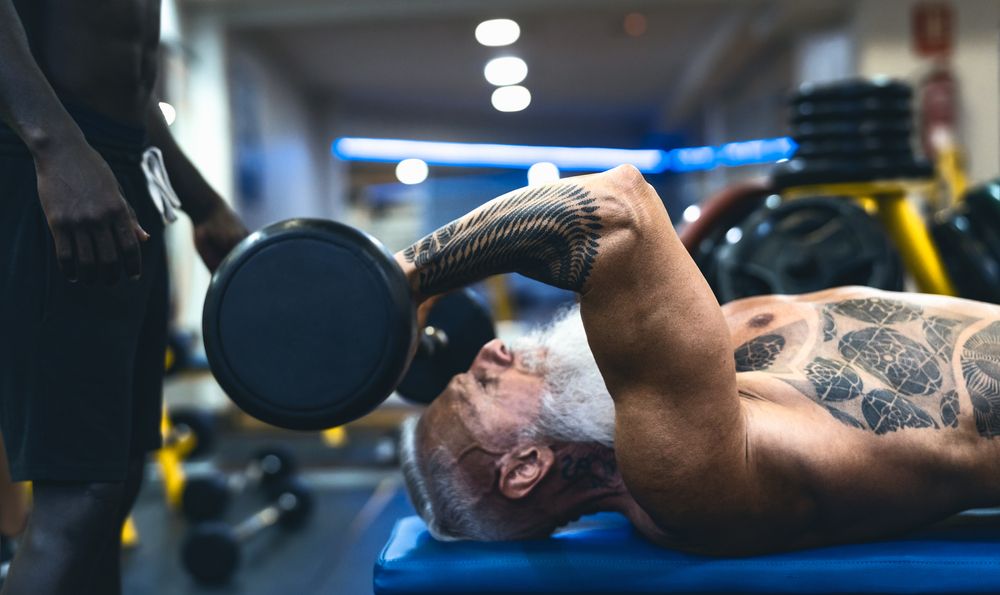
Why Doctors Told Him To Stop Lifting Extremely Heavy Weights
The most significant change came after Schwarzenegger’s first heart surgery, when his doctors advised him to avoid lifting extremely heavy weights. For someone who had spent much of his life treating demanding workouts as a normal part of the day, that instruction required a major adjustment. Heavy lifting had been central to his bodybuilding success, but continuing to train exactly as he had before was no longer appropriate for his medical circumstances.
Schwarzenegger explained that he adapted by using lighter weights, performing more repetitions, and taking shorter breaks between sets. This allowed him to continue exercising while respecting the restrictions placed on his training. The adjustment also meant accepting that his workouts would look very different from the sessions that helped him become one of bodybuilding’s most recognizable champions.
His experience is particularly relevant because many people associate successful strength training with constantly increasing the amount of weight they lift. Schwarzenegger’s situation shows why that approach cannot be applied universally. Previous surgeries, cardiovascular conditions, joint problems, and other health concerns can change what is appropriate for an individual. Training decisions need to reflect those circumstances rather than follow a celebrity’s routine or a bodybuilding competition standard.
There is also an important distinction between his personal medical advice and general fitness recommendations. Schwarzenegger’s restrictions were connected to his own heart history and doctors’ instructions. Someone without the same medical background may have different training options, while another person with similar health concerns may need additional precautions. His experience demonstrates the value of adapting exercise to individual needs instead of treating heavy lifting as the only measure of progress.
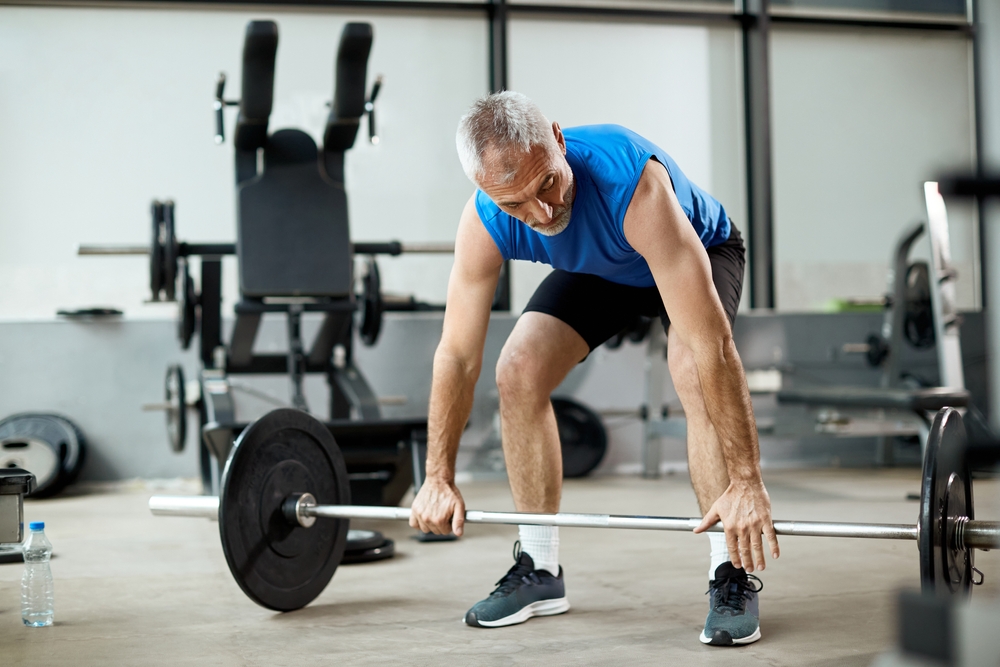
His New Approach Still Includes Regular Gym Sessions
Schwarzenegger has continued visiting Gold’s Gym in Venice Beach, a place that has been part of his life since 1968. At 79, he remains committed to regular workouts and has discussed how exercise affects his mood and energy. He has described the feeling after leaving the gym as a transformation in how he sees the world, saying, “When I leave this gym, everything turns into a color movie.”
That description reveals why exercise remains such a significant part of his routine. The benefits he values extend beyond his appearance or the amount of weight he can lift. Training gives structure to his day and provides an opportunity to stay connected with other people who share an interest in physical activity. For someone whose career has revolved around fitness, maintaining that connection is clearly part of his lifestyle.
His current routine also demonstrates that staying active does not require spending every session attempting to break personal records. He can adjust the resistance, repetitions, and recovery periods while continuing to challenge his body within his own limitations. The approach gives him room to maintain a regular exercise habit without pretending that his body can handle everything it could during his competitive years.
The important detail is his consistency. Schwarzenegger continues to make time for physical activity despite his medical history and the changes that have come with age. His example challenges the idea that a person must either train at maximum intensity or stop exercising altogether. There are different ways to remain active, and the right approach can change throughout someone’s life.
Cycling And Skiing Have Become Part Of His Fitness Routine
Weightlifting is only one part of Schwarzenegger’s current approach to physical activity. He also enjoys cycling and skiing, giving him opportunities to remain active outside the gym. These activities allow him to work on different aspects of physical fitness while enjoying hobbies that have remained important to him over the years. They also show how an exercise routine can include recreational movement rather than relying entirely on resistance training.
Cycling offers an activity that can be adjusted according to pace, distance, and individual ability. For someone managing previous injuries, choosing suitable activities can help maintain movement without depending exclusively on heavy resistance exercises. Skiing, meanwhile, provides a different physical challenge that involves coordination, balance, and lower-body movement. Schwarzenegger’s continued interest in these activities reflects his desire to keep enjoying the experiences that make him feel active.

His approach also fits a broader understanding of fitness among older adults. Physical activity can involve several different forms of movement, including aerobic exercise, strength work, and balance training. General health recommendations encourage older adults to include a mixture of these activities where their health and abilities allow. There is no single exercise that provides every benefit, which makes variety useful for people building sustainable routines.
For Schwarzenegger, the combination of gym sessions, cycling, and skiing gives him several ways to remain physically engaged. His routine is also a reminder that exercise does not have to become repetitive or restricted to one environment. Someone who dislikes traditional gym workouts might enjoy walking, swimming, cycling, dancing, or another activity that encourages regular movement. Finding something enjoyable can make consistency easier to maintain.
What Schwarzenegger’s Training Change Reveals About Getting Older
One of the biggest challenges for lifelong athletes can be accepting that their physical abilities change over time. Schwarzenegger spent decades competing against some of the strongest bodybuilders in the world, and his career rewarded determination and physical intensity. However, the demands of maintaining health at 79 are different from those involved in preparing for a bodybuilding competition. His willingness to adjust shows how fitness goals can evolve without disappearing.
Ageing can affect muscle strength, recovery, balance, joint function, and cardiovascular capacity. Previous injuries and medical conditions may create additional limitations, making certain exercises less suitable than they once were. These changes do not mean that older adults should automatically avoid resistance training. Strength exercises can remain valuable, but the intensity and movements should reflect individual circumstances and physical capabilities.
There are several reasons maintaining physical activity can be useful as people get older:
- Maintaining muscle strength: Resistance exercises help preserve the muscles needed for everyday tasks such as carrying shopping, climbing stairs, and getting out of a chair.
- Supporting mobility: Regular movement can help people maintain the physical abilities needed for daily activities.
- Improving balance: Suitable balance exercises can help older adults reduce their risk of falls.
- Supporting cardiovascular health: Activities such as walking and cycling contribute to aerobic fitness.
- Protecting independence: Maintaining physical capabilities can make it easier to continue managing everyday responsibilities without relying heavily on assistance.
These benefits do not require someone to become a competitive athlete. The amount and type of exercise should be appropriate for their health, experience, and physical abilities. People with heart conditions or previous operations should follow medical guidance before making significant changes to their training. Schwarzenegger’s own experience demonstrates why individual advice matters.
The Bodybuilding Champion Has Found A Different Reason To Stay Strong
Schwarzenegger’s priorities today are considerably different from those he had when he first became a professional bodybuilder. His life now includes acting, business, family responsibilities, and spending time with his grandchildren. He has spoken warmly about being a grandfather and the enjoyment he gets from seeing his family. Remaining active gives him more opportunities to participate in the activities he enjoys rather than limiting himself because of avoidable inactivity.
He has also joked about the physical changes that come with getting older. When asked what he can no longer do at 79 that he could manage at 29, he responded, “I don’t think that you have the time, nor do I have the time, to go through the list.” The answer reflects his ability to acknowledge ageing without allowing it to dominate his outlook. He understands that his body has changed, but he continues looking for ways to enjoy life.
His relationship with exercise also appears connected to the people around him. Gym sessions provide regular opportunities for human contact, while family activities give him another reason to preserve his physical abilities. He has emphasized the value of spending time with others, explaining, “We need human contact. It’s the thing that makes you happy.” That perspective adds another dimension to his approach to ageing and staying active.
For Schwarzenegger, fitness has become closely connected to the freedom to enjoy ordinary experiences. He wants to keep cycling, skiing, visiting the gym, and spending time with the people he loves. Those goals may look different from winning bodybuilding competitions, but they still give him a reason to keep showing up.
The One Lesson His Fitness Journey Leaves Behind
Schwarzenegger’s decision to change his training rules shows that even an extraordinary bodybuilding career cannot stop the body from changing with age. His medical history has forced him to leave behind some of the heavy lifting that once helped define his physique, but it has not removed exercise from his life. Instead, he has found other ways to remain active and protect the abilities he still values.
His approach will not be suitable for everyone, particularly those with medical conditions that require individual exercise restrictions. However, the central idea is clear: fitness can evolve as the body changes. A person does not have to keep chasing the same physical achievements forever. At 79, Schwarzenegger’s greatest victory may be that he still has a reason to walk into the gym tomorrow.