
Your cart is currently empty!
Artemis II Astronauts Just Made History Around the Moon for a $152,000 Government Salary
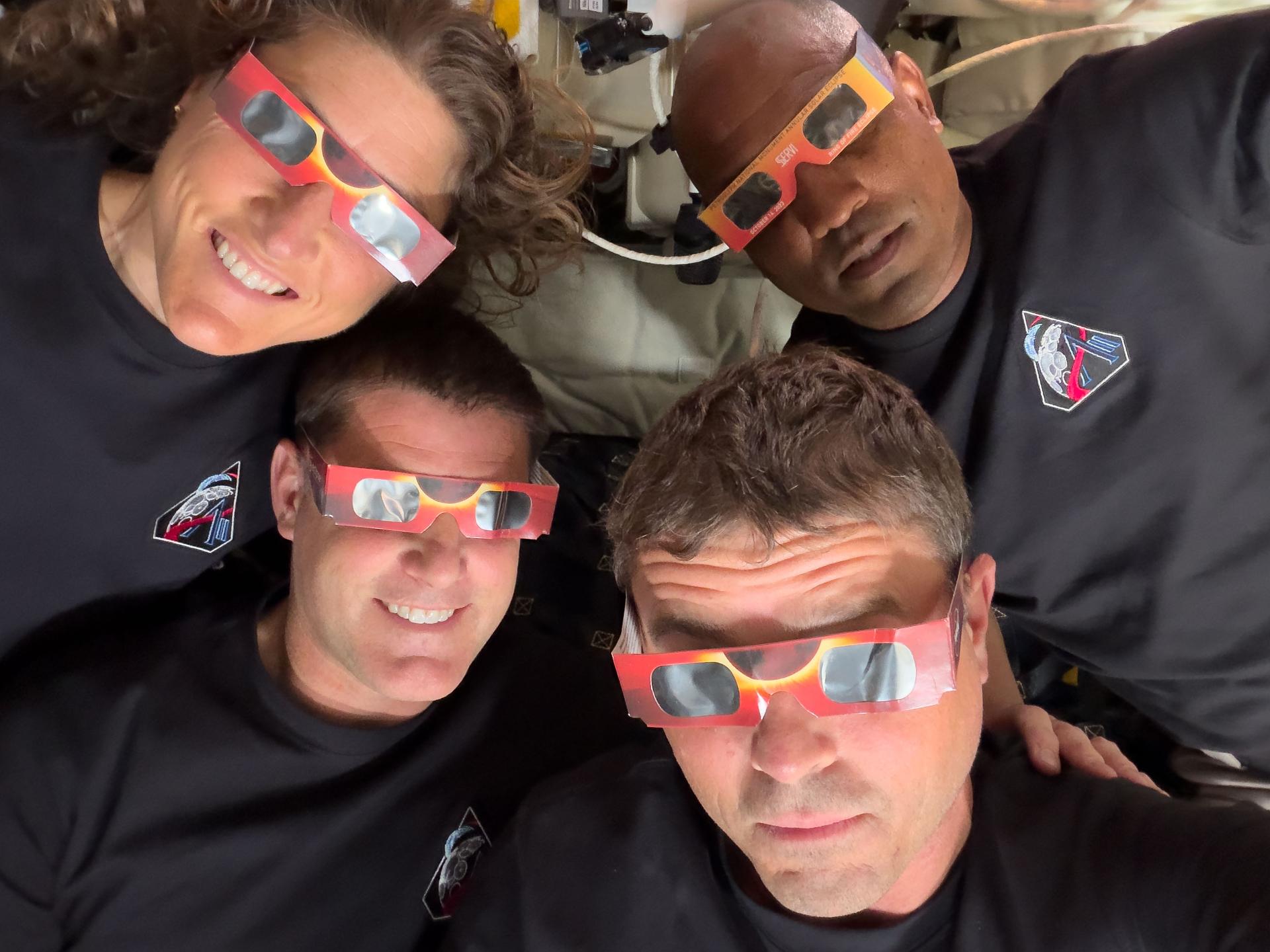
Four astronauts just traveled farther from Earth than any human in history. Reid Wiseman, Victor Glover, Christina Koch, and Canadian Space Agency astronaut Jeremy Hansen looped around the far side of the moon, completing a flyby that marked the first crewed lunar mission since the Apollo era. Billions watched. Governments celebrated. And as the Orion spacecraft now carries the crew home, a question lingers that has nothing to do with rocket science or orbital mechanics. How much does a trip around the moon actually pay?
Contents
show
Not what you might expect. And what awaits these four explorers back on solid ground says as much about how the world values space exploration as the mission itself.
What NASA Actually Pays Its Astronauts
American astronauts earn a base salary of approximately $152,258 per year, a figure drawn from federal pay schedules and adjusted periodically for cost-of-living increases. Jeremy Hansen, representing the Canadian Space Agency, falls under a comparable government pay structure. None of them received a performance bonus for making history. None will collect overtime. None will see hazard pay on their next statement, despite spending days sealed inside a capsule hurtling through the void at thousands of miles per hour.
For federal pay purposes, astronauts in space are on official travel orders, much like a bureaucrat attending a conference in another city. NASA covers transportation, lodging, and meals. On top of their salary, crew members receive a daily incidental stipend of roughly $5, intended for minor personal expenses. Over the course of a ten-day mission, that adds up to about $50 in extra compensation for a journey no amount of money could truly price.
Put another way, the salary is closer to what a mid-career electrical engineer, HVAC technician, or project manager might earn than anything resembling a payout fit for a once-in-a-generation feat of human endurance.
When a Job Runs Long and Pay Doesn’t Follow
If the Artemis II crew’s compensation feels modest for a lunar flyby, consider what happened to astronauts Suni Williams and Butch Wilmore. Both launched to the International Space Station aboard Boeing’s Starliner spacecraft in 2025 for what was supposed to be an eight-day mission. Technical problems with the vehicle’s thrusters forced NASA to return the capsule without its crew, stranding Williams and Wilmore in orbit for 286 days.
At $5 per day in incidentals, each earned just $1,430 in extra compensation for nearly ten unplanned months away from home. Their base salary remained unchanged throughout. “When NASA astronauts are aboard the International Space Station, they receive regular 40-hour workweek salaries,” NASA said in a statement. “While in space, NASA astronauts are on official travel orders as federal employees, so their transportation, lodging, and meals are provided.” No renegotiation. No emergency bonus. Federal pay rules do not bend for orbital emergencies.
Harder to Get Into Than Harvard
Despite the pay, competition for astronaut seats remains fierce beyond anything the Ivy League can match. NASA’s 2025 astronaut candidate class, announced last September, selected just ten individuals from more than 8,000 applicants, an acceptance rate of about 0.125%. Harvard’s admissions rate hovers around 4%. Stanford’s is similar. NASA is thirty-two times more selective.
For the first time in the agency’s history, women outnumbered men in the class, with six women and four men chosen for two years of intensive training. Future assignments could send them to the International Space Station, the lunar surface, or even Mars.
Qualifications to apply are straightforward on paper, if demanding in practice. Candidates must hold U.S. citizenship, possess a master’s degree in a STEM field (or equivalent experience through doctoral work, medical training, or test pilot school), and have at least three years of professional experience after completing their degree. Pilots need a minimum of 1,000 hours as pilot-in-command, with at least 850 of those in high-performance jet aircraft. All applicants must pass NASA’s long-duration flight physical. No age restrictions exist, though candidates selected in the past have ranged from 26 to 46, with an average age of 34.
Military experience is not required. Candidates from the 2025 class came from the armed forces, private industry, medical residencies, and federal science agencies. Applications go through USAJobs, the same portal used for every other federal position, from park rangers to patent examiners.
Why It Took 50 Years to Go Back
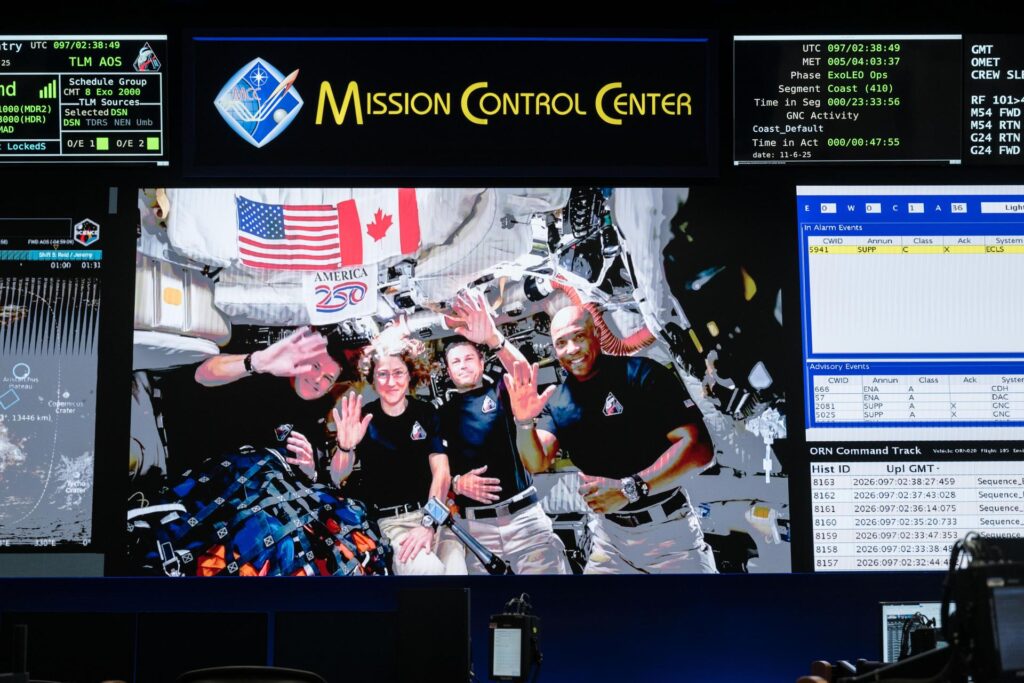
Artemis II did not happen on a fast timeline. More than half a century separates this mission from the last time humans flew near the moon, and the reasons for that gap are as much political as they are technical.
After Apollo 11 and Apollo 12 succeeded in landing crews on the lunar surface in 1969, President Richard Nixon moved to slash NASA’s budget. Three planned Apollo missions were canceled to redirect money toward long-term programs in low Earth orbit. NASA repurposed leftover Saturn V hardware to build Skylab, America’s first space station, which operated from 1973 to 1974.
Over the following three decades, the space shuttle program dominated NASA’s crewed operations. Shuttle orbiters supported satellite deployment, microgravity research, and eventually the assembly of the International Space Station, whose first modules launched in late 1998.
Every presidential administration reassessed the value and direction of human spaceflight. George H.W. Bush proposed a Moon-and-Mars program in 1989 that Congress rejected over cost concerns. George W. Bush’s 2004 Vision for Space Exploration directed NASA to retire the shuttle and return humans to the moon using a new capsule and rocket system called Constellation. Barack Obama’s administration canceled Constellation in 2010 after an independent review found the program was underfunded and years behind schedule, but Congress preserved two of its elements through the NASA Authorization Act of 2010. Orion, the crew capsule, survived. So did a redesigned heavy-lift booster that became the Space Launch System, or SLS.
Donald Trump’s first administration refocused NASA on the moon in 2017 with an ambitious 2024 landing target. NASA named the program Artemis in May 2019. Artemis I, an uncrewed test flight of the integrated SLS and Orion, launched in November 2022 and completed a 25-day mission that proved the hardware could reach lunar orbit and return.
Each transition of power introduced new priorities, new budget fights, and new timelines. Sustained political will proved just as hard to maintain as the engineering.
What Went Wrong Before Artemis II Could Go Right
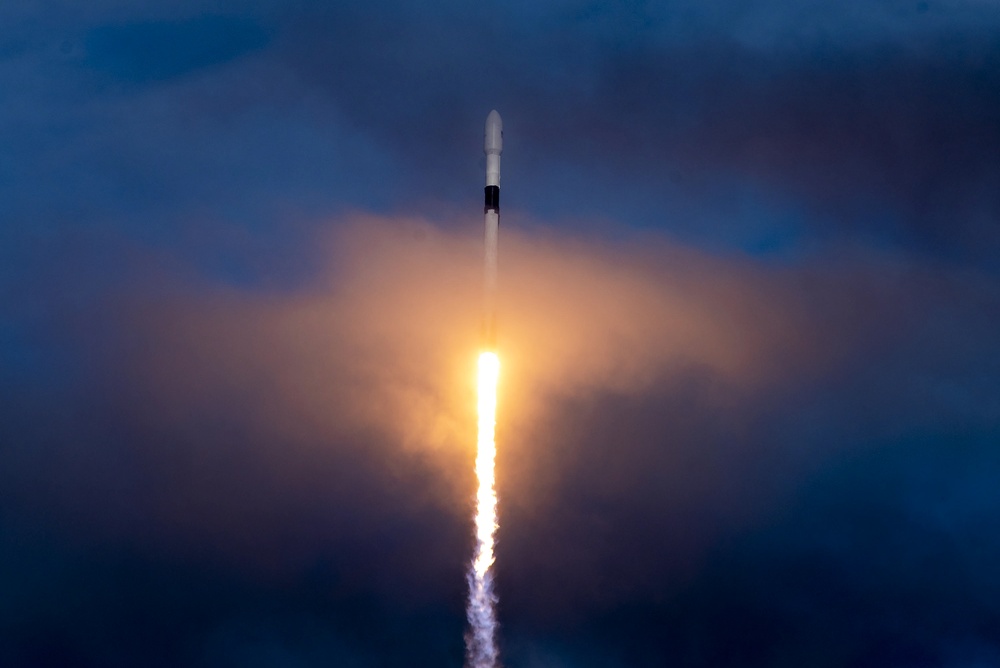
Even with political support in place, technical setbacks pushed Artemis II’s launch date back repeatedly. Boeing’s Starliner program, intended to provide crew transportation to the ISS, suffered thruster malfunctions serious enough to force NASA to return the vehicle uncrewed. Separately, during Artemis I, engineers discovered unexpected chipping on Orion’s heat shield during atmospheric reentry. Years of research followed before NASA felt confident enough to alter the reentry profile for Artemis II’s crewed flight.
New technologies, no matter how rigorously tested on the ground, can behave unpredictably in the extreme conditions of space. Materials flex, expand, and degrade in ways simulators cannot always capture. Certifying a vehicle for human flight demands a level of confidence that only comes after exhaustive study, and sometimes after learning hard lessons from actual missions.
Billionaires Betting Big on a Space Workforce
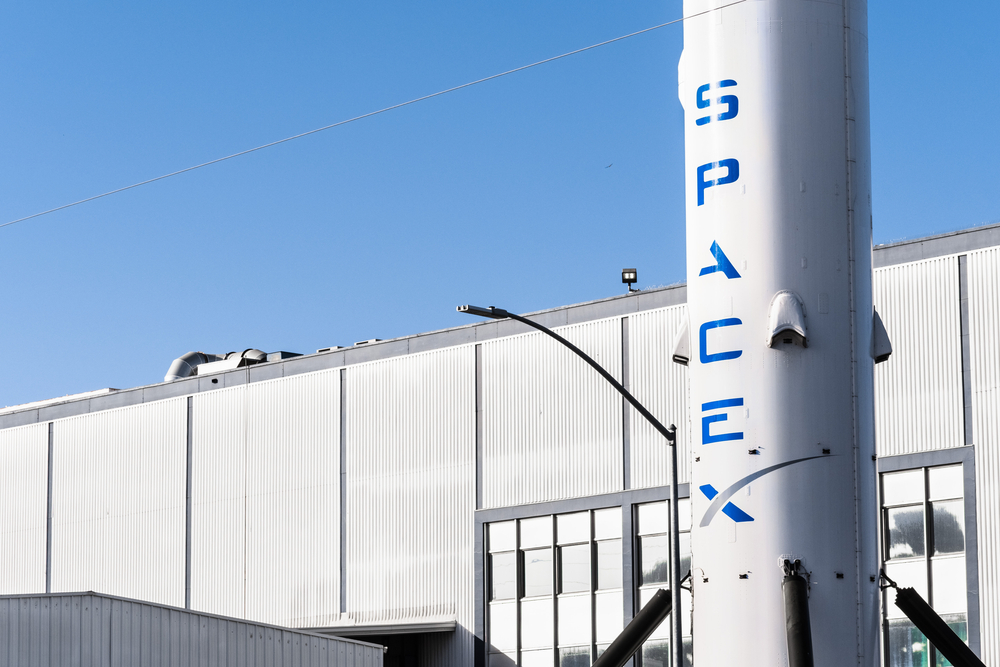
While NASA’s astronauts fly for government wages, some of the world’s wealthiest business leaders envision a future where space becomes a routine workplace. Google CEO Sundar Pichai has said his company hopes to begin testing orbital data center hardware by 2027, using satellites to handle surging computing demands. Elon Musk’s SpaceX, now valued at approximately $400 billion, has shifted focus toward building a self-sustaining city on the moon within the next decade. Jeff Bezos has invested an estimated $14.6 billion of his personal fortune into Blue Origin.
OpenAI CEO Sam Altman has offered perhaps the most vivid prediction of what a space-based workforce might look like. “In 2035, that graduating college student, if they still go to college at all, could very well be leaving on a mission to explore the solar system on a spaceship in some completely new, exciting, super well-paid, super interesting job,” Altman said in an interview with video journalist Cleo Abram.
Reality, for now, tempers those visions. NASA is targeting next year for Artemis III, a test of lunar landers, with Artemis IV aiming to return astronauts to the moon’s surface in 2028. According to the U.S. Government Accountability Office, major NASA projects average 12-month launch delays. Private companies face their own engineering and regulatory hurdles. Musk himself once said, “I’d like to die on Mars. Just not on impact,” a line that captures both the ambition and the risk embedded in every plan to push humans deeper into space.
For Now, the Best Space Job Is Still on the Ground
Aspiring space workers need not wait for orbital data centers or lunar colonies to build a career in the industry. Aerospace engineers earn a median salary of roughly $135,000 per year, according to the U.S. Bureau of Labor Statistics, and the field is projected to grow by 6% over the next decade. Roles span propulsion design, avionics, materials science, mission planning, and satellite communications, spread across NASA, the Department of Defense, and a growing constellation of private firms.
Astronaut positions remain vanishingly rare, modestly compensated by any measure of the risk involved, and subject to selection odds that make elite university admissions look generous. Yet 8,000 people applied for the last class, knowing all of that. For them, and for the four crew members now heading home from the moon, the payoff was never really about the paycheck.
aerospace careers, Artemis II, Artemis III, Artemis program, astronaut pay, Boeing Starliner, Butch Wilmore, Christina Koch, Elon Musk, foldable iPhone, Jeremy Hansen, NASA 2025 astronaut class, NASA astronaut salary, NASA moon mission, Reid Wiseman, Sam Altman, space workforce, SpaceX, Suni Williams, Victor Glover