
Your cart is currently empty!
Scientists Create Blood Test That May Detect Endometriosis Without Surgery
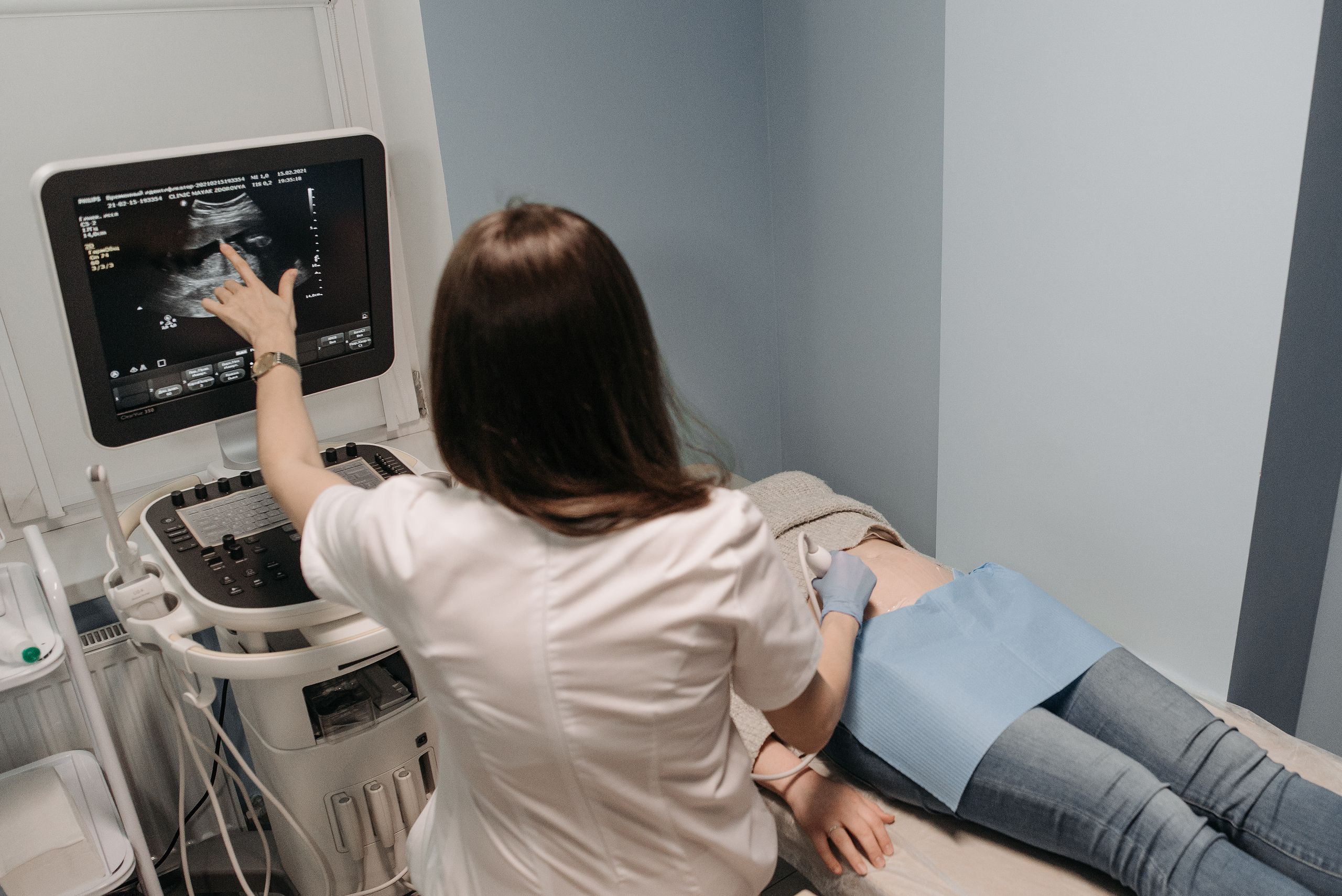
For millions of women living with unexplained pelvic pain, painful periods, and fertility challenges, getting a clear answer has often meant years of uncertainty. A new blood test developed by Australian researchers could eventually change that by offering a faster and less invasive way to detect endometriosis.
Contents
show
The research, published in the international medical journal Human Reproduction, identified a group of blood-based protein markers that could help doctors recognise the condition without immediately relying on surgical procedures. The test is still being validated before it can be used widely, but researchers say the findings represent an important step toward improving diagnosis.
A New Approach To A Condition That Takes Years To Diagnose
Endometriosis is a chronic condition where tissue similar to the lining of the uterus grows outside the uterus. The abnormal tissue can trigger inflammation and scarring, often causing significant pain and other complications.
The condition affects approximately 190 million women and teenage girls worldwide. In Australia, around one in nine women and girls are affected, yet many experience long delays before receiving a diagnosis.
According to researchers, the average diagnosis journey takes around seven years. During that time, many patients continue experiencing symptoms without knowing the cause, while the condition may continue affecting their quality of life.
The lengthy process has been linked to several challenges. Endometriosis symptoms can vary greatly between individuals, and some signs overlap with other health conditions. Doctors often need to rule out multiple possible causes before confirming a diagnosis.
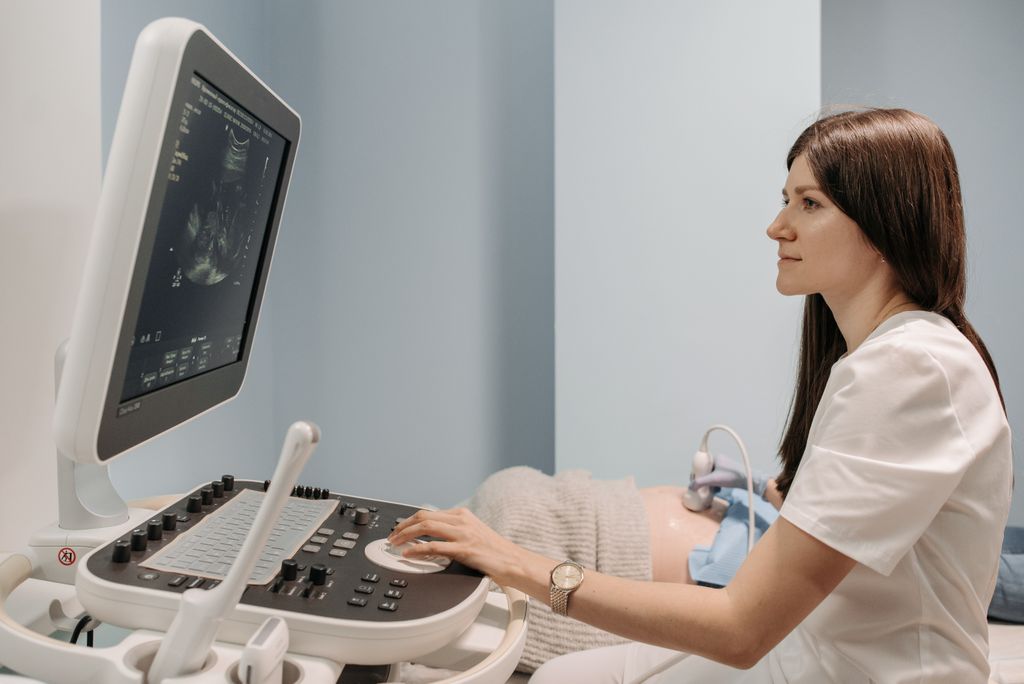
The current gold standard for diagnosis is laparoscopy, a surgical procedure where doctors use a camera inserted into the pelvic area to identify endometriosis tissue and collect samples for examination. While considered minimally invasive, the procedure still requires surgery and carries associated risks.
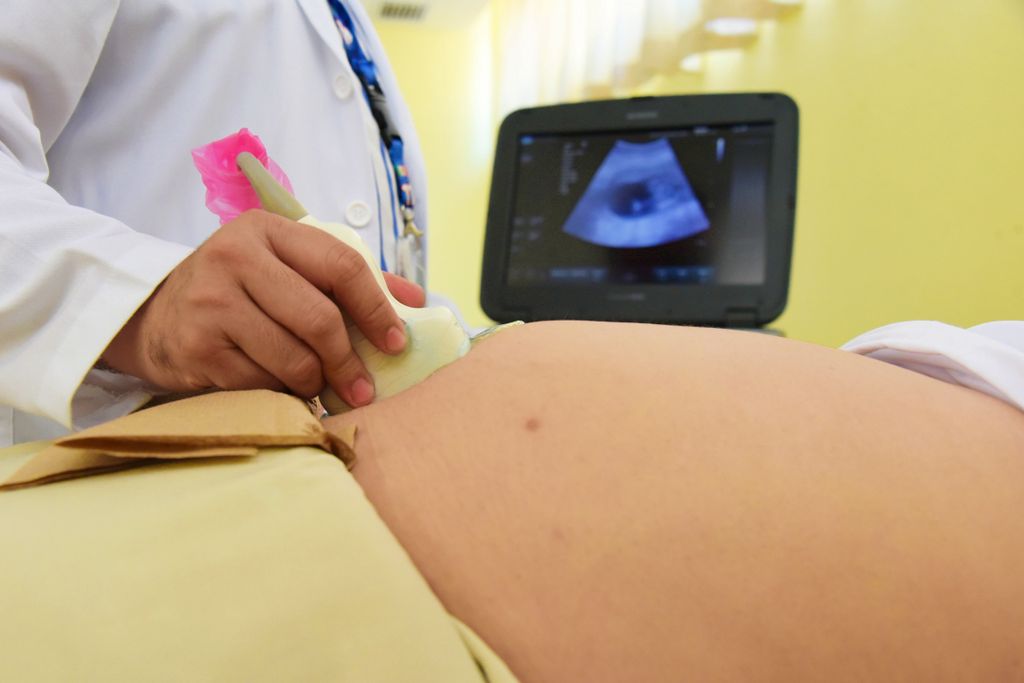
Non-invasive methods such as ultrasounds and MRI scans can provide useful information, but they cannot always confirm whether someone has endometriosis.
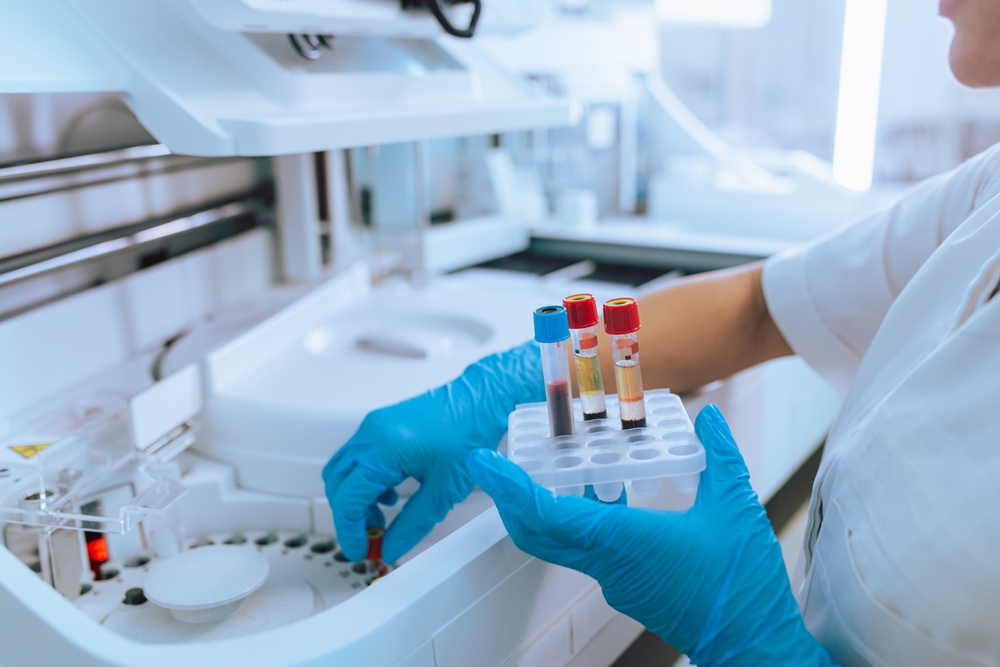
Australian researchers are now investigating whether a simple blood sample could provide another option.
The test, called PromarkerEndo, was developed by Perth-based medical technology company Proteomics International in collaboration with the Royal Women’s Hospital and the University of Melbourne.
Scientists analysed plasma samples from 805 participants across two independent groups to identify protein patterns linked to endometriosis. The study identified a panel of 10 plasma protein biomarkers that showed strong predictive accuracy for diagnosing the condition.
Scientists Identify Blood Based Fingerprints Linked To Endometriosis
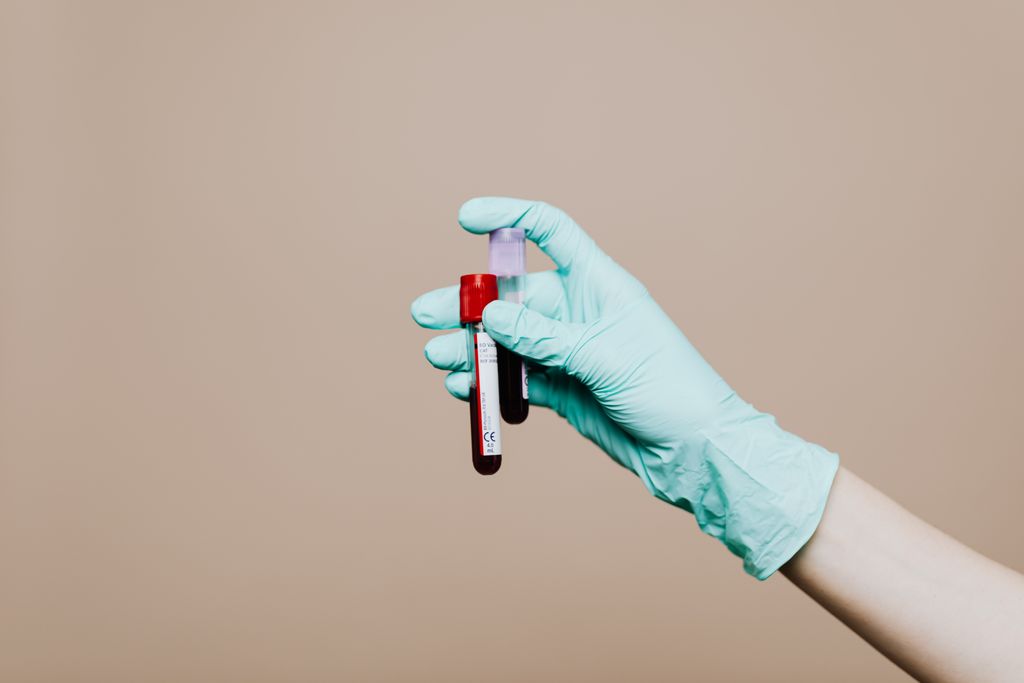
The idea behind the test is based on identifying biological changes that occur in people with endometriosis.
Researchers used a proteomics approach, which involves analysing proteins found in blood samples. Proteins can change depending on what is happening inside the body, and scientists looked for specific patterns that could separate people with endometriosis from those without the condition.
The research team first identified possible biomarkers before creating targeted testing methods to examine plasma samples from different groups of participants.
The study included:
- 464 endometriosis cases: Participants with confirmed endometriosis.
- 153 general population controls: Participants without confirmed endometriosis.
- 132 symptomatic controls: Participants experiencing symptoms but without confirmed disease.
Researchers then created statistical models to measure how accurately the biomarkers could predict endometriosis.
The strongest-performing model focused on severe endometriosis compared with symptomatic controls. It achieved an area under the receiver operating characteristic curve score of 0.997, suggesting very high predictive performance within the study group.
Another model comparing people with endometriosis against general population controls achieved an AUC of 0.993. A third model comparing mild to severe endometriosis cases with symptomatic controls achieved a lower but still measurable result.
These results suggest that blood biomarkers could become a useful addition to existing diagnostic tools.
However, researchers have made clear that the test is not yet ready to replace current methods. More research is required to confirm that it works consistently across different populations and healthcare environments.
Why A Faster Diagnosis Could Matter For Patients
For people with endometriosis, diagnosis is not only about receiving a medical label. It can determine whether they gain access to treatment, symptom management, and support.
Many patients experience symptoms that interfere with everyday life. Severe pain may affect attendance at work or school, while fertility concerns can create additional emotional and physical challenges.
Associate Professor Magdalena Simonis, a GP with a special interest in women’s health, said symptoms that affect a person’s ability to function should be investigated, whether or not the final diagnosis is endometriosis.
The current delay means some patients spend years trying to understand why they are experiencing ongoing pain.
Professor Peter Rogers, Research Director at the Royal Women’s Hospital and Professor of Women’s Health Research at the University of Melbourne, said the development could help address a major gap in care.
“This breakthrough is an exciting advance in the diagnosis of this debilitating disease,” Professor Rogers said.
He explained that the findings represent progress toward creating a non-invasive test capable of identifying endometriosis at early and advanced stages.
A blood test could also change where diagnosis begins. Instead of requiring patients to reach specialist care before receiving confirmation, a future test could potentially allow general practitioners to investigate suspected cases earlier.
Associate Professor Simonis said the test could shift more of the diagnostic process back into general practice, although doctors would still need to consider symptoms and other medical information.
The Potential Advantages Of A Simple Blood Test
If future studies confirm the findings, a blood test could offer several possible benefits compared with current diagnostic pathways.
A simpler testing process could help patients receive answers sooner while reducing reliance on invasive procedures.
Potential advantages include:
- Earlier detection: A blood test could help identify possible cases before symptoms continue for years without explanation.
- Less invasive assessment: Patients may have another option before undergoing surgical diagnosis.
- Improved healthcare access: A test available through general practice could benefit people who struggle to reach specialist services.
- Potential cost savings: Researchers believe it could reduce some expenses linked with current diagnostic methods.
Dr Richard Lipscombe, Managing Director of Proteomics International, said researchers identified protein “fingerprints” in blood samples that could indicate the presence of endometriosis.
“The blood test, called PromarkerEndo, could significantly reduce the cost and the amount of time typically spent on trying to solve the cause of symptoms suffered by women and girls over years,” Dr Lipscombe said.
He added that the test could be more cost-effective than existing approaches involving ultrasounds, invasive laparoscopies, MRIs, and biopsies.
For patients who have spent years searching for answers, the possibility of a faster diagnostic pathway could represent a major change.
Doctors Say The Test Needs More Evidence Before Wider Use

Although the early findings have attracted attention, medical experts say the blood test must continue through further research before it becomes part of everyday healthcare.
A promising result from a research study does not automatically mean a test is ready for use in clinics. Scientists need to confirm that it remains accurate when used among larger and more diverse groups of people.
Associate Professor Magdalena Simonis, a GP with a special interest in women’s health, said the blood test could become a valuable addition to existing diagnostic methods, but doctors would still need to consider the full picture of each patient’s symptoms.
“We must always keep a focus on the symptoms that a woman presents to us with, so that we don’t become blindsided by particular results, especially when we’re dealing with new testing,” Simonis said.
Her comments highlight an important part of medical testing: laboratory results need to be interpreted alongside a person’s medical history and symptoms.
A future blood test would likely support doctors rather than completely replace current diagnostic approaches.
Simonis also raised questions about affordability and accessibility. A test that provides accurate results would still need to be affordable enough for patients and practical enough for healthcare systems to adopt.
“It might be a prohibitively expensive test, so it needs to be affordable, it needs to prove to be accurate and it needs to also give women an option to proceed with further investigations if that’s deemed necessary,” she said.
Researchers behind the study have also acknowledged limitations. The participants were mostly of European ethnicity, meaning additional studies are needed to understand how the test performs across different populations.
The study also noted that there could be undiagnosed endometriosis among some control participants, which may affect how the results are interpreted.
Why Rural Patients Could Benefit From Easier Testing
One of the biggest potential changes from a blood-based test could involve access to diagnosis.
Many people living outside major cities face additional barriers when seeking specialist healthcare. Long travel distances, limited access to specialists, and appointment delays can add further challenges for those already experiencing symptoms.
A diagnostic tool that could eventually be used more easily in general practice could help bring earlier investigations closer to where patients live.
Simonis said a future blood test could change the role of general practitioners in endometriosis diagnosis.
“This shifts that diagnostic timeline back to general practice, which is a first for endometriosis,” she said.
However, she stressed that awareness about menstrual health remains essential. A test alone cannot solve every issue linked to delayed diagnosis because people also need to recognise when symptoms require medical attention.
Symptoms that interfere with someone’s ability to attend school, work, or complete normal activities should be investigated, regardless of whether the final diagnosis is endometriosis or another condition causing chronic pelvic pain or heavy menstrual bleeding.
The researchers believe earlier identification could help patients access treatment options sooner.
Professor Rogers said early detection could improve treatment planning and may help patients respond better to existing therapies used to manage the condition.
Current Endometriosis Diagnosis Could Look Very Different In The Future
The development of PromarkerEndo comes at a time when researchers worldwide are looking for better ways to identify endometriosis.
The current diagnostic pathway often involves multiple stages. A patient may first discuss symptoms with a doctor, undergo imaging tests, receive referrals, and eventually consider surgery for confirmation.
This process can be physically and emotionally exhausting, particularly for people who have already been dealing with unexplained symptoms for years.
A reliable blood test could provide another step earlier in that process.
Instead of waiting until symptoms become severe enough to justify invasive investigation, doctors could potentially use blood biomarkers as part of an earlier assessment.
Researchers believe the identified protein markers could detect different stages of the disease, including early forms that may otherwise be difficult to confirm.
The study found that the biomarker panel could distinguish symptomatic controls from early-stage endometriosis cases in parts of the dataset, although additional validation is still required.
If future studies support these results, the test could become another important tool in helping doctors identify patients who may need further investigation.
When Could The Blood Test Become Available
Despite the excitement around the findings, PromarkerEndo is not currently available as a routine diagnostic test.
The researchers are continuing work to strengthen the test’s reliability and confirm how it performs in real-world healthcare settings.
Before a medical test becomes widely available, researchers must complete further evaluation to ensure it provides consistent and accurate results.
This process helps determine how the test should be used, which patients may benefit most, and how it fits alongside existing diagnostic methods.
The exact timeline for public availability, cost, and possible healthcare coverage has not yet been confirmed.
For now, patients experiencing symptoms associated with endometriosis should continue seeking medical advice through existing healthcare pathways.
The new research does not mean current diagnostic methods will immediately disappear. Instead, it represents a possible future option that could make the journey toward answers shorter and less invasive.
The Research Could Mark A Turning Point For Endometriosis Care
For decades, endometriosis has been associated with delayed diagnosis, with many patients spending years trying to understand the cause of their symptoms.
The Australian research team’s blood test does not yet provide an immediate solution, but it offers a possible new direction for diagnosis.
The idea behind the test is straightforward: instead of waiting for symptoms to progress or relying first on surgery, doctors may eventually have access to information from a simple blood sample.
The study’s findings show that protein biomarkers in blood can provide useful signals linked to endometriosis. Further research will determine whether those signals can become a dependable tool for everyday healthcare.
A shorter diagnosis journey could have a significant impact on people living with the condition. Earlier answers may allow patients to access treatment discussions sooner, understand their symptoms more clearly, and make informed decisions about their health.
The future of endometriosis diagnosis may not depend on one single breakthrough, but this research moves the conversation toward a simpler possibility: finding answers could eventually begin with a blood test rather than years of uncertainty.