
Your cart is currently empty!
Australia’s Planned Trump Tower Falls Apart Before Construction Begins
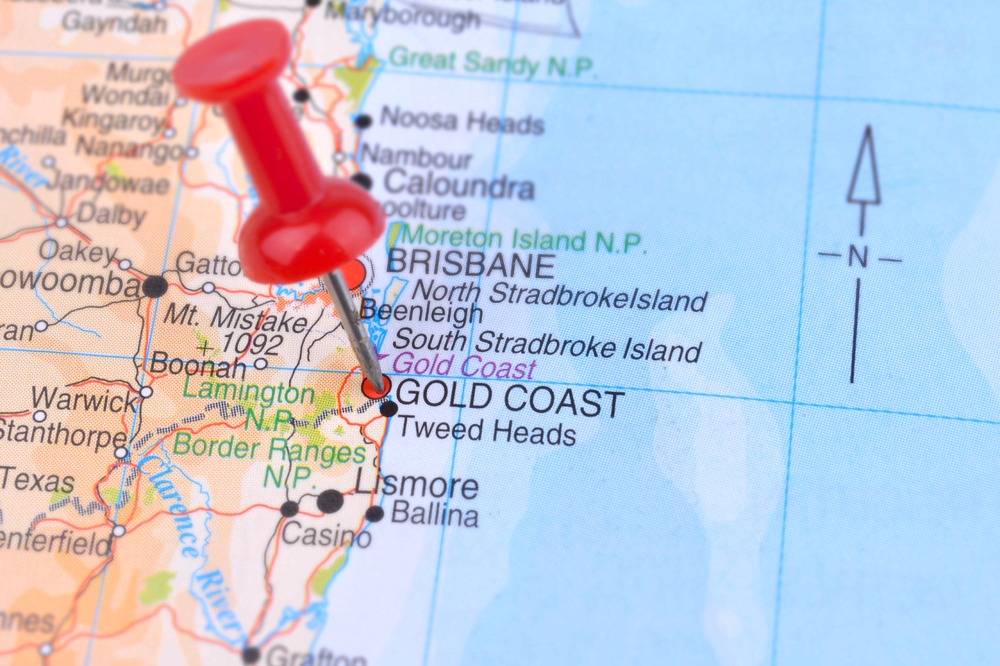
Australia was supposed to get its first ever Trump Tower, complete with luxury apartments, a beach club, restaurants, and a massive hotel towering above the Gold Coast skyline. Developers promised the A$1.5 billion skyscraper would become the tallest building in the country and a landmark destination capable of competing with some of the world’s most famous luxury towers. Just months later, the entire partnership has collapsed publicly, triggering accusations of financial failures, broken promises, and claims that the Trump name had become too controversial to survive in Australia.
Contents
show
The fallout quickly escalated into a war of statements between the Trump Organization and Australian developer Altus Property Group. One side blamed unpaid obligations and “empty promise, after empty promise,” while the other argued the Trump brand had become “increasingly toxic in Australia” following global political tensions and the Iran conflict. The project has now become one of the most dramatic failed luxury developments Australia has seen in years, and construction never even began.
The Tower Was Supposed To Transform The Gold Coast Skyline
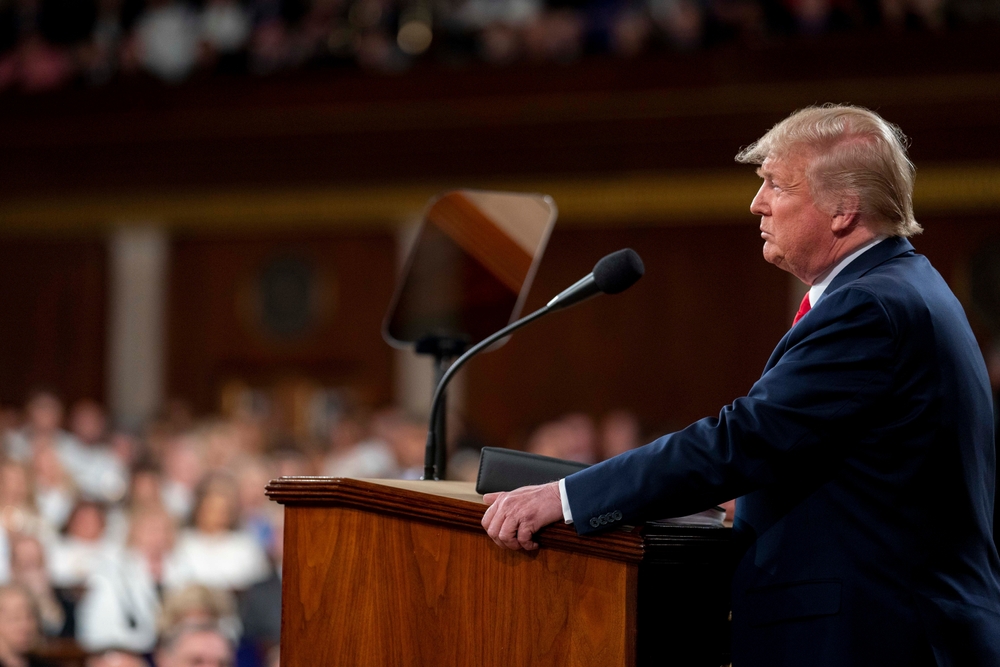
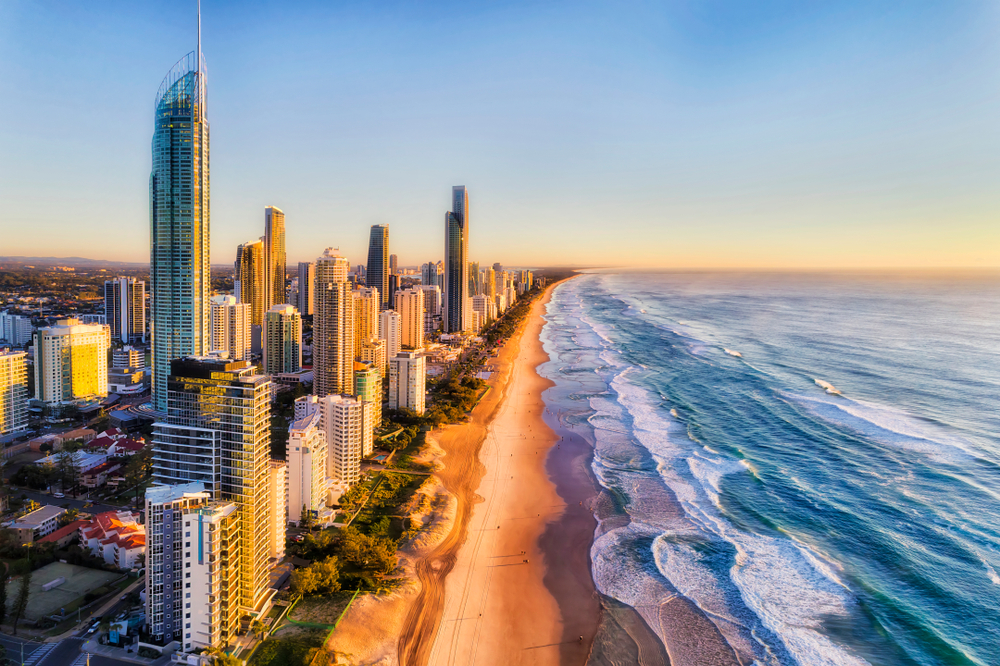
The original proposal was designed to make headlines from the moment it was announced. Developers unveiled plans for a 91 storey skyscraper that would rise 335 metres above Queensland’s Gold Coast, making it taller than London’s Shard and potentially the tallest building in Australia. The scale of the project immediately attracted international attention because it was being promoted as a landmark luxury development tied directly to the Trump Organization’s global brand.
The tower was expected to include 285 hotel rooms, 272 luxury residential apartments, restaurants, shops, entertainment spaces, and a private beach club targeting wealthy tourists and investors. Construction was scheduled to begin in August, with the project marketed as a major expansion of luxury tourism on the Gold Coast. Developers claimed the tower would reshape the city skyline and place the region alongside some of the world’s most recognisable luxury destinations.
When the partnership was announced, Eric Trump described the development as the company’s first official project in Australia. He said the tower would bring “the prestige and allure of a world-class luxury brand” to the country. Supporters of the project argued the tower would generate tourism revenue, attract foreign investment, and create jobs in one of Australia’s busiest coastal regions.
The proposal also triggered immediate criticism from locals who believed the Trump branding would create political controversy around the Gold Coast. Opponents argued the development risked turning the area into a global political flashpoint rather than a tourism project. Even before construction could begin, the tower had already become one of the country’s most divisive luxury developments.
Developers Claimed The Trump Brand Became ‘Toxic’
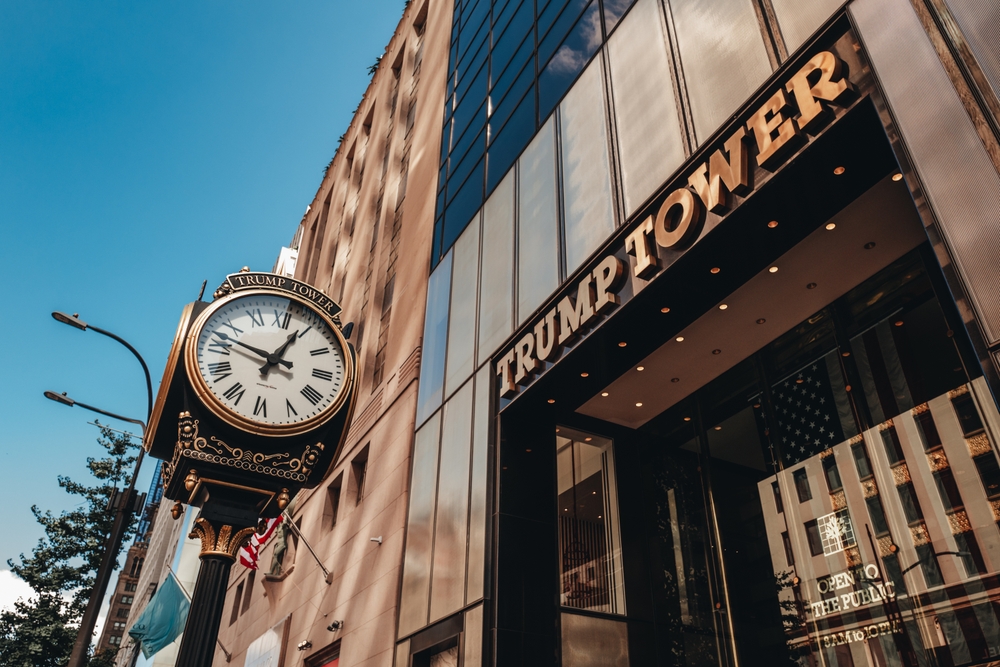
The collapse of the partnership became public after Altus Property Group chief executive David Young blamed growing backlash surrounding the Trump name for the project’s downfall. Young argued international events and political tensions had damaged the commercial viability of the branding in Australia and claimed the company had already decided it needed to separate itself from the Trump Organization.
“Let’s just say that with the Iran war and everything else, the Trump brand was increasingly toxic in Australia,” Young said. His comments immediately attracted attention because they directly linked the failed luxury project to wider international political tensions and public attitudes toward Donald Trump.
Young also rejected accusations that Altus had failed to meet financial commitments tied to the deal. “Some time ago we knew it was time to part company. It was not about not meeting obligations,” he said. He insisted the broader skyscraper project was still active and claimed the company was already considering other luxury partners that could replace the Trump Organization.
The remarks quickly intensified debate online and across Australian media. Critics of the development argued the Trump brand had become too controversial for a massive public facing project in Australia, while supporters accused the developer of attempting to shift blame away from financial or commercial problems behind the scenes.
The Trump Organization Responded With Its Own Accusations
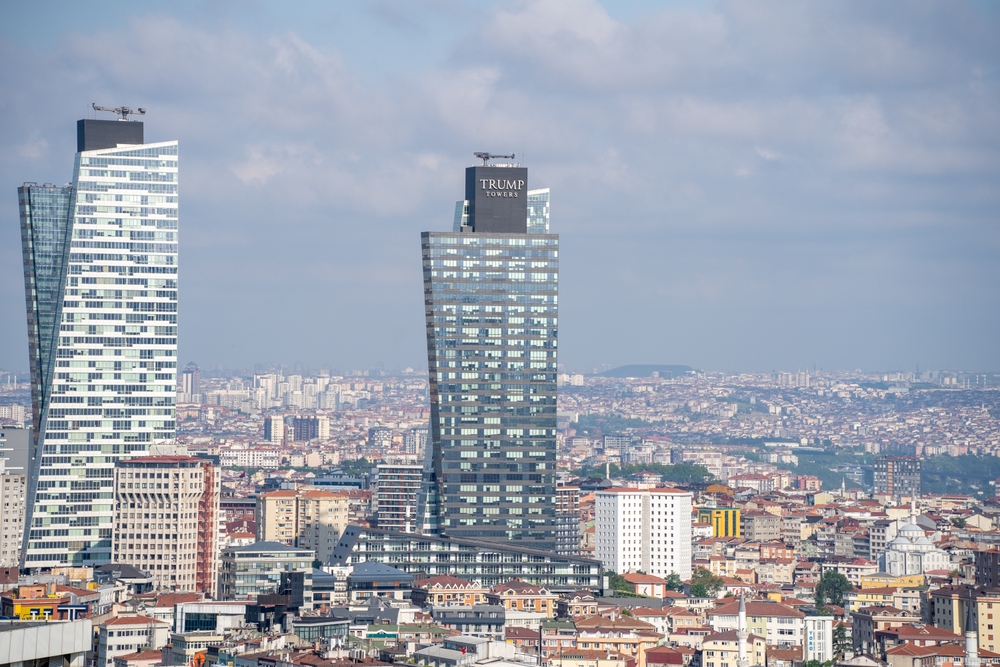
The Trump Organization strongly rejected the explanation provided by Altus Property Group and accused the developer of failing to meet basic financial obligations tied to the agreement. Company representatives claimed the project collapsed because promised commitments were never fulfilled despite months of negotiations.
Kimberly Benza, director of executive operations for the Trump Organization, said the company had initially been enthusiastic about the project and expected the partnership to move forward successfully. She argued Altus repeatedly failed to deliver financially while continuing negotiations around the billion dollar proposal.
“After months of negotiations and empty promise, after empty promise, on a supposed $1.5 billion project, Altus Property Group was unable to meet the most basic financial obligation due upon the execution of the agreement,” Benza said. The statement sharply contradicted Young’s version of events and transformed the collapse into a public blame battle between the two sides.
Benza also dismissed suggestions that the Iran conflict or wider political tensions had influenced the decision to terminate the agreement. “Mr Young’s attempt to blame certain world events for our termination of the agreement is merely a ploy to distract from his own defaults and failures.” Shortly after the fallout became public, references to the Australian tower disappeared from the Trump Organization’s website.
Local Officials Revealed The Project Had Barely Progressed
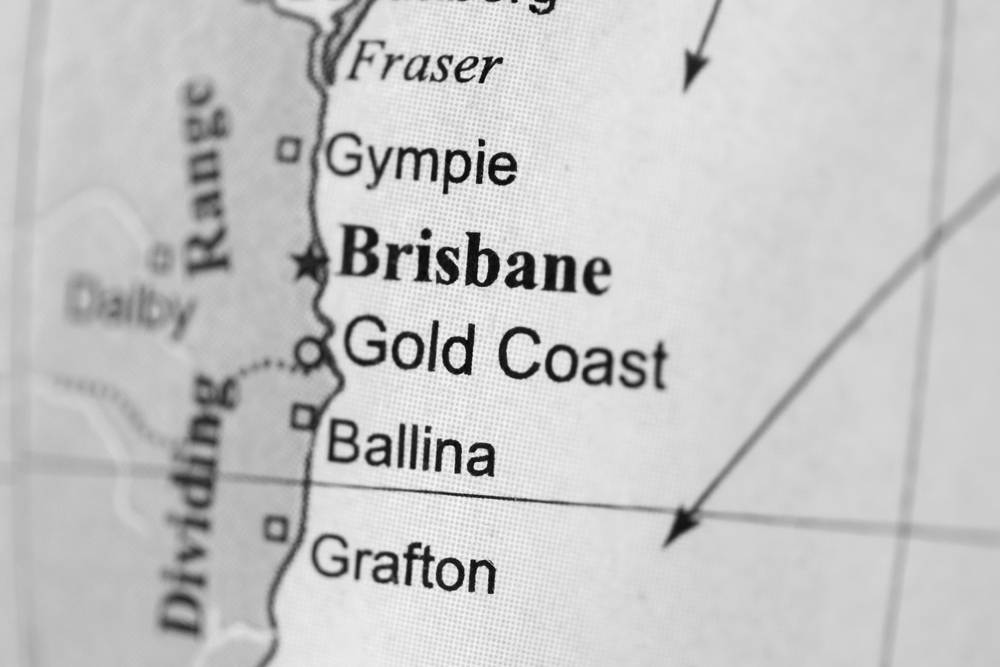
As attention surrounding the collapse continued to grow, local government officials revealed the development had not advanced as far as many people believed. Tom Tate confirmed the Gold Coast City Council had never received a formal development application linked to the proposed skyscraper.
That revelation surprised many observers because the project had already been promoted globally as a future landmark tower. The lack of a formal council application suggested major aspects of the development were still unresolved even while public announcements and promotional material were being circulated internationally.
Tate described the dispute as a private commercial disagreement between the Trump Organization and Altus Property Group. He also suggested the breakdown likely involved disagreements surrounding branding costs, operating structures, and financial returns tied to the Trump name.
“The Trump Organization wants a lot more for their brand on the funding side of things, to operate it and the percentage of return,” Tate told the Australian Broadcasting Corporation. His comments suggested negotiations may have become increasingly difficult as both sides attempted to secure more favorable commercial terms behind closed doors.
The Proposed Tower Had Already Divided Australia
The proposed development had already become deeply controversial long before the partnership officially collapsed. Supporters viewed the tower as a major investment opportunity capable of boosting tourism, creating jobs, and bringing international attention to the Gold Coast. Critics saw the project as politically divisive from the very beginning because of its direct association with the Trump brand.
Opposition groups argued the Gold Coast risked becoming associated with political conflict rather than tourism and entertainment. Many residents believed the branding would overshadow the city itself and turn the development into a symbol of international political division rather than luxury hospitality.
According to local reports, a petition opposing the development gathered more than 120,000 signatures. A separate petition supporting the project attracted roughly 3,600 signatures. The dramatic difference between the two campaigns highlighted just how strongly many Australians opposed the idea of a Trump branded tower rising over the Gold Coast skyline.
Public debate intensified further as tensions in the Middle East dominated headlines globally. Young’s claim that the Trump brand had become “increasingly toxic in Australia” reflected concerns that international political events were beginning to directly affect overseas business ventures connected to Donald Trump.
The Gold Coast Site Could Still Become A Luxury Tower
Despite the collapse of the partnership, Altus Property Group insists the broader skyscraper project is still alive. Developers claim they are now exploring alternative luxury brands that could potentially replace the Trump Organization and help move the tower forward under a completely different identity.
The future of the project remains uncertain because several major issues still need to be resolved before construction could realistically begin. Investors would need reassurance around financing, planning approval, branding, and the level of local opposition surrounding the development.
Possible challenges facing the project include:
- Securing new international investors
- Finding another luxury hospitality partner
- Obtaining formal planning approval
- Managing public opposition campaigns
- Rebuilding confidence around the project
For now, there is no confirmed replacement partner and no official construction timeline. What was supposed to become Australia’s first Trump Tower has instead become a highly public example of how quickly billion dollar developments can unravel when politics, branding, and international controversy collide.