
Your cart is currently empty!
Barack Obama Addresses Controversial Video Posted By Trump

In a political climate already marked by tension and sharp divisions, a social media post ignited another national debate about race, leadership, and the standards expected from those in public office. A video shared on President Donald Trump’s Truth Social account depicted former President Barack Obama and former First Lady Michelle Obama as apes, invoking a long and painful racist trope. The clip appeared at the end of a video promoting claims of voter fraud in the 2020 election.
Contents
show
The backlash was swift and bipartisan. While the White House initially dismissed criticism as “fake outrage,” the post was later removed and attributed to a staff member. Days later, Barack Obama addressed the controversy indirectly during an appearance on Brian Tyler Cohen’s podcast, reflecting not just on the video itself but on what he described as a broader erosion of decorum in American politics.
His response did not name Trump directly. Instead, it focused on something deeper: the tone of political discourse and whether the country is drifting further from standards of decency that once guided public life.
The Video and the Immediate Fallout
The video in question featured an edited image of Barack and Michelle Obama superimposed onto the bodies of apes, set to the song “The Lion Sleeps Tonight.” It was appended to a separate video advancing debunked claims about widespread voter fraud in the 2020 presidential election.
Once shared on Truth Social, the clip spread rapidly across other platforms. Critics argued that it invoked a racist caricature historically used to dehumanize Black people. That association intensified outrage, particularly because Barack Obama was the first Black president in American history.
The White House initially defended the post. Press Secretary Karoline Leavitt described it as an internet meme depicting Trump as “King of the Jungle” and Democrats as characters from The Lion King. She urged reporters to focus on issues that “actually matter to the American public.”
However, criticism mounted from both Democrats and Republicans. Senator Tim Scott of South Carolina, the only Black Republican senator, called it “the most racist thing I’ve seen out of this White House.” Representative Mike Lawler of New York labeled the post wrong and incredibly offensive. Senator John Curtis of Utah described it as “blatantly racist and inexcusable.”
After several hours of backlash, the video was removed. A White House official said a staffer had “erroneously made the post.” President Trump later confirmed that the staffer was not fired or disciplined.
Trump’s Response: “I Didn’t Make a Mistake”

When asked whether he would apologize, President Trump told reporters aboard Air Force One that he “didn’t make a mistake.” He said he had viewed only the beginning of the video before it was posted and was unaware that it included the depiction of the Obamas.
“I looked at the beginning of it. It was fine,” he said. Trump emphasized that he had approved the video because of its message about voter fraud. He maintained that once the offensive portion was discovered, the post was taken down.
Trump also stated that he condemns racist content. At the same time, he declined to apologize, reiterating that he had not personally seen the entire clip before it went live.
His remarks did little to quiet criticism. Some Republican lawmakers who had already spoken out continued to insist that an apology was warranted. Others remained silent, reflecting the complicated dynamics within the party when it comes to confronting the president.
The episode revived long standing tensions around Trump’s history of comments about race. Before his first term in office, he repeatedly promoted false claims that Barack Obama had been born in Kenya rather than Hawaii, a conspiracy theory widely condemned as racially charged. Trump later acknowledged that Obama was born in the United States.
Obama’s Measured Response
Barack Obama addressed the issue during a 47 minute interview on Brian Tyler Cohen’s podcast. Rather than directly criticize Trump, he framed his comments around the broader issue of public discourse.
“It’s important to recognize that the majority of the American people find this behavior deeply troubling,” Obama said.
He acknowledged that such controversies often generate attention and distraction. “It is true that it gets attention. It’s true that it’s a distraction,” he noted.
Obama then shifted to what he described as a loss of shame and decorum among public officials. While traveling around the country, he said he still encounters Americans who believe in decency, courtesy, and kindness. But he contrasted that with what he called a “clown show” unfolding across social media and television.
“There doesn’t seem to be any shame about this among people who used to feel like you had to have some sort of decorum and a sense of propriety and respect for the office,” he said. “That’s been lost.”
His choice not to mention Trump by name was consistent with his post presidency approach. Obama has often framed his criticisms in terms of values and institutions rather than personal attacks.
The Historical Weight of the Imagery
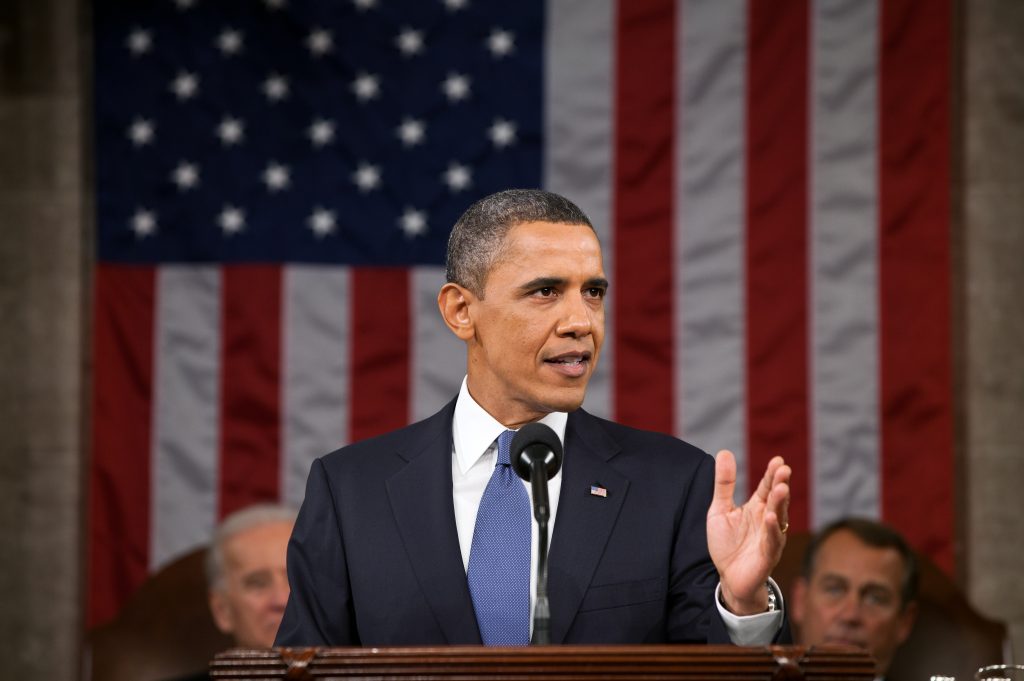
The depiction of Black individuals as apes has a long and painful history in American and European racial propaganda. During slavery and segregation, such imagery was used to justify discrimination, violence, and dehumanization.
Civil rights groups quickly condemned the video. Derrick Johnson, president of the NAACP, called it disgusting and accused Trump of using distraction tactics. Other Democratic leaders were even more direct in their criticism.
The power of such imagery lies not only in the insult itself but in its historical resonance. For many Americans, especially within the Black community, the trope is inseparable from generations of systemic racism.
Political scholars note that racial symbolism in politics often carries layered meanings. Even when presented as satire or parody, it can reinforce stereotypes that have shaped public policy and social attitudes for centuries.
The controversy also raises broader questions about the boundaries of political humor in the digital age. Social media has blurred lines between official communication and meme culture. When a post appears on a president’s account, critics argue, it carries the weight of the office regardless of intent.
Internal Party Tensions and Bipartisan Criticism
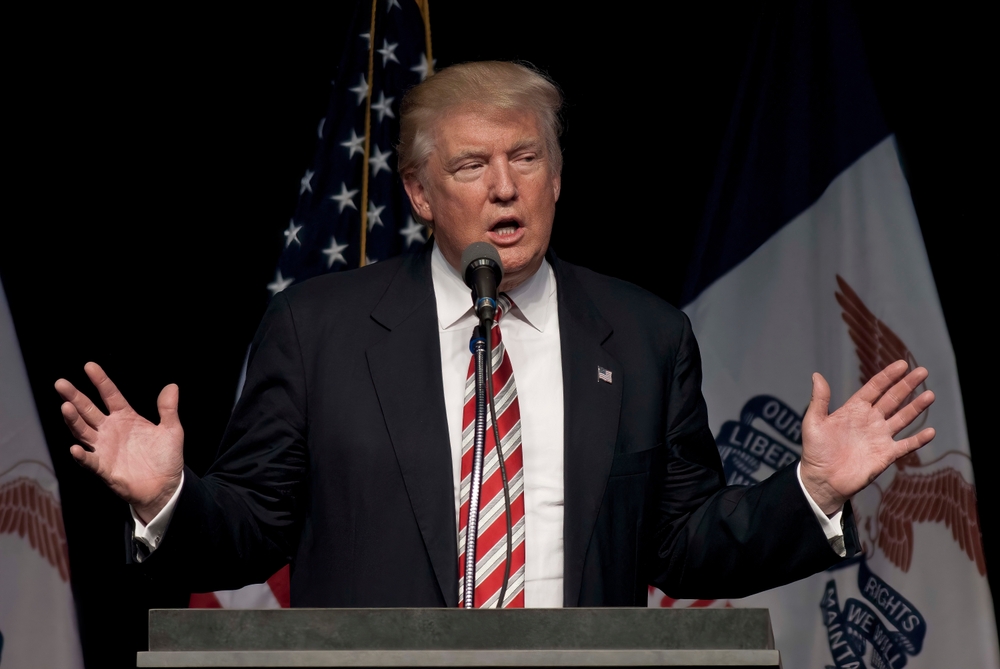
One notable aspect of the controversy was the degree of Republican criticism. Senator Tim Scott’s response stood out because of his close relationship with Trump and his role as a prominent Black conservative voice.
Other Republican lawmakers, including Mike Lawler and John Curtis, publicly called the video offensive and inappropriate. Their statements signaled discomfort with the tone of the post, even if they did not break with Trump on broader policy issues.
At the same time, some Republican figures defended the president or focused instead on criticizing media coverage of the incident. This divide illustrates the ongoing balancing act within the party between loyalty to Trump and concerns about messaging.
For Democrats, the incident reinforced longstanding criticisms about Trump’s rhetoric. House Minority Leader Hakeem Jeffries and several governors described the video in harsh terms. Former Obama adviser Ben Rhodes argued that history would judge the episode harshly.
The bipartisan criticism did not translate into formal consequences, but it underscored the discomfort among some lawmakers about the tone of political debate.
The Role of Social Media in Modern Governance

The controversy also highlights the evolving role of social media in presidential communication. Unlike traditional press releases or televised addresses, platforms such as Truth Social allow for rapid, unfiltered messaging.
Trump has long used social media as a central tool of political strategy. Supporters argue that it allows him to bypass traditional media filters and speak directly to voters. Critics counter that it often amplifies misinformation and inflammatory content.
In this case, questions remain about the internal review process for posts. The White House attributed the video to a staffer, but declined to provide details about how many people have access to the account or what safeguards are in place.
Digital communication experts note that presidential accounts are not merely personal profiles. They function as official channels of government messaging. As a result, the standards applied to content may differ from those governing private citizens.
The incident raises practical questions as well:
- How should presidential social media posts be vetted before publication?
- What level of accountability applies when offensive content is shared?
- How does rapid online amplification shape public reaction and political polarization?
These questions extend beyond a single video. They reflect broader challenges facing democratic institutions in the digital era.
Distraction or Defining Moment?
Some critics argued that the controversy served as a distraction from policy debates, including discussions about the economy and immigration enforcement. Others contend that moments like this are not distractions at all but reflections of deeper cultural and political divides.
Obama himself suggested that such episodes can draw attention away from substantive issues. Yet he also implied that the tone of leadership matters in its own right.
Political analysts often distinguish between policy outcomes and symbolic leadership. While legislation shapes material conditions, rhetoric influences civic norms and public trust. The debate over the video sits at the intersection of both.
For some Americans, the removal of the post and the explanation that it was shared by a staffer closed the matter. For others, the refusal to apologize remains significant.
Broader Reflections on Decorum and Democracy

At its core, the episode invites reflection on what Americans expect from their leaders. Decorum is not merely about politeness. It reflects shared assumptions about respect, restraint, and the dignity of public office.
Historically, presidents have differed widely in tone and temperament. Yet many political historians argue that certain informal norms have helped stabilize democratic institutions. When those norms shift, public reactions can be intense.
Obama’s comments suggest concern about a cultural shift in which outrage and spectacle dominate civic conversation. His reference to a “clown show” captures frustration with an environment in which viral moments overshadow policy discussion.
At the same time, the strong reaction from some Republicans indicates that standards of acceptable discourse remain contested within both parties.
For voters, the controversy may reinforce existing views rather than change minds. In a polarized landscape, events are often filtered through partisan lenses.
Still, moments like this can serve as reminders that political leadership extends beyond legislation. It includes tone, symbolism, and the messages conveyed through official platforms.
What This Means Moving Forward
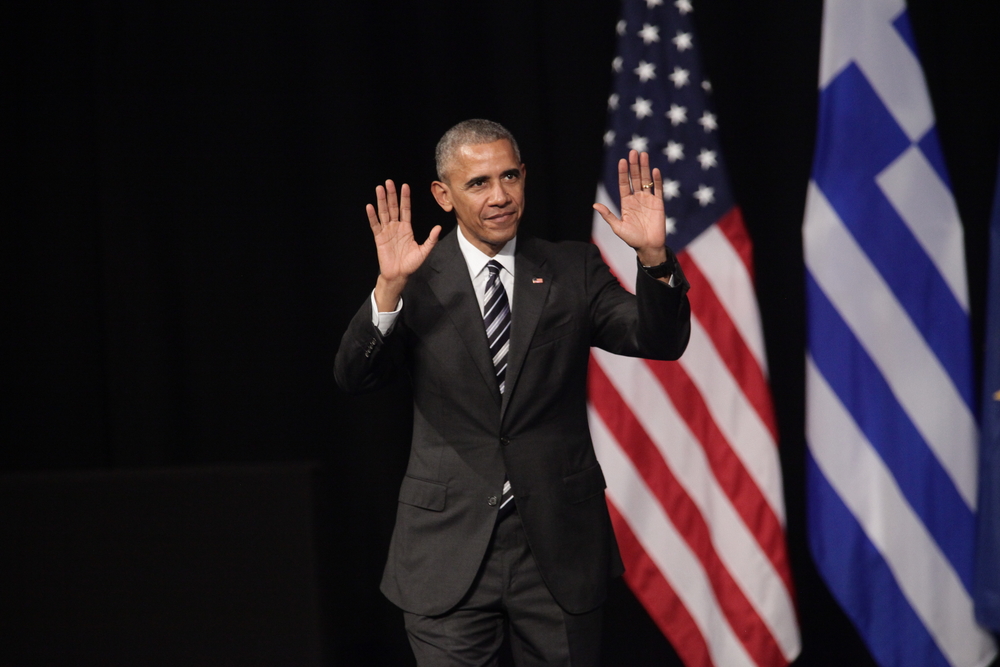
The long term impact of the controversy remains uncertain. It is unlikely to reshape entrenched political loyalties on its own. Yet it contributes to an ongoing conversation about race, accountability, and the evolving nature of presidential communication.
For some Americans, the key issue is whether leaders should apologize when offensive material is shared, regardless of intent. For others, the larger concern lies in what they see as selective outrage or media focus.
There are also practical lessons for political institutions:
- Clear review protocols for official social media accounts may help prevent similar incidents.
- Transparent communication about mistakes can build or erode public trust.
- Acknowledging historical sensitivities can reduce unnecessary division.
Obama’s decision to respond indirectly rather than confrontationally reflects one model of post presidency engagement. Trump’s refusal to apologize reflects another model of political communication centered on defiance.
The contrast between those approaches highlights deeper philosophical differences about leadership style and accountability.
A Moment of Reflection
Political controversies often fade quickly, replaced by the next headline. Yet they leave traces in the public memory, shaping perceptions of character and leadership.
In addressing the video, Barack Obama did not escalate the conflict. Instead, he pointed to something he believes has been diminished: a sense of shame and decorum in public life. Whether one agrees with his assessment or not, his remarks invite reflection.
What standards should guide those who hold the highest offices in the country? How should history, symbolism, and modern media intersect in political discourse? And can a polarized nation still find common ground on the basics of respect?
The answers to those questions will not emerge from a single controversy. But each episode adds another layer to an ongoing debate about the health of American democracy.
As the country moves forward, voters, lawmakers, and leaders alike will continue to wrestle with the balance between free expression, accountability, and the dignity of public office. In that sense, the story is not only about a single video. It is about the evolving character of political life in the United States.