
Your cart is currently empty!
Barnes & Noble Will Open 60 New Stores in 2026 and Reveals Its Upcoming Locations
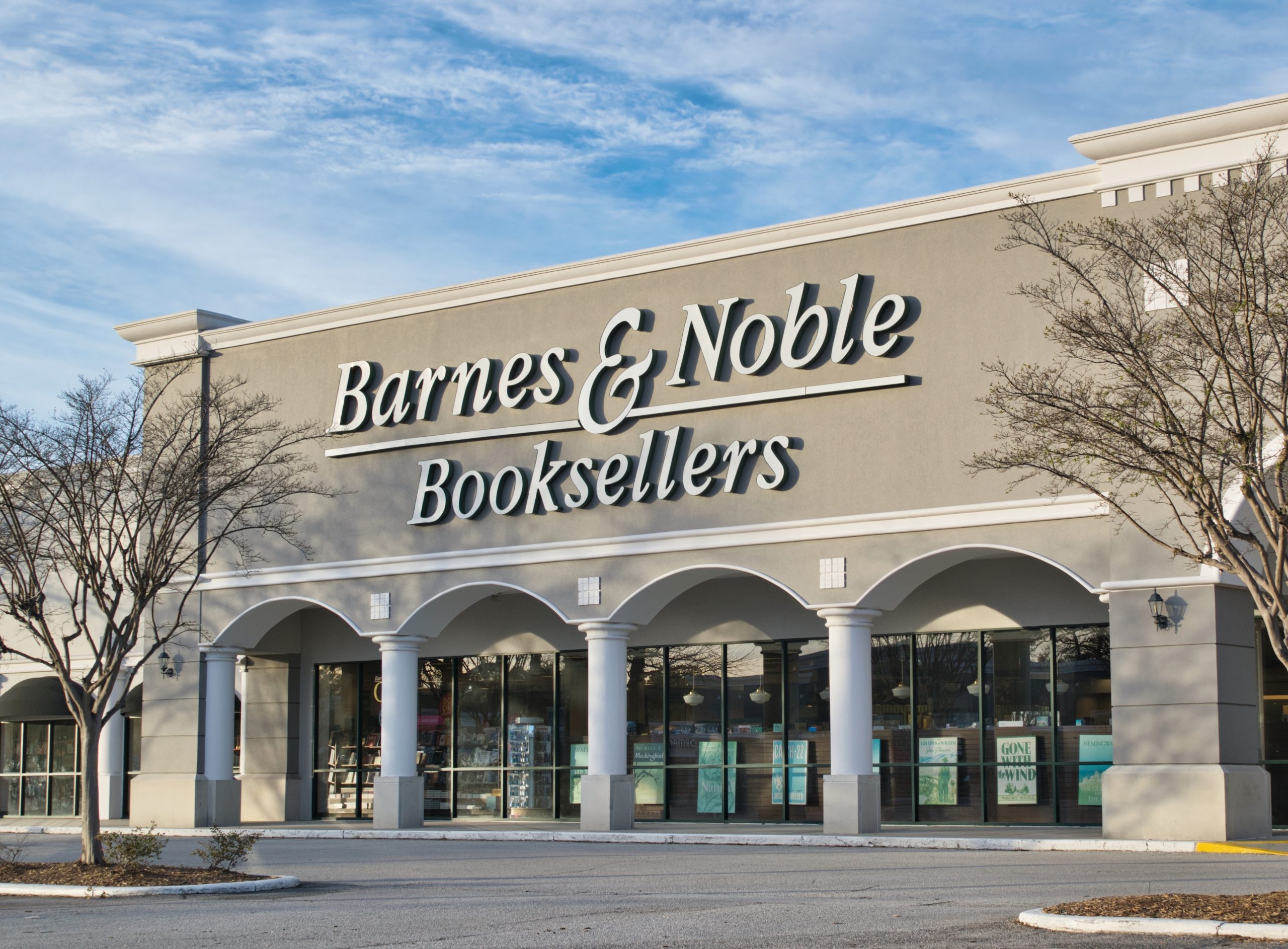
Despite the rise of digital screens, many readers still crave the physical connection and tactile discovery only a bookstore provides. This shift is fueling a major resurgence for Barnes & Noble, which recently announced plans to open 60 new locations across the United States in 2026. This expansion follows nearly two decades of decline and reflects a successful strategy that empowers local booksellers to curate their own shops. From Texas to California, these new stores prove that the unique experience of wandering through quiet aisles remains an essential and thriving part of our modern communities.
Contents
show
A New Chapter for Physical Bookstores

For years, avid readers watched with concern as physical bookstores seemed to vanish, casualties of a rapid shift toward online shopping. However, Barnes & Noble is rewriting that narrative. The retailer has officially announced plans to open 60 new locations across the United States in 2026. This aggressive expansion follows a reported period of “strong sales” and marks a sharp reversal after nearly two decades of store closures and shrinking footprints.
The driving force behind this turnaround is a fundamental change in how the company operates. Instead of sticking to a rigid, top-down corporate structure, Barnes & Noble has pivoted to a philosophy that trusts the experts on the floor. In a statement regarding the expansion, the company explained that the “strategy to hand control of each bookstore to its local booksellers has proven so successful” that it sparked this new era of growth. To put this momentum in perspective, the retailer noted that they opened more new stores in 2024 alone than they did throughout the entire decade from 2009 to 2019.
This approach allows local managers to curate their shelves based on what their specific communities actually want to read, rather than relying on a generic national plan. It turns out that when a bookstore feels personal, customers return. While exact addresses for the 2026 openings are still being finalized, these new locations will feature the extensive collection of books, toys, games, and gifts that shoppers expect. After years of retreat, the bookseller is confidently investing in brick-and-mortar retail once again.
Mapping the Expansion: Key States and Neighborhoods
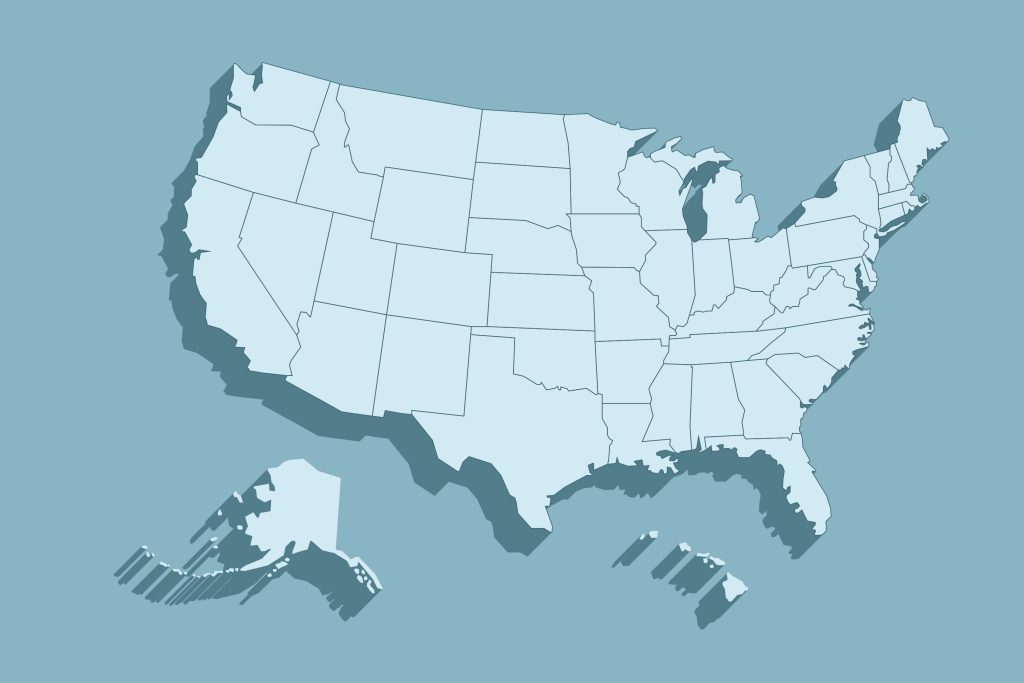
While the full roster of sixty specific addresses for 2026 is still being finalized by the company, the geographic focus of this expansion is already clear. Barnes & Noble has confirmed that its new locations will be concentrated in ten key states and the District of Columbia. Readers in Ohio, Texas, Florida, Illinois, and Colorado can expect a significant increase in local storefronts. The expansion also heavily targets the West Coast and Mid-Atlantic regions, with new shops slated for Washington state, California, Virginia, and Georgia.
One of the first concrete details for the 2026 calendar is a new location in San Antonio, Texas. This store is scheduled to open in the summer of 2026 on the city’s Northwest Side, taking over a space in the Huebner Oaks Shopping Center previously occupied by a large home goods retailer.
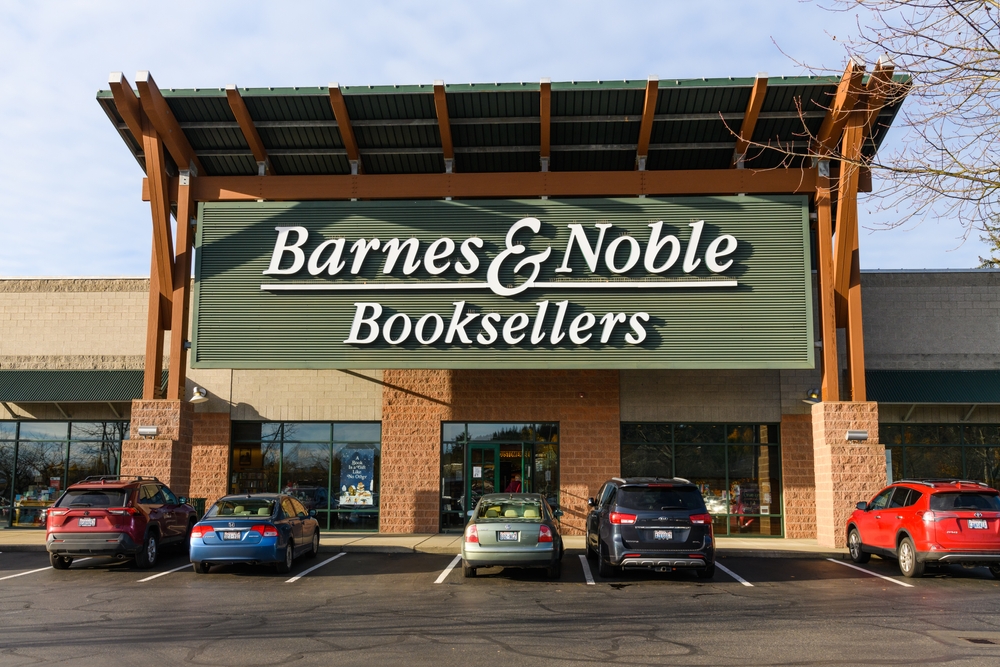
This specific example reflects the broader corporate strategy of moving into established shopping hubs where there is a proven demand for community-centric retail.
For those eager to find a store even sooner, the company recently completed a similar wave of sixty openings throughout 2025. These included new doors in cities like Austin, Miami, and Seattle, many of which replaced older locations with the brand’s updated, more intimate layout. As the 2026 dates approach, Barnes & Noble plans to release specific grand opening details for each new site. By spreading these sixty stores across such a wide range of regions, the retailer aims to ensure that a modern, curated book-buying experience is within reach for millions more Americans by the end of 2026.
Reimagining the Bookstore Experience

The new stores slated for 2026 are not the massive “big-box” outlets of the past. Instead, Barnes & Noble is leaning into a “boutique” model that prioritizes a warm, discovery-driven atmosphere. Under the leadership of CEO James Daunt, the company has moved away from standardized, corporate layouts in favor of cozy, curated spaces that feel more like independent shops. High shelves, winding pathways, and themed display tables are designed to encourage lingering, turning a quick shopping trip into a leisurely afternoon of exploration.
A key part of this strategy is the “books-first” approach. In the past, front-of-store displays were often sold to the highest-bidding publishers, resulting in stacks of books that didn’t always reflect local interests. Today, that practice has been scrapped. Store managers now have the freedom to showcase titles they believe their specific neighbors will actually enjoy. This shift has not only improved the customer experience but has also significantly reduced the number of unsold books returned to publishers—dropping from roughly 30% to just 7%.
Beyond the bookshelves, these new locations continue to serve as community “third spaces.” Most new and remodeled stores feature an updated B&N Café, where shoppers can sit with a new find. The inventory also remains diverse, offering the educational toys, high-quality games, and unique gifts that have become staples of the brand. By blending the charm of a local bookstore with the reliable selection of a national leader, the retailer is creating a space where people don’t just shop for books, but actually want to spend their time.
The “BookTok” Effect and the Next Generation
One of the most surprising drivers behind the bookstore’s growth is actually digital. While many expected social media to distract people from reading, platforms like TikTok and Instagram have done the exact opposite. The rise of BookTok, a massive online community dedicated to book reviews and reading aesthetics, has turned physical books back into a cultural trend. For younger generations like Gen Z and Millennials, visiting a bookstore has become a social event and a way to disconnect from their screens while still participating in a vibrant online conversation.
Barnes & Noble hasn’t just watched this trend from the sidelines; they have actively embraced it. Walk into almost any location today and you will find “BookTok Made Me Buy It” tables featuring trending titles that have gone viral online. This strategy bridges the gap between digital discovery and physical shopping. According to recent industry surveys, nearly half of TikTok users say they are reading more because of the platform, and many are specifically seeking out physical copies of popular genres like “romantasy” and contemporary fiction.
This digital-to-physical pipeline is clearly working. Data from 2024 and 2025 shows that foot traffic has increased significantly, with more visitors staying in the store for 45 minutes or longer. By listening to what people are talking about online and reflecting those interests on their shelves, Barnes & Noble has successfully positioned itself as a modern community hub. These stores are no longer seen as relics of the past; for a new generation of readers, they are essential places to discover their next favorite story and connect with a community that shares their passion.
Why the Return to Physical Shelves Matters
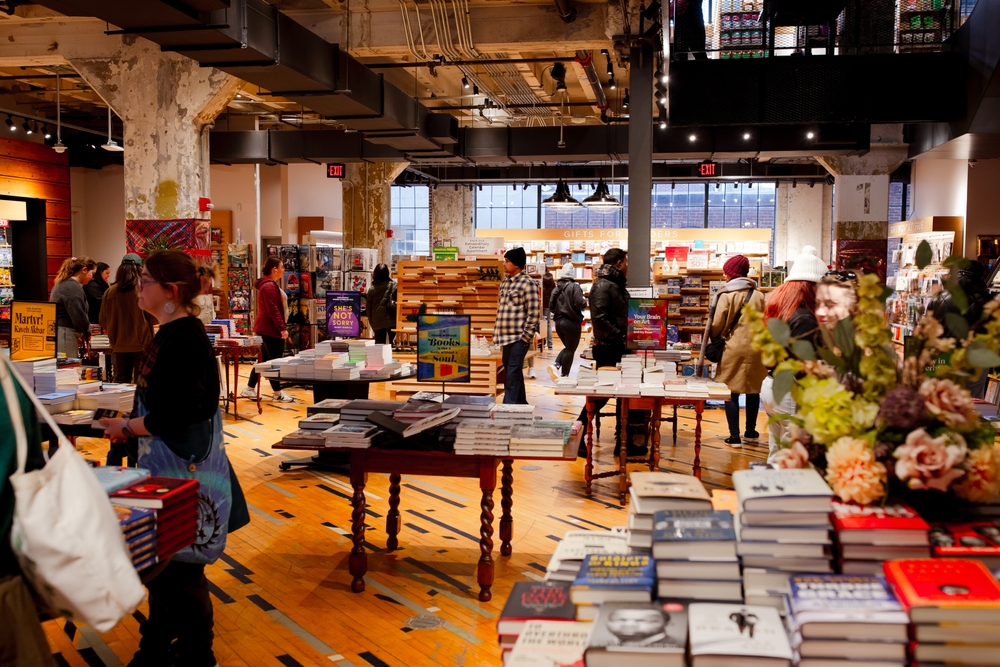
The planned expansion of Barnes & Noble suggests a broader cultural shift back toward tangible, offline experiences. While digital convenience is undeniable, physical bookstores offer something an algorithm cannot: the joy of serendipitous discovery. When readers browse physical shelves, they often encounter books outside their usual preferences, a phenomenon experts call visibility. This exposure to diverse perspectives helps broaden horizons and fosters empathy, which is essential for healthy relationships and personal growth.
Beyond the individual benefits, these stores serve as vital community anchors or third spaces. These are locations outside of home and work where people can gather, share ideas, and feel a sense of belonging. By hosting author signings, local book clubs, and children’s story hours, bookstores transform from simple retail outlets into cultural hubs. This social infrastructure is particularly important in an era where many feel increasingly isolated by their screens. Supporting a local bookstore is an investment in the social and economic health of a neighborhood.

As these sixty new locations open in 2026, there is a clear opportunity for readers to reclaim their focus. Studies have shown that reading printed books can lead to better comprehension and deeper learning compared to digital alternatives. It also offers a much-needed digital detox, reducing the blue light exposure that can disrupt sleep and well-being. To participate in this movement, consider visiting one of the new locations or re-engaging with a local shop nearby. Whether attending an event or simply spending an hour lost in the stacks, choosing to shop in person helps ensure that these literary sanctuaries continue to thrive for generations to come.