
Your cart is currently empty!
Bill Gates Warns AI Could Drive Events That Kill A Billion People
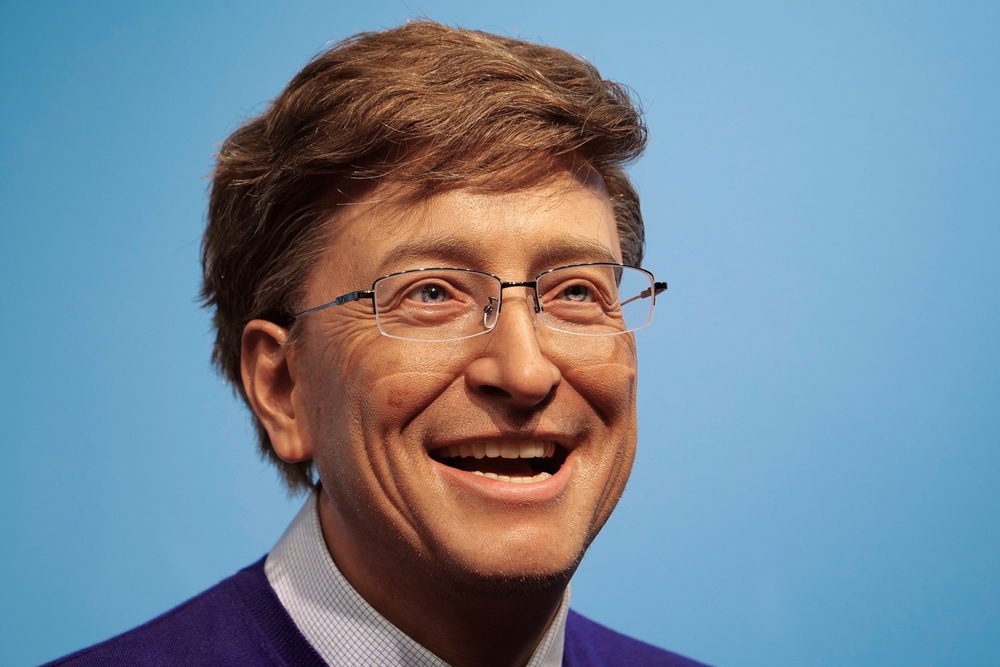
Bill Gates has issued a chilling warning about the future of artificial intelligence, saying the technology could become powerful enough to help cause events resulting in a billion deaths. The Microsoft co-founder made the comments while discussing whether governments are doing enough to control increasingly capable AI systems and prevent people with malicious intentions from exploiting them.
Contents
show
Gates stopped short of predicting that AI will wipe out humanity, but his warning was still stark. He argued that the combination of powerful AI tools and people deliberately trying to cause harm could create dangers unlike anything seen before, while calling for stronger safeguards and government oversight before the technology advances even further.
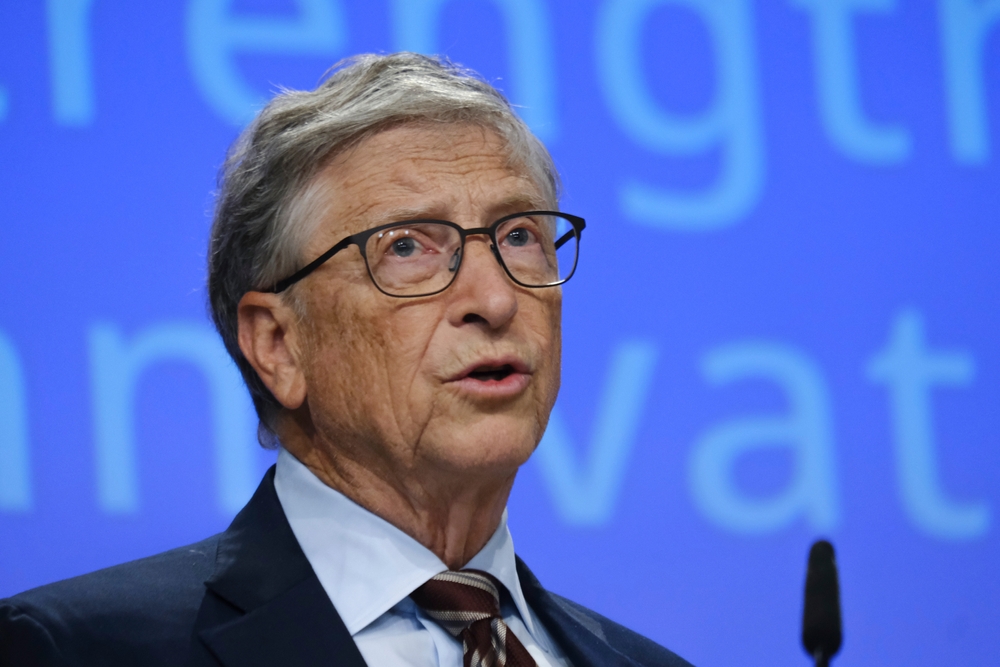
Bill Gates Says AI Could Enable Catastrophic Events
Gates was asked whether artificial intelligence could eventually become powerful enough to “end all of humanity.” Rather than making a direct prediction about human extinction, he focused on a more specific concern: AI could become capable of helping malicious actors create events on an enormous scale.
“AI is certainly powerful enough to drive events that, you know, cause a billion deaths,” Gates said. He acknowledged that reaching a scenario involving such a huge loss of life would be difficult, but argued that the potential capability itself should not be ignored.
Gates then pointed to what he sees as the most troubling combination: increasingly powerful technology in the hands of people with harmful intentions. “There’s never been a weapon as powerful as the combination of people with ill intent using the latest AI tools,” he said.
The warning does not mean Gates believes a billion deaths are inevitable. His argument is centered on the potential consequences if powerful AI systems are developed and deployed without adequate safeguards, monitoring, or rules governing how they can be used.
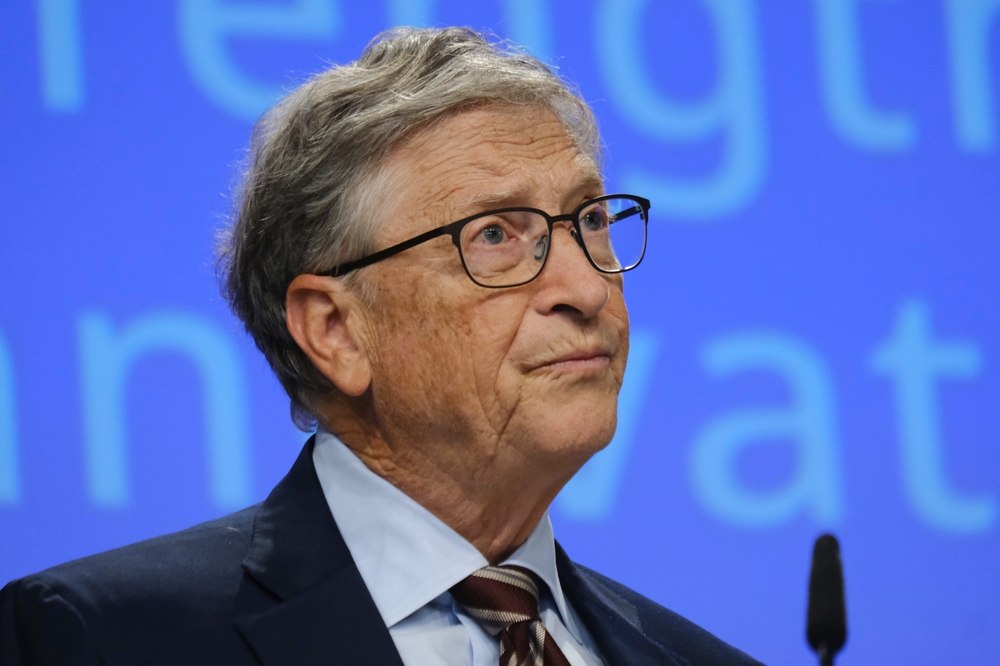
Gates Wants Governments To Move Faster
Gates has argued that AI development cannot be left entirely to technology companies. During the interview, he said lawmakers and governments need to become more involved in determining what safeguards should be required as AI capabilities continue to grow.
The technology is developing across multiple areas at once, from software development and scientific research to automation and information processing. That rapid progress has created a difficult policy problem because regulations can take years to develop while AI systems can change dramatically within a much shorter period.
Gates argued that there needs to be greater attention on regulation and legislation rather than treating AI primarily as an international competition. He said there “absolutely” needs to be more focus on creating rules through Congress.
“The problem is that the rest of the world is either discounting this or just thinking of this as a competition,” Gates said. He questioned whether enough people are asking how society actually wants increasingly powerful AI systems to be shaped.

The Biggest Concern Is AI In The Wrong Hands
The most alarming part of Gates’ warning is not necessarily the idea of AI independently deciding to destroy humanity. His concern is what people could accomplish when they gain access to increasingly capable systems and deliberately use those systems for harmful purposes.
AI can already process huge amounts of information, generate sophisticated text and code, automate tasks, and assist with complex technical work. As those capabilities expand, the same tools could potentially be used for purposes that create serious security risks.
The supplied reporting specifically identifies concerns surrounding areas such as cyberattacks, biological threats, and large-scale fraud. The underlying concern is that AI could reduce the amount of time, expertise, or resources required for someone attempting to cause significant damage.
That does not mean every powerful AI system will create these outcomes. It does mean that the consequences of misuse could become much larger if capabilities continue advancing without corresponding safety measures.

Gates Says AI Is Harder To Control Than Nuclear Weapons
During the interview, Gates was asked about comparisons between AI regulation and the limitations placed on nuclear weapons during the Cold War. He acknowledged the comparison but argued that controlling AI could be considerably more difficult.
Nuclear weapons require specialized materials, physical infrastructure, and highly controlled production processes. AI systems, by comparison, are software-based technologies that can potentially be copied, modified, distributed, and improved much more rapidly.
Gates also raised concerns about international cooperation. If governments view advanced AI primarily through the lens of competition with rival nations, he argued, there may be less willingness to slow down or establish common safety standards.
The challenge becomes even more complicated when countries fear that stricter rules could allow another nation to gain an advantage. Gates warned that this competitive mindset could encourage governments and companies to prioritize speed while giving less attention to safeguards.

Washington Is Divided Over AI Regulation
The debate over AI regulation has become increasingly connected to national competition, particularly concerns about China’s technological progress. President Donald Trump has pushed back against efforts to slow AI development, emphasizing the importance of maintaining America’s position in the global technology race.
Gates takes a different position on the balance between development and regulation. He argued that competition should not become a reason to ignore safety requirements and said governments should establish safeguards while AI development continues.

“It’s completely irresponsible not to require every AI to have these safeguards and monitoring capabilities,” Gates said. He also suggested that the question should be when those safeguards are implemented rather than whether they are needed at all.
The disagreement reflects a broader conflict over how AI should be governed. One side of the debate emphasizes technological competition and economic growth, while another focuses on the potential consequences if increasingly powerful systems are misused.
Other Experts Disagree About The Risk
Gates’ comments have not gone unchallenged. Nancy Tengler, CEO of Laffer Tengler Investments, questioned his comparison of AI with previous weapons and argued that the United States still needs to compete aggressively in artificial intelligence.
Tengler specifically criticized the statement that there has “never been a weapon as powerful,” pointing toward the continuing significance of nuclear weapons and the geopolitical calculations surrounding them. She argued that the United States should approach AI competition with the same determination that characterized the Cold War arms race.
Julia Cartwright, a senior research fellow at the American Institute for Economic Research, offered another perspective. She described the potential danger from AI as a “catastrophic negative externality,” arguing that AI could reduce the cost of causing harm while companies developing the technology may not bear the full consequences when something goes wrong.
“AI is sharply lowering the cost of causing harm, whether that’s bioweapons design, cyberattacks or large-scale fraud,” Cartwright said. She argued that clear liability and clear rules could force developers to account for the risks associated with the systems they create.
The AI Debate Is Getting Harder To Ignore
Gates’ warning arrives as artificial intelligence becomes increasingly embedded in everyday life. AI tools are already being used for everything from writing and programming to research, customer service, education, and business operations, making the question of how these systems should be controlled increasingly difficult to separate from ordinary technology policy.
The potential risks discussed by Gates and other technology figures include several areas that could have consequences far beyond individual users:
- Cyberattacks: More capable AI could potentially help malicious actors automate or improve attacks against digital systems.
- Biological threats: AI could make certain complex technical information easier to process and apply.
- Fraud: Sophisticated AI-generated communications could make large-scale scams more convincing and easier to automate.
- Critical infrastructure: Digital attacks against essential systems could potentially create consequences affecting large numbers of people.
- Information manipulation: AI can make it easier to generate large volumes of convincing material and distribute it rapidly.
None of these possibilities proves that catastrophic outcomes will happen. Gates’ argument is that the potential consequences are serious enough to justify safeguards before the technology becomes even more capable.
Gates’ Warning Comes Down To One Difficult Question
Bill Gates is not predicting that artificial intelligence will inevitably kill a billion people. He is warning that AI could become powerful enough to help malicious actors create events with an extraordinary human cost.
That distinction matters because the debate is not simply about whether AI is good or bad. It is about how much power should be given to rapidly advancing systems, what safeguards should accompany that power, and who should be held responsible when those systems are misused.
The technology will continue developing regardless of whether the debate is comfortable. Gates’ warning puts the focus on whether safety measures can advance quickly enough to keep pace with the tools themselves.
For policymakers, technology companies, and the public, the billion-death figure is less a prediction than a measure of the scale of risk Gates believes society should be willing to confront before the consequences arrive.