
Your cart is currently empty!
Body Language Expert Reveals What Trump Did Seconds Before Abruptly Ending NBC Interview
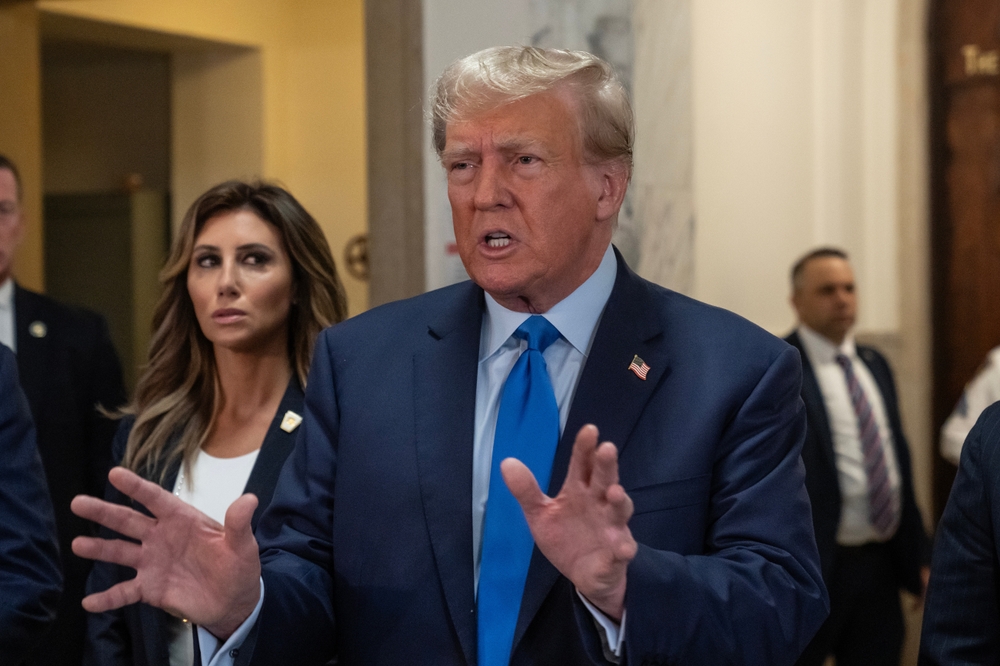
A tense television interview has sparked widespread discussion after President Donald Trump abruptly ended a conversation when pressed about his continued claims regarding election fraud. The exchange quickly drew national attention, with clips circulating widely across television broadcasts and social media platforms. Political commentators and viewers alike began dissecting the moment almost immediately after it aired.
Contents
show
The exchange quickly became one of the most talked about political moments of the week. While viewers focused on the questions that led to the walkout, one body language expert believes the most revealing part happened before Trump decided to leave. According to the analysis, the president’s reactions appeared to evolve gradually as the conversation became more confrontational.
According to the expert, subtle shifts in facial expressions, posture, and gestures suggested the president was becoming increasingly frustrated as the interview progressed. These changes were not necessarily dramatic on their own, but together they painted a picture of growing tension. Observers noted that the signs appeared to become more pronounced as the discussion centered on election related issues.
The incident has reignited debate about Trump’s relationship with the media, his ongoing election claims, and how public figures communicate under pressure when cameras are rolling. It has also sparked broader conversations about the role of body language in political communication and whether nonverbal cues can offer insight into a leader’s emotional state during difficult interviews.
The Interview That Suddenly Went Off Track
The interview was intended to cover a range of political issues, including the upcoming legislative agenda, foreign policy concerns, and questions surrounding election integrity. Initially, the discussion followed a relatively standard format, with both interviewer and interviewee moving through a variety of topics that are currently shaping the national political landscape.
For much of the discussion, Trump appeared composed and confident while answering questions from NBC’s Kristen Welker. The conversation moved through several topics without any obvious signs of conflict. Viewers watching the exchange may have expected the interview to continue in a similar manner until its conclusion.
That changed when Welker began pressing the president on repeated claims that the 2020 election had been stolen. The subject has remained one of the most controversial issues surrounding Trump’s political career and continues to generate strong reactions from both supporters and critics. As a result, the atmosphere in the interview shifted noticeably.
As the questioning continued, the tone of the interview shifted noticeably. Welker repeatedly challenged Trump to provide evidence supporting his assertions about widespread voter fraud, while Trump pushed back and argued that concerns about election integrity remain valid among many Americans. As interruptions became more frequent and both participants defended their positions, the increasingly adversarial tone ultimately led to a dramatic conclusion that quickly generated headlines across major news outlets.
The Body Language Signals Experts Noticed
While political analysts focused on the content of the exchange, body language specialists examined something different. Rather than concentrating solely on what was said, they looked closely at how Trump physically responded throughout the interview and whether those reactions changed over time.
According to experts who reviewed the footage, Trump’s physical behavior appeared to change gradually as the interview moved into more contentious territory. They pointed to a series of subtle cues that suggested increasing discomfort or irritation as the questioning became more persistent.
Rather than reacting immediately, the president displayed a series of subtle indicators that suggested mounting frustration beneath the surface. Experts noted that these signals appeared progressively rather than all at once, making them particularly noteworthy to those who study nonverbal communication.
These signals became more noticeable as questions about election fraud continued to dominate the discussion. Experts highlighted behaviors such as tightening facial muscles around the jaw and mouth, reduced smiling, increased interruptions, a more rigid posture, and prolonged eye contact during disagreements. While such signals do not definitively reveal emotions, analysts argued that their timing and escalation before the walkout made them especially significant.
Why Body Language Matters In Political Interviews
Political communication extends far beyond spoken words. In modern media environments, visual impressions often carry significant weight and can influence how audiences interpret a politician’s message. As a result, body language has become an important area of analysis.
Voters often evaluate leaders based on confidence, composure, and emotional control. As a result, body language can become almost as important as policy positions during televised appearances. A candidate’s demeanor can sometimes shape public perception even more strongly than the specific details of their answers.
Every facial expression, pause, and gesture is scrutinized by supporters and critics alike. Modern political campaigns invest heavily in media training because visual impressions can shape public perception and influence voter attitudes. Small moments can quickly become defining images in the public consciousness.
For high profile figures such as Trump, those moments become even more significant because millions of viewers analyze every appearance in real time. Live interviews create unique challenges because journalists can ask unexpected questions and push for clarification, requiring politicians to remain calm and persuasive even when discussing controversial topics that have generated years of debate and scrutiny.
Trump’s Long History Of Contentious Media Exchanges
The latest interview is far from the first time Trump has clashed with journalists. Throughout his political career, he has frequently engaged in heated exchanges with members of the press, often generating significant media attention in the process.
Throughout his political career, he has frequently criticized news organizations and accused reporters of unfair treatment. Those confrontations have become a defining feature of his public image and have helped shape his relationship with both supporters and critics.
Supporters often view these exchanges as evidence that Trump refuses to back down from hostile questioning. Critics, meanwhile, argue that he sometimes avoids difficult inquiries or reacts negatively when challenged on controversial topics.
Regardless of perspective, confrontations with the media have consistently generated significant attention. Several notable interviews over the years have ended in tense fashion, with Trump occasionally cutting conversations short, challenging interviewers directly, or expressing dissatisfaction with particular questions. These moments often become major news stories because they provide insight into how political leaders handle pressure and public scrutiny.
What Happened Moments Before The Walkout
Observers reviewing the footage have focused closely on the final minutes before Trump ended the interview. Those moments have become the primary focus of body language experts seeking to understand what may have contributed to the abrupt conclusion.
Body language experts say those moments revealed a noticeable shift in demeanor. Facial expressions became more serious, and responses appeared increasingly abrupt as the conversation continued.
The atmosphere grew more confrontational as both participants continued discussing election related claims. Neither side appeared willing to move away from the topic, contributing to the growing tension visible throughout the exchange.
What stood out to analysts was not a single dramatic gesture but a series of smaller behaviors that accumulated over time. According to experts, frustration often becomes visible before people verbally express it, and in Trump’s case, changes in posture, facial tension, and engagement patterns appeared more pronounced by the end of the interview. Shortly afterward, the president ended the interview, creating a moment that quickly spread across news and social media platforms.

The Political Fallout From The Exchange
The interview has already become a talking point across the political spectrum. Politicians, commentators, and media organizations have all weighed in on the significance of the exchange and its broader implications.
Supporters of the president have criticized the questioning and defended his decision to push back against what they consider biased treatment. Many argue that the interview reflected ongoing tensions between Trump and major news organizations.
Opponents have argued that the exchange demonstrates the importance of journalists pressing public officials on disputed claims. They view the incident as an example of accountability in action during a high profile interview.
The differing reactions highlight how deeply polarized political discourse remains in the United States. Supporters contend that Trump’s frustration stemmed from repetitive questioning, while critics argue it reflected discomfort with challenges to disputed claims. As attention turns toward future political battles, the incident underscores how televised interviews remain powerful moments that shape public narratives, fuel debate, and intensify scrutiny of both political leaders and the journalists who question them.