
Your cart is currently empty!
US Waives Protections for Native American Graves to Build Border Wall Across Ancient Sacred Sites
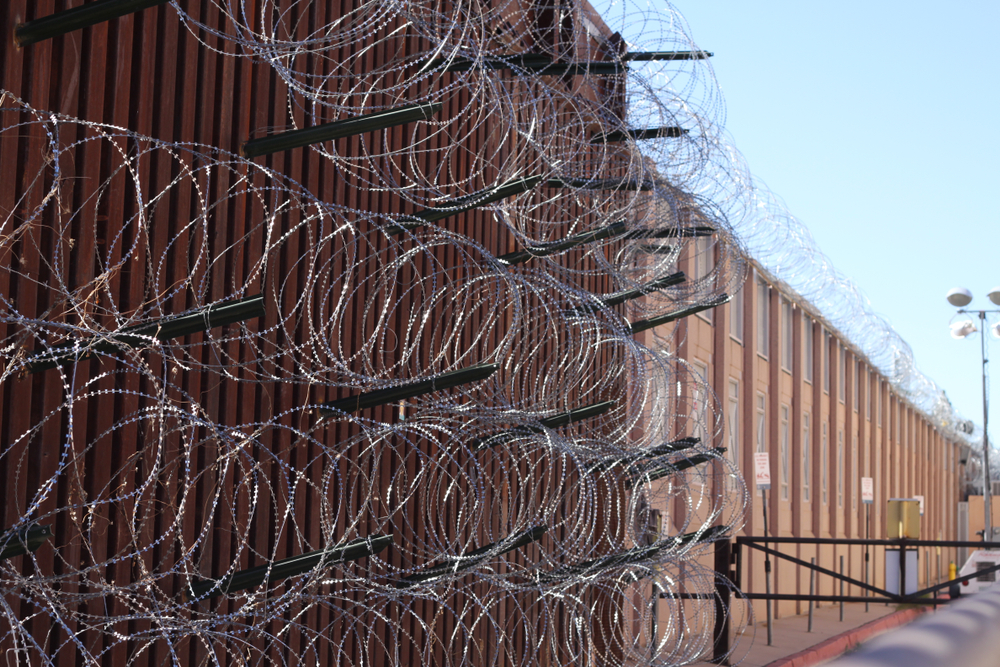
Picture a painting older than the pyramids, older than written language itself, still holding its color on a canyon wall after fifty-seven centuries of flash floods, blistering heat, and nobody laying a hand on it. Now picture one federal signature erasing every law built to protect it. That’s exactly what happened on July 27, 2026, when the Department of Homeland Security quietly waived the Native American Graves Protection and Repatriation Act, along with a stack of other federal safeguards, across a remote stretch of the Texas border — clearing the way for a wall that could blast straight through some of the oldest human art on the continent.
Contents
show
A Federal Waiver Has Changed The Rules
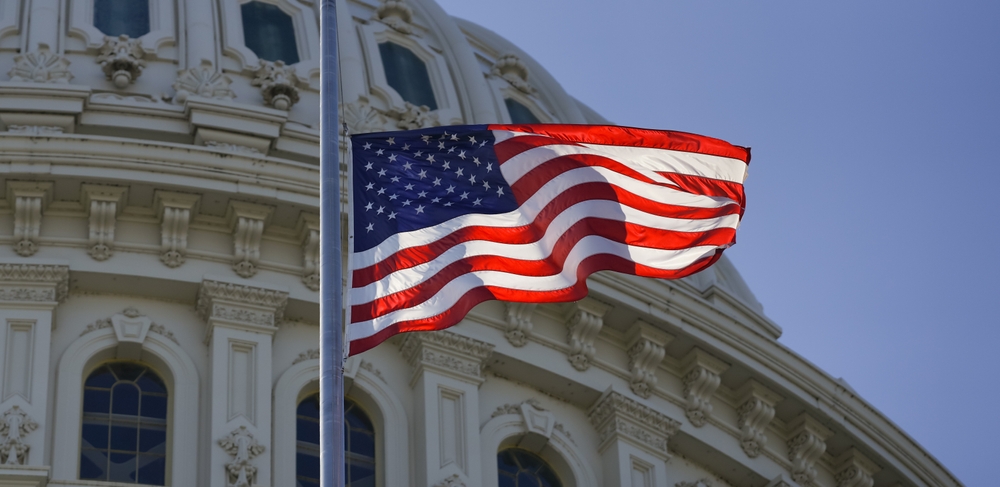
On July 27, 2026, the Department of Homeland Security issued another waiver covering border barriers and related infrastructure across a remote section of Texas.
The area stretches from the canyon country around Big Bend toward Lake Amistad. The waiver applies to physical barriers, roads, staging areas, drainage systems, lighting, cameras and sensors.
Among the protections waived are the National Environmental Policy Act, Endangered Species Act, Clean Water Act, National Historic Preservation Act and Native American Graves Protection and Repatriation Act.
The Native American Graves Protection and Repatriation Act is particularly significant because it provides federal protections involving Native American human remains, funerary objects and certain cultural items.
The waiver does not mean every protected site will necessarily be destroyed. It does mean that laws that would normally impose restrictions or require certain reviews no longer stand in the way of the covered construction.
That distinction matters because the exact infrastructure plan has changed repeatedly.
Earlier proposals raised concerns about a tall steel bollard wall. More recent plans in parts of the Lower Pecos have involved lower vehicle barriers and patrol roads, although the July waiver itself covers a broader range of possible infrastructure.
For archaeologists, the uncertainty is part of the problem.
They know the landscape contains thousands of years of human history. They also know that not everything has been found.
A Library Written on Limestone
Where the Pecos River empties into the Rio Grande west of Del Rio, the desert splits open into deep, pale canyons. Tucked into their rock shelters is an 8,600-acre archaeological district holding more than 300 known rock art sites, some of them murals that run for hundreds of feet. In one of them, Panther Cave, a painted cat nine feet across still leaps along the shelter wall, exactly where its maker left it.
The oldest of these, the Pecos River Style murals, “were first produced around 5,700 years ago,” according to Boyd. And for roughly 4,000 years afterward, the artists who followed kept painting the universe in the same visual language, generation after generation, never breaking the chain.
The most famous panel, the White Shaman mural, spans some 26 feet of shallow cave wall above the river. Researchers treat it less like a picture and more like a text. When Boyd consulted elders from the Wixárika, also known as the Huichol, an Indigenous people of western Mexico with ancestral ties to these deserts, they reached a consensus about what it says: the story of the creation of the sun.
Long before anyone drew a border here, someone stood in that cave and painted an answer to one of the oldest questions we have: where the light came from.
Construction Could Damage Sites Without Touching Them
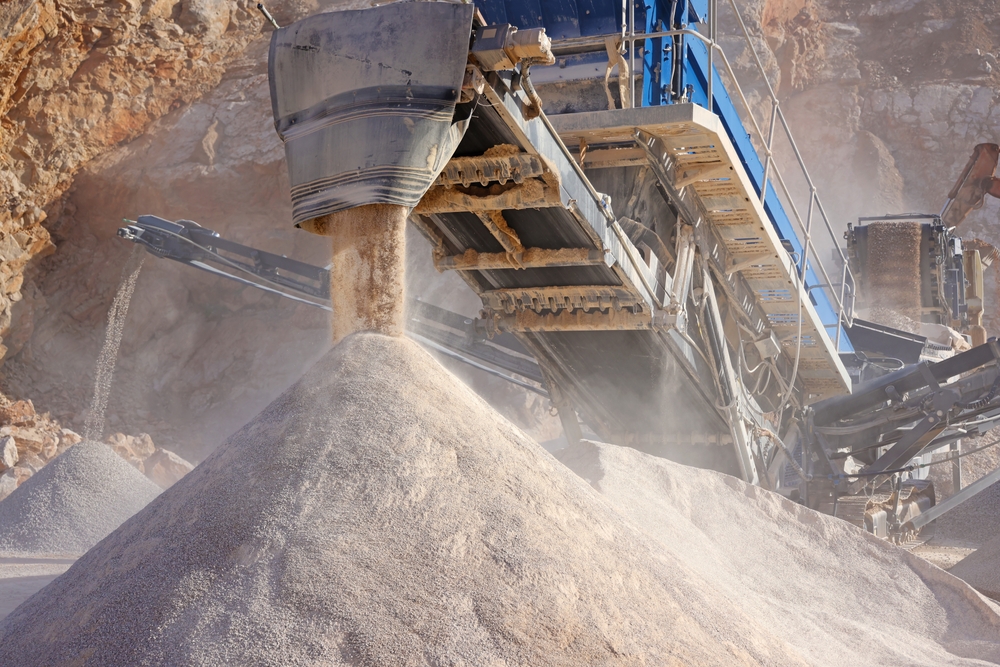
The biggest concern is not necessarily a bulldozer driving directly into a painted wall.
The surrounding landscape can be fragile enough that construction activity nearby may pose a threat.
Heavy equipment creates vibration. Road construction changes the terrain. Excavation can disturb archaeological deposits that remain hidden beneath the surface.
Blasting presents an even more obvious concern if construction requires cutting into limestone.
Raymond Skiles, a retired National Park Service biologist who spent much of his career in the Big Bend region, warned about the consequences of using explosives near ancient rock art.
“You add dynamite or whatever blasting is required to the 35-foot steel bollard wall, and I have no doubt that those will be seriously damaged,” Skiles said.
Rock art is already vulnerable to natural deterioration.
Skiles told KSAT that some cave paintings can naturally spall, meaning pieces of the rock surface can detach over time. Human construction could accelerate that process.
Researchers have identified dozens of sites close to proposed construction areas.
Boyd told KSAT that about 80 known rock art sites would be south of the proposed wall line, with another 13 within 500 meters of it.
The larger archaeological picture is even harder to measure.
A June report from The Border Chronicle noted that only around 17% of the border in DHS’s Big Bend Sector had been formally archaeologically surveyed. That means the known sites may represent only part of what exists across the landscape.
That creates an uncomfortable possibility.
A construction crew could disturb something archaeologists have never had the opportunity to document.
The Landmark America Named, Then Waived
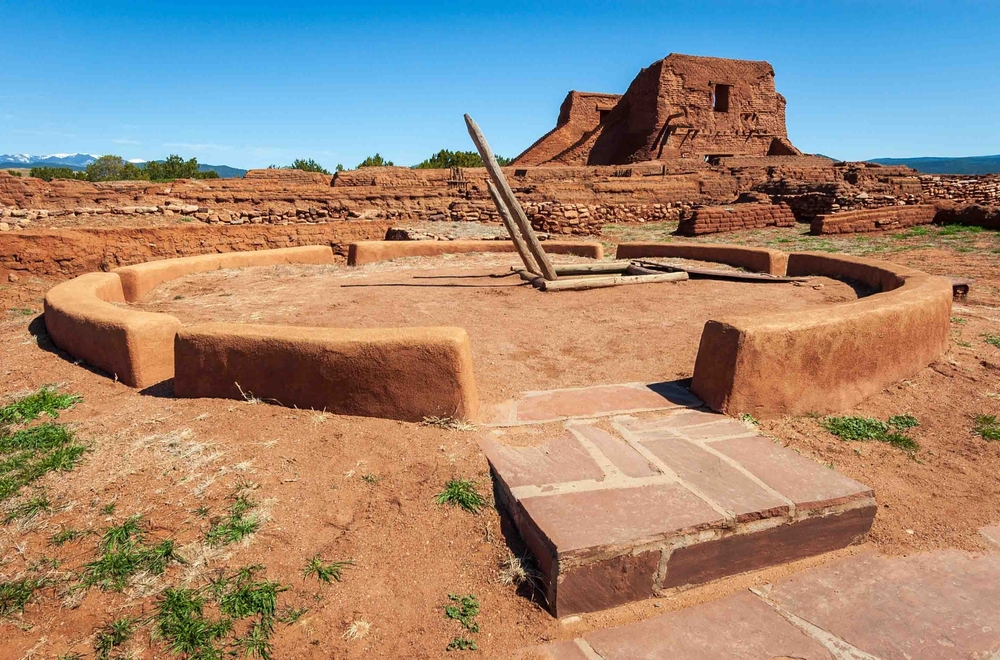
Here is the part that aches. In January 2021, the Lower Pecos Canyonlands Archeological District was named a National Historic Landmark, the country’s own declaration that these canyons matter. Boyd points at the whiplash: the very government that assigned that designation and recognized its importance, she said, “may be responsible for its destruction through the (border) wall.”
“I’ve probably given myself brain damage from shaking my head so much,” she said.
The fear is not abstract. In April 2026, border wall construction crews in Arizona ran heavy machinery over a sacred desert ground carving believed to be more than 1,000 years old. “It’s the canary in the coal mine,” Castañeda said of that loss. And this land has lost art before: when Amistad Dam rose and the reservoir filled, whole galleries of ancient painting drowned. A Wixárika elder named Matsuwa, visiting the region, was visibly upset by what the water had taken.
The People Refusing to Let It Vanish
Nobody who loves these canyons is acting like the story is over. Shumla’s researchers keep finding, recording, and studying the murals, working so that whatever happens next, the voices in the rock remain part of the human record.
Boyd is asking for something anyone can do. She urges people to “make calls to elected officials and spread the word as much as possible.” The current waiver map spares Shumla’s active research area, though as The Border Chronicle reported, that could change “with the swipe of a pen.”
And the land itself has been the murals’ bodyguard all along, its cliffs too steep and its canyons too deep for casual reach. That is part of why the paint survived long enough for us to fight for it.
Panther Cave Has Survived Every Empire — It May Not Survive This Decade
That paint has already outlasted the Comanche, the Spanish, the Republic of Texas, and every version of the U.S. government that came after them. Borders moved. Nations rose and dissolved. The murals stayed exactly where their painters left them, because nothing man-made could reach them until now. Fifty-seven centuries of flood, drought, and blistering sun couldn’t touch what dynamite and heavy machinery can undo in a single afternoon.
A signature undid decades of legal protection in an instant, and the same pen could restore it just as fast. Boyd’s ask is simple: call your elected officials, and don’t let this story disappear from the news cycle the way it’s disappeared from the law books. Panther Cave has survived longer than every empire that ever claimed this stretch of river. Whether it survives this decade may come down to how many people refuse to look away.