
Your cart is currently empty!
Boy’s Beach Discovery Turns Out to Be a 1.8 Million-Year-Old Elephant Tooth
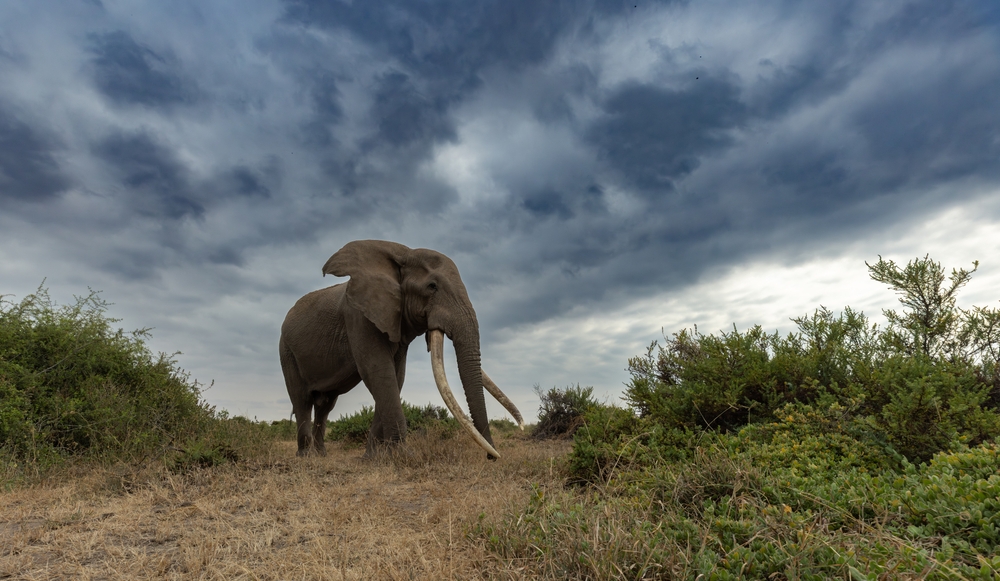
A casual family walk along an English beach turned into the discovery of a lifetime after an 11-year-old boy noticed what looked like an ordinary rock resting near the shoreline. Within days, experts confirmed it was anything but ordinary. The object was an elephant tooth dating back around 1.8 million years, belonging to an extinct relative of today’s African bush elephant. The remarkable find has stunned paleontologists and captivated people who never imagined a walk by the sea could uncover a relic from a world long before humans existed.
Contents
show
The discovery became even more extraordinary because of what happened just minutes beforehand. Charlie Orchard-Lisle had been talking with his mother about how much he loved elephants while the pair walked along East Lane beach in Bawdsey, Suffolk. Around 10 minutes later, they spotted the unusual object sitting among the rocks as waves washed against the shore. What seemed like an incredible coincidence quickly became a scientifically significant discovery, adding another chapter to the fossil-rich history of England’s eastern coastline.
An Ordinary Beach Walk Led to an Extraordinary Discovery
Charlie Orchard-Lisle and his mother, Eleanor, were enjoying a peaceful walk along East Lane beach on May 24 when something unusual caught both of their attention. Sitting close to the water’s edge was a rock-like object that immediately looked different from everything surrounding it. While beachcombers often stumble across shells, pebbles and driftwood, this object stood out enough for both mother and son to stop and investigate.
Eleanor later recalled the moment they first noticed it. “We were walking along and could see this thing by the lapping waves,” she said. Rather than dismissing it as another oddly shaped stone, they picked it up and took a closer look before showing it to Charlie’s father.
Their instincts proved correct almost immediately. “It must have been quite distinctive because it caught both our eyes. We could tell it was something different, it had a different feel to it,” Eleanor explained. That simple decision to pick up what appeared to be an unusual rock would eventually reveal one of the most fascinating fossil discoveries made on the Suffolk coastline in recent years.
Experts Confirmed the Tooth Was Nearly Two Million Years Old
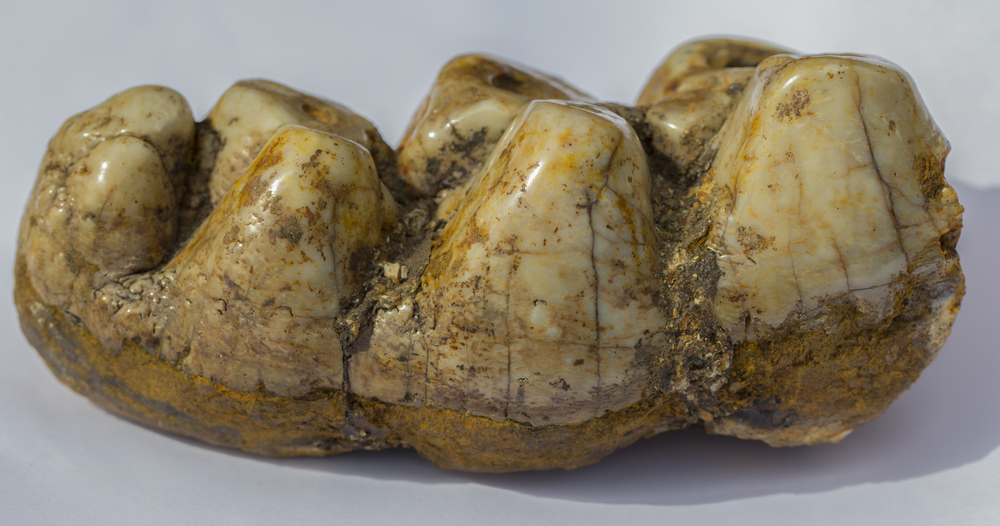
After photographs of the discovery reached specialists, Professor Adrian Lister, a research leader in paleontology at the Natural History Museum in London, confirmed the object’s identity. It was an upper left molar from Anancus avernensis, an extinct elephant relative that roamed Europe nearly 1.8 million years ago.
Unlike modern elephant teeth, the fossil had spent hundreds of thousands of years buried beneath layers of sediment before eventually becoming mineralized. Despite its incredible age, much of the enamel remained preserved, allowing experts to identify the species with confidence.
The fossil measures roughly four inches across and offers another valuable glimpse into a time when large mammals wandered landscapes that looked very different from modern Britain. Long before the island became separated from mainland Europe, these giant animals moved freely across vast plains that supported a rich variety of prehistoric wildlife.
En balade sur une plage avec sa famille, un petit garçon a trouvé une dent d’une espèce d’éléphant ayant vécu il y a près de 2 millions d’années. https://t.co/NKZZz37P07
— Paris Match (@ParisMatch) June 29, 2026
The Coincidence Made the Discovery Even More Remarkable
Finding a prehistoric elephant tooth would have been memorable under any circumstances, but the timing left Charlie’s family almost speechless. Only minutes before spotting the fossil, the 11-year-old had been sharing his enthusiasm for elephants during their walk.
“Basically, we were walking along, and 10 minutes before, my son Charlie was saying how much he loves elephants,” Eleanor said.
For Charlie, whose interest in elephants had already become a regular topic of conversation, uncovering evidence of one of their ancient relatives felt almost impossible to believe. It transformed a family outing into a story he will likely remember for the rest of his life.
Eleanor admitted she was still amazed after experts confirmed the fossil’s age. “I can’t believe you can find something so old that existed 1.8 million years ago and then just rocks up on the beach,” she said.
🚨: 11-Year-Old Makes Once-in-a-Lifetime Discovery of 1.8-Million-Year-Old Elephant Tooth pic.twitter.com/PwZEnOiiUW
— For all Curious (@fascinatingonX) June 28, 2026
Why Ancient Elephant Fossils Keep Appearing Along This Stretch of Coast
The Suffolk coastline has become one of Britain’s best-known places for fossil discoveries because millions of years of geological history are exposed along its beaches and cliffs. East Lane beach sits close to the Red Crag Formation, a layer of sediment dating back to the late Pliocene and early Pleistocene. That ancient deposit contains the remains of creatures that lived long before modern humans, making the area a regular destination for paleontologists and amateur fossil hunters alike.
Experts believe coastal erosion is the main reason Charlie’s discovery became possible. Strong waves, changing tides and winter storms gradually wear away the soft cliffs, exposing fossils that have remained buried for countless generations. Once loosened from the sediment, these ancient remains are often carried onto the shoreline where observant visitors have a brief opportunity to spot them before they disappear beneath the sea again.
That process explains why remarkable finds sometimes appear without warning. A beach that seems ordinary one day can reveal a fossil the next after a period of rough weather. Scientists say many important discoveries have happened this way, proving that nature itself continues to uncover pieces of prehistoric history.
Meet the Ancient Elephant Behind the Tooth
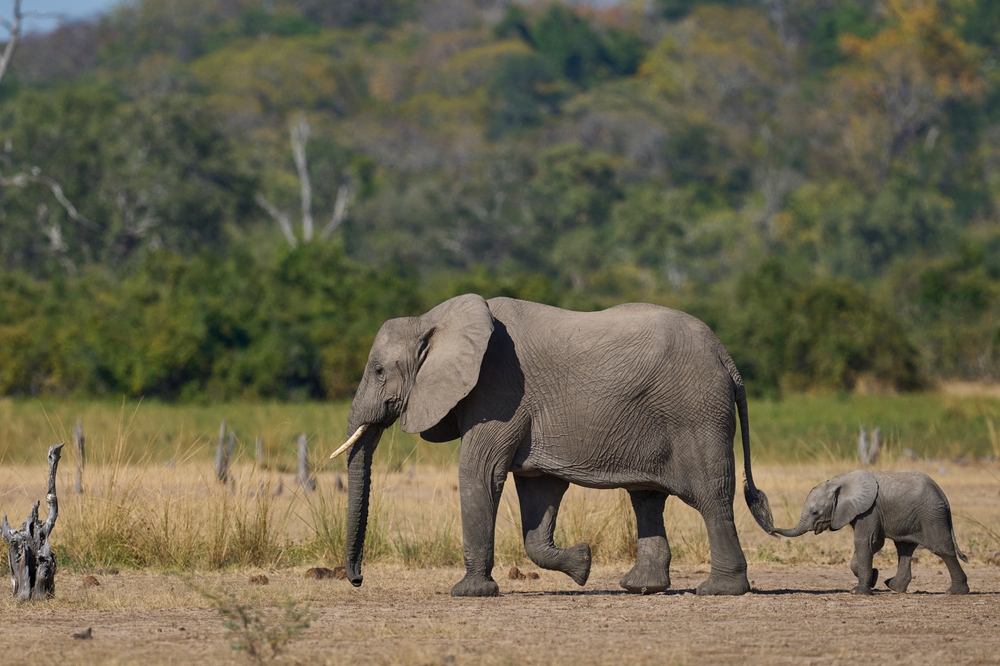
The tooth belonged to Anancus avernensis, an extinct elephant relative that roamed Europe nearly 1.8 million years ago. Although connected to today’s African bush elephant, it possessed several distinctive features that separated it from modern species. Its long, almost straight tusks and enormous body made it one of the impressive mammals living across ancient landscapes before dramatic climate changes reshaped the continent.
Researchers identified Charlie’s discovery as an upper left molar, one of the strongest bones in an elephant’s body. Elephant teeth evolved to grind huge amounts of vegetation every day, leaving behind distinctive enamel ridges that allow paleontologists to identify species even when only a single tooth survives.
Several characteristics helped experts recognize the fossil:
- It was an upper left molar.
- The enamel remained well preserved despite its age.
- The tooth measured around four inches across.
- Its shape matched fossils previously linked to Anancus avernensis.
Each fossil discovered adds another valuable record to scientists’ understanding of prehistoric elephants and the environments they once inhabited.
Why One Tooth Can Tell Scientists So Much
To many people, the fossil may look like a weathered rock, but to paleontologists it contains an enormous amount of information. Teeth preserve better than many other bones because of their hard enamel, allowing researchers to study species that disappeared millions of years ago.
By examining the ridges, size and mineral composition of a tooth, scientists can identify the animal, estimate its age and better understand its diet. Those details help researchers reconstruct ancient ecosystems and determine how different species responded to changing climates across Europe.
Public discoveries also play an important role in scientific research. Museums and universities regularly investigate fossils found by walkers, collectors and local residents because each specimen can fill important gaps in the fossil record. Charlie’s discovery is another reminder that valuable scientific finds are not always made during planned excavations.

A Family Walk That Became Part of Prehistoric History
For Charlie Orchard-Lisle and his family, a routine walk along the beach became an experience few people will ever have. What started as a conversation about elephants ended with experts confirming that he had uncovered a genuine relic from nearly two million years ago. The timing made the story even more memorable, turning a simple family outing into a moment that connected a young elephant enthusiast with one of the animal’s ancient ancestors.
Eleanor still finds it difficult to believe what they discovered. “I can’t believe you can find something so old that existed 1.8 million years ago and then just rocks up on the beach,” she said.
The fossil will now serve as both a scientific specimen and a remarkable reminder that traces of Earth’s distant past are still waiting to be uncovered. Every tide reshapes Britain’s coastline, and somewhere beneath the sand, more prehistoric discoveries may still be waiting for someone curious enough to notice that one unusual object among thousands of ordinary stones.
1.8 million-year-old elephant tooth, Anancus avernensis, ancient elephant, Bawdsey, beach fossil, Charlie Orchard-Lisle, East Lane beach, elephant fossil, England fossils, Fossil Discovery, Natural History Museum London, paleontology, prehistoric discovery, prehistoric elephant, Professor Adrian Lister, rare fossil, Red Crag Formation, Suffolk beach