
Your cart is currently empty!
California Mom Sends $10,000 Every Week to Families in ICE Detention So Their Children Can Buy Food
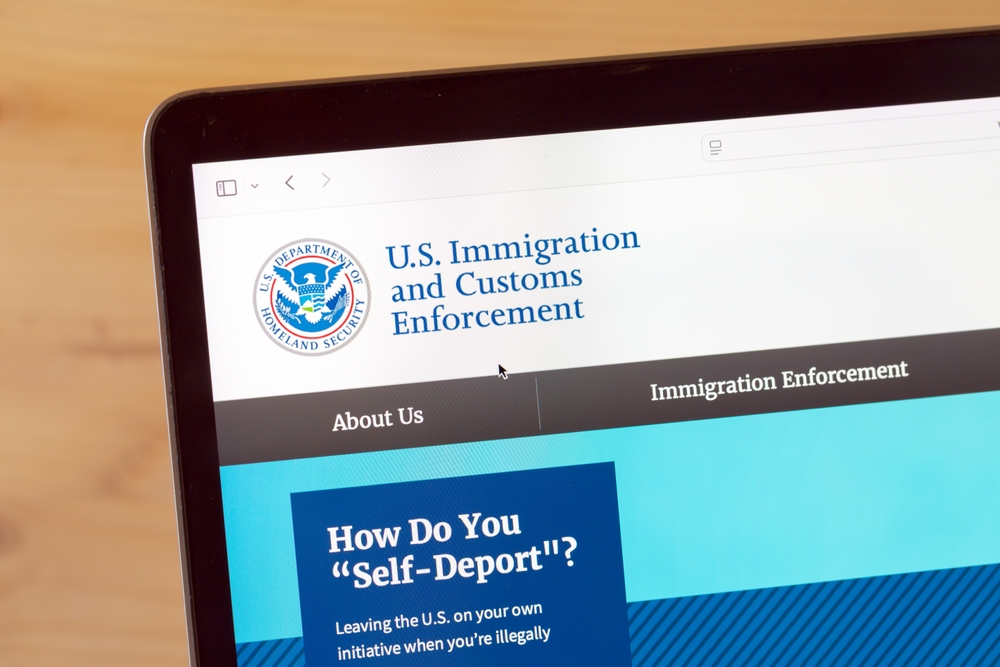
A California mother is sending more than $10,000 every week to families held inside a Texas immigration detention center, helping parents buy food and basic supplies for children who are living behind its walls. Casey Revkin’s campaign has already helped nearly 80 children at the Dilley Immigration Processing Center, where dozens of families seeking asylum are being detained. The money goes directly into accounts that families can use to purchase food, snacks, hygiene products, and other essentials from the facility’s commissary.
Contents
show
The extraordinary effort began after Revkin learned that the detention center had reopened in spring 2025. Through her nonprofit, Each Step Home, she now helps 67 families and relies on donations from people who have discovered the campaign online. Her goal is simple but urgent: make daily life a little easier for children and parents facing conditions that have drawn serious criticism. “I comfort myself with the fact that I am doing something,” Revkin said, “making these children’s lives a little easier in these horrible circumstances.”

How One Mom Built a Lifeline for Detained Families
Revkin does more than arrange financial support from a distance. She has tried to get to know the people whose lives have become part of her work, asking them about the ordinary things that can disappear when someone is reduced to an immigration case or detention number. “I ask them what their favorite movie is, what music they like or what sports team they follow,” she said. “I got to humanize these families.” Those conversations have shaped the way she approaches the campaign, keeping the focus on parents and children rather than the political arguments surrounding immigration enforcement.
Each Step Home sends funds through systems that allow money to be deposited into accounts associated with specific detainees. Families can then use the money at the commissary, where they can purchase items that may be difficult to access otherwise. The weekly total has climbed above $10,000, with donations coming from people who want to provide direct assistance to those inside the facility. The campaign has become a practical lifeline for families who have little control over where they live, what they eat, or how they obtain basic supplies.
One immigration attorney described Revkin as “a fairy godmother,” adding that people could not survive at Dilley without her support. The comment reflects the scale of the need described by advocates working with detained families. For Revkin, the work has grown into a sustained operation involving dozens of households, regular transfers, and an effort to make sure children have access to food they will actually eat.

Why Parents Are Spending Money at the Commissary
The Dilley Immigration Processing Center is primarily used to detain families with children seeking asylum in the United States. The facility first opened in 2014 during the Obama administration and was later closed during the Biden administration. It reopened in spring 2025 as immigration enforcement intensified, bringing families back into a facility that had already faced years of criticism over its conditions.
Reports referenced in the source material have described concerns involving sanitation and food, including allegations of cockroaches and worms in meals. There have also been reports of children vomiting after drinking tap water. CoreCivic, the private company operating the facility, has defended conditions inside Dilley, stating that the water is clean and filtered and that meals are nutritious and inspected for quality and freshness.
Families and advocates, however, have described a different experience. According to multiple reports cited in the source material, some parents have turned to commissary purchases because their children are unable or unwilling to eat the food being served. That can mean spending money on instant noodles, snacks, and other packaged items simply to ensure children have something they can eat.

Basic Items Can Cost Far More Inside
Getting access to commissary items is only part of the problem. The prices can place an additional burden on families who have little or no income while they are detained. Revkin reportedly shared receipts showing that a bowl of instant noodles inside the facility cost twice as much as the same product at a Texas grocery store, turning a cheap everyday food item into a significantly more expensive purchase for people with extremely limited resources.
The source material also points to similar concerns at other ICE detention facilities. A box of tampons at two California detention centers was reportedly priced at more than $20, while a tin of instant coffee that cost $9.42 at Walmart was being sold for $18.80 in the commissary. Those examples have fueled criticism about the cost of basic goods inside detention facilities, where detainees often depend on money sent by relatives, friends, or outside supporters.
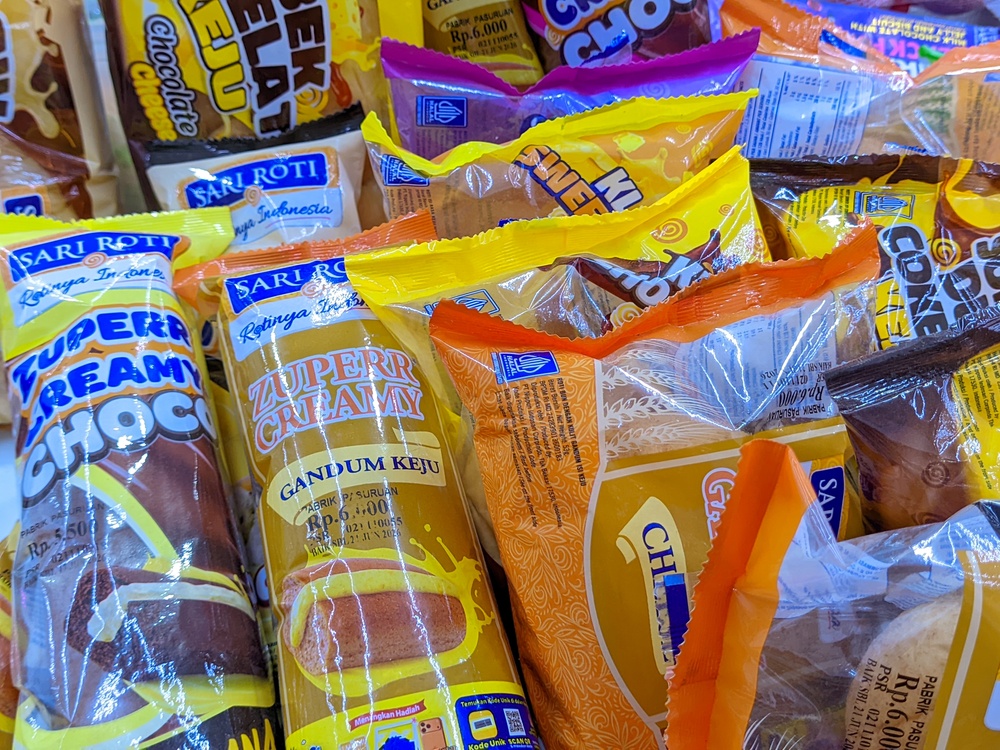
The funds sent through Revkin’s nonprofit can be used for several types of necessities, including:
- Food and snacks: Items families may purchase when facility meals are insufficient or difficult for children to eat.
- Hygiene products: Everyday essentials that families need during detention.
- Medicine and basic supplies: Items that can add to the financial pressure facing detained parents.
- Children’s necessities: Small purchases that can have an immediate impact on a family’s daily routine.
What might seem like a minor purchase outside the facility can take on much greater importance when a parent has few alternatives. A packet of noodles, a toothbrush, or another basic item can become dependent on whether someone outside the detention center is able to send money.
Concerns Over ICE Detention Are Growing
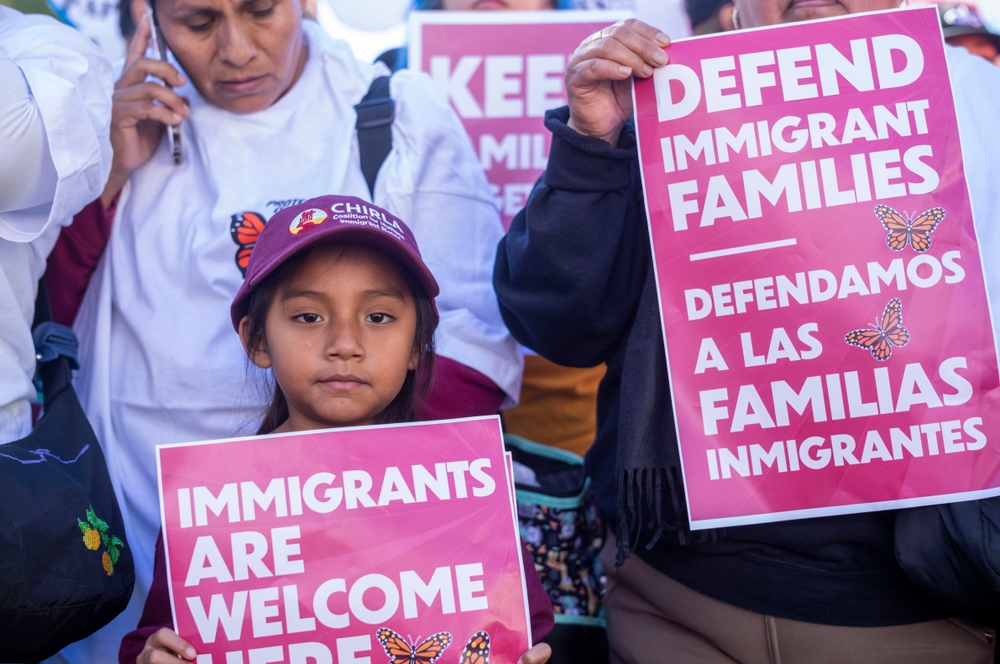
The situation at Dilley exists within a much wider debate about conditions throughout the U.S. immigration detention system. Advocacy groups have raised concerns about inadequate food, unsanitary facilities, poor medical care, and overcrowding, particularly as detention populations have increased. According to data cited in the source material, 32 people died in ICE custody during 2025, making it the agency’s deadliest year in more than two decades.
Setareh Ghandehari, advocacy director at Detention Watch Network, linked those deaths to deteriorating conditions inside ICE detention facilities. The group has tracked deaths in immigration detention for years and has repeatedly raised concerns about the impact of overcrowding and inadequate care. As of February 2, the source material states that 70,766 people were being held in detention across the system.
For families inside Dilley, those national numbers are tied to far more immediate problems. Parents still have to find food their children will eat, keep them supplied with basic necessities, and cope with life inside a detention center while their immigration cases continue. Revkin’s campaign does not change the policies that brought those families there, but it gives them access to money that can make daily life more manageable.
The growing scale of the detention system means those questions are likely to remain under scrutiny. The source material references billions of dollars in planned funding for the expansion of immigration detention, including the acquisition and retrofitting of additional facilities and expanded agreements with prisons and contractors.
Private Detention Companies Are Reporting Billions
Dilley is operated by CoreCivic, one of the largest private companies involved in the U.S. detention system. The company reported $2.2 billion in revenue for 2025, an increase of 13% from the previous year, according to the financial information referenced in the source material. Another major private detention contractor, GEO Group, reported $2.6 billion in revenue during the same period.
The financial success of major detention contractors has intensified criticism from immigration advocates, particularly as concerns continue to surface about conditions inside individual facilities. Questions about food quality and medical care are now being discussed alongside concerns about the prices detainees pay for basic products. Families may find themselves buying necessities from commissaries while the companies running detention facilities generate billions in annual revenue.
CoreCivic has defended the conditions at Dilley, maintaining that its water and food meet appropriate standards. Yet the accounts described in the source material have continued to raise questions about why some families feel compelled to spend outside money on food and essentials. Those competing accounts sit at the center of a wider dispute over what life is actually like inside immigration detention centers.
The issue has become increasingly difficult to separate from the larger political battle over immigration policy. But the families receiving money through Revkin’s campaign are dealing with immediate needs rather than abstract arguments. Their children need food today, and their parents need a way to pay for the products available to them.
Her Campaign Turns Online Donations Into Food
Revkin’s work depends on donations from people who decide to help families they may never meet. The money is collected through her nonprofit and directed toward detainees who need support with commissary purchases. It is a direct form of assistance, designed to move resources from supporters outside the detention center to families who can use them for immediate needs.
People who want to support charitable organizations working with detained immigrants can take several precautions before donating. Independent watchdog organizations can provide information about charities, while annual reports and publicly available details about an organization’s programs can help donors understand how money is being used. Support can also take many forms, including funding for legal representation, food, clothing, shelter, travel coordination, and assistance after release.
The source material also warns about the growing risk of charity fraud, including scams that impersonate legitimate organizations or use names designed to confuse potential donors. Checking an organization’s official website and using verified communication channels can help people avoid sending money to fraudulent groups.
Revkin’s campaign shows how direct assistance can work on a personal level. More than $10,000 a week may sound like a staggering figure, but that money is divided among dozens of families who may need help purchasing items many people take for granted. The campaign has grown because those small needs add up quickly inside a detention facility.
A Mother’s Response to a Crisis She Couldn’t Ignore
Revkin knew she wanted to act when she learned Dilley had reopened. Her response was not a political speech or a distant expression of concern. She began finding ways to put money directly into the hands of families who could use it inside the facility.
Nearly 80 children have now been helped through the effort described in the source material. For their parents, the support can mean access to food, snacks, hygiene products, medicine, and other basics available through the commissary. For Revkin, the work has also meant learning the names, interests, and personalities of people whose circumstances are often discussed without much attention to their individual lives.
Her words reveal the simple idea behind the campaign: doing something is better than standing by while families struggle with needs that can be addressed immediately. “I got to humanize these families,” she said, describing the conversations she has had with detainees.
The larger debate over immigration detention is far from settled, and Revkin’s weekly transfers cannot solve the problems surrounding the system. But for the families receiving that money, the impact can be measured in something much more immediate: a child having food to eat, a parent buying a basic necessity, and a little more control in a place where almost everything else has been taken out of their hands.