
Your cart is currently empty!
Can Changing Your Diet Help Beat Cancer? What the Science Actually Says
When 78-year-old Allan Taylor received a letter from his medical team stating that further chemotherapy or surgery would not cure his advanced colon cancer, he refused to lose hope. A retired oil rig engineer from Middlesbrough, Taylor took matters into his own hands by researching alternative health strategies online and consulting his local health store. He radically overhauled his eating habits, replacing red meat and dairy with ten daily portions of raw fruits and vegetables alongside targeted supplements like powdered barley grass, curry spices, apricot seeds, and selenium tablets. Four months later, a hospital scan revealed that his abdominal abnormality was no longer visible, prompting Taylor to share his story as a testament to the power of self-advocacy and lifestyle modification.
Contents
show
While individual stories like Taylor’s are deeply inspiring, they also raise vital scientific questions about the relationship between nutrition, oncology, and unexpected medical remissions. The idea that a complete dietary shift can cure terminal disease is captivating, yet medical experts emphasize the importance of examining such claims through a balanced, evidence-based lens. Nutrition undeniably plays a foundational role in supporting human health, but understanding where lifestyle changes end and medical science begins requires exploring both oncology research and the broader context of individual patient experiences.

The Medical Context Behind Spontaneous Remissions and Prior Treatments
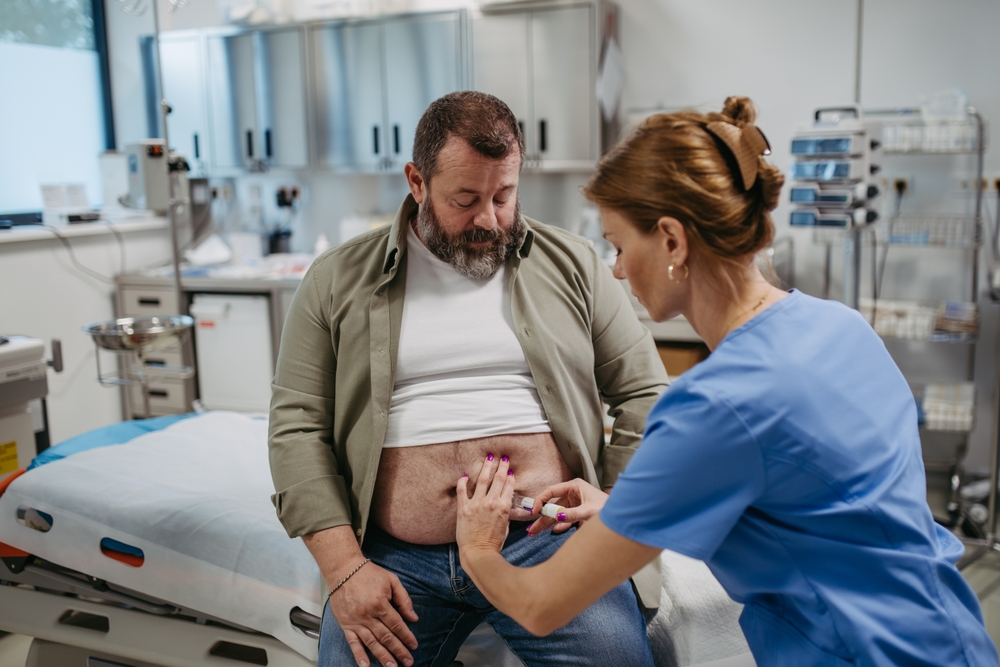
To understand a case of unexpected recovery, oncologists look closely at a patient’s complete medical history rather than isolated lifestyle changes. Before Taylor adopted his intensive raw food regime, he had already undergone significant conventional medical interventions, including surgical resection of a nine-inch segment of his colon followed by three months of chemotherapy. In cancer treatment, delayed response effects from prior systemic therapies can occasionally manifest months after treatment ends, making it scientifically difficult to attribute complete remission solely to subsequent dietary adjustments.
Furthermore, medical literature documents rare instances of spontaneous regression, where malignant tumors shrink or disappear without a clear therapeutic explanation. These events are often linked to complex immune system responses triggered by earlier treatments, minor infections, or metabolic shifts within the body. While a nutrient-dense diet rich in plant compounds may help optimize immune function, scientific consensus maintains that dietary changes alone have not been proven to eliminate advanced metastatic tumors in rigorous clinical trials.
Oncologists caution that single-patient accounts, while uplifting, cannot replace structured clinical trials that test safety and efficacy across diverse populations. Relying entirely on anecdotal evidence carries significant risks, particularly if patients choose to forego standard care in favor of unproven remedies. A balanced understanding acknowledges the profound relief experienced by individuals who regain their health while recognizing that clinical science requires reproducible data before declaring any protocol a true cure.
The Proven Role of Nutrition in Cancer Prevention and Recovery
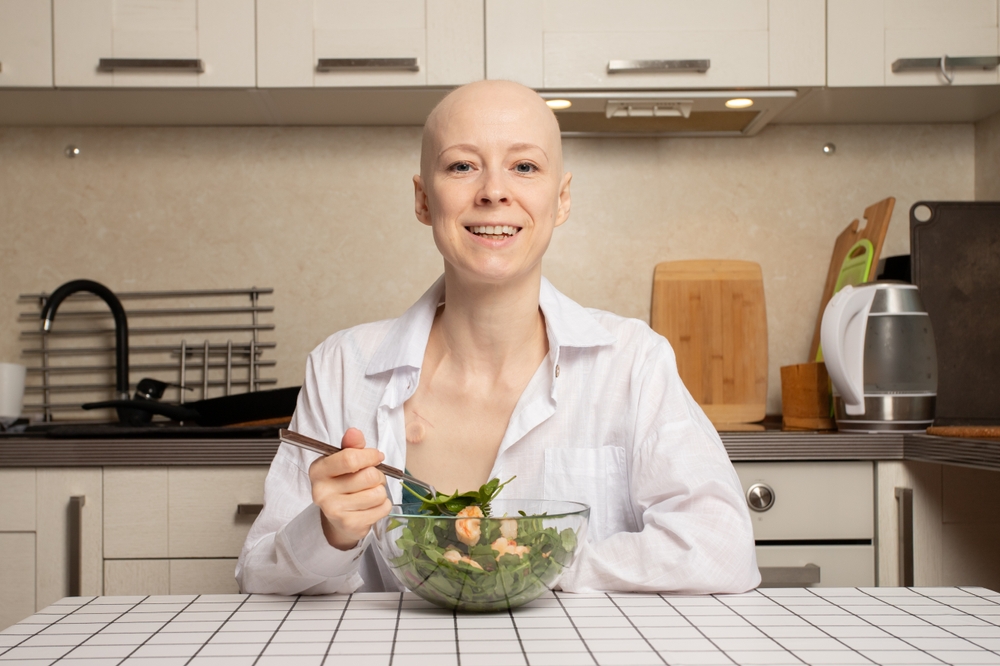
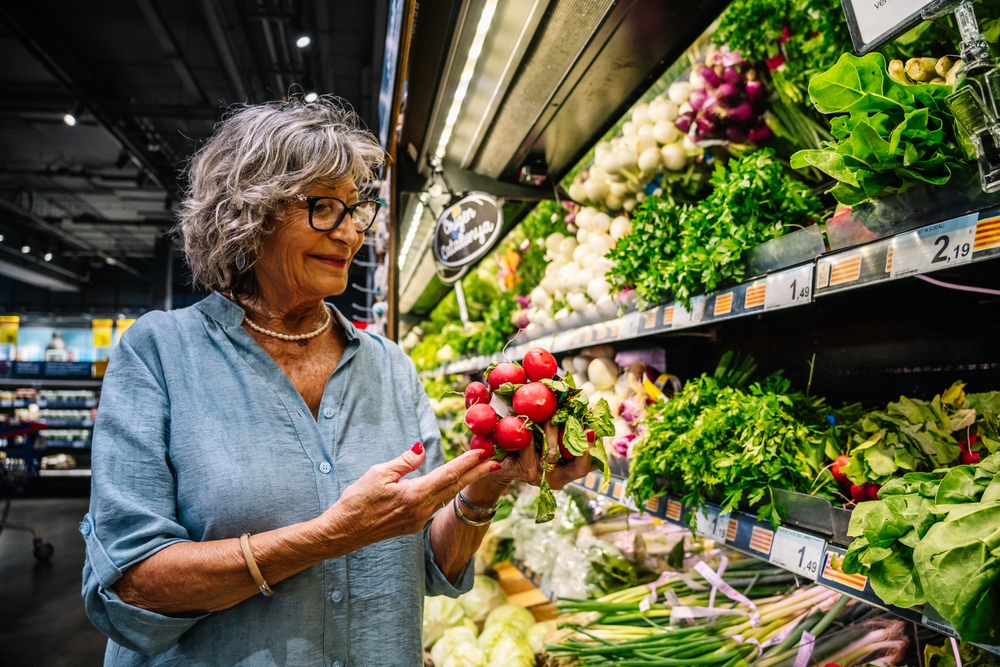
Although dietary changes may not act as a primary cure for advanced malignancies, extensive research confirms that plant-rich nutrition plays an extraordinary role in cancer prevention and overall patient resilience. Diets centered on whole fruits, vegetables, legumes, and whole grains provide abundant antioxidants, fiber, and essential micronutrients that protect cellular DNA from oxidative damage. Decades of epidemiological studies consistently demonstrate that reducing red meat and processed food intake significantly lowers the lifetime risk of developing colorectal cancers.
During active cancer treatment and post-treatment recovery, tailored nutritional protocols offer measurable supportive benefits. High-fiber plant foods support a healthy gut microbiome, which influences systemic inflammation and immune regulation. Proper nutrition helps patients manage treatment side effects, maintain muscle mass, and combat debilitating fatigue. When patients feel empowered to make healthy dietary choices, it fosters a positive sense of agency that contributes to improved mental health and overall quality of life throughout their medical journey.
However, medical professionals stress that certain high-dose supplements or raw plant compounds require careful supervision. For instance, consuming large quantities of crushed apricot seeds exposes the body to amygdalin, a compound that breaks down into cyanide and poses severe toxicity risks. Similarly, taking high doses of antioxidant supplements during active chemotherapy or radiation can sometimes interfere with how those medical treatments destroy cancer cells. Integrating nutrition into a cancer recovery plan is most effective when done in close consultation with registered dietitians and medical oncologists.
The rise of the internet has democratized access to health information, allowing individuals to explore alternative therapies and personal health accounts with unprecedented ease. For patients facing daunting diagnoses, online communities and personal stories offer a sense of hope and community that traditional clinical settings sometimes lack. However, the abundance of unverified claims online also highlights the urgent need for health literacy and careful critical evaluation when searching for medical answers.
Healthcare professionals encourage patients to approach alternative health claims by asking critical questions about evidence, biological plausibility, and safety. A single blog post or news headline rarely captures the full clinical picture of a patient’s diagnosis, baseline health status, or concurrent treatments. Working alongside integrative health specialists allows patients to explore promising natural therapies safely, ensuring that complementary approaches enhance overall well-being without compromising proven medical care or causing unintentional harm.
Empowerment in healthcare comes from bridging the gap between personal agency and evidence-based science. Patients who actively participate in their health choices often experience better psychological outcomes, but the safest pathway always involves open, transparent communication with a primary care team. By combining informed self-advocacy with professional medical guidance, individuals can make educated decisions that honor both their personal values and their long-term health.

Cultivating a Balanced Approach to Personal Wellness and Healthcare
Taylor’s story serves as a compelling reminder of human resilience and the powerful desire to take charge of one’s health during a crisis. While science urges caution against treating individual success stories as universal medical cures, the core lesson highlights the profound impact that proactive lifestyle choices can have on a person’s vitality and mindset. Embracing whole, nutrient-dense foods, staying physically active, and maintaining a positive outlook are foundational habits that benefit everyone, regardless of their health status.
Moving forward, the future of medicine lies in a thoughtful, integrative approach that respects both technological advances and lifestyle medicine. Conventional oncology continues to save millions of lives through targeted therapies, early detection, and surgical innovations, while lifestyle interventions offer vital support for long-term health and disease prevention. Recognizing the distinct strengths of both fields allows patients to build holistic wellness strategies grounded in reality rather than speculation.
If you or a loved one are navigating a complex health journey, use personal stories as inspiration to engage in meaningful conversations with your healthcare providers. Take proactive steps to nourish your body with wholesome foods, stay informed through reputable medical sources, and work collaboratively with qualified professionals to build a safe, personalized path toward long-term wellness.