
Your cart is currently empty!
A Cancer Researcher Received a Terminal Diagnosis and Tried Something No One Had Done Before
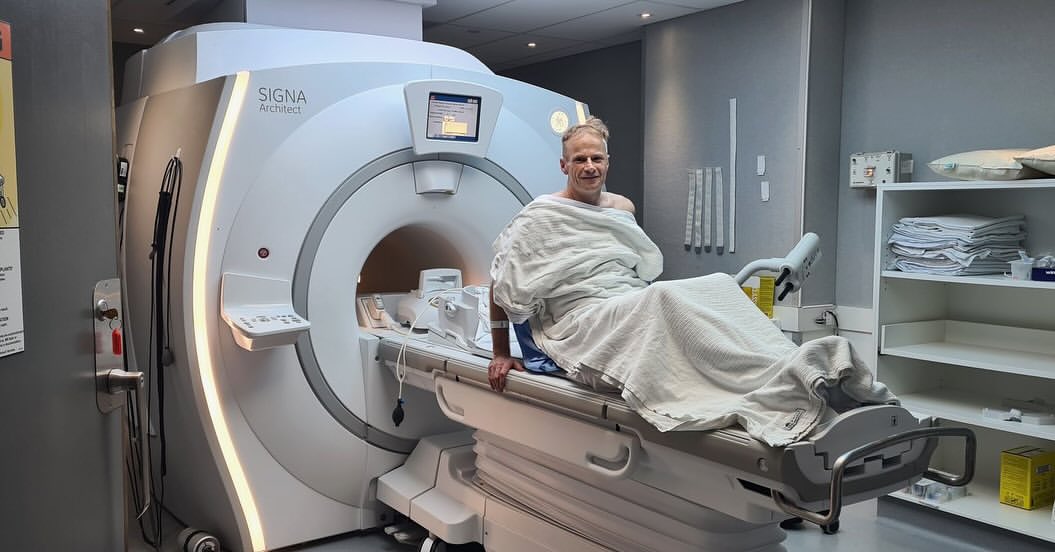
A seizure during a medical conference changed Professor Richard Scolyer’s life in an instant. The renowned cancer researcher soon learned that he had glioblastoma, one of the most aggressive and difficult-to-treat brain cancers, and was initially told he might have only months to live. Faced with a disease that had resisted decades of medical progress, Scolyer made an extraordinary decision: he became the first patient to undergo a new treatment sequence based on the immunotherapy principles he had helped use against melanoma.
Contents
show
A Career Studying Cancer Became a Personal Fight
In May 2023, Professor Richard Scolyer was attending a medical conference in Poland when he experienced a seizure. Scans revealed a tumor in his brain, later identified as grade 4 IDH-wildtype glioblastoma, an aggressive cancer known for returning even after intensive treatment. At 56, the pathologist who had spent decades studying cancer cells was suddenly facing a terminal diagnosis of his own.
Scolyer was one of Australia’s most respected cancer researchers. As co-medical director of Melanoma Institute Australia, he worked closely with medical oncologist Professor Georgina Long to advance the use of immunotherapy for melanoma. Their research helped improve outcomes for people with advanced disease, contributing to a rise in five-year survival from below 10 percent to more than 55 percent.
Glioblastoma presented a very different challenge. Standard care usually involves surgery followed by radiation and chemotherapy, but the cancer often grows back. Rather than rely solely on the established approach, Scolyer and his medical team considered whether principles that had changed melanoma treatment could be adapted for the brain.
He ultimately became the first reported patient to receive a three-drug immunotherapy combination before surgery for newly diagnosed glioblastoma. The experimental plan carried uncertain benefits and genuine risks. It could not promise a cure, but it offered researchers a rare opportunity to examine how the tumor and immune system responded before and after treatment.
Why Glioblastoma Leaves So Few Options
Glioblastoma is difficult to treat not only because it grows quickly, but because its cells infiltrate the surrounding brain. Unlike a tumor with clearly defined edges, it can extend microscopic branches into healthy tissue. Surgeons may remove everything visible on a scan, yet cancer cells can remain in areas that cannot be safely cut away without risking speech, movement, memory, or other vital functions.
The usual treatment begins with the maximum safe surgical removal of the tumor, followed by radiation and the chemotherapy drug temozolomide. These treatments may slow the disease, but recurrence remains common. Across large patient populations, typical survival is about 12 to 18 months, while roughly 5 to 7 percent of patients are alive five years after diagnosis. These figures describe averages rather than an individual outcome, but they reflect how limited progress has remained.
Scolyer’s tumor carried features associated with an especially difficult prognosis. It was IDH-wildtype, the defining molecular classification for glioblastoma, and its MGMT promoter was unmethylated. The latter can make tumors less responsive to temozolomide because the cancer cells remain better able to repair the DNA damage caused by the drug.
The World-First Treatment Before Surgery
Professor Georgina Long designed Scolyer’s treatment around a lesson learned from melanoma: immunotherapy may work more effectively when it is given before a tumor is removed. This approach, known as neoadjuvant therapy, allows immune cells to encounter the full range of cancer markers while the tumor remains in the body.
After an initial biopsy confirmed glioblastoma, Scolyer received a single dose combining three immune checkpoint inhibitors: nivolumab, ipilimumab, and relatlimab. The drugs target different mechanisms that cancers use to suppress the immune system. He underwent the maximum safe removal of the tumor 12 days later. It was the first documented use of triple checkpoint immunotherapy before surgery in a newly diagnosed glioblastoma patient.
“This has never been done before,” Long said when the peer-reviewed findings were published. Her aim was to activate T cells early enough for them to recognize the brain tumor before surgery removed most of the tissue they could use as a target.
An Unusual Reprieve, Then the Cancer Returned
For nearly two years after his diagnosis, Scolyer’s follow-up scans showed no definitive sign that the glioblastoma had returned. At the time his case study was submitted for publication, he had remained recurrence-free for at least 17 months. Later reports placed that period at approximately 22 months, well beyond the six-to-eight-month prognosis he said he had initially received.
That extra time allowed him to continue working, exercising, traveling, and spending time with his wife and three children. However, neither Scolyer nor his research team presented his survival as proof that the experimental treatment had worked. The therapy was given alongside surgery, radiation, additional immunotherapy, and an anti-cancer vaccine, making it impossible to determine from one patient which treatment influenced the outcome.
In early 2025, scans raised concerns about changes in his brain. Surgery in March confirmed that the glioblastoma had returned and was growing quickly. Doctors removed some of the recurrent tumor, but its location made complete removal unsafe. Scolyer said his prognosis was poor and acknowledged that his brain function was beginning to decline.
A Final Contribution That Could Outlive Him
Richard Scolyer’s experimental treatment did not cure his glioblastoma. The cancer eventually returned, and he died on June 7, 2026, nearly three years after receiving a prognosis measured in months. Yet his case produced something medically valuable: direct evidence that a combination of checkpoint inhibitors could reach the brain tumor and trigger measurable immune activity. It also provided researchers with tissue, clinical data, and biological findings that could guide larger studies. Whether the treatment extended his life cannot be determined from a single patient, but the questions raised by his experience are now being pursued beyond his own case.
Scolyer spent much of his career helping turn advanced melanoma from a near-certain death sentence into a disease that many patients can survive. When he became the patient, he used the same scientific mindset to confront a cancer that still offers few durable treatment options. His final contribution was not a miracle cure or a simple story of beating the odds. It was the willingness to let researchers learn from every stage of his illness, including the treatment’s limitations and the cancer’s return. The responsibility now falls to the scientific community to test those lessons rigorously, fund carefully designed clinical trials, and determine whether the path he opened can lead to longer lives for future glioblastoma patients.