
Your cart is currently empty!
Cave Living Baby Dragons Are Emerging Into The Light, And Scientists Are Stunned
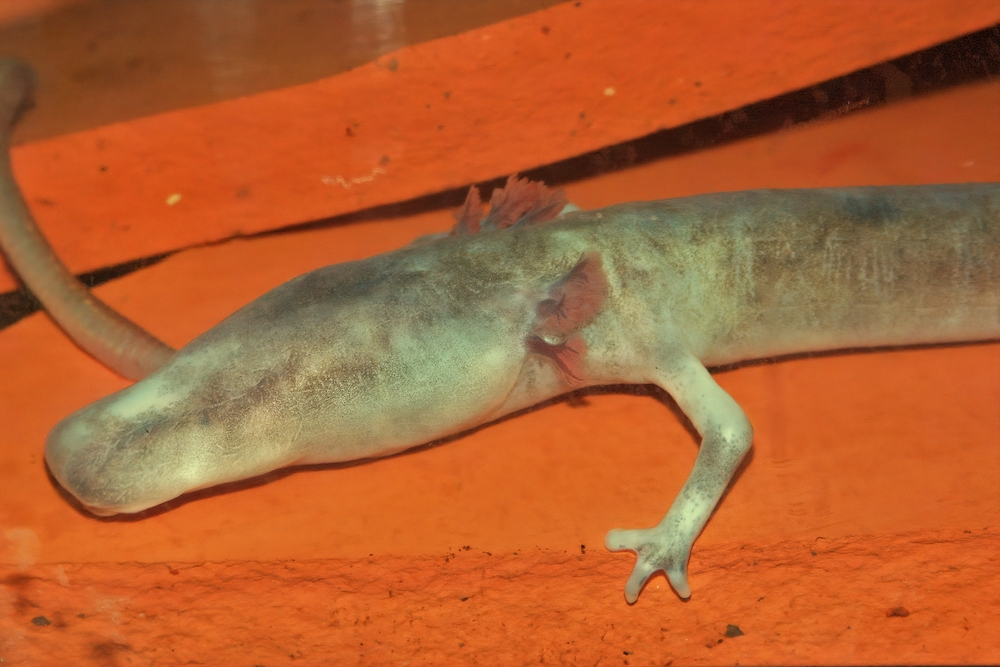
Deep beneath the rocky landscapes of Europe exists a world that feels almost mythical. It is a realm without sunlight where strange pale creatures glide silently through underground rivers. For centuries, these animals inspired legends of dragons hiding below villages and mountains. Now modern science is revealing that those ancient myths may not have been entirely wrong.
Contents
show
Scientists studying one of the world’s most mysterious cave dwelling animals have discovered something entirely unexpected. The young of these creatures, often nicknamed baby dragons, are leaving the safety of their dark underwater caves and making secret journeys to the surface. The discovery has stunned researchers who long believed these animals were permanent residents of the underground.
This finding challenges decades of scientific assumptions and opens new questions about how life adapts to extreme environments. It also shows how much of our planet remains unexplored, even in regions humans have inhabited for thousands of years.
Who Are the So Called Baby Dragons
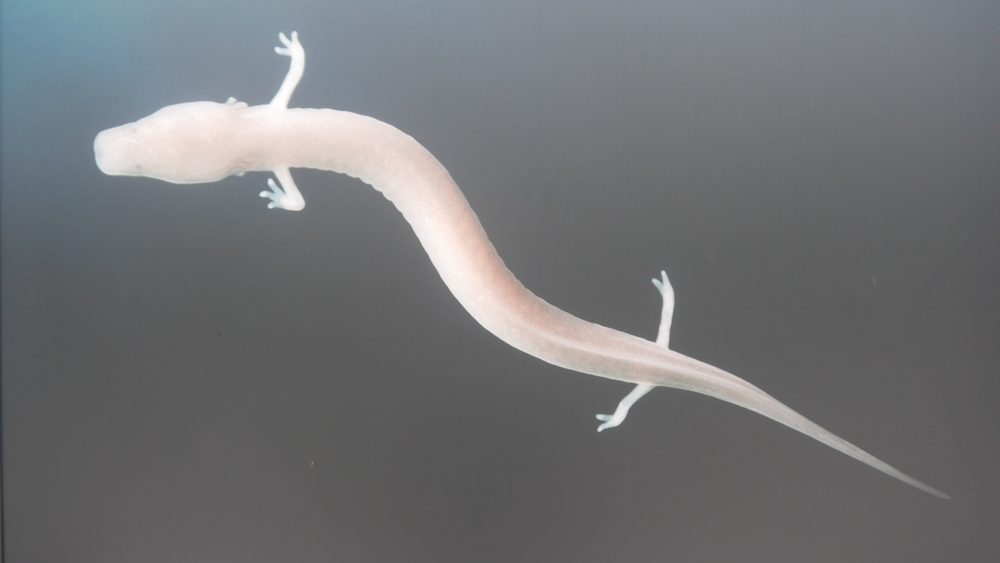
The creatures behind the nickname baby dragons are known scientifically as olms. They are a rare species of salamander that live almost entirely in flooded cave systems across parts of southeastern Europe, particularly in Slovenia, Croatia and surrounding regions. Their pale skin, elongated bodies and small limbs give them an otherworldly appearance that easily fueled folklore.
Olms are perfectly adapted to life in darkness. Over thousands of years, they lost their eyesight as it became unnecessary in pitch black caves. Instead, they rely on highly sensitive senses of smell, hearing and vibration to navigate their watery homes. Their skin is almost translucent and lacks pigment because camouflage is pointless without light.
One of the most astonishing features of olms is their longevity. Scientists believe they can live for decades and possibly over a century. They grow slowly, mature late and can survive for years without eating when food is scarce. These traits make them one of the most extreme examples of adaptation among vertebrates.
Because adult olms are rarely seen and reproduce infrequently, their young have remained particularly mysterious. Until recently, scientists assumed that once hatched, baby olms spent their entire lives deep underground, never experiencing the outside world.
A Discovery That Changed Long Held Beliefs
That assumption was upended when researchers began monitoring cave systems more closely using modern tracking methods and long term observation. To their surprise, juvenile olms were occasionally detected far closer to cave entrances than expected. In some cases, they were found in surface connected waters.
The discovery was not a one time fluke. Multiple studies and observations confirmed that young olms sometimes venture out of the deepest cave systems and approach areas influenced by surface conditions. This behavior was documented across different locations, suggesting it is not limited to a single population.
Scientists were particularly surprised because surface environments are dramatically different from caves. Light temperature fluctuations, predators and pollution all pose serious risks to a creature evolved for stable dark conditions. The fact that young olms are willing to take that risk suggests there may be important survival advantages.
This finding forces researchers to rethink how flexible these animals really are. Rather than being fragile relics trapped underground, olms may be more adaptable and resilient than previously believed.
Why Would Cave Creatures Venture Above Ground
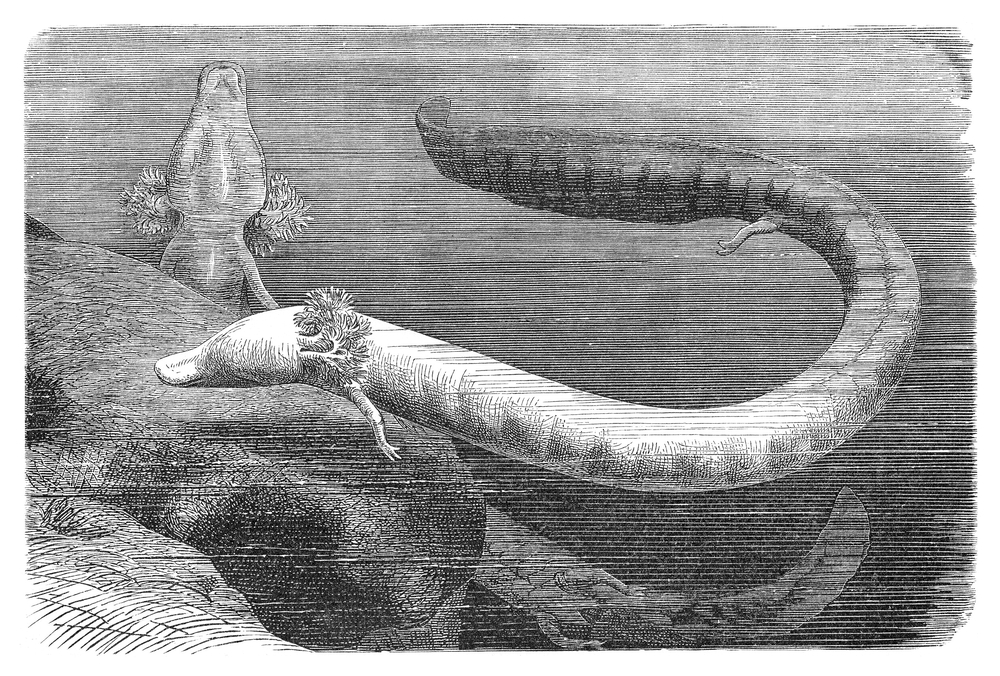
Understanding why baby olms leave their caves is now one of the biggest questions facing researchers. One leading theory involves food availability. Underground ecosystems are nutrient-poor and food can be extremely scarce. Surface connected waters may offer a richer supply of insects, larvae and organic matter.
Another possibility is population pressure. Suppose too many young hatch in a limited underground space, competition for resources could push some individuals to explore new territory. Moving closer to the surface may reduce competition and increase survival chances.
Environmental changes may also play a role. Heavy rainfall, flooding and seasonal water level changes can temporarily connect caves to surface streams, making travel easier for young olms. These natural events could act as accidental gateways that olms learn to use intentionally.
There is also speculation that surface exposure during early life stages might help young olms develop resilience. Brief encounters with light temperature variation and new food sources could strengthen their adaptability without permanently abandoning cave life.
The Science Behind Tracking the Olms
Studying animals that live hidden beneath the earth is incredibly challenging. Traditional wildlife tracking methods often fail in caves where visibility is limited and access is dangerous. Researchers have had to rely on a combination of patience, technology and creativity.
Environmental DNA sampling has become a powerful tool. By analyzing genetic material found in water, scientists can detect the presence of olms without ever seeing them. This method revealed their presence in surface influenced waters where they were previously thought absent.
In some cases, researchers used tiny tags and careful visual surveys to monitor movement patterns. Long term cave monitoring stations allowed scientists to observe changes over months and years rather than relying on short expeditions.
These techniques not only confirmed surface visits but also highlighted how interconnected underground and surface ecosystems truly are. What happens above ground can directly affect creatures living far below.

Why This Discovery Matters Beyond Curiosity
At first glance, the idea of baby dragons sneaking to the surface may seem like a charming curiosity. However, the implications extend far beyond novelty. Olms are considered indicators of groundwater health. Their survival depends on clean, stable water systems.
If young olms are using surface connected waters, they may be exposed to pollution, agricultural runoff, and climate related changes more than scientists realized. This makes them even more vulnerable to human activity than previously thought.
The discovery also emphasizes the importance of protecting karst landscapes where caves and surface waters are deeply linked. Damage to rivers, forests or soil above ground can have cascading effects deep underground.
Finally, the finding reshapes our understanding of evolution in extreme environments. It shows that even highly specialized species may retain unexpected flexibility, offering hope for survival in a rapidly changing world.
What We Can Learn From The Baby Dragons
The story of cave dwelling baby dragons sneaking to the surface is more than a fascinating headline. It is a lesson in humility, resilience and interconnectedness. Nature rarely fits neatly into the boxes humans create.
These young olms show that adaptation is not always about perfection but about flexibility. Even creatures shaped by darkness for thousands of years may still explore the light when opportunity arises.
For humans, the message is clear. Protecting ecosystems requires thinking beyond visible landscapes. What we do above ground can profoundly affect life hidden far below.
In the end, the baby dragons remind us that the world still holds wonders capable of surprising even the most seasoned scientists.