
Your cart is currently empty!
The Strongest Storm on Earth Hits Jamaica During a Changing Climate

Hurricane Melissa has made landfall in Jamaica as a catastrophic Category 5 storm the most powerful hurricane ever recorded to strike the island in nearly two centuries of weather records. With sustained winds of 175 miles per hour and gusts surpassing 200 mph, it has already etched its name into meteorological history as one of the ten strongest Atlantic hurricanes ever observed.
Contents
show
The National Hurricane Center (NHC) called Melissa “life-threatening and potentially historic,” warning that its combination of violent winds, torrential rain, and storm surge could lead to “total structural failure” in parts of Jamaica. Those predictions have proven tragically accurate. Roofs were peeled from homes, bridges collapsed, and coastal towns disappeared beneath surging seawater that rose more than 12 feet above normal tide levels.
As the storm’s eye passed over the island’s southern coast, its slow pace amplified the destruction. For hours, Jamaica endured relentless wind and rain. The air pressure dropped to an extraordinary 901 millibars comparable to the most devastating storms in modern history, including Hurricane Katrina in 2005 and Hurricane Wilma the same year. Officials and forecasters alike have described Melissa as “the strongest storm on Earth in 2025.”
Prime Minister Andrew Holness, addressing the nation from an underground emergency center, urged citizens to stay sheltered and brace for the worst. “There is no infrastructure in the region that can withstand a Category 5,” he said gravely. “Our focus now must be on survival and recovery.”
How a Tropical Disturbance Became a Superstorm
Meteorologists began tracking the tropical disturbance that became Hurricane Melissa only days before it ballooned into a monster. Initially a weak low-pressure system in the southern Caribbean, it rapidly intensified as it moved over unusually warm waters a process scientists call rapid intensification. Within 48 hours, Melissa went from a tropical depression to a full-fledged Category 5 hurricane, leapfrogging every intermediate stage with alarming speed.
The cause, experts say, lies largely in the sea. Ocean surface temperatures in the Caribbean reached around 30°C (86°F) roughly one degree higher than the seasonal average. While that might sound small, in meteorological terms it represents a massive energy boost. Each additional degree of ocean warmth increases the amount of moisture and latent heat available to fuel hurricanes. This leads to faster strengthening and heavier rainfall.
Meteorologist Matthew Cappucci of MyRadar Weather noted that Melissa’s central pressure dropped to 901 millibars “nearly matching the intensity of legendary storms like Katrina and Gilbert.” He added that such low pressure “signifies an atmosphere filled with raw, destructive power.”
In a technical sense, Melissa’s evolution was textbook rapid intensification. But in a broader sense, it reflected a worrying pattern that climate scientists have been warning about for years. The frequency of these sudden, extreme surges in storm strength has increased as ocean temperatures have climbed. “What used to take a week now happens in two days,” said Evan Thompson, Director of Jamaica’s Meteorological Service. “That gives communities less time to prepare and makes forecasts more complicated.”
Jamaica’s Long Night

When Melissa finally made landfall, it unleashed chaos across the island. Winds exceeding 170 mph flattened homes, tore apart power grids, and sent trees crashing through streets and buildings. Kingston, the capital, experienced more than 20 inches of rainfall in less than 12 hours. The result was widespread flooding, landslides, and infrastructure collapse.
Power and communication networks failed early in the night. The Jamaica Public Service Company reported more than 50,000 outages within the first few hours, and the national telecom system went down shortly after. Entire communities were cut off. Emergency workers struggled to reach those trapped in collapsed structures or stranded by floodwaters.
For many residents, the storm was unlike anything they had ever seen. “It sounded like a freight train that never stopped,” said a Port Royal resident whose home was destroyed by storm surge. “The sea was inside our houses. You couldn’t tell where the ocean ended.”
Hospitals across the island switched to backup generators as power stations flooded. In the mountainous parishes of St. Andrew and Portland, rainfall triggered deadly landslides that buried roads and isolated rural towns. By dawn, the government described the situation as “catastrophic” and appealed for international assistance.
Melissa’s slow progress compounded the misery. Moving at less than seven miles per hour, the storm lingered over Jamaica for much of the night, hammering already devastated areas with repeated squalls. Meteorologists warned that this slow motion could be the storm’s most dangerous feature. Slow-moving hurricanes dump greater cumulative rainfall, increasing the likelihood of flash floods and mudslides.
Beyond Jamaica: A Regional Crisis
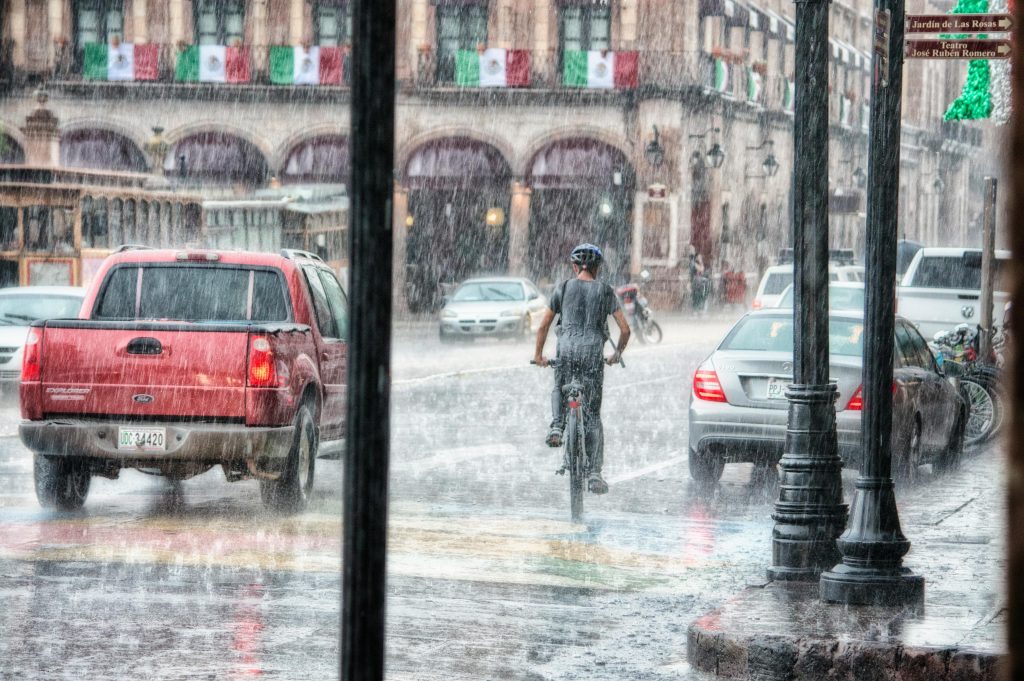
The destruction was not confined to Jamaica. The storm’s enormous size meant that its effects rippled across the Caribbean. In Haiti and the Dominican Republic, outer rain bands triggered flash floods and landslides that killed at least seven people and displaced thousands more. Crops were destroyed, exacerbating food shortages in regions already facing economic strain.
In eastern Cuba, nearly 900,000 residents were evacuated ahead of Melissa’s arrival. Authorities described storm surges of up to 11 feet and rainfall totals exceeding 20 inches. As the hurricane continued its northeastward track toward the Bahamas, the NHC maintained hurricane warnings for southeastern and central islands, cautioning that life-threatening conditions were likely.
The U.S. military evacuated non-essential personnel from the Guantánamo Bay naval base as the storm approached, while the Bahamas prepared shelters and emergency response teams for potential landfall. Even as far away as Bermuda, officials warned of large, dangerous swells and rip current risks.
Although most forecast models show Melissa curving away from the U.S. mainland, forecasters urged vigilance. “At this time, the odds of direct impacts to Florida or the continental United States are low,” said Dr. Ryan Truchelut of WeatherTiger. “But as always, these systems can surprise us. Preparedness should never be taken for granted.”
Climate Patterns Behind the Storm
Hurricane Melissa’s unprecedented strength has reignited debate over the relationship between climate change and extreme weather. While no single hurricane can be directly attributed to global warming, scientists agree that the environmental conditions fueling these storms are changing in measurable ways.
Warmer ocean temperatures are a primary driver. The Caribbean and Atlantic waters have absorbed vast amounts of heat in recent decades due to rising greenhouse gas concentrations. This heat energy acts as the fuel for hurricanes, providing the thermal and moisture content they need to intensify. Warmer air also holds more water vapor, leading to heavier rainfall once storms form.
Sea-level rise adds another layer of danger. Higher base sea levels mean storm surges can penetrate farther inland, amplifying coastal flooding. In Jamaica, where many communities are built along low-lying coasts, this made Melissa’s surge especially destructive.
Wind patterns, too, are evolving. Some studies suggest that a warmer climate may slow down the forward movement of hurricanes. Slow-moving storms like Melissa cause greater rainfall accumulation over confined areas, a phenomenon that worsened disasters such as Hurricane Harvey in 2017.
Evan Thompson summarized it bluntly: “We are not seeing more hurricanes necessarily, but we are seeing stronger, wetter, and slower ones. The energy in the system has increased, and that changes everything about how these storms behave.”
The Human and Economic Toll
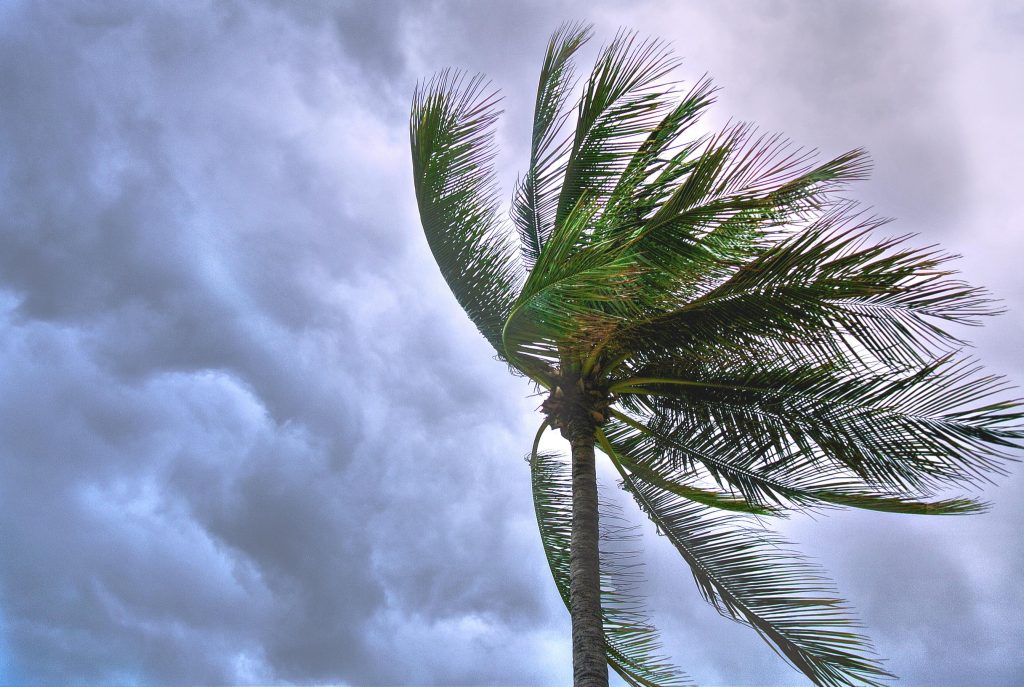
The humanitarian crisis in Jamaica is vast. The International Federation of the Red Cross estimates that as many as 1.5 million people nearly half the island’s population have been affected by Hurricane Melissa. Entire neighborhoods are submerged, bridges and highways destroyed, and thousands have been displaced from their homes.
Relief efforts began almost immediately, but damaged infrastructure made access difficult. Roads in several parishes remain impassable due to landslides, while air and sea transport have been disrupted. Shelters are at capacity, with reports of food and water shortages in some areas.
The government has declared a state of emergency and appealed for international assistance. The United Nations quickly activated its emergency response mechanisms, and aid from the United States, Canada, and the United Kingdom began arriving within days. The World Food Programme and UNICEF are deploying teams to assist with logistics, nutrition, and child protection.
Economically, the impact will be long-lasting. Tourism, which accounts for more than 30 percent of Jamaica’s GDP, has been paralyzed. Airports remain closed, and major resorts along the southern coast have sustained severe damage. Agricultural losses are also expected to be significant, particularly for banana and sugarcane crops. Early estimates suggest that total damages could range from $5 billion to $16 billion a staggering sum for a nation with a GDP of roughly $18 billion.
Regional organizations, including CARICOM, have called for coordinated recovery efforts and greater investment in climate resilience. “Hurricane Melissa is not just a disaster for Jamaica,” said one CARICOM representative. “It is a regional event that underscores our collective vulnerability. We must strengthen our systems before the next storm arrives.”
The Global Response and the Question of Climate Justice
As images of Jamaica’s devastation spread worldwide, international aid began to mobilize. The United Nations and World Bank both issued statements highlighting the need for stronger global cooperation on climate adaptation. The European Union pledged emergency financial support, while neighboring Caribbean states sent rescue teams and medical personnel.
Yet even as relief pours in, attention has turned toward the broader issue of climate justice. Developing island nations like Jamaica contribute minimally to global greenhouse gas emissions but face the most severe impacts of climate-related disasters. Many of these countries have repeatedly called for increased funding through international mechanisms such as the “Loss and Damage” fund established under the UN climate framework.
That fund, however, remains underfunded. Caribbean leaders argue that rebuilding climate-resilient infrastructure from storm-resistant housing to modern drainage systems requires sustained international support, not just post-disaster assistance. Without it, they warn, recovery will remain a cycle of rebuilding and loss.
Prime Minister Holness echoed this sentiment in a televised address following Melissa’s landfall. “We are on the front line of the climate crisis,” he said. “Our people are paying the price for a problem we did not create. Global cooperation is no longer a matter of charity; it is a matter of survival.”
Lessons from the Eye of the Storm
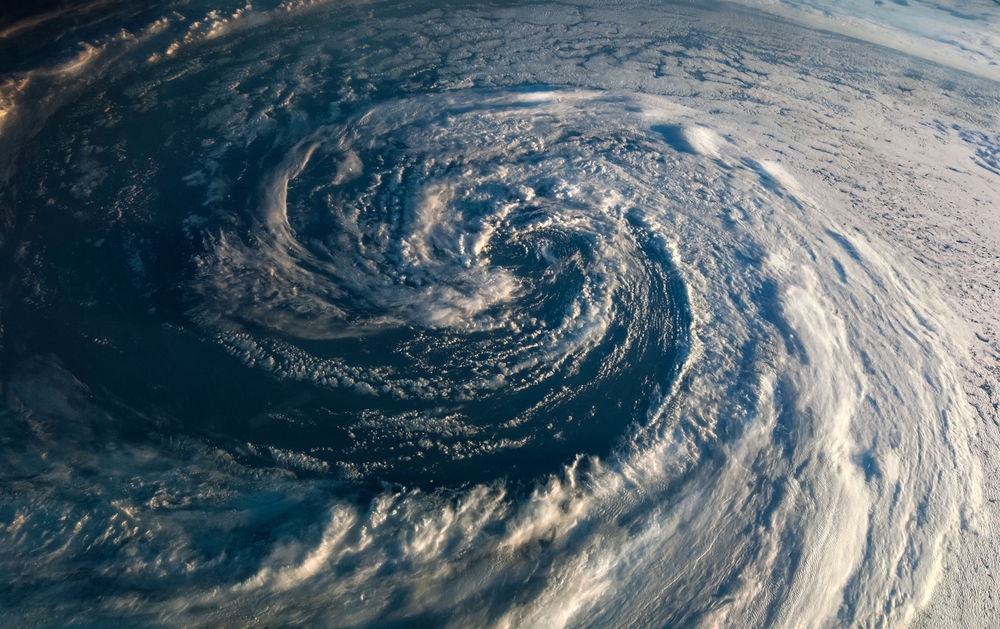
Hurricane Melissa offers several important lessons for both Jamaica and the wider Caribbean region.
First, emergency preparedness must evolve. While Jamaica’s government issued early warnings and opened more than 800 shelters, only a fraction of residents used them. Many remained in their homes, either due to distrust, fear of theft, or underestimating the storm’s strength. Public education and community engagement are crucial to ensuring that future evacuation orders are taken seriously.
Second, infrastructure design needs to adapt to new climate realities. Buildings constructed decades ago were not designed to withstand Category 5 winds. Strengthening building codes, elevating critical infrastructure, and modernizing drainage systems will be essential steps toward resilience.
Third, regional cooperation is vital. The Caribbean’s geography means that storms like Melissa affect multiple nations within days. A coordinated disaster response network sharing early-warning data, relief resources, and technical expertise could save countless lives in future events.
Finally, long-term recovery planning must balance immediate relief with sustainable development. Short-term rebuilding often focuses on speed rather than resilience. Melissa’s aftermath presents an opportunity to rethink how Caribbean nations rebuild not just to restore what was lost, but to prepare for what comes next.

A Changed Landscape and an Uncertain Future
When the clouds cleared over Jamaica, the island’s landscape was unrecognizable. Rivers had carved new courses through farmland, mountain slopes had collapsed into valleys, and stretches of coastline had been reshaped by the storm surge. Yet amid the wreckage, scenes of resilience emerged. Neighbors shared food and water, volunteers cleared debris from roads, and local radio stations resumed broadcasting to connect displaced families.
The coming months will test the nation’s endurance. Restoring power, clean water, and transportation will take weeks, while rebuilding homes and public infrastructure could take years. Economic recovery will depend on international aid and, ultimately, on how effectively Jamaica can integrate climate resilience into its reconstruction plans.
Globally, Hurricane Melissa serves as a stark reminder that the era of “unprecedented” storms is no longer ahead of us it is already here. The storm is not just a meteorological event but a signal of a planet under increasing strain. As the climate continues to warm, the question is not whether another Melissa will form, but when and how prepared we will be when it does.
For Jamaica and the wider Caribbean, the path forward is clear but difficult: rebuild stronger, adapt faster, and demand greater global accountability. For the rest of the world, Hurricane Melissa stands as both a tragedy and a warning a sign that the cost of inaction on climate change is no longer theoretical, but painfully real.