

Americans have had a difficult week watching essential technology fail across the country. First, Microsoft services went down, disrupting businesses and government operations. Then, problems involving the nation’s air traffic control system grounded flights, and now a technical failure at one of America’s largest banks has disrupted financial transactions for thousands of customers.
The latest incident began with JPMorgan Chase, but its effects extended to transactions involving other major financial institutions and the Zelle payment network. Although the bank insisted that the problem was caused by a software bug rather than a cyberattack, the disruption has exposed uncomfortable questions about America’s growing dependence on interconnected technology.
A Technical Problem At Chase Triggered Banking Disruptions Across America
On Monday, customers across the United States began reporting difficulties accessing their bank accounts and completing financial transactions. Reports appeared on Downdetector, an outage-tracking website, involving JPMorgan Chase, Bank of America, U.S. Bank, Wells Fargo, Capital One, Truist and the digital payment service Zelle.
The problems appeared particularly widespread among Chase customers, who reported difficulties viewing account balances, transferring money and completing wire transfers. Some customers also encountered error messages when attempting to access online banking services, leaving them uncertain about when normal operations would resume.
One message displayed to affected Chase customers read, “Some services aren’t available. We’re working on them. Please try back later.”
JPMorgan Chase subsequently clarified that the incident originated from a technical problem within its own infrastructure. The bank also moved to address concerns that the disruption could have involved malicious activity targeting customer accounts or financial information.
“JPMorgan Chase has experienced a temporary issue related to a software bug in an on-premise hardware system. It is not cyber-related,” bank spokesperson Joe Evangelisti said.
Evangelisti also emphasized that the incident was limited to Chase, with other financial institutions experiencing delays only when they participated in transactions involving the bank. According to the spokesperson, the disruption did not represent a systemic failure affecting the entire banking industry.
The distinction became particularly important as customers at several institutions began reporting problems. Although the outage tracker showed complaints involving multiple banks, the available information suggested that Chase’s technical issue was responsible for many of the transaction delays.
Why Other Major Banks Experienced Problems Too
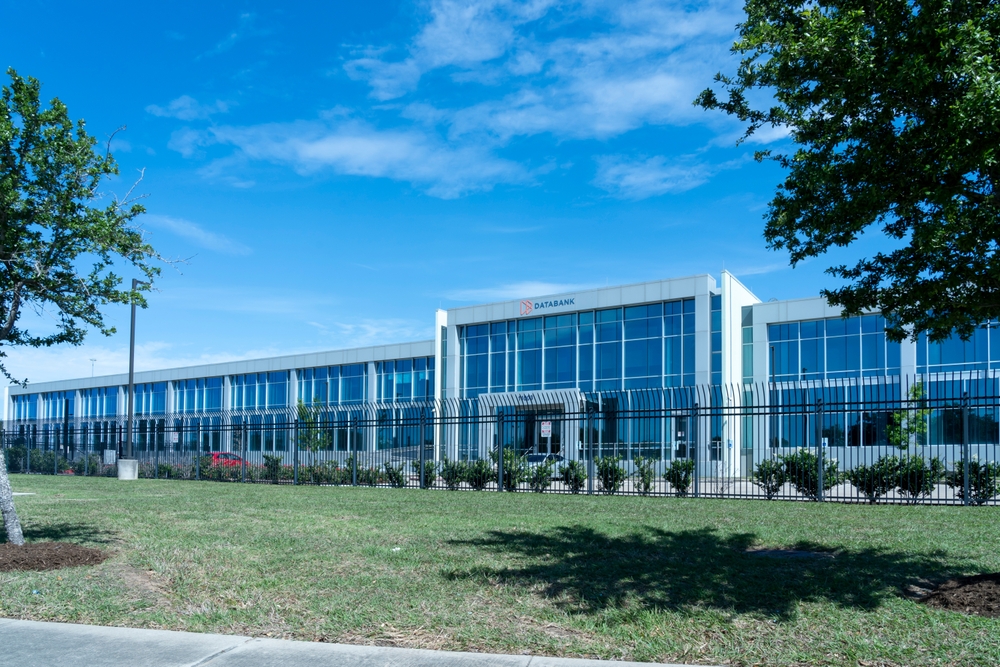
The incident exposed an important weakness in modern banking: financial institutions depend on one another to move money between accounts. A customer using one bank might initiate a payment involving another institution, meaning a technical problem at either end can interrupt an otherwise routine transaction.
That appears to have happened during Monday’s disruption, when customers reported difficulties involving several major financial institutions. Some banks maintained that their internal systems were functioning normally, even as their customers experienced delays involving transactions with Chase.
Zelle Payments Were Among The Affected Services

Zelle became one of the most visible examples of how a technical problem at one financial institution can affect customers elsewhere. The peer-to-peer payment network allows customers to send money between participating banks and credit unions, making it a widely used option for everyday payments.
Zelle is operated by Early Warning Services, which is owned by several financial institutions, including JPMorgan Chase, Bank of America, Capital One, PNC Bank, Truist, U.S. Bank and Wells Fargo. Its connections with major banks mean that transactions can depend on multiple institutions functioning correctly.
Early Warning Services said its network remained operational throughout the disruption, suggesting that the delays originated within participating financial institutions rather than the payment network itself.
“An issue at the financial institutions may be delaying Zelle payments for some of their customers,” an Early Warning Services spokesperson explained.
The company also clarified that customers use Zelle through participating banks and credit unions, which manage their accounts and hold their funds. Zelle does not maintain separate consumer accounts or independently hold the money being transferred.
This distinction helps explain why customers could encounter payment problems even when the Zelle network itself was functioning normally. A disruption involving one participating bank could affect the completion of transactions without requiring the entire payment service to go offline.
Banks Disputed Reports Of Their Own Outages

Bank of America told CBS News that its “systems were operating normally throughout the day yesterday.” Capital One also said it had not been affected and continued operating normally.
U.S. Bank similarly clarified that its systems were not directly impacted, although customers attempting to send or receive Zelle payments involving another financial institution could experience delays. These statements demonstrated that reports of banking problems did not necessarily indicate independent outages at every institution.
For customers waiting for money to arrive, however, the distinction offered little immediate comfort. A delayed transaction can create practical difficulties regardless of whether the technical problem originates at the customer’s bank or another institution involved in processing the payment.
Three Major Technology Disruptions Hit America In One Week

The banking problems arrived after two other major technology incidents disrupted essential services across the country. Although the incidents were separate and authorities identified no common cause connecting them, their close timing raised questions about the reliability of systems millions of Americans depend on.
Microsoft’s Global Outage Disrupted Essential Services
Earlier in the week, Microsoft experienced a major outage affecting services including Outlook, Teams and its Copilot AI assistant. The disruption affected businesses, government operations and other organizations across more than 70 countries and territories.
The interruption demonstrated how quickly a technical problem involving a major technology provider can interfere with everyday operations. Organizations relying on Microsoft’s software experienced difficulties accessing services that have become central to workplace communication and routine business activities.
Microsoft subsequently restored its services and attributed the incident to a technical issue. The company also said the outage was not connected to a cyberattack, providing an explanation similar to the one later offered by JPMorgan Chase.
FAA Problems Grounded Flights Across The United States

Friday brought another major disruption, this time involving America’s aviation infrastructure. The Federal Aviation Administration ordered a nationwide ground stop after problems involving air traffic control communications and radar information affected the country’s aviation operations.
The interruption grounded flights for several hours and contributed to widespread travel disruption. The FAA later said airline schedules were returning to normal, although the effects continued to be felt across the aviation industry over the weekend.
United Airlines also reported resolving an internal system outage on Monday that had delayed departing flights. The airline’s disruption added another technology-related problem to an already difficult period for American transportation and financial services.
There is no evidence that the Microsoft, FAA and banking incidents shared a single technical cause. The FAA specifically said its disruption was unrelated to Microsoft’s outage, while Chase attributed its banking problems to a software bug in an on-premise hardware system.
Nevertheless, the incidents created an uncomfortable pattern for consumers. Essential services across different industries experienced technical difficulties within a matter of days, exposing how much everyday life depends on infrastructure that most people rarely think about.
Cybersecurity Experts Warn About America’s Fragile Infrastructure

The rapid spread of technical problems through interconnected systems has attracted attention from cybersecurity and technology experts. Their concerns focus on the consequences of relying on complicated digital infrastructure, particularly when a problem involving one major provider can affect numerous organizations.
Mike Chapple, an IT, analytics and operations expert at the University of Notre Dame, described the incidents as evidence of a wider infrastructure challenge.
“Our country has seen three very serious technology incidents over the past week,” Chapple told CBS News.
He explained that each incident had its own technical explanation, but all demonstrated how dependent modern society has become on complicated systems.
“When we dig into the details, each one has an explanation that makes sense on its own, but they all point to a common theme: the complexity and fragility of the systems that we depend on every day,” he added.
Chapple also noted that technical problems can quickly spread through interconnected services, creating disruption far beyond their original source. Regarding the banking incident, he said the available information suggested that a technical issue at Chase affected other institutions through shared payment networks.
Karen Panetta, dean of graduate engineering at Tufts University, offered a similar assessment of the risks created by large technology providers. She explained that major companies frequently provide services connecting numerous businesses and institutions, allowing customers to benefit from convenient integration.
“The larger companies have global reach that affords their customers flexibility and seamless integration with other businesses,” Panetta told CBS News.
“Unfortunately, when one of these backbone providers has disruptions, the downstream effects are magnified. The multiple entities that rely on those services are also affected.”
Her comments highlight a difficult question for financial institutions and technology providers. How can companies continue building interconnected services without making their customers increasingly vulnerable to problems involving individual components?
The challenge extends beyond banking applications. Aviation systems, workplace software and digital payment networks all depend on technology functioning reliably, often with little tolerance for unexpected interruptions.
What Happened To Customers Trying To Access Their Money?

For ordinary customers, the technical explanations offered by banks did little to remove the immediate inconvenience. Some Chase customers reported difficulties accessing account information and completing transfers, while others experienced problems involving wire transfers and online banking services.
CBS News also reported the experience of a Chase customer in Texas who attempted to deposit a check at a Dallas branch on Monday morning. The transaction could not be completed, and a bank teller reportedly told the customer that the system was down.
The customer expressed frustration about the lack of additional information available at the time. The experience illustrated how a technical problem can affect people attempting ordinary banking activities, even when they visit a physical branch rather than relying exclusively on an application.
Downdetector recorded a significant increase in complaints during Monday morning and afternoon. At approximately 2 p.m. Eastern Time, nearly 4,800 users had reported problems involving Chase, making it the bank with the highest number of complaints on the outage tracker.
Other institutions also experienced increased reports of difficulties involving their services. Bank of America customers reported problems involving ATMs and mobile banking, while Wells Fargo customers described difficulties signing in, checking balances and conducting transactions.
However, reports on an outage-tracking website do not establish that every institution experienced an internal system failure. Bank of America specifically maintained that its systems were operating normally, while Capital One also denied being affected.
The widespread reports nevertheless demonstrated how difficult it can be for customers to determine the source of a financial transaction delay. When multiple institutions participate in a payment, customers may have limited information about which part of the process is experiencing difficulties.
By early Tuesday, Downdetector indicated that services had returned to normal at the banks and Zelle. The immediate disruption appeared to have ended, although the episode left questions about the reliability of interconnected financial services.
How Customers Can Protect Themselves During Banking Outages
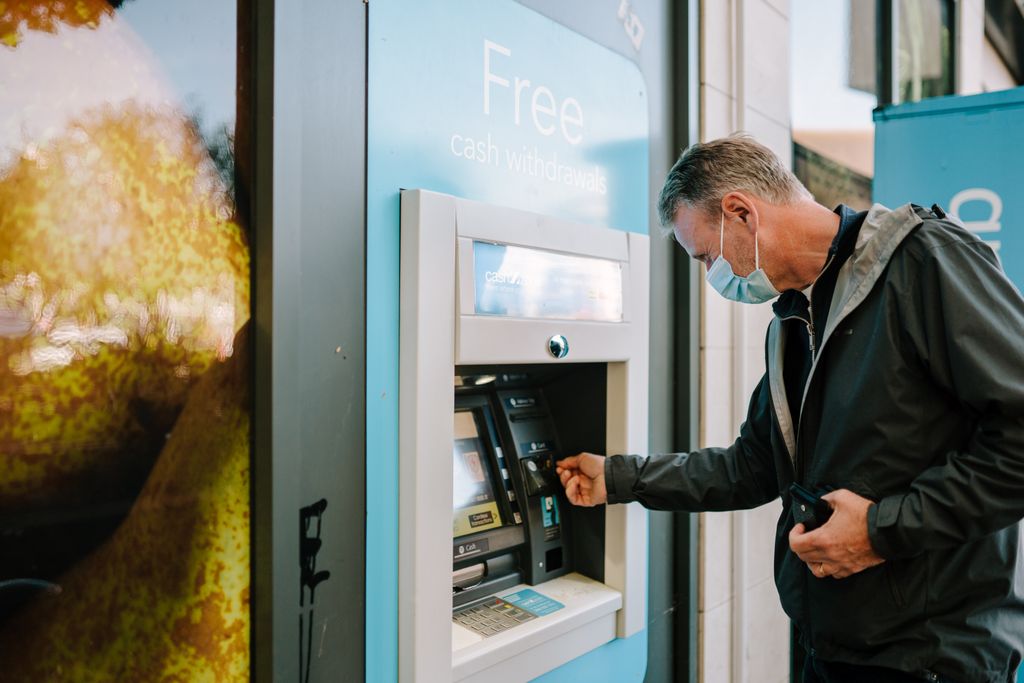
Financial disruptions can also create opportunities for criminals who exploit customers worried about losing access to their money. Security specialists warned that scammers could use the situation to send fraudulent messages pretending to offer assistance or urgent account protection.
Kayne McGladrey, a security expert and senior member of the Institute of Electrical and Electronics Engineers, offered several recommendations for people experiencing banking problems. Her advice focused on maintaining alternative ways to access financial services and keeping records of transactions that fail.
Customers experiencing similar disruptions can take several precautions:
- Try alternative banking channels: ATMs, payment cards, telephone banking and physical branches may continue working when mobile applications experience problems.
- Keep transaction records: Save screenshots of failed transactions and error messages in case you need to resolve payment problems later.
- Check for unexpected fees: Once services return, contact your bank about reversing fees caused by the disruption.
- Avoid suspicious messages: Do not click unsolicited emails or text messages claiming to restore banking access.
- Use official communication channels: Check your bank’s website or verified communication channels for accurate service updates.
McGladrey also recommended keeping evidence of attempted transactions because customers might need it when requesting corrections or fee waivers. This can become particularly useful when a payment appears incomplete or a transaction takes longer than expected.
Craig Timm, senior director of anti-money laundering at ACAMS, warned that criminals could exploit consumer anxiety surrounding banking problems. He advised customers to “assume they will be targeted.”
Scammers may send fake banking alerts, phishing messages or social media posts claiming to offer assistance. Some attempt to steal banking login credentials, while others use malicious links to gain access to victims’ computers.
Timm also warned that artificial intelligence allows criminals to operate quickly and target people at scale. Messages urging customers to take immediate action to protect their money or restore account access should therefore be treated with particular caution.
Customers should avoid sharing passwords, verification codes or sensitive banking information with anyone contacting them unexpectedly. Official bank communication channels remain the safest source of information when financial services experience technical problems.
America’s Financial System Needs Greater Resilience
There is an important distinction between a series of unfortunate technical incidents and evidence that America’s entire technological infrastructure is deteriorating. Three disruptions occurring within a week do not prove that system failures are becoming more frequent, and establishing a broader decline would require longer-term evidence examining outage frequency and severity.
Nevertheless, the banking incident exposed a vulnerability that deserves serious attention. Financial institutions increasingly depend on interconnected networks to process payments and provide customers with immediate access to their money, creating dependencies that ordinary consumers rarely see.
When a major institution encounters a technical problem, the consequences can extend beyond its own customers. Monday’s disruption demonstrated how difficulties involving one bank could delay transactions involving several other institutions, even when those institutions maintained that their own systems were functioning normally.
This raises questions about whether financial institutions have sufficient backup systems, alternative processing arrangements and recovery procedures to keep essential services running during unexpected failures. It also raises questions about how clearly banks communicate with customers when problems interfere with access to financial services.
Customers cannot realistically be expected to understand the technical architecture behind every payment or banking application. They depend on institutions to maintain those systems, explain disruptions and provide reliable alternatives when digital services become unavailable.
The same concerns apply to aviation, communications and other critical infrastructure. As technology becomes more deeply embedded in essential services, institutions face growing pressure to ensure that individual technical failures do not create wider disruptions.
America’s banking services returned to normal after the incident, but the episode exposed how much can depend on a single technical failure. A software bug at one major bank was enough to delay transactions involving financial institutions across the country, leaving customers waiting for services they ordinarily expect to work immediately. The next challenge for America’s financial institutions is proving that their systems can withstand the failures that modern banking makes increasingly consequential.