
Your cart is currently empty!
Chernobyl’s Protective Shield Is No Longer Performing Its Safety Role Experts Warn
For decades, the word Chernobyl has carried a heavy emotional weight. It is shorthand for a disaster that reshaped how the world thinks about nuclear safety and long term health risk. When news emerged that a drone strike had damaged the structure protecting the ruined reactor, it naturally stirred unease far beyond Ukraine’s borders. Any change at a site with that history invites difficult questions about what might follow.
Contents
show
At the same time, the details tell a more measured story. International inspectors say the damage has not triggered rising radiation levels or signs of exposure beyond the site. That contrast between visible structural harm and stable monitoring data is where understanding matters most. The challenge is not guessing at worst case scenarios, but making sense of how a compromised safety barrier can coexist with readings that remain within normal limits and what that reality means for people watching from afar.
The Structure That Took the Hit
The focus of inspectors was not the destroyed reactor itself, but the vast steel structure built decades later to keep its remains contained. Known as the New Safe Confinement, this enclosure was designed to sit over Reactor No. 4 and the original concrete sarcophagus that was rushed into place after the 1986 explosion. Its role has always been preventive rather than reactive, creating a controlled environment where radioactive debris could remain sealed during long term monitoring and eventual dismantling work.
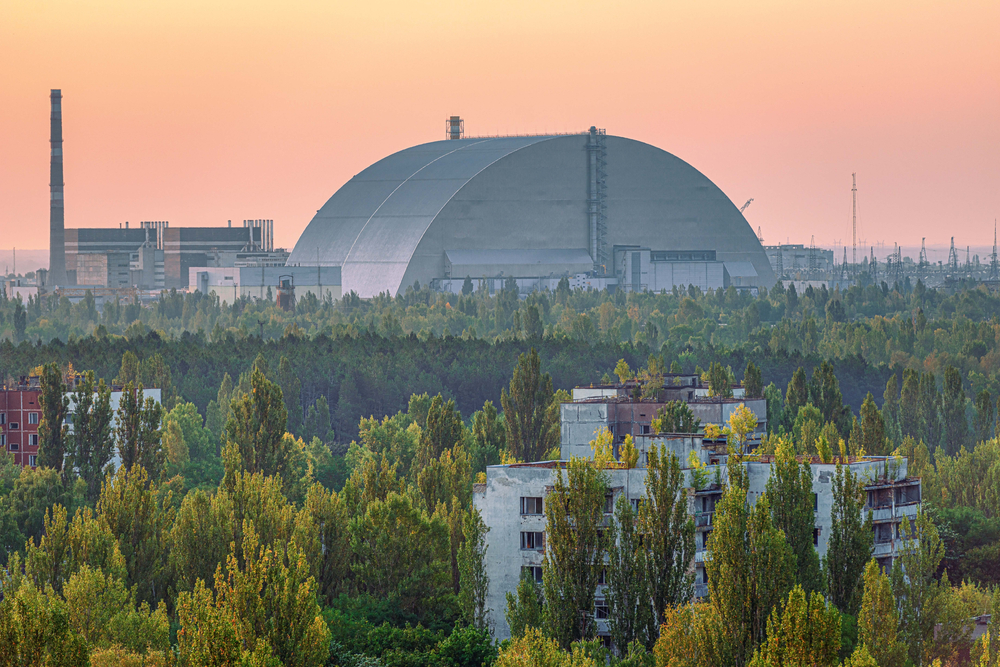
That role was disrupted in February when a drone strike hit the structure. According to the International Atomic Energy Agency, the impact caused a fire and damaged sections of the outer cladding that form part of the barrier intended to limit the movement of radioactive material inside the shelter. When the agency completed a safety assessment last week, inspectors concluded that the confinement had been “severely damaged” and had “lost its primary safety functions, including the confinement capability.” In practical terms, this means the structure can no longer be relied on to perform its full sealing function under all conditions it was designed to handle.
The assessment also made clear that the damage was not uniform across the structure. The IAEA reported no permanent harm to the load bearing steel framework that supports the enclosure, and no impairment of the radiation monitoring systems that track conditions inside the shelter. Those systems continue to provide real time data to international inspectors and form the basis for ongoing oversight at the site.
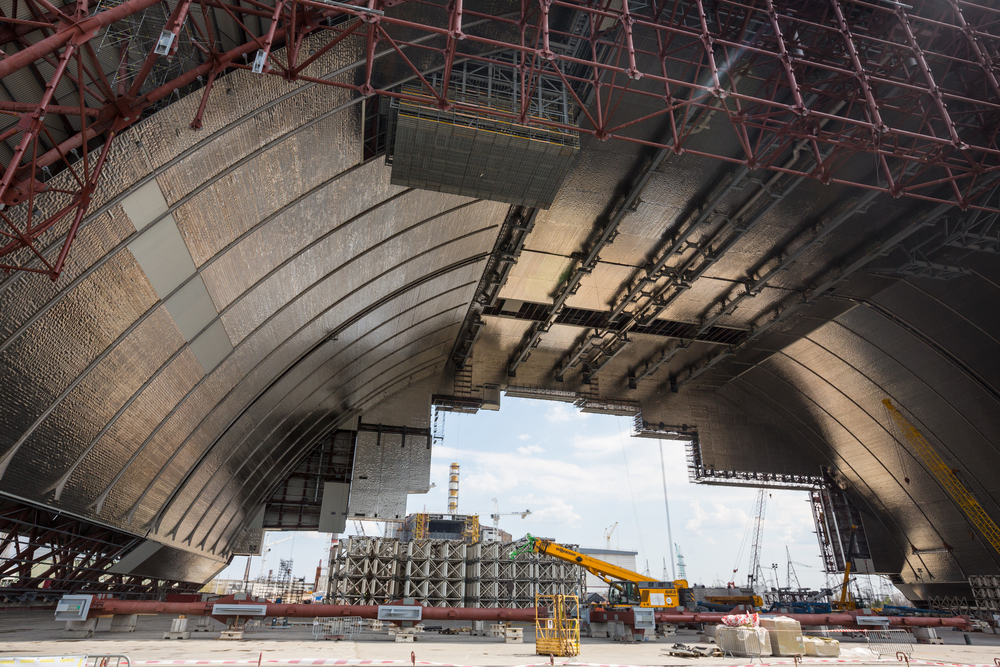
Some repairs have already been carried out, particularly on the roof, but the agency has stressed that limited fixes do not resolve the underlying problem. Protective layers that were compromised by the strike remain vulnerable to further wear and environmental stress. IAEA Director General Rafael Grossi emphasized the importance of addressing that risk directly, saying, “Timely and comprehensive restoration remains essential to prevent further degradation and ensure long-term nuclear safety.”
Built for a Problem That Never Truly Went Away
Long after the explosion at Reactor No. 4 faded from daily headlines, the challenge it left behind continued to grow. The concrete and steel sarcophagus rushed into place in 1986, was a necessary emergency response, designed to reduce immediate radioactive releases rather than serve as a permanent solution. Built under extreme pressure and limited time, it was always expected to weaken. As decades passed, engineers warned that the structure’s aging materials could make routine maintenance and cleanup work increasingly risky, not because the reactor was active, but because radioactive debris remained inside.
The New Safe Confinement emerged from that concern. Instead of dismantling the old sarcophagus directly, engineers designed an entirely new enclosure that could be positioned over it, creating a sealed workspace for the slow and complex task of deconstruction. According to the International Atomic Energy Agency, the confinement was intended to make it possible to dismantle the damaged reactor and the original shelter while keeping radioactive material contained throughout decades of work. This approach recognized that the real danger lay not in sudden failure, but in prolonged exposure during handling of highly contaminated material.
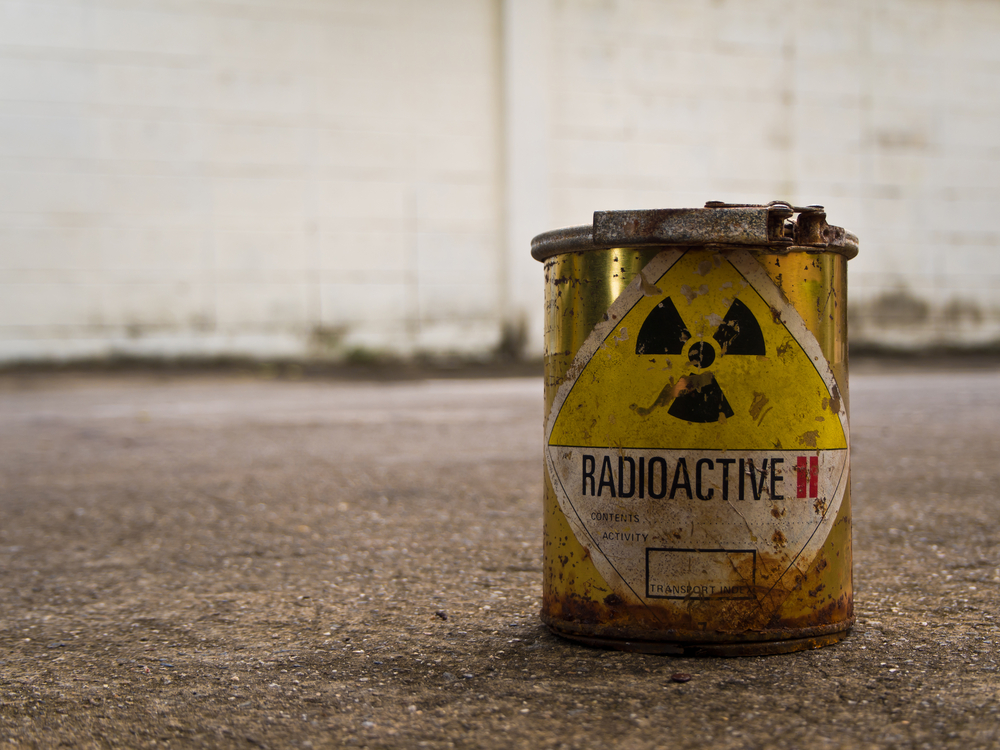
Completed in 2019, the project reflected a rare level of international cooperation. Funded by more than 45 countries through the Chernobyl Shelter Fund, the structure was designed to function for about a century. Its purpose was never to manage an operating reactor, but to give future generations a controlled and safer way to deal with the long term consequences of the disaster.
Why Repairs Still Matter
Normal radiation readings do not mean the damage at Chernobyl can be left unresolved. The International Atomic Energy Agency has stressed that the concern is not an immediate spike in exposure, but how weakened systems can slowly erode long term safety. The New Safe Confinement was built to work as a complete protective system over decades of monitoring and cleanup. When parts of that system are compromised, the margin for error shrinks even if conditions appear stable.
That risk exists within the wider reality of war. Russian forces occupied the site during the early phase of the full scale invasion in February 2022, and although they later withdrew, the IAEA now maintains a permanent presence to monitor safety and infrastructure. Nuclear sites depend on reliable electricity for cooling, monitoring, and emergency response. As IAEA Director General Rafael Grossi warned, electrical substations are “absolutely indispensable for providing the electricity all nuclear power plants need for reactor cooling and other safety systems.”
For people beyond the exclusion zone, current evidence still points to low health risk. The reactor is inactive, no radiation release has been confirmed, and international monitoring continues. Repairs and oversight are therefore about preventing future risk, not responding to a present emergency.
What Long Term Monitoring Actually Looks Like at Chernobyl
One aspect that often gets overlooked in coverage of Chernobyl is how safety is maintained day to day when nothing dramatic is happening. The site operates under continuous observation rather than periodic check ins. Radiation sensors, environmental sampling, and on site inspections are used together to track even small changes inside and around the damaged reactor. This system is designed to catch gradual shifts early, long before they pose a broader health concern, which is why international agencies can speak with confidence about current conditions.
The International Atomic Energy Agency plays a central role in that process through its permanent presence at the site. Inspectors do not rely solely on automated readings but also verify data, assess working conditions for staff, and evaluate whether containment and monitoring systems are functioning as intended. This layered approach matters because the risks at Chernobyl today are slow moving and technical rather than sudden or explosive. Long term safety depends less on reacting to emergencies and more on maintaining consistent oversight, transparent reporting, and the ability to intervene early if conditions begin to change.
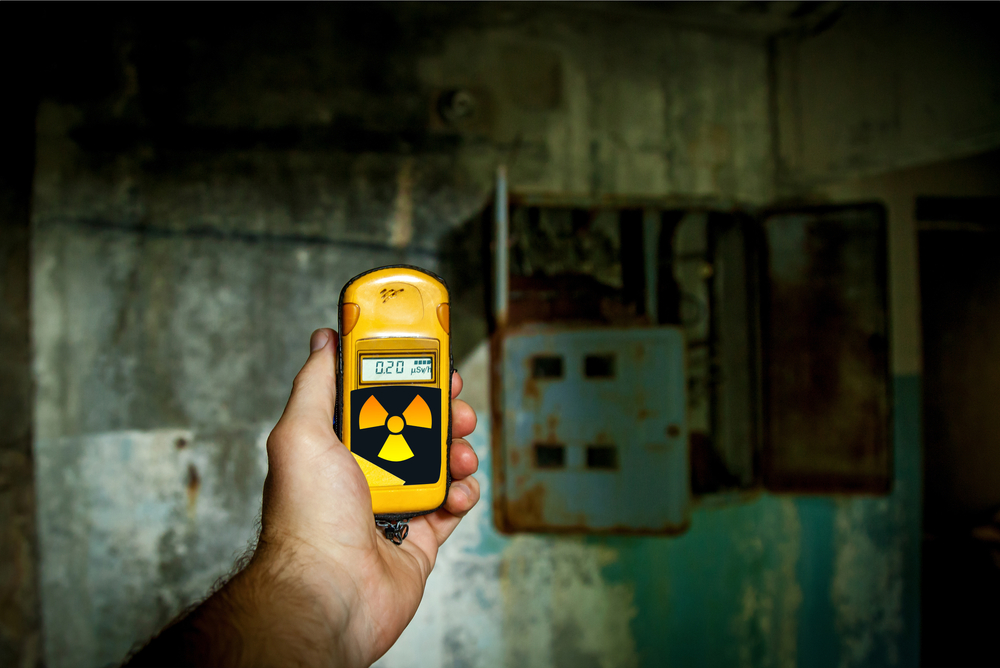
For the public, this kind of monitoring rarely makes headlines, but it is one of the most important reasons why damage to infrastructure does not automatically translate into widespread health effects. Continuous observation turns uncertainty into measurable information, allowing experts to distinguish between structural problems that need repair and exposure risks that would require immediate protective action.
How Experts Are Interpreting the Health Risk
When scientists evaluate the situation at Chernobyl, their focus is on exposure rather than damage itself. The central question is whether radioactive material is reaching people outside the exclusion zone. So far, monitoring data has not shown a release that would alter everyday exposure levels beyond the site.
Environmental scientist Jim Smith, a professor at the University of Portsmouth who has studied Chernobyl’s long term aftermath, underscored this point in comments to the BBC. “It is not something to panic about,” he said, explaining that radiation risk at legacy sites is more often linked to physical disturbance than sudden spikes. He identified radioactive dust as the main concern, noting that “the risk is low” because it remains contained within the concrete sarcophagus and the protective structure above it.
Monitoring data backs that assessment. The United Nations reported in February that radiation levels remained normal and stable, with no leaks detected after the strike. From a health standpoint, continuous measurement is what separates structural damage from a public exposure event, and those warning signals have not appeared.
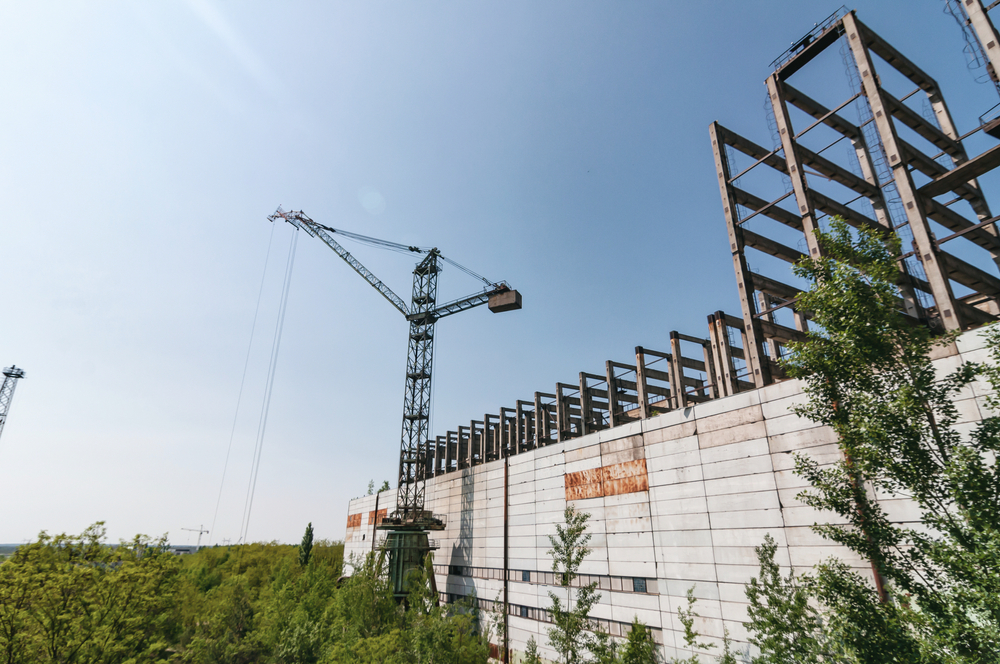
A Moment That Calls for Clarity, Not Fear
Chernobyl still carries a powerful emotional charge, and any damage at the site naturally draws attention. But the facts matter more than the reaction. Inspectors have not detected rising radiation levels or evidence of public exposure, and international monitoring remains active and transparent. At the same time, damage to containment structures is not something that can be ignored or deferred.
The situation calls for careful repair, sustained oversight, and clear communication rather than speculation. Nuclear safety is a long process built on maintenance and measurement, not dramatic turning points. At Chernobyl, the work now is about protecting the future by addressing problems early, before they become something more serious.