
Your cart is currently empty!
New Study Shows Chickpeas Can Grow In Moon Soil Like Conditions
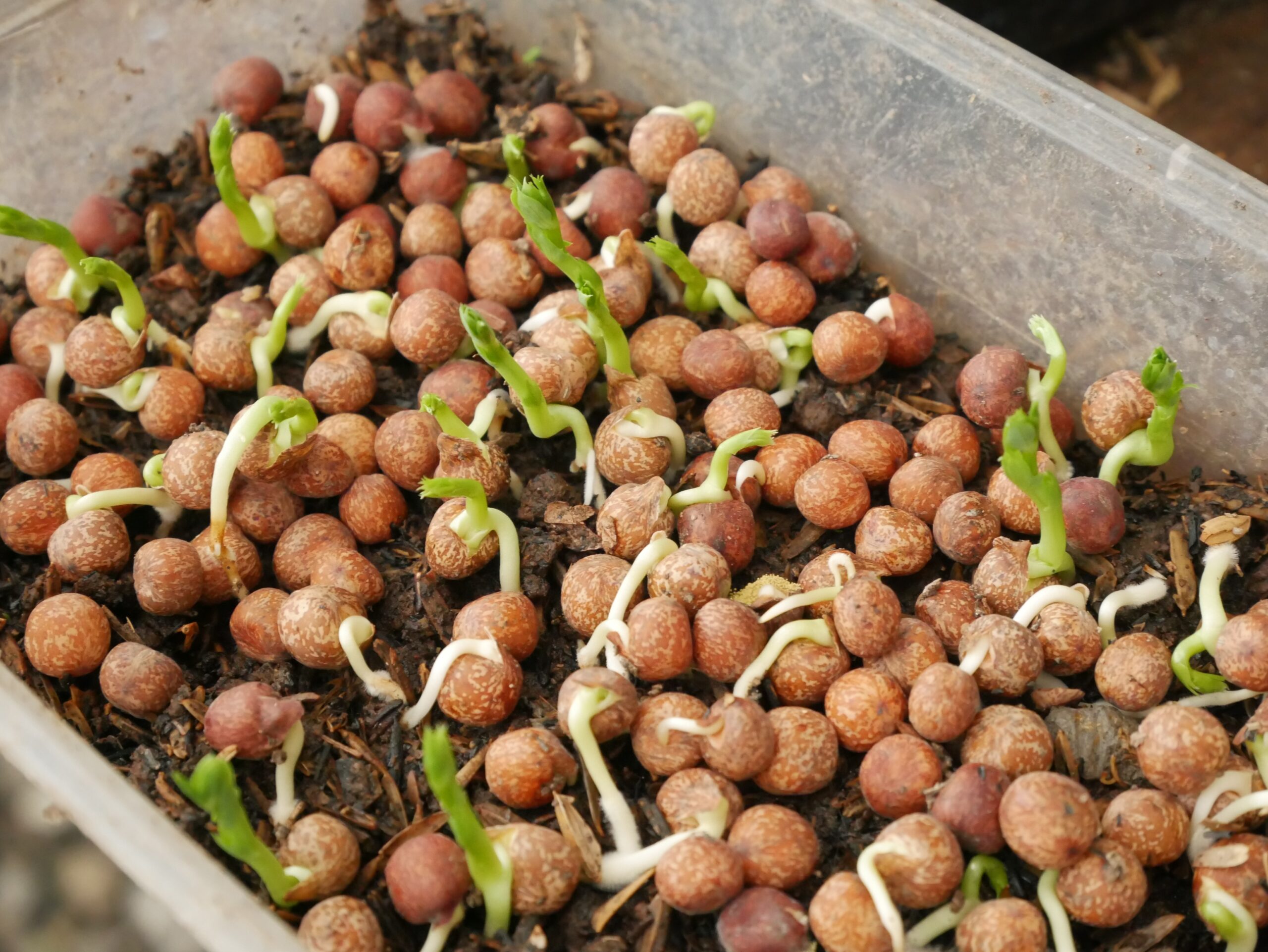
Humanity has spent decades imagining what life beyond Earth might look like. Space agencies have designed rockets capable of traveling farther than ever before, engineers have developed habitats that could support astronauts in extreme environments, and scientists continue to explore how humans might one day live on the Moon or even Mars. Yet one basic question has remained stubbornly difficult to answer. If people are going to live somewhere beyond Earth for long periods of time, what will they eat?
Contents
show
A recent scientific breakthrough has brought researchers one step closer to solving that challenge. Scientists have successfully grown and harvested chickpeas in simulated lunar soil, offering a glimpse into a future where astronauts could cultivate their own food on the Moon. The research suggests that crops might eventually thrive in an environment once considered completely hostile to agriculture.
While it may sound like science fiction, the findings represent an important milestone in the growing field of extraterrestrial agriculture. According to researchers involved in the study, the experiment demonstrates that with the right biological partnerships and soil treatments, the Moon’s barren dust could potentially be transformed into something resembling living soil.
Why Growing Food on the Moon Matters
For decades, every mission to space has relied heavily on supplies launched from Earth. Food, water, and other essentials must be carefully packed and transported at enormous cost. While this system works for short missions, it becomes impractical when considering long term human presence beyond Earth.
Future lunar missions, including those planned under NASA’s Artemis program, are expected to establish a more permanent presence on the Moon. The goal is not just to visit briefly but to develop sustainable habitats where astronauts can live and work for extended periods.
Transporting food from Earth for such missions presents several challenges. Launching cargo into space is extremely expensive. Every kilogram added to a spacecraft dramatically increases mission costs. In addition, astronauts living on distant worlds cannot rely on constant resupply shipments from Earth.
Scientists therefore believe that developing the ability to grow food locally will be essential for future exploration. A self sustaining food supply could dramatically reduce mission costs and make long duration space habitation possible.
Food production in space would also support other life support systems. Plants absorb carbon dioxide and release oxygen, which could help maintain breathable air in sealed habitats. Crops can also contribute to recycling water and organic waste within closed ecological systems.
For these reasons, learning how to grow crops beyond Earth has become a major focus for researchers worldwide.
The Challenge of Lunar Soil
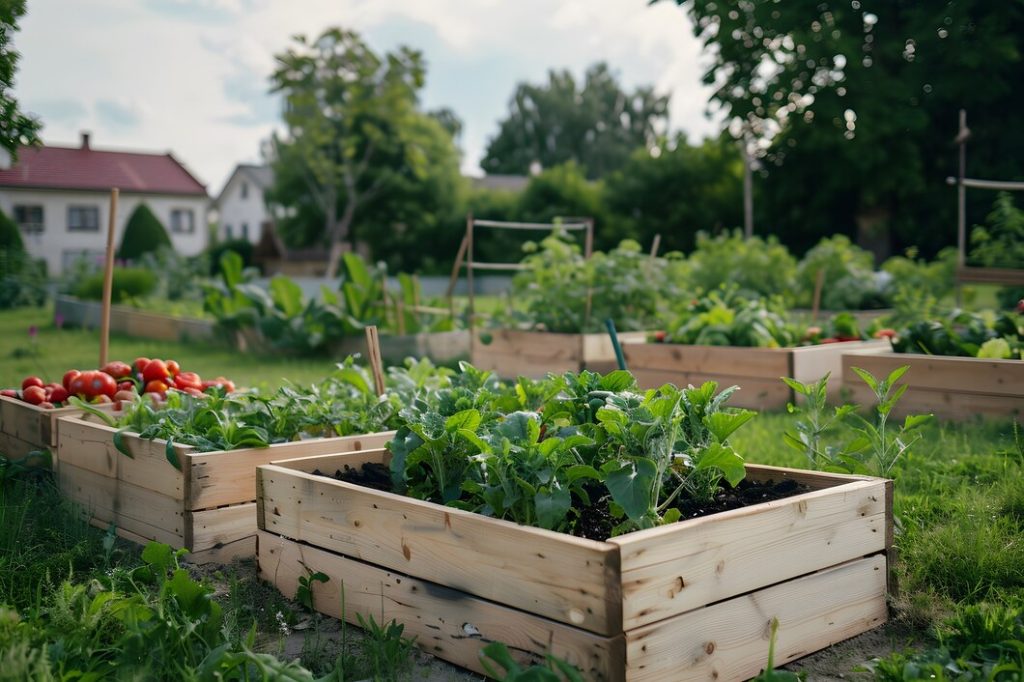
Despite the promise of space agriculture, the Moon presents a difficult environment for growing plants. The soil found on the lunar surface, known as regolith, is very different from the fertile soils found on Earth.
Regolith is essentially crushed rock and dust formed over billions of years by meteorite impacts. Unlike soil on Earth, it contains no organic matter and no living microorganisms. On our planet, these biological components play a crucial role in supporting plant growth.
Earth soil is a complex ecosystem filled with bacteria, fungi, insects, and decomposing organic material. These elements help break down nutrients, retain water, and support plant roots. Without them, soil becomes little more than sterile mineral dust.
According to research described in Scientific Reports and discussed by outlets including ABC News, lunar regolith also contains high concentrations of metals such as aluminum, copper, and zinc. While some minerals are beneficial for plants, excessive amounts can become toxic.
Another complication is the physical structure of the material. Lunar regolith behaves more like powder than soil. It does not easily hold water or allow it to circulate through the root systems of plants.
Together, these characteristics make the Moon’s surface a very challenging environment for agriculture. Previous experiments have shown that while seeds can sometimes sprout in regolith, the plants often struggle to grow or produce seeds.
Scientists therefore needed to find a way to transform this lifeless dust into something more suitable for crops.
Turning Moon Dust Into Living Soil
The breakthrough came from combining two powerful biological tools commonly used in sustainable agriculture on Earth. Researchers introduced both a special type of fungi and a nutrient rich compost produced by worms.
The fungi involved belong to a group known as arbuscular mycorrhizal fungi. These organisms form symbiotic relationships with plant roots. In nature, more than eighty percent of plant species rely on these fungi to help them absorb nutrients from the soil.
Jessica Atkin, a doctoral candidate at Texas A and M University and lead author of the study, explained that this relationship is one of the oldest partnerships in the history of life on land. According to Atkin, the evolution of these fungi allowed early plants to develop root systems and spread across terrestrial environments.
When the fungi attach to plant roots, they extend microscopic filaments into the surrounding soil. These structures increase the plant’s ability to absorb nutrients and water. In return, the plant supplies the fungi with sugars produced through photosynthesis.
To further improve the soil environment, the researchers added vermicompost. This material is produced when worms break down organic waste such as food scraps, coffee grounds, and cotton fibers. The result is a nutrient rich fertilizer packed with beneficial microorganisms.
NASA has even explored using worm based composting systems to recycle waste during long duration space missions. Materials that might otherwise be discarded can be converted into useful agricultural inputs.
By combining the fungi with vermicompost, the researchers hoped to recreate some of the biological complexity normally found in Earth soils.
Why Chickpeas Were Chosen
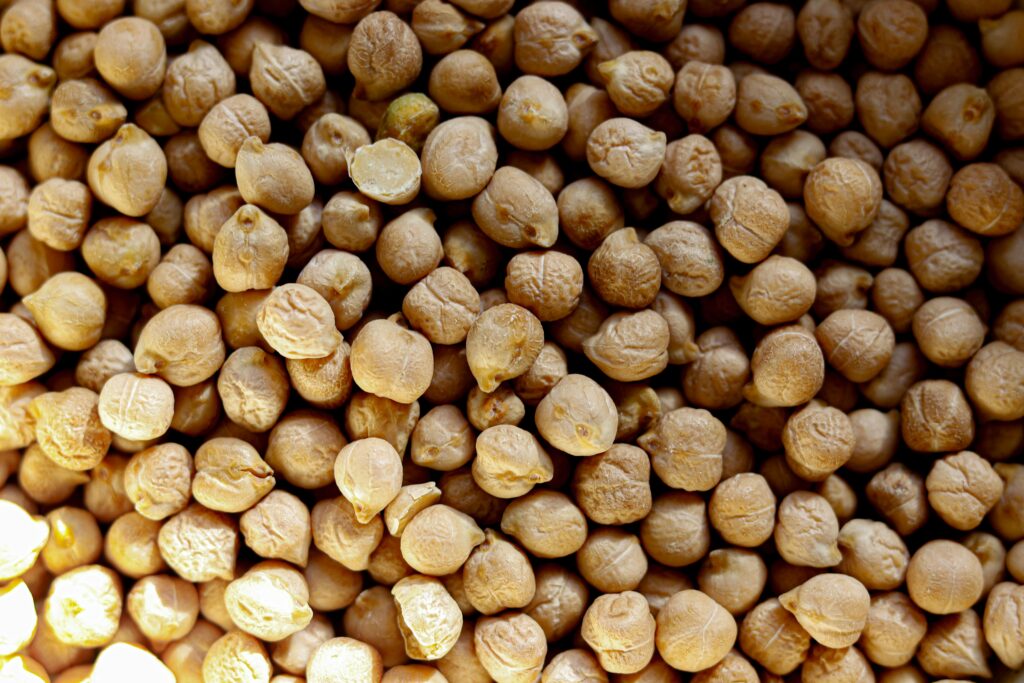
The team did not select chickpeas randomly. While crops like lettuce and tomatoes are often studied for space agriculture, chickpeas offered several advantages for the experiment.
First, chickpeas are highly nutritious. They are rich in protein and essential nutrients, making them a valuable food source for astronauts who would need balanced diets during long missions.
Second, chickpeas are relatively hardy plants. They can tolerate stressful growing conditions better than many other crops.
Most importantly, chickpeas naturally form strong relationships with microorganisms in the soil. The plants release chemical signals that attract beneficial microbes to their roots. This ability made them an ideal candidate for testing how plant microbe partnerships might transform lunar soil.
The researchers used a chickpea variety known as Myles. Seeds were coated with the beneficial fungi before being planted in mixtures of simulated lunar soil and vermicompost.
The simulated soil itself was designed to closely match real lunar material collected during the Apollo missions. Because actual lunar samples are extremely rare and scientifically valuable, scientists often use laboratory produced simulants that replicate the composition of moon dust.
These simulants allow researchers to conduct experiments without risking precious lunar material.
What the Experiment Revealed
The chickpeas were grown in a controlled laboratory environment at Texas A and M University. The plants were cultivated in soil mixtures containing different proportions of simulated regolith.
Some samples contained a relatively small amount of lunar soil mixed with compost. Others contained much higher concentrations of regolith.
The results were encouraging. Chickpea plants were able to grow and produce harvestable seeds in soil mixtures that contained as much as seventy five percent simulated lunar soil.
However, the experiment also revealed important limitations.
As the proportion of regolith increased, the plants experienced more stress. Leaves were smaller and the overall number of seeds produced decreased compared with plants grown in regular Earth soil.
Plants grown in pure simulated lunar soil struggled the most. In those samples, the chickpeas failed to flower and eventually died before producing seeds.
Even so, the fact that plants were able to grow and reproduce in soil dominated by lunar material represents a major step forward.
Researchers also observed that the fungi successfully colonized the plant roots even in environments composed entirely of simulated regolith. This suggests that microorganisms from Earth could potentially survive and function in lunar environments.
According to study co author Sara Oliveira Santos from the University of Texas Institute for Geophysics, the experiment represents an early but promising step toward cultivating crops beyond Earth.
The Question Everyone Is Asking

Naturally, one question has captured the imagination of many people who have heard about the study. If chickpeas can grow in moon soil, could astronauts eventually make hummus on the Moon?
For now, the answer remains uncertain.
The chickpeas grown during the experiment are currently being analyzed to determine whether they are safe to eat. Because lunar regolith contains metals such as aluminum and iron, researchers must carefully examine whether the plants absorb potentially harmful elements during growth.
Jessica Atkin noted that the team is studying the seeds for metal accumulation as well as nutritional content. Scientists want to know whether the chickpeas provide the nutrients astronauts would need in space.
Until those tests are complete, no one has tasted the lunar grown legumes yet.
Still, the possibility of producing familiar foods far from Earth has captured public imagination. Chickpeas are used in dishes across the world, including hummus, falafel, curries, and roasted snacks. The idea that such foods could one day be prepared in a lunar habitat makes the concept of living on the Moon feel slightly more real.
A Step Toward Sustainable Space Habitats

Although the experiment may seem small, its implications are significant. Establishing sustainable agriculture in space will likely require many incremental discoveries like this one.
Future research will focus on improving the soil mixtures and understanding how plants adapt over multiple generations. Scientists want to know whether repeated cultivation could gradually transform regolith into a more fertile soil.
If microorganisms and organic matter continue to accumulate, the once sterile dust could slowly develop characteristics similar to living soil on Earth.
Researchers are also interested in testing a wider range of crops. A successful space agriculture system would need to provide a diverse diet that includes proteins, carbohydrates, vitamins, and minerals.
Chickpeas may be only the beginning.
Leafy greens, grains, and other legumes could eventually become part of extraterrestrial farming systems. Each crop will present unique challenges and opportunities depending on how it interacts with lunar soil and microbial communities.
The research could even inform agriculture back on Earth. Techniques developed for growing crops in extremely poor soils might help farmers improve food production in degraded or desert environments.
Looking Toward the Future of Space Farming

Human exploration of space is entering a new phase. Governments and private companies alike are planning ambitious missions that aim to establish long term presence beyond Earth.
The Artemis program seeks to return astronauts to the Moon within the coming years, with the long term goal of building a sustainable lunar base. China has announced similar plans for lunar exploration. These projects envision habitats where astronauts could live for months at a time.
In such environments, the ability to grow food locally will be critical.
Experiments like the chickpea study demonstrate that the challenge is not impossible. With the help of microorganisms, compost, and careful agricultural design, even the Moon’s harsh landscape might one day support crops.
The road ahead remains long. Scientists still need to refine soil treatments, test crop safety, and develop farming systems that work in low gravity environments.
Yet the progress made so far offers a glimpse of what future space settlements might look like.
Imagine a greenhouse glowing softly against the dark lunar sky. Inside, rows of plants grow under artificial sunlight while astronauts harvest fresh food thousands of kilometers from Earth. The soil beneath those plants may once have been nothing more than sterile dust.
Now, thanks to the partnership between plants, fungi, and worms, it could become the foundation of a living ecosystem.
A Small Experiment With Big Implications
Scientific progress often happens through modest experiments that quietly reshape what humanity believes is possible. Growing chickpeas in simulated moon dirt may sound like a small achievement, but it represents an important step toward a future where humans live and work beyond Earth.
The study shows that even the most hostile environments can sometimes be transformed through biology and innovation. By harnessing the natural partnerships between plants and microorganisms, scientists may eventually convert lifeless regolith into productive soil.
If that happens, the Moon could become more than a distant destination visited by astronauts. It could evolve into a place where humans build communities, conduct research, and cultivate the crops that sustain them.
And perhaps one day, in a lunar kitchen overlooking a gray and silent landscape, someone might prepare a bowl of hummus made from chickpeas grown in the very dust of the Moon.
Sources:
- Shahane, A. A., & Shivay, Y. S. (2021). Soil health and its improvement through novel agronomic and innovative approaches. Frontiers in Agronomy, 3. https://doi.org/10.3389/fagro.2021.680456
- Kornuta, D., Abbud-Madrid, A., Atkinson, J., Barr, J., Barnhard, G., Bienhoff, D., Blair, B., Clark, V., Cyrus, J., DeWitt, B., Dreyer, C., Finger, B., Goff, J., Ho, K., Kelsey, L., Keravala, J., Kutter, B., Metzger, P., Montgomery, L., . . . Zhu, G. (2019). Commercial lunar propellant architecture: A collaborative study of lunar propellant production. REACH, 13, 100026. https://doi.org/10.1016/j.reach.2019.100026
- Atkin, J., Pierson, E., Gentry, T., & Santos, S. O. (2026). Bioremediation of lunar regolith simulant through mycorrhizal fungi and plant symbioses enables chickpea to seed. Scientific Reports, 16(1). https://doi.org/10.1038/s41598-026-35759-0