
Your cart is currently empty!
New Christopher Columbus Statue Erected on White House Grounds
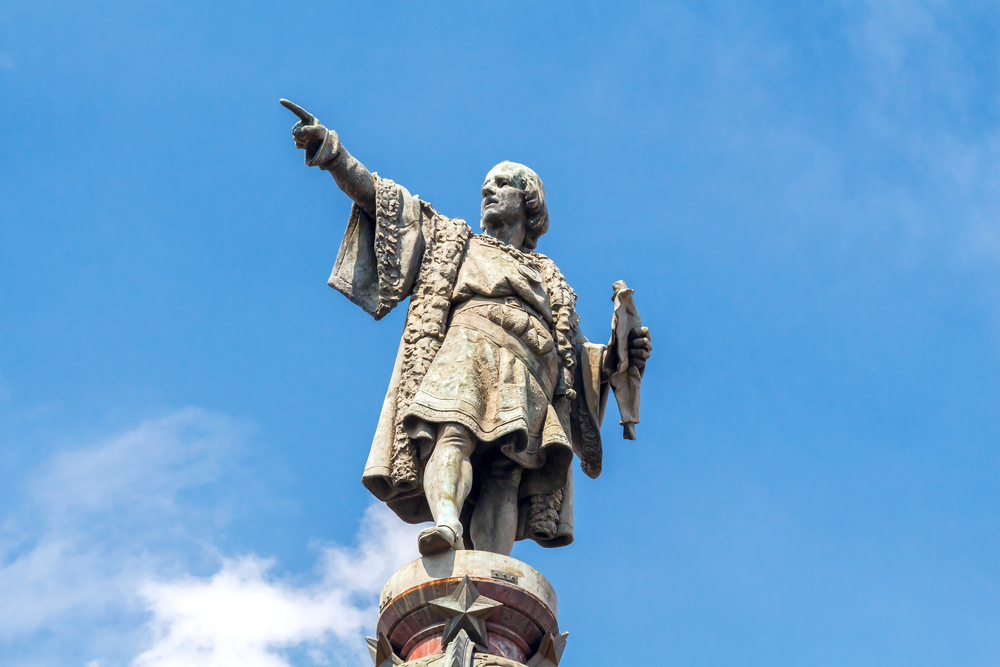
Monuments are built to stand the test of time, yet the stories they tell frequently shift with the tide of public opinion. A striking example of this dynamic recently unfolded in the nation’s capital, where a resurrected statue of Christopher Columbus found an unexpected new home.
Contents
show
Reconstructed from the broken fragments of a monument that was once shattered and submerged in a city harbor, the marble figure now stands on the highly guarded federal grounds just steps from the White House.
A Monument Finds a New Home
Over the weekend of March 22, 2026, a 13-foot, one-ton marble statue of Christopher Columbus was installed on the grounds of the Eisenhower Executive Office Building, located right next to the White House.
The monument carries a unique background. It is a replica of a statue originally dedicated by President Ronald Reagan in 1984. In July 2020, protesters in Baltimore toppled the original monument into the Inner Harbor. Sculptor Will Hemsley created the new version, specifically incorporating recovered pieces of the shattered marble pulled from the water.
For many Italian American communities, the statue is tied to their cultural background and history of immigration. Basil M. Russo, president of the Conference of Presidents of Major Italian American Organizations, explained that these monuments have long served as markers of pride for citizens of Italian descent. He stated, “For over a century, Columbus’s legacy helped Italian immigrants navigate prejudice and hardship, serving as a source of unity and belonging as they built new lives in this country.”
John Pica, president of the Italian American Organizations United, shared a similar view regarding the new location. He noted, “We are delighted the statue has found a place where it can peacefully shine and be protected.”
With its installation on federal property, the reconstructed monument now stands in a secure and highly visible area.
The White House’s Stance on American Monuments
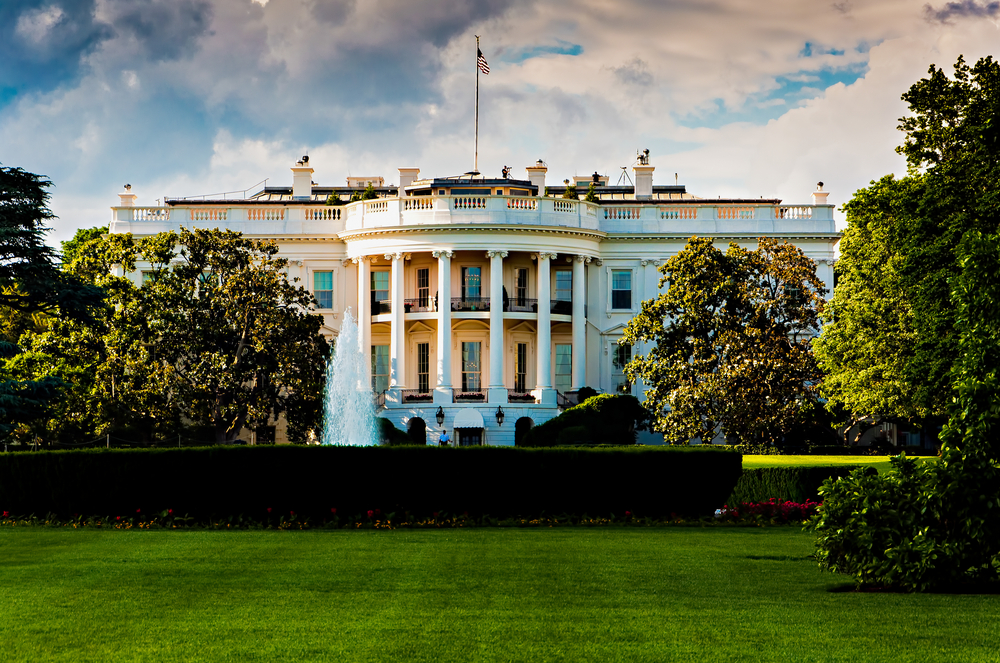
The recent installation aligns with the current administration’s broader initiative to restore and protect historical monuments across the country. For the White House, the reconstructed marble statue is more than just a piece of art; it represents a stand against the removal of traditional American symbols.
In a letter addressed to the Italian American organizations that loaned the monument, President Donald Trump expressed his gratitude and shared his perspective on the explorer. He described Columbus as “the original American hero and one of the most gallant and visionary men to ever walk the face of the Earth.” The president emphasized that placing the statue on federal grounds was a deliberate choice to preserve the nation’s collective memory.
This sentiment was echoed by the administration’s official channels. White House spokesman Davis Ingle released a public statement clarifying the executive branch’s position on the matter. “In this White House, Christopher Columbus is a hero,” Ingle stated, adding that the administration will ensure the explorer is “honored as such for generations to come.”
The move is part of a larger cultural campaign to push back against what the administration has characterized as an “anti-American” ideology. During his 2024 presidential campaign, Trump actively promised to revive celebrations of Columbus Day. He argued that removing statues and renaming holidays distorts history, at one point stating, “I am resurrecting Columbus Day from the ashes.”
By placing the rebuilt monument in such a prominent location in Washington, D.C., the federal government is making a highly visible statement about how it chooses to interpret and celebrate early American history.
A Legacy Under Scrutiny
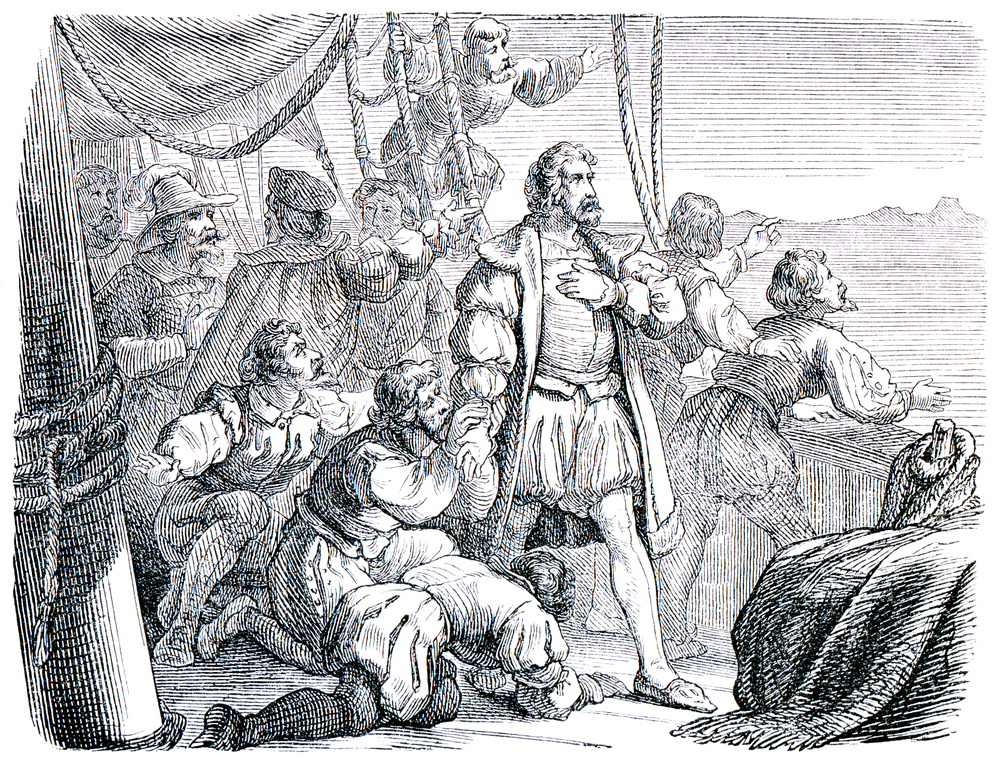
To fully understand the context of this new installation, it is helpful to look back at the events that led to the original monument’s destruction. In the summer of 2020, following the murder of George Floyd, a worldwide movement prompted communities to re-examine historical monuments and the colonial era.
During this period of intense social reflection, statues of Christopher Columbus became a major focal point for racial justice advocates. On July 4, 2020, demonstrators in Baltimore pulled down the original 1984 monument and rolled it into the Inner Harbor. For these advocates and many Indigenous communities, Columbus represents more than exploration; he is viewed as a figure deeply tied to the devastating impacts of European colonization.
Historical records and modern scholarship highlight that his arrival in the Americas brought profound suffering to Native populations, including the enslavement and severe mistreatment of the Indigenous Taíno people in the Caribbean. Critics point out that traditional, heroic portrayals of the explorer have long ignored or minimized these harsh realities.
This growing awareness has sparked a cultural shift across the United States. Over the past few years, several states and cities have chosen to observe Indigenous Peoples’ Day instead of, or alongside, Columbus Day. This shift, which received its first formal presidential recognition in 2021, aims to honor the history, resilience, and contributions of Native American communities.
The Relocation and Restoration
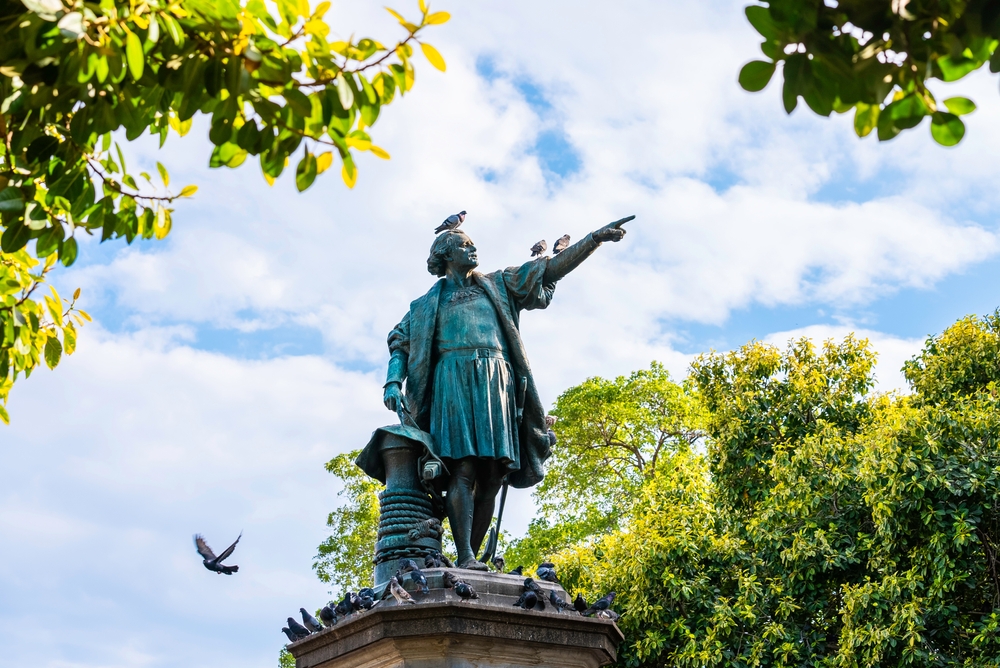
The 13-foot, one-ton marble and resin sculpture is not an entirely new creation. It was crafted by father and son artists Tilghman and Will Hemsley. Will Hemsley, a sculptor based on Maryland’s Eastern Shore, utilized the actual shattered marble fragments recovered from the depths of Baltimore’s Inner Harbor to build the new piece.
A panel affixed to the base of the completed sculpture clearly documents its turbulent history. It reads, “Destroyed July 4, 2020,” followed by, “Resurrected 2022.” This inscription firmly roots the artwork in the modern events that shaped its current form.
Legally, the statue remains the property of the Italian American Organizations United. The group voted unanimously to formally loan the artwork to the federal government. The final installation process took place in the early morning hours of Sunday, March 22. Wrapped in moving blankets and secured with chains, the heavy monument was carefully lowered into its new home just outside the Dwight D. Eisenhower Executive Office Building.
While the statue now stands near the Smithsonian’s Renwick Gallery, it is currently blocked from close public viewing by rows of security fencing. This placement ensures its protection while cementing its presence within the immediate vicinity of the nation’s executive center.
A Conversation Set in Stone
The arrival of the Columbus statue at the White House highlights how deeply citizens care about their history. Monuments are public markers of what people value, but as society grows to include different voices, disagreements are bound to happen. The contrast between those who see the statue as a symbol of cultural pride and those who view it as a painful reminder of colonization shows that history is rarely simple.
Finding common ground requires people to listen to differing viewpoints without immediately dismissing them. Acknowledging the discrimination early Italian immigrants faced does not erase the severe suffering of Indigenous populations. Both of these experiences are real and have shaped the country today. Recognizing this shared reality is a necessary step toward understanding how different groups experience the same historical events.
Instead of walking away from these debates, communities can use them as an opportunity to learn. Reading balanced historical accounts, visiting museums, and attending local council meetings are practical ways to get involved. History is a continuous discussion rather than a fixed story.