
Your cart is currently empty!
Climate Risk Scores Vanish from America’s Largest Real Estate Platform

Something disappeared from Zillow listings in November, and most homebuyers never noticed. One day, those numerical climate risk scores rating properties for flood, wildfire, wind, heat, and air quality threats were there. By the next, they had vanished without announcement or fanfare.
Contents
show
America’s largest real estate marketplace made the change quietly, replacing integrated risk data with simple outbound links to an external website. Behind that seemingly minor adjustment lies a battle over what buyers deserve to know before making the biggest purchase of their lives, and who gets to decide when information becomes too inconvenient to share.
When Risk Ratings Met Resistance
Zillow launched its climate risk feature in September 2024 with considerable optimism. Partnering with First Street, a climate data and risk modeling company, the platform began displaying scores on a scale of one to ten for approximately one million properties. Each rating reflected a home’s projected exposure to climate threats over the next 30 years, accompanied by interactive maps and insurance requirement information.
At launch, Zillow emphasized that more than 80 percent of buyers now consider climate risks when purchasing a home. First Street’s models drew on peer-reviewed science to assess current and future threats from wildfires, coastal and rainstorm flooding, high winds, extreme heat, and air quality. For buyers browsing listings, the information appeared directly on property pages, as accessible as square footage or school district ratings.
But within months, complaints began arriving. Real estate agents reported that scores appeared arbitrary and hurt their ability to close sales. Some homeowners protested that ratings didn’t match their lived experience. Most significantly, California Regional Multiple Listing Service, which operates one of the largest private databases of home listings in the country, began questioning the data’s accuracy.
California’s Database Giant Leads the Charge
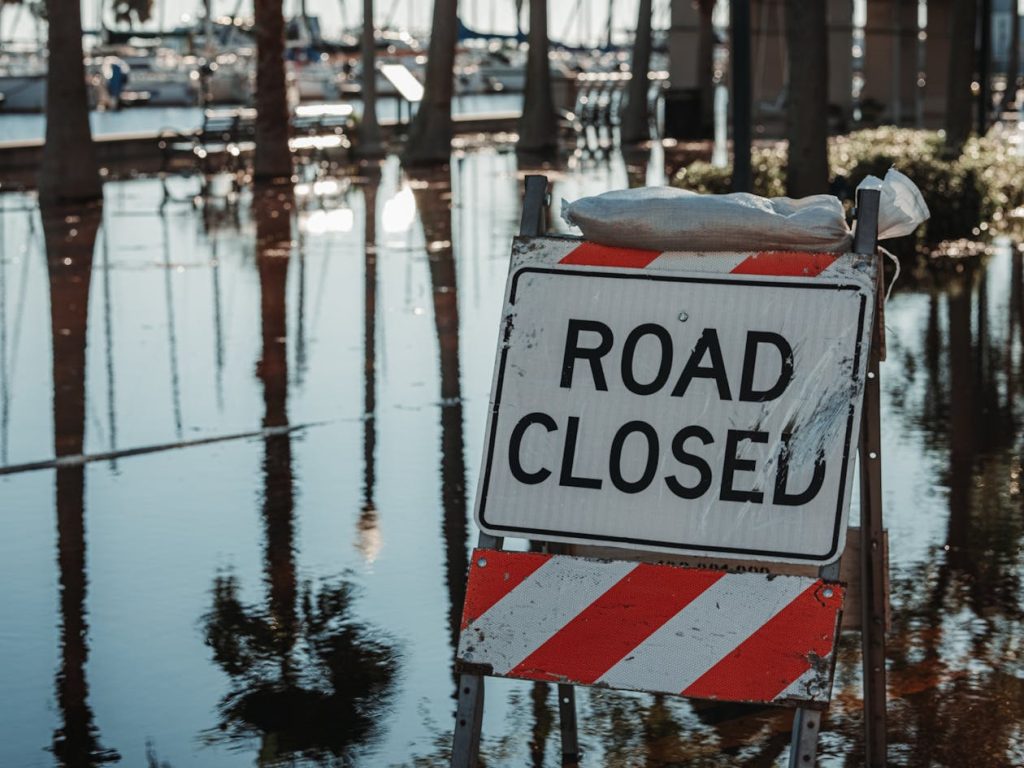
Art Carter, CEO of California Regional Multiple Listing Service, grew suspicious when he saw neighborhoods with high projected flooding probabilities in areas that hadn’t experienced flood activity for decades. His organization discovered listings predicting a 50 percent probability of flooding within a year and a 99 percent probability within five years for properties with 40 or 50 years of dry history.
Carter’s group wields considerable power in the real estate ecosystem. Zillow, Redfin, Realtor.com, and other platforms depend on MLS data to populate their listings. When the California Regional Multiple Listing Service questions a data source, listing sites pay attention. Carter contacted all major platforms, requesting they remove First Street’s predictive numbers and flood layer maps from their listings.
“The display of a probability of a specific home flooding this year, or in the next five years, can have a significant impact on the perceived desirability to purchase that property,” Carter said in a statement.
Zillow responded by removing the integrated climate scores nationwide, maintaining links to First Street’s external website but eliminating the prominent on-site display. A spokesperson explained that the company updated its climate risk product experience to adhere to varying MLS requirements and maintain a consistent experience for all consumers.
Sales Data Reveals Financial Impact
Numbers tell part of the story behind industry resistance. Zillow’s internal analysis of homes listed in June 2024 found that properties with high flood risk were significantly less likely to sell by March 2025 compared to those with low flood risk. Just 52 percent of high-risk homes sold during that period, while 71 percent of low-risk properties changed hands.
For an industry navigating one of its most challenging markets in decades, with limited inventory and affordability concerns squeezing transactions, that 19 percentage point gap represents substantial financial pressure. Every unsold property means lost commissions for agents, frustrated sellers, and stalled market activity.
Yet First Street founder and CEO Matthew Eby sees different forces at work. He argues that complaints emerged not when the data first appeared, but when market conditions deteriorated. “This push didn’t arise when housing markets were roaring and inventory was plentiful. It’s happening now, during one of the toughest real estate environments in decades,” Eby said. “Climate risk data didn’t suddenly become inconvenient. It became harder to ignore in a stressed market.”
Dueling Claims Over Model Accuracy

At the center of the controversy sits a fundamental question about whether First Street’s models can accurately assess climate risk at the individual property level. Both sides present compelling evidence for their positions.
First Street points to its performance during January’s devastating Los Angeles wildfires as validation. According to Eby, the company’s maps identified more than 90 percent of homes that ultimately burned in the Eaton Fire as being at severe or extreme risk for wildfire. By comparison, California’s own fire hazard maps placed just 21 percent of the same homes in a very high risk zone. Following the fires, California initiated changes to its mapping system.
Critics, however, offer their own examples of apparent model failures. Phillip Zarriello, a retired hydrologist with more than 40 years of experience at the U.S. Geological Survey, discovered his hilltop home carried a seven out of ten flood risk rating, what First Street describes as severe risk. “My house that I still own was rated a seven out of ten risk. I’ve been here twenty five years and never even had something that came close to a flood risk,” Zarriello explained.
After applying established hydrological methods, Zarriello calculated that his home had no flood risk, consistent with his quarter-century of living there. His concerns extend beyond personal inconvenience. Inaccurate risk flagging, whether overestimating or underestimating threats, could undermine public trust in legitimate climate science.
Transparency Gap in Private Risk Models
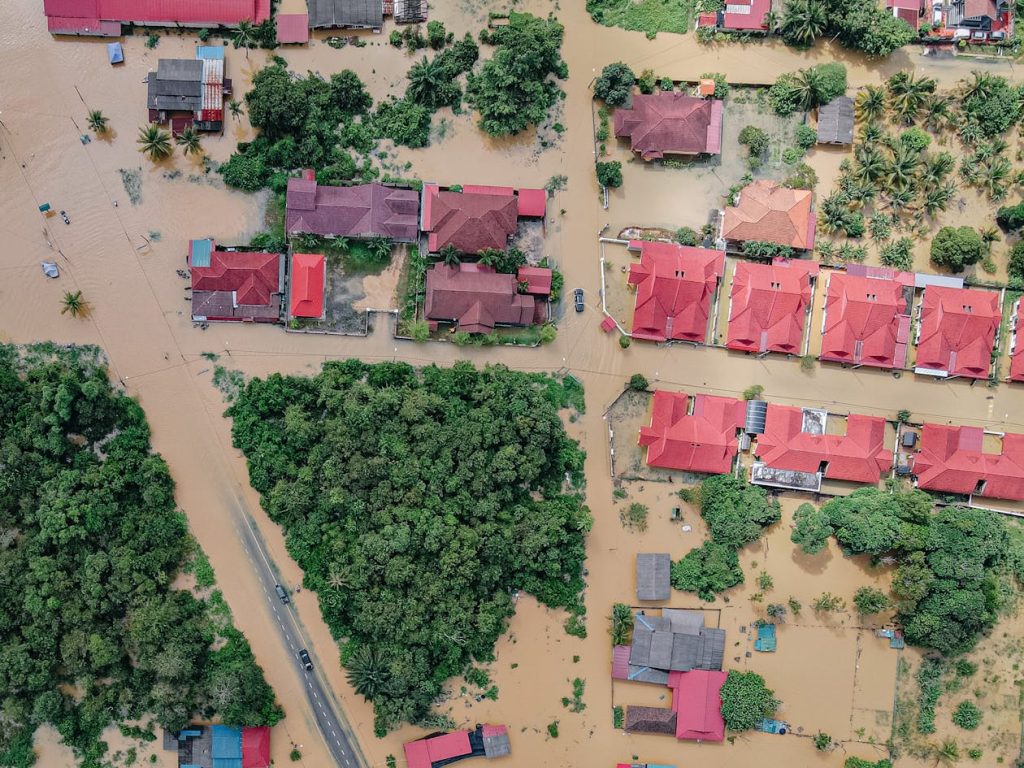
Evaluating competing accuracy claims proves difficult because First Street, like other climate risk modeling companies, operates as a private business. While Eby maintains that models are built on transparent, peer-reviewed science, the company’s business model depends on selling proprietary data to banks, corporations, asset managers, and real estate companies. Protecting that commercial value requires keeping detailed model mechanics confidential.
Oriana Chegwidden, a research scientist at nonprofit CarbonPlan, conducted a 2024 study examining variations in property level risk modeling. Her research found wide ranging differences between models when assessing individual properties. Perhaps more telling, many companies refused to participate in the study. Of nine firms contacted, only two agreed to open their models for inspection. First Street declined to participate.
Global climate models predicting large scale changes have proven largely consistent and accurate over time. But translating that macro level science into micro level predictions for specific addresses introduces layers of complexity and uncertainty. Without access to the underlying model architecture and assumptions, independent verification becomes nearly impossible.
Jesse Keenan, an author and expert in climate risk management at Tulane University, noted that many scientists and economists argue that proprietary risk models providing uncertain assessments can perversely undermine public confidence in climate science. Growing bipartisan recognition suggests the government should play a more active role in supporting and standardizing property risk assessment, though scientific capacity for property by property evaluation remains limited.
What Other Platforms Face Now
Zillow’s removal of integrated climate scores creates pressure on competitors to follow suit. California Regional Multiple Listing Service contacted Redfin, Realtor.com, and Homes.com with similar requests to remove First Street data.
Each platform has adopted different approaches. Redfin announced it will continue providing estimates for fire, flood, and storm risks, while acknowledging that no model is perfect. If sellers believe information is inaccurate for their listing, they can request removal by contacting customer service. Realtor.com stated it is working with the California Regional Multiple Listing Service and data providers to investigate surfaced issues. Homes.com has not publicly disclosed its plans.
Market dynamics may ultimately determine how platforms respond. Sites compete for both buyers and sellers, and each group has different interests regarding climate data visibility. Buyers generally want more information to inform decisions, while sellers may prefer less visible risk indicators that could depress sale prospects or prices.
Insurance and Long Term Costs Enter the Equation

Eby argues that removing climate risk information shifts discovery from pre-purchase decisions to post purchase liabilities. “The risk doesn’t go away; it just moves from a pre purchase decision into a post purchase liability. Families discover after a flood that they should have purchased flood insurance, or discover after the sale that wildfire insurance is unaffordable or unavailable in their area,” he explained.
Insurance availability has emerged as one of the most tangible manifestations of climate risk in real estate. Home insurance required for mortgage approval is becoming scarcer and more expensive across much of the country. Last year, climate disasters caused $182 billion in damages, one of the highest figures on record. Insurers have raised premiums dramatically or fled high risk states entirely, with California and Florida experiencing particularly acute crises.
Meanwhile, demographic patterns move in the opposite direction. More Americans relocate to Florida, the Southwest, and other regions, facing increased exposure to hurricanes, wildfires, and extreme heat. Buyers drawn by affordability, weather, or lifestyle often discover only after purchase that insurance costs dwarf their projections or that coverage is simply unavailable at any price.
Federal flood maps from FEMA provide some risk information, but critics note these maps are limited in scope and often outdated. Private companies like First Street filled the gap with more detailed assessments, but their proprietary nature raises questions about accountability and verification.
Real Estate Industry Defends Position
Industry representatives push back against suggestions that they are attempting to hide climate risks from buyers. Keenan noted that brokerage firms recognize they cannot stop climate risk information transmission because climate impacts are already felt widely throughout the sector. He does not believe the removal reflects an industry effort to conceal risks.
Instead, industry advocates frame the issue as one of data quality and standardization. Carter’s complaints about inaccurate flood predictions reflect genuine concerns that flawed data could harm both buyers and sellers. A buyer scared away from a safe property by inflated risk scores experiences harm, as does a buyer who purchases a genuinely risky property that models failed to flag.
Brett Sanders, a UC Irvine chancellor’s professor of civil and environmental engineering, sees the current tensions as part of a longer adjustment period as property owners confront climate risks and associated costs. “I think we’re gonna be going through at least a decade or more of these ebbs and flows of how we manage the problem,” Sanders said.
Where Climate Disclosure Heads Next
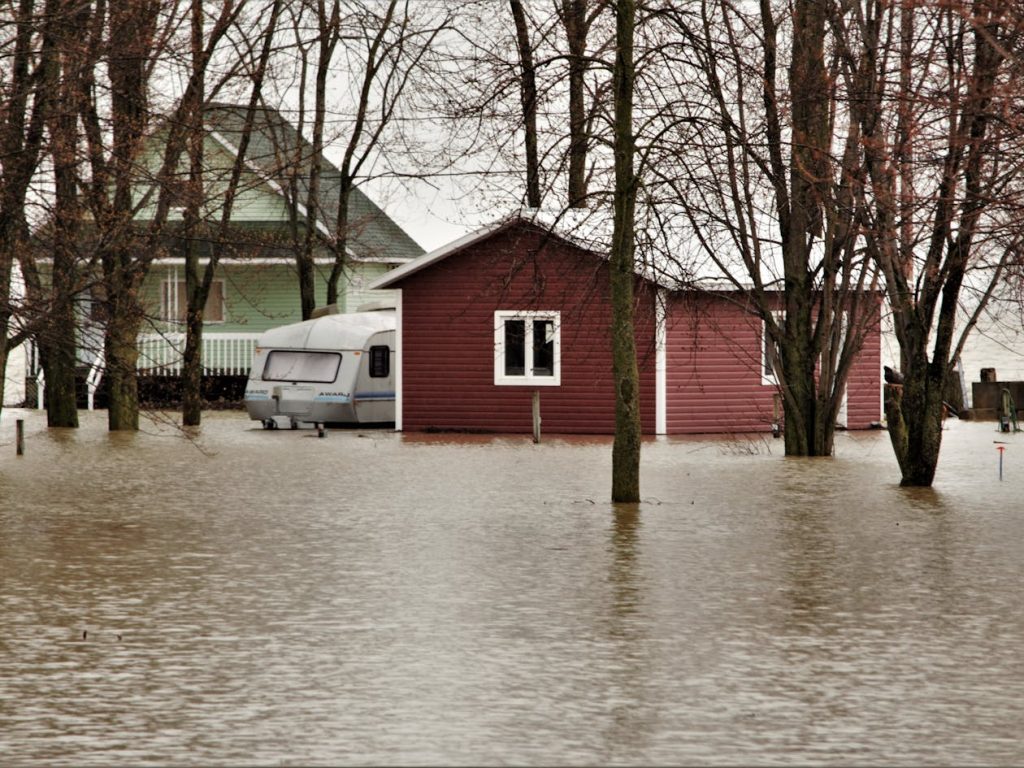
Resolution may require government intervention. Keenan points to growing bipartisan recognition that standardized, government-supported risk assessment could address concerns about proprietary model accuracy while ensuring buyers access reliable information. Whether political will exists to fund and implement such a system remains uncertain.
For now, homebuyers face a fragmented information environment. Some platforms maintain visible climate risk scores. Others provide only external links to data sources. Still others may remove information entirely. Buyers motivated to research climate risks can find information, but it requires more effort and initiative than when data appeared automatically on listing pages.
Eby maintains that access to accurate risk information before purchase is essential to protecting consumers and preventing lifelong financial consequences. Critics counter that inaccurate risk information may cause more harm than good. Both positions carry weight, leaving the market to navigate competing priorities without a clear resolution.
As climate impacts intensify and insurance markets contract, pressure will mount for clearer standards around risk disclosure. Whether that pressure produces better data, stronger regulation, or simply more conflict between industry interests and buyer protection remains an open question in a stressed real estate market adapting to an uncertain climate future.