
Your cart is currently empty!
New Research Shows Cocaine Contamination Causes Wild Salmon to Swim Greater Distances
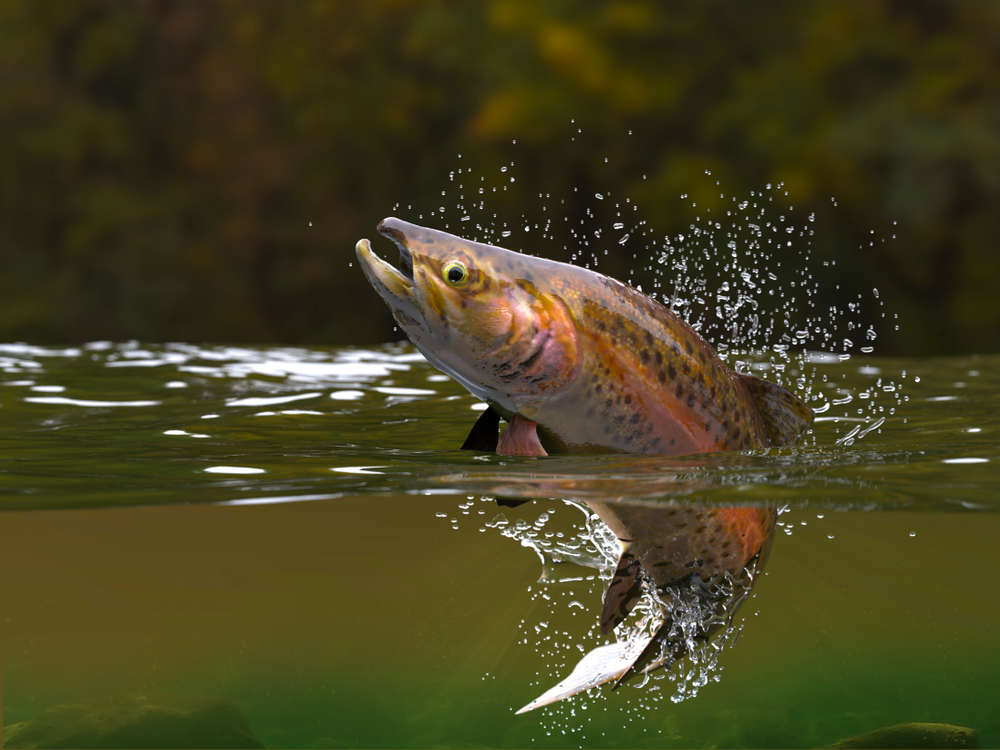
Beneath the surface of a quiet lake, young Atlantic salmon normally rest and gather strength for their long migration to the sea. Recently, however, a startling transformation has disrupted this natural cycle. These fish are suddenly behaving erratically, swimming for miles without rest, driven by an unnatural and dangerous burst of energy.
Contents
show
While it sounds like a bizarre science fiction story, this exact scenario is currently unfolding in wild aquatic habitats. The cause is not a sudden shift in the climate, a lack of food, or a new natural predator. Instead, it is a shocking human pollutant that most people would never expect to find freely floating in nature. Recent scientific tracking has uncovered a hidden connection between urban sewer systems and the survival of aquatic life, revealing a layer of water contamination that goes far beyond everyday plastic waste and agricultural runoff.
Hooked on Our Waste
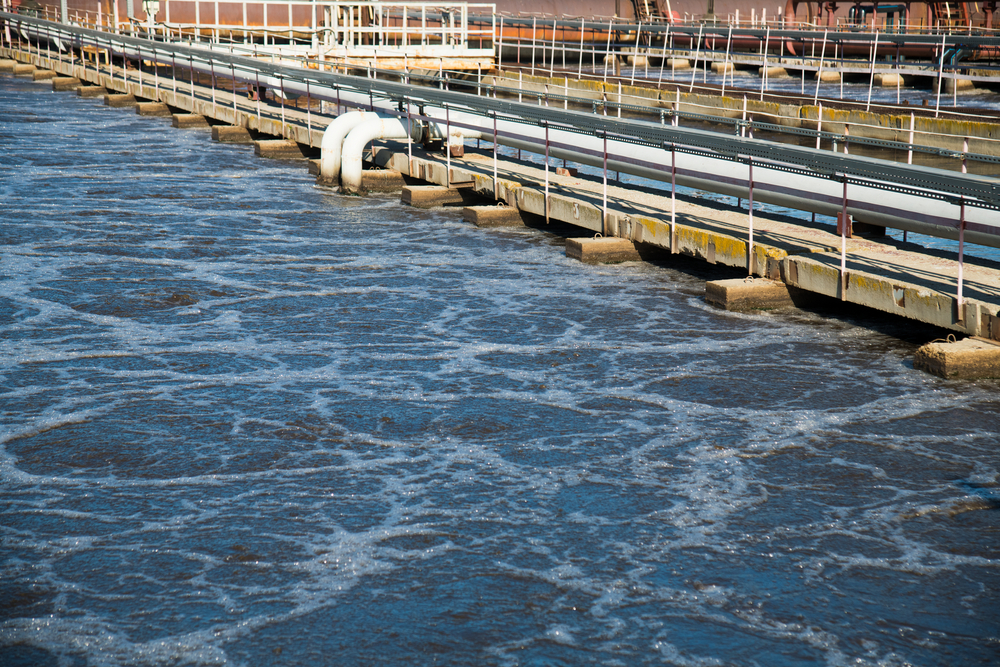
When people think of water pollution, they usually picture plastic waste or oil spills. But another type of waste is quietly making its way into lakes and rivers: illegal drugs. A recent study in the journal Current Biology looked at how cocaine and its main byproduct, benzoylecgonine, affect wild Atlantic salmon. Researchers from Griffith University and the Swedish University of Agricultural Sciences set up an experiment to see exactly what happens when fish live in water tainted by human drug use.
The team studied 105 young Atlantic salmon in Sweden’s Lake Vättern. They divided the fish into three groups. One group was exposed to a small amount of cocaine, another to benzoylecgonine, and a third group stayed in clean water. The amounts of these substances perfectly matched the actual levels found in polluted waterways today. Using underwater tracking tags, the scientists followed the fish for eight weeks.
The results showed a major change in how the fish moved. Salmon exposed to benzoylecgonine swam almost twice as far each week compared to the fish in clean water. By the end of the study, the exposed fish had traveled up to 12.3 kilometers further across the lake. This kind of extra movement shows that the chemicals people flush away can seriously change the daily lives of wild animals.
Ecotoxicologist Dr. Marcus Michelangeli, a co-author of the study, pointed out that wild animals are already exposed to human medications every day. He explained that the most surprising part of the study is not the experiment itself, but the fact that these drug levels are already present in nature right now.
Why Swimming Farther Spells Disaster for a Young Salmon
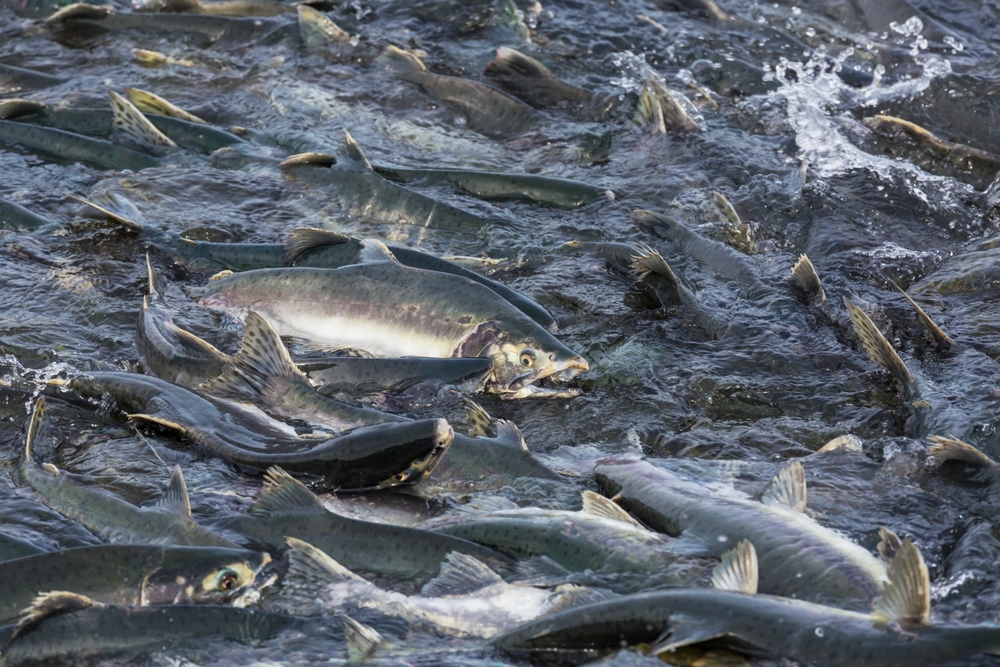
Hearing that a young salmon can swim further might sound like an advantage. However, in the wild, burning excess energy at the wrong time is a serious risk. Young Atlantic salmon follow strict seasonal rhythms and must carefully build up their strength. They need to save their fat reserves for the grueling migration to the ocean. When chemical pollutants force them into a state of hyperactivity, they risk exhausting themselves before that journey even begins.
This unusual behavior brings another immediate threat: predators. Fish rely on stealth and stillness to stay safe. Rapid, restless swimming quickly catches the attention of hungry birds and larger fish. A young salmon darting across a lake is much easier to spot than one resting quietly in the shadows. Instead of hiding in safe zones, the affected salmon expose themselves to danger.
The biology behind this reaction relates directly to the brain. Cocaine targets dopamine pathways in fish just as it does in humans. This interaction disrupts normal brain signals, leading to artificial bursts of movement. The research team emphasized that these behavioral changes are far from harmless. By disrupting natural movement patterns, these invisible pollutants place the long-term survival of the young fish at serious risk.
How Human Waste Bypasses Filtration

Understanding how an illicit drug reaches an isolated lake requires looking at city infrastructure. When a person consumes cocaine, their liver processes the chemical and transforms it into a byproduct called benzoylecgonine. This chemical exits the human body through urine and is flushed down the toilet. From there, it travels through the municipal sewer system alongside everyday waste.
People often assume that wastewater treatment plants purify water entirely before releasing it back into nature. However, these facilities were originally built to remove solid waste, harmful bacteria, and basic nutrients. They are not equipped to filter out complex pharmaceutical compounds, microplastics, or illegal drugs. As a result, water carrying traces of benzoylecgonine simply slips through the treatment process undetected.
Once the treated water is discharged into nearby rivers or lakes, the chemical mix becomes part of the natural aquatic environment. This creates an ongoing cycle of contamination. Heavy rainstorms can worsen the problem by overflowing sewage systems, dumping entirely untreated water directly into the habitats of wild fish.
This issue extends far beyond just one specific drug. Scientists regularly find traces of antidepressants, blood pressure medications, and caffeine in natural waterways. The presence of benzoylecgonine serves as a clear indicator of how closely human urban life is connected to fragile ecosystems. Whatever gets washed down the drain eventually finds its way into the local wildlife.
How Cocaine Ends Up in Lakes
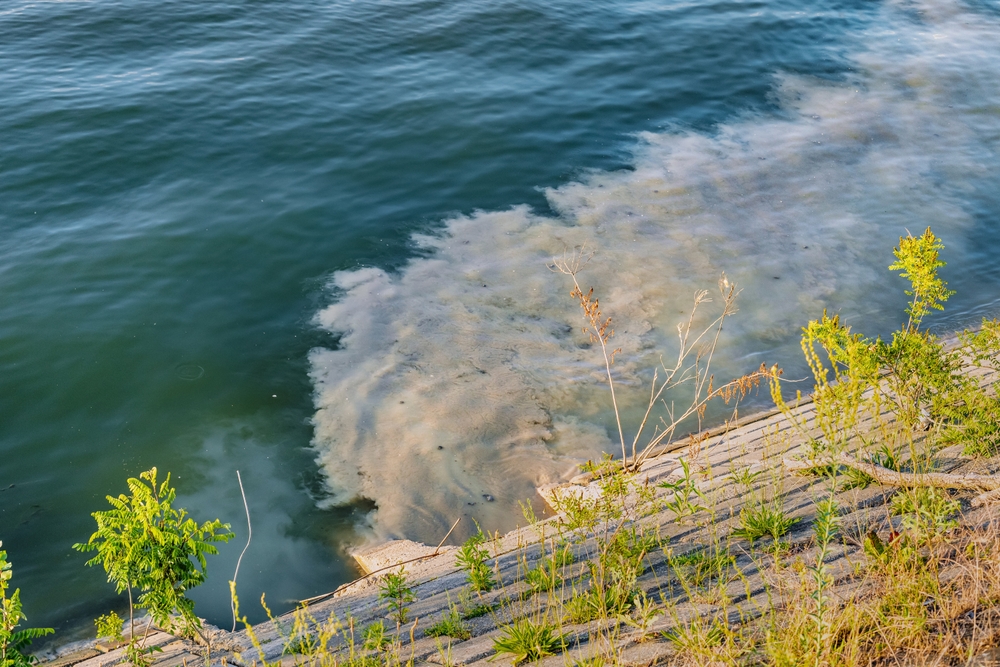
Understanding how an illicit drug reaches an isolated lake requires looking at city infrastructure. When a person consumes cocaine, their liver processes the chemical and transforms it into a byproduct called benzoylecgonine. This chemical exits the human body through urine and is flushed down the toilet. From there, it travels through the municipal sewer system alongside everyday waste.
People often assume that wastewater treatment plants purify water entirely before releasing it back into nature. However, these facilities were originally built to remove solid waste, harmful bacteria, and basic nutrients. They are not equipped to filter out complex pharmaceutical compounds, microplastics, or illegal drugs. As a result, water carrying traces of benzoylecgonine simply slips through the treatment process undetected.
Once the treated water is discharged into nearby rivers or lakes, the chemical mix becomes part of the natural aquatic environment. This creates an ongoing cycle of contamination. Heavy rainstorms can worsen the problem by overflowing sewage systems, dumping entirely untreated water directly into the habitats of wild fish.
This issue extends far beyond just one specific drug. Scientists regularly find traces of antidepressants, blood pressure medications, and caffeine in natural waterways. The presence of benzoylecgonine serves as a clear indicator of how closely human urban life is connected to fragile ecosystems. Whatever gets washed down the drain eventually finds its way into the local wildlife.
The Threat to Future Fish Populations
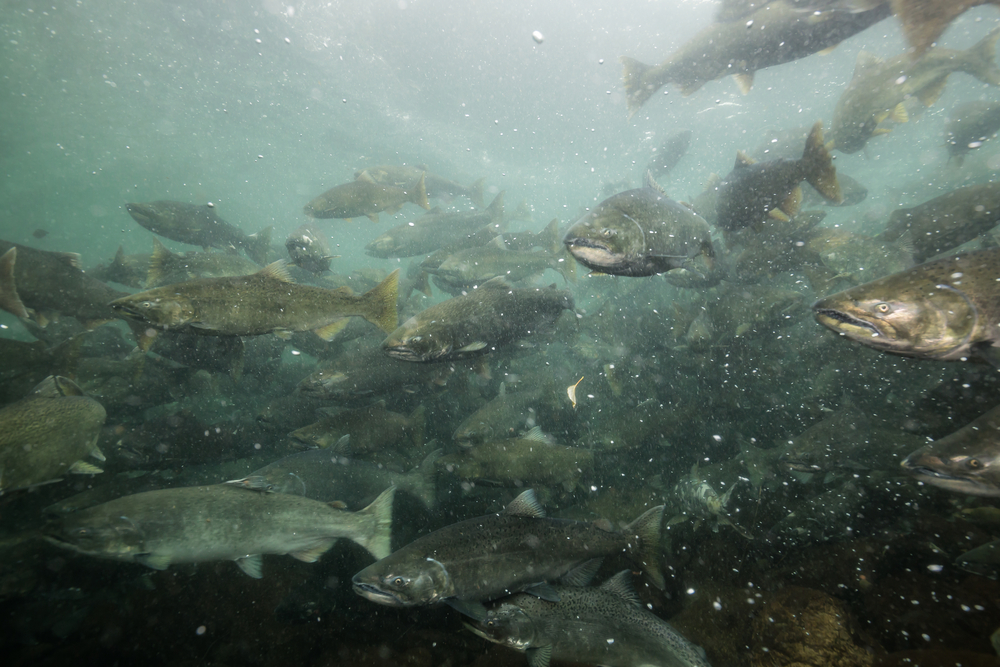
Atlantic salmon play a vital role in their natural environment. Their survival directly impacts the overall health of the ecosystem. When chemical pollutants alter the behavior of young fish, the consequences stretch far beyond a single season.
These juvenile salmon are preparing for a massive life transition. They must eventually leave their freshwater lakes and migrate out to the ocean. This journey requires exact timing and peak physical condition. Because drug exposure causes the young fish to waste crucial energy and become easy targets for predators, fewer of them will survive to reach the sea. In their published findings, the research team warned that these behavioral changes are highly likely to have negative consequences for the survival of the species. A drop in the number of migrating fish means fewer adults will return to breed in the future, which can slowly collapse the local population.
This unnatural situation also affects other animals. When a predator, such as an eagle or a larger fish, catches a chemically exposed salmon, that predator may also ingest traces of the pollutants. This allows human-derived chemicals to travel up the food chain, creating unknown health risks for larger wildlife.
Experts stress that looking only at the immediate hyperactive behavior misses the bigger picture. The health of a lake relies on a delicate biological balance. When a human-made chemical lowers the survival rate of an important species like the Atlantic salmon, it creates a harmful ripple effect. Protecting these fragile waters is not just about helping one specific fish. It is about maintaining the balance of the entire natural habitat.
Taking Action to Protect Aquatic Life
The challenges facing aquatic ecosystems might seem overwhelming, but recognizing the problem is the first step toward a solution. Modernizing city infrastructure is crucial for the future. Upgrading wastewater treatment plants with advanced filtration technology can help remove complex chemicals and pharmaceuticals before they reach natural habitats. While these large scale improvements require time and significant investment, they are absolutely necessary steps to protect vulnerable wildlife from human pollution.
On an individual level, everyday choices make a meaningful difference. The easiest way to prevent chemical contamination is to carefully manage what goes down the drain. Old or unused medications should never be flushed or poured into the sink. Instead, communities offer safe pharmaceutical take back programs specifically designed to dispose of these substances responsibly. By safely discarding medications, people directly prevent harmful compounds from seeping into local rivers and lakes.
The health of natural waterways reflects the habits of the communities living around them. The bizarre changes seen in young salmon serve as an urgent warning about the invisible footprints left behind by modern society. Preserving the delicate balance of nature requires a shared commitment to cleaner water and responsible waste management. Ensuring that wild spaces remain safe for animals like the Atlantic salmon guarantees a healthier environment for generations to come.
Source:
- Brand, J. A., Palm, D., Cerveny, D., Michelangeli, M., Bose, A. P. H., McCallum, E. S., Hellström, G., Fick, J., Brooks, B. W., Brodin, T., & Bertram, M. G. (2026). Cocaine pollution alters the movement and space use of Atlantic salmon (Salmo salar) in a large natural lake. Current Biology, 36(8), 2018-2027.e4. https://doi.org/10.1016/j.cub.2026.03.026