

Parents whose newborns are fighting for their lives in intensive care can face an agonizing choice: remain beside their baby or return to work before they are ready. For many families, the decision comes down to whether they can afford to lose their income or exhaust their limited parental leave while their child remains hospitalized.
Now, a bipartisan group of US lawmakers is pushing to change the situation nationwide. Following Colorado’s introduction of dedicated paid neonatal intensive care unit (NICU) leave, a new federal bill could give eligible working parents up to 12 additional weeks of job-protected leave, although the proposed benefit would remain unpaid.
Colorado Has Changed The Rules For Parents With Babies In Intensive Care
Colorado became the first state in the country to introduce dedicated paid leave for parents whose newborns require treatment in a neonatal intensive care unit. The benefit became available on January 1, 2026, following legislation signed by Governor Jared Polis in 2025.
The change came through Senate Bill 25-144, which expanded Colorado’s existing Family and Medical Leave Insurance (FAMLI) program. Under the new provision, eligible parents can receive up to 12 additional weeks of paid leave while their newborn remains hospitalized in a NICU.
Previously, parents could receive up to 12 weeks of paid leave under the state’s existing family leave program. However, a lengthy hospital stay could consume much of that time before a newborn was healthy enough to return home, leaving families with little opportunity to recover and bond afterward.
The new provision separates these two important periods. Parents can use neonatal care leave during the hospitalization and preserve their regular bonding leave for when their child is discharged.
How Colorado’s 24-Week Benefit Works

The expanded program allows eligible parents to combine different categories of leave, potentially receiving up to 24 weeks of paid time away from work. Parents experiencing qualifying serious health complications related to pregnancy or childbirth may also qualify for another four weeks.
The benefits are structured around the following provisions:
- NICU leave: Up to 12 weeks of paid leave while the newborn receives inpatient treatment in a neonatal intensive care unit.
- Bonding leave: Up to 12 additional weeks of paid leave after the child leaves the NICU.
- Medical complications: Another four weeks may be available to eligible parents experiencing serious health conditions related to pregnancy or childbirth.
The program covers biological, adoptive, foster and stepparents, as well as individuals acting in a parental capacity. Eligibility and benefit payments remain subject to the state’s FAMLI program requirements.
Governor Polis said, “Having a newborn in the NICU is incredibly challenging, and during this time parents should not have to think about whether they can take the time off of work to care for their little one.”
A New Federal Bill Could Extend NICU Leave Nationwide
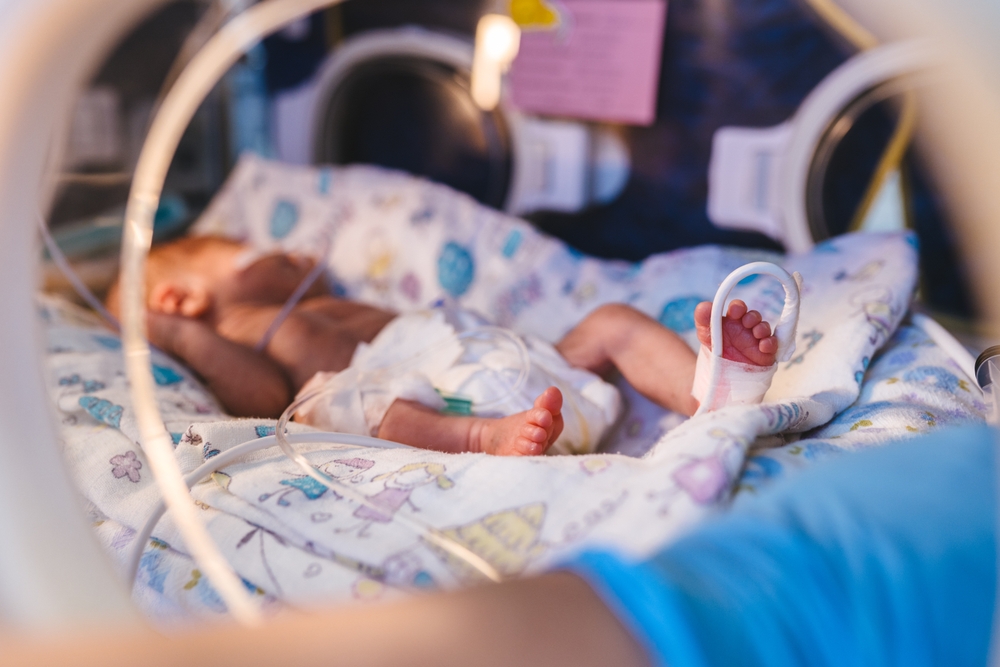
Colorado’s policy has also helped bring attention to the absence of dedicated neonatal care protections under federal employment law. Representative Brittany Pettersen, a Colorado Democrat, has introduced legislation that would extend additional leave protections to eligible employees across the country.
The Stand By NICU Babies and Families Act, introduced on November 12, 2026, would amend the Family and Medical Leave Act of 1993. It would provide up to 12 additional weeks of job-protected leave for eligible employees whose newborns require inpatient NICU care.
Pettersen introduced the legislation alongside Republican Representatives Ryan Mackenzie and Mike Lawler, and Democratic Representative Morgan McGarvey. The bipartisan sponsorship reflects an effort to build support around a specific family-care issue that lawmakers from different political backgrounds have encountered.
The proposed benefit would be separate from the existing 12 weeks of FMLA leave available for qualifying family and medical reasons. This could allow eligible employees to take up to 24 weeks of job-protected leave when their newborn requires intensive care and they subsequently need time to bond with their child.
However, there is an important distinction between the federal proposal and Colorado’s program. The federal legislation would provide unpaid leave, meaning employees could receive job protection without necessarily receiving replacement income during their absence.
That limitation could make a substantial difference for families already facing hospital expenses and other financial pressures.
The Current FMLA System Leaves Many Working Parents Exposed

The Family and Medical Leave Act provides eligible employees with up to 12 weeks of unpaid, job-protected leave for qualifying family and medical circumstances. Introduced in 1993, the law established federal protections for workers who need time away from their jobs for certain personal and family responsibilities.
However, the law does not guarantee paid parental leave. Employees who qualify can generally return to their positions after taking protected leave, but they may receive no regular wages during that period.
There are also eligibility restrictions. For most private-sector employees, the FMLA applies when their employer has at least 50 employees within 75 miles, and the employee has worked for that employer for at least 12 months and completed 1,250 hours of service during the previous year.
Consequently, many workers fall outside the law’s protections. Others technically qualify for leave but cannot afford to take the full amount because their household depends on their regular paycheck.
The proposed NICU legislation would address one specific gap by creating an additional category of protected leave. It would not establish a nationwide paid family leave program or remove the existing eligibility requirements.
For parents who already qualify, however, the additional protection could provide more time to remain with their newborn without having to immediately return to their jobs.
Parents Have Been Forced To Make Impossible Choices

The political push has grown partly because of families who have experienced the financial and emotional pressure of having a newborn in intensive care. Their accounts reveal how existing workplace arrangements can leave parents struggling to balance employment with the demands of a medical emergency.
An Associated Press report documented several families whose experiences helped bring attention to the issue. One involved Marlon White and his wife, Farra Lanzer-White, from Fort Collins, Colorado.
Their daughter Olivia was born at 29 weeks, weighing approximately two pounds. After the delivery, she was rushed into intensive care while doctors worked to stabilize her and her mother.
Marlon, who worked as a welder, returned to work the following day. His wife also resumed working two days later, setting up a workstation at the Denver hospital while their daughter remained hospitalized.
For two months, Farra managed work responsibilities while dealing with the uncertainty surrounding Olivia’s condition. She was also preparing for open-heart surgery after doctors discovered a medical condition during her difficult pregnancy.
The couple faced a decision familiar to many NICU families: continue working to preserve their parental leave for when their baby finally came home. Their experience became part of a wider movement calling for dedicated leave protections.
The Financial Pressure Can Follow Parents Home

Another family featured in the AP report was Rebeca Herrera-Moreno and her husband, Martin Moreno. Their son Nico was born prematurely at 32 weeks in 2020 and spent time receiving intensive medical care.
Martin was entitled to six weeks of paid parental leave under California law at the time. However, the couple decided to save that time until their son could leave the hospital, which happened three weeks later.
The experience affected both parents in ways they did not fully understand at the time. Martin later explained that he felt unprepared to care for Nico when the family returned home, while his wife had been dealing with emotional difficulties during their son’s hospitalization.
He told the AP, “I wish I would have had more preparation with the medical staff to really feel like I had everything set.”
His experience illustrates another difficulty surrounding extended NICU stays. Parents may spend weeks visiting hospitals and managing work responsibilities, only to find themselves adjusting to their newborn’s medical needs after discharge with limited leave remaining.
Personal Experiences Have Played A Major Role In Colorado’s Law
Colorado’s neonatal leave expansion was shaped by lawmakers and advocates who had experienced the difficulties associated with premature births and intensive medical care.
State Senator Jeff Bridges was among the sponsors of the legislation. His son Kit was born approximately two months prematurely and weighed around two pounds, leaving the family facing the uncertainty of an extended hospital stay.
Bridges witnessed other parents struggling as their available leave ran out before their babies were ready to leave intensive care. His experience helped motivate the effort to create a separate category of paid leave.
Representative Yara Zokaie also shared her experience of having a newborn in intensive care. She previously described returning to work because she needed to ensure her family could pay its rent during that difficult period.
Her account demonstrated how even people working in public service can face the same financial pressures as other parents when existing employment benefits fall short.
Colorado’s legislation also received support from Senator Faith Winter, who had been a NICU baby herself. These experiences helped lawmakers identify a gap in the state’s existing leave system and develop a proposal addressing the needs of families facing prolonged hospital stays.
The federal proposal now follows a similar approach by placing neonatal care leave within the existing employment protection framework.

Illinois Has Also Introduced NICU Leave Protections
Colorado is not the only state to introduce legislation specifically addressing parents with newborns in intensive care. Illinois has also established a dedicated neonatal leave provision, although its approach differs considerably from Colorado’s paid program.
The Illinois Family Neonatal Intensive Care Leave Act took effect on June 1, 2026. It provides eligible employees with unpaid leave when their newborn requires inpatient treatment in a neonatal intensive care unit.
The amount of leave depends on the size of the employer. Employers with 16 to 50 employees must provide up to 10 days, while employers with more than 50 employees must provide up to 20 days.
The legislation does not require smaller employers with fewer than 16 employees to provide this specific leave benefit. Eligible employees can also receive the protection in addition to applicable FMLA leave.
Illinois State Representative Laura Faver Dias introduced the legislation after experiencing the challenges of having premature twins who spent three months in intensive care.
Republican State Representative Nicole La Ha also supported the proposal. Her daughter had spent 45 days in the NICU after being born prematurely.
La Ha told the AP, “Unless you have had this experience, you can’t fully understand why something like this is so meaningful.”
The legislation received substantial bipartisan support in Illinois, offering a different political example from Colorado, where the paid leave expansion passed largely along party lines.
The Difference Between Paid And Unpaid Leave Remains A Major Issue

Although Colorado and Illinois have both established dedicated NICU leave protections, their approaches demonstrate the financial questions surrounding family leave legislation.
Colorado incorporated its new benefit into an existing insurance-based program. This allowed the state to provide eligible employees with wage replacement while their newborn received intensive medical treatment.
Illinois introduced a shorter unpaid leave requirement without establishing a comparable statewide paid benefit through its NICU legislation. The federal proposal would also rely on unpaid job-protected leave through the FMLA.
For parents living paycheck to paycheck, the difference can be significant. Having permission to stay away from work does not necessarily mean a family can afford the resulting loss of income.
The United States currently has no federal law requiring employers to provide paid family or parental leave. State programs and employer-specific benefits therefore remain important sources of financial support for eligible workers.
Some companies have introduced their own dedicated NICU leave policies. Morgan Stanley, Pinterest and organic baby formula company Bobbie are among the businesses identified in reporting on employers that have adopted additional support for NICU families.
Walmart is also scheduled to introduce up to 12 additional weeks of NICU leave for full-time employees beginning November 24, 2026, according to the AP report.
These policies offer examples of how individual employers can address the problem. However, company benefits vary and do not establish a consistent nationwide employment protection.
The Federal Bill Faces An Uncertain Path Through Congress

Despite bipartisan sponsorship, the Stand By NICU Babies and Families Act has several legislative hurdles ahead. Its introduction marks the beginning of the congressional process rather than confirmation that the proposed protections will become law.
The bill was referred to the House Committee on Education and Workforce, with additional referrals to other committees for consideration of provisions within their jurisdiction. It must advance through the legislative process before it can become law.
The political circumstances surrounding the proposal also present challenges. According to the AP, Republican Representatives Ryan Mackenzie and Mike Lawler, two of the original bipartisan sponsors, lost their reelection bids in the 2026 midterm elections.
That means the proposal’s supporters will need to build and maintain congressional support as the next Congress takes office in January 2027.
There are also broader disagreements surrounding federal paid family leave. While Democrats and Republicans have supported different family-care proposals, the cost and structure of paid leave have remained subjects of political debate.
The unpaid nature of the federal proposal could influence discussions because it would expand job protection without creating a new federal paid leave benefit. Whether that approach attracts enough support to advance remains uncertain.
For Pettersen and the other supporters, the immediate objective is to establish additional protection for parents whose newborns require intensive care.
A National Debate About Family Leave Is Taking Shape
The introduction of dedicated NICU leave in Colorado and Illinois has brought attention to a gap that families have faced for decades. The federal proposal now places the issue before Congress, where lawmakers will have to consider how additional protections could fit into existing employment law.
There is also growing attention to the role parents play during a newborn’s intensive care. According to Dr. Karen Puopolo, a newborn medicine specialist quoted by the AP, parental presence offers multiple advantages for babies and their families. Skin-to-skin contact can help regulate an infant’s heartbeat and breathing while supporting milk production.
Colorado’s experience has also demonstrated that a dedicated leave category can attract substantial demand. Tracy Marshall, director of the state’s FAMLI Division, told the AP that nearly 800 people had applied for neonatal care leave since the program took effect in January 2026.
For families, the practical difference is having time to remain involved during a period when their newborn may need continuous medical attention. For lawmakers, the challenge is creating protections that workers can actually use, particularly when losing income is not financially possible.
The proposed federal legislation would give eligible parents another 12 weeks of job-protected leave, but its unpaid structure leaves a significant question unresolved. Until Congress addresses that financial gap, a parent’s ability to stay beside a newborn in intensive care will continue to depend heavily on where they live, their employment eligibility and the benefits their employer provides.