

Imagine spending months preparing for your baby’s arrival, only to find yourself watching doctors rush your newborn into intensive care. While other parents are celebrating their first days at home, you’re learning medical terminology, waiting for updates and wondering whether your child will be strong enough to leave the hospital. For many families, the experience brings an unexpected financial crisis alongside the emotional strain, as parents are forced to decide between staying beside their newborn and returning to work.
Colorado has introduced a major change that could make those difficult weeks easier for eligible families. The state’s new neonatal care leave benefit gives qualifying parents up to 12 additional weeks of paid leave, which can be combined with other eligible parental leave to reach a potential total of 24 weeks. The move addresses a problem that has affected families across the country for years, and it could put pressure on other states to reconsider how they support parents whose newborns need intensive medical treatment.
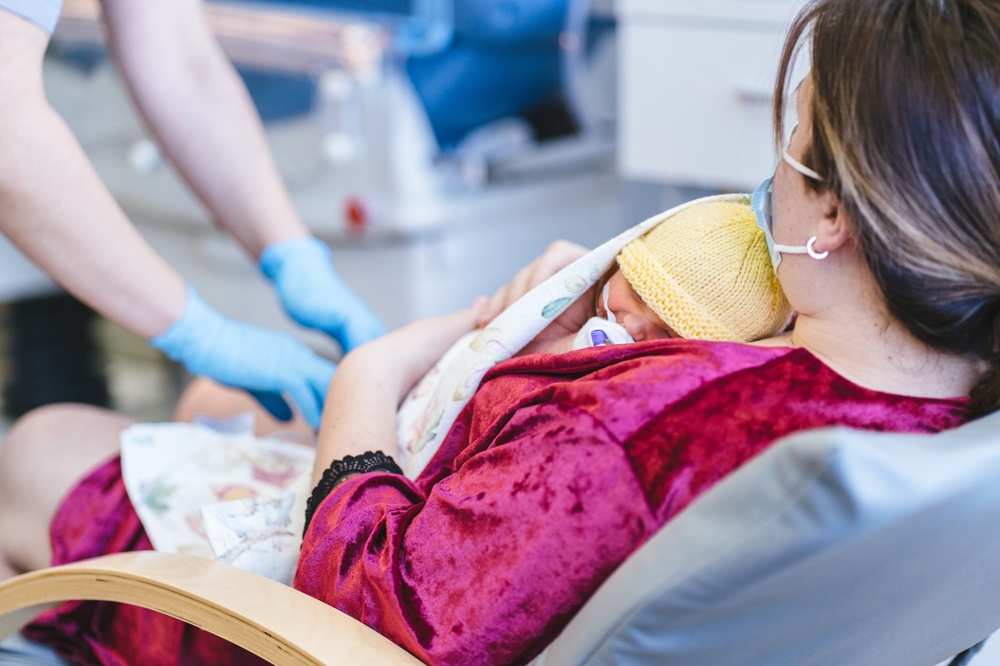
Colorado Introduces A New Benefit For Parents Of NICU Babies
Colorado’s new Neonatal Care Leave benefit became available on January 1, 2026, through the state’s Family and Medical Leave Insurance program, commonly known as FAMLI. Eligible parents can receive up to 12 additional weeks of paid leave when their newborn requires qualifying neonatal intensive care. This is particularly significant because the benefit recognizes the time parents spend caring for a medically fragile newborn as a separate need, rather than forcing families to use their ordinary parental bonding leave while their baby remains hospitalized.
The additional entitlement can potentially be combined with up to 12 weeks of other qualifying FAMLI leave, bringing the total to 24 weeks. Payments are based on a worker’s qualifying wages and the program’s wage replacement formula, meaning eligible parents should not assume they will receive their entire regular salary. The benefit also comes with eligibility requirements, so the total amount of leave and financial support will depend on each family’s circumstances.
For parents whose newborns spend weeks or months in intensive care, the distinction could make a substantial difference. Traditional parental leave often begins immediately after childbirth, regardless of whether a baby is healthy enough to go home. That can leave parents with little time remaining when their newborn finally arrives home and needs round-the-clock attention. Colorado’s separate neonatal care provision gives qualifying families another period of support during a particularly difficult stage of parenthood.
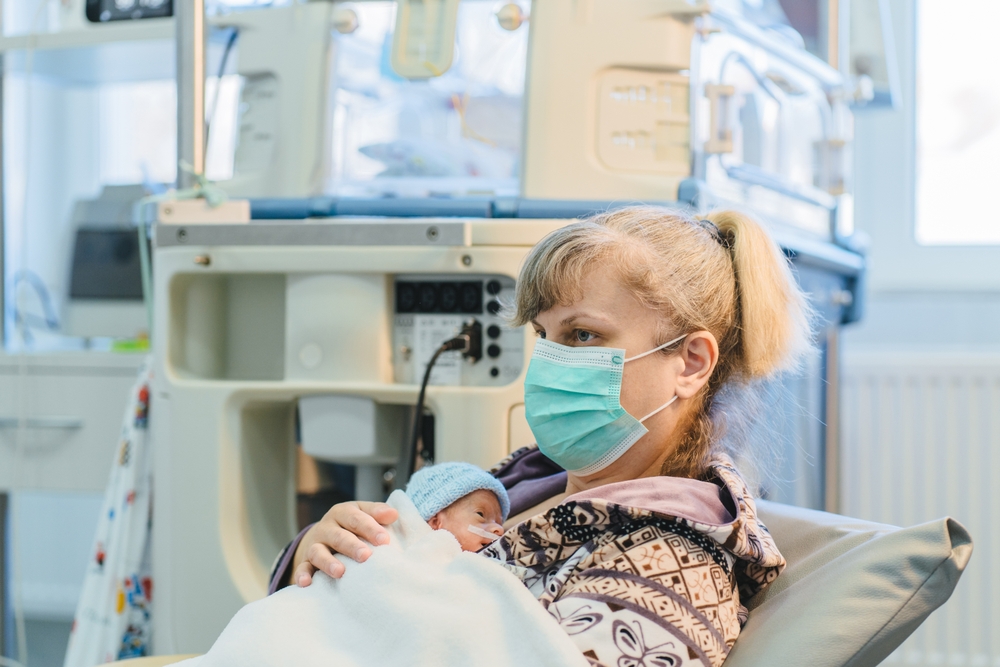
One Family’s Experience Helped Expose The Problem
Farra Lanzer-White and her husband, Marlon White, experienced the challenges of having a premature newborn firsthand when their daughter Olivia was born at just 29 weeks. She weighed approximately 2 pounds and required immediate medical attention. Farra also lost consciousness during delivery, leaving Marlon facing an overwhelming situation as doctors treated his wife and rushed their newborn daughter into intensive care.
Despite the emergency, Marlon returned to his job as a welder in Fort Collins just one day later. Farra also resumed working two days after giving birth, setting up a workstation inside the Denver hospital. For approximately two months, the couple attempted to balance their professional responsibilities with hospital visits and the uncertainty surrounding Olivia’s condition. Their daughter eventually required open-heart surgery, adding another frightening challenge to an already difficult experience.
The couple faced a decision familiar to many parents in similar circumstances. They could use their limited parental leave while Olivia remained in hospital, or continue working and save their available time for when she eventually came home. Neither option offered the freedom they needed. Their experience became part of a wider campaign for dedicated NICU leave, helping demonstrate why existing family leave arrangements were failing parents whose newborns required extended medical care.

Why Ordinary Parental Leave Often Fails NICU Families
Having a premature baby can transform the first weeks of parenthood into an exhausting routine of hospital visits, medical consultations and unexpected expenses. Parents may spend hours beside incubators, learning about feeding tubes, breathing support and other treatments while trying to understand what their newborn needs. Even when they want to remain at the hospital throughout the day, work responsibilities and financial commitments can make that difficult.
The problem becomes particularly complicated when ordinary parental leave starts immediately after birth. A newborn who requires intensive care might remain hospitalized for several weeks, meaning parents could use a significant portion of their available leave before bringing their child home. Some families decide to keep working during the hospital stay so they can preserve their time off for later. Others take unpaid leave and struggle to maintain their household finances.
There is also the emotional pressure of trying to remain focused at work while worrying about a newborn’s health. Parents may receive medical updates during working hours, arrange hospital visits around shifts and spend evenings trying to understand complicated treatment plans. The uncertainty can make even ordinary professional responsibilities difficult to manage. For families with limited savings or inflexible employers, the pressure can become overwhelming.
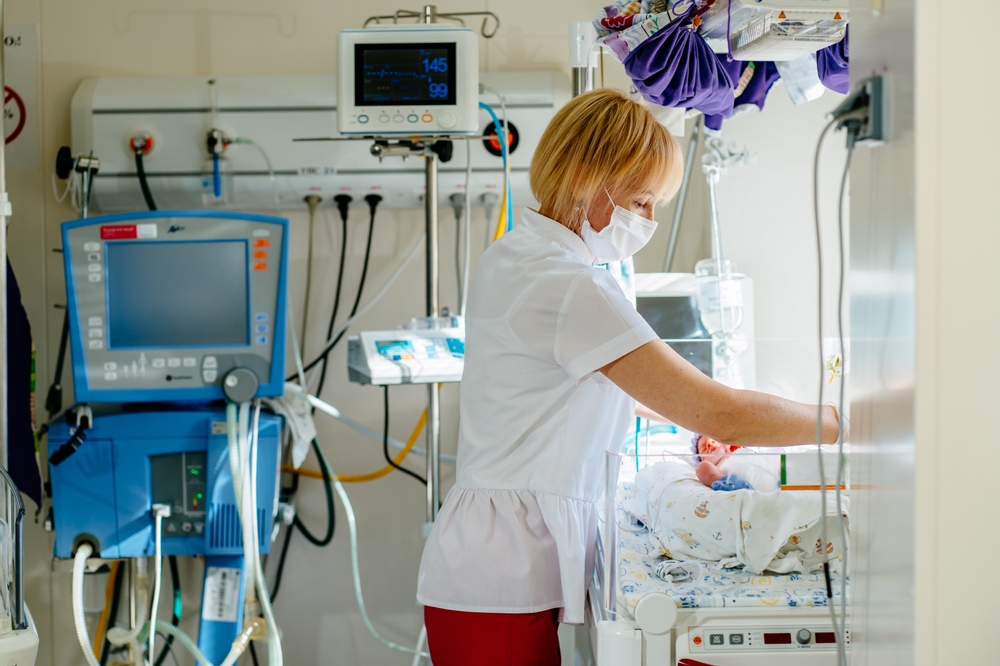
The New Benefit Could Provide Up To 24 Weeks Of Leave
Colorado’s FAMLI program now offers a separate category of support for qualifying parents whose newborns require neonatal intensive care. The additional leave is intended to give families time to remain involved during treatment while reducing the pressure to return to work before they are ready. When combined with other qualifying benefits, the program could provide up to 24 weeks of leave.
The main features include:
- Up to 12 additional weeks: Eligible parents can access dedicated neonatal care leave while their newborn receives qualifying intensive medical treatment.
- Existing parental leave: Up to 12 weeks of other qualifying FAMLI leave may be available for bonding and other covered circumstances.
- Partial wage replacement: Eligible workers receive payments calculated using the program’s wage replacement formula.
- Broader family eligibility: Qualifying biological, adoptive, foster and step-parents may be covered, along with certain individuals acting in a parental role.
- Flexible leave arrangements: Eligible workers may be able to take leave continuously, intermittently or through a reduced work schedule, subject to program rules.
The 24-week figure represents the potential combined benefit, rather than an automatic entitlement for every parent. Eligibility, medical circumstances and the specific leave categories available to an individual worker determine what they can receive. Nevertheless, the introduction of a dedicated neonatal benefit gives families a new source of support during a period when many have previously had very few options.
Parents Are Already Applying For The New Leave
The early response suggests that Colorado families have been paying attention to the new benefit. State officials reported that nearly 800 people had applied for neonatal care leave during its initial months. Among the families using the program were Chris and Stevie Madden, whose son Roczen was born almost eight weeks prematurely on January 11.
Stevie had originally expected to begin maternity leave much later, but her pregnancy took an unexpected turn when her blood pressure rose and she began bleeding. She was rushed to hospital and delivered her baby prematurely. The family suddenly faced the prospect of spending an extended period dealing with medical care, hospital visits and the practical demands of looking after a newborn who needed additional support.
A hospital nurse informed Chris about the new Colorado benefit, and both parents applied. Chris worked as an oil field mechanic, a job that required concentration and involved significant risks. Having the ability to step away from work allowed him to focus on his son’s treatment and learn how to care for a premature newborn. He also gained practical knowledge from medical staff, including how to handle Roczen’s delicate skin and recognize the challenges associated with his early arrival.
After the family returned home, Roczen experienced an episode in which he stopped breathing and needed another emergency hospital visit. The experience showed how unpredictable the first weeks can be for families with premature babies. Chris later described the financial relief and freedom the benefit provided, saying, “It was life changing not to have to think about money and stress and just be present with your baby.”
Other States Are Beginning To Address NICU Leave
Colorado is attracting attention because it created a dedicated paid leave entitlement for parents whose newborns require intensive medical care. Illinois has also taken steps to address the problem, although its approach differs. The state’s law provides eligible parents with between 10 and 20 days of unpaid leave when their newborn requires intensive care, offering additional time away from work without the same paid support available through Colorado’s program.
The differences between the policies reveal an important challenge for families across the country. Having additional time away from work can help, but unpaid leave remains difficult for households that depend on every paycheck. Parents may technically have permission to remain home while their newborn receives treatment, yet still face financial pressure that makes taking the leave impossible.
Advocates have been pushing for stronger protections after experiencing these difficulties themselves. Sahra Cahoon, executive director of the Colorado-based organization Love for Lily, became involved in the campaign after her daughter Lily was born at 24 weeks and five days. Lily spent three-and-a-half months in intensive care before she died. Cahoon continued working during the hospitalization because she believed her daughter would survive and needed to maintain her income.
Reflecting on that period, Cahoon said, “It’s probably one of my biggest regrets.” Her experience helped fuel the campaign for a policy that would allow future parents to spend more time with their newborns without facing the same pressure to work through a medical emergency. For advocates, Colorado’s new benefit represents an important step toward making sure families have more choices during those difficult weeks.
A Federal Proposal Could Bring More Protection To Families
The push for dedicated neonatal leave has also reached the federal government. Colorado Representative Brittany Pettersen has supported bipartisan legislation known as the Stand By NICU Babies and Families Act. The proposal would amend the Family and Medical Leave Act to provide eligible parents with up to 12 additional weeks of job-protected, unpaid leave when their newborn requires intensive care.
Under existing federal rules, eligible employees can take up to 12 weeks of job-protected unpaid leave for qualifying family and medical reasons. However, the protections do not cover every worker. Private-sector employees generally need to have worked for their employer for at least 12 months, and their employer must have at least 50 employees within a 75-mile radius.
The proposed legislation would create a separate period of protection for qualifying NICU parents. Pettersen has emphasized that the issue should bring lawmakers together across political divisions. “This isn’t about party, it’s about life experiences,” she said. Republican Representatives Mike Lawler and Ryan Mackenzie have also supported the proposal, alongside Democratic Representative Morgan McGarvey.
The legislation still faces an uncertain path and would need to advance through Congress before becoming law. It would also provide unpaid leave, meaning it would not offer the same financial support available through Colorado’s paid program. Even so, its introduction shows that the difficulties faced by NICU parents are receiving attention beyond individual states.
Why Time Beside A Premature Baby Can Be So Important
Parents play an important role in the care and development of premature newborns. Babies born early may need help with breathing, feeding and maintaining their body temperature. They can spend weeks receiving specialized treatment while gradually developing the strength needed to leave intensive care. During this period, parents often learn essential caregiving skills directly from nurses and doctors.
Skin-to-skin contact is one example of how parental involvement can support newborn care. Also known as kangaroo care, the practice involves placing a baby against a parent’s bare chest under appropriate medical supervision. It can help regulate a baby’s heartbeat and breathing while supporting bonding and breastfeeding. These interactions can be especially valuable for families whose newborns require extended hospital treatment.
The time parents spend with medical staff can also help them prepare for the transition home. Families may need to learn how to manage feeding schedules, recognize warning signs and follow specific medical instructions. For parents who have spent weeks worrying about their newborn’s condition, leaving the hospital can bring another set of challenges. Having additional time to learn and adjust can make that transition easier.
Nearly one in 10 babies born in the United States are admitted to a NICU, making the issue relevant to families across the country. Colorado’s policy cannot eliminate the medical and emotional challenges associated with premature birth, but it can reduce one major source of pressure: the need to choose between earning an income and spending time beside a critically ill newborn.
Parents Should Not Have To Choose Between Work And Their Baby
The first weeks after childbirth can be difficult for any family, but a neonatal intensive care admission creates an entirely different set of demands. Parents may find themselves sitting beside an incubator while worrying about bills, missed shifts and how much parental leave they have left. For some, returning to work becomes a financial necessity even when their newborn remains in hospital.
Colorado’s new policy gives eligible families another option by providing dedicated leave during qualifying neonatal care. Its potential 24-week combined benefit could give parents more time to support their newborn’s treatment and prepare for life at home. Other states and federal lawmakers now have an opportunity to consider whether families facing the same crisis deserve stronger protections.
A newborn’s time in intensive care should be spent surrounded by the people who love them, rather than measured against the number of paid days their parents have left.