
Companies have spent millions embracing artificial intelligence, convinced the technology could take over jobs previously handled by human employees. But an unexpected problem is beginning to emerge. Some businesses that rushed to replace their workers with AI are now asking those same people to return, and the former employees have a few demands of their own.
New research has uncovered a workplace trend called “AI rebounding,” with nearly one in five American respondents reporting that they were replaced by AI before being asked to return. The twist is that many workers are now expecting better pay, written job security guarantees, and greater transparency about how their employers intend to use artificial intelligence.
Companies Are Discovering That Replacing Workers With AI Can Backfire
The artificial intelligence revolution was supposed to make businesses more efficient while reducing their reliance on human employees. Companies across different industries began experimenting with automated customer service, AI-powered administrative systems, and software capable of completing tasks that previously required entire teams. However, new research from talent assessment firm SHL suggests some employers may have moved too quickly, making decisions about their workforce before understanding what their employees actually contributed.
The research, conducted in June and July 2026, found that 19.1% of American respondents said they had personally experienced being replaced by AI and subsequently asked to return to their jobs. Across the United States and United Kingdom combined, the figure was 16%. SHL describes this unusual workplace reversal as “AI rebounding,” a situation in which businesses discover that removing human employees has created problems their technology cannot adequately solve.
Lucy Beaumont, SHL’s global senior vice president of product and design, explained that companies can make rushed decisions when assessing the capabilities of their employees. “Organizations are making fast, sometimes myopic, decisions about their people based on an incomplete picture of what their employees can do with or without AI,” Beaumont said. She added that businesses sometimes automate positions before properly assessing the human capabilities involved, only to discover that the technology cannot deliver what they expected.
Former Employees Are Returning With Three Major Demands
The most interesting part of the findings concerns what happens when employers attempt to bring their former workers back. Employees who have already experienced being replaced by automation may be less willing to accept the same employment conditions that existed before their departure. Having seen how quickly a company can decide their position is no longer necessary, some workers now want stronger assurances before considering another opportunity with their previous employer.
SHL found that 51% of respondents who experienced AI replacement and were subsequently asked to return wanted a substantial pay increase before accepting. Another 42% said they would require written guarantees about future job security, while 40% wanted greater transparency about how artificial intelligence would be used in their positions. These responses suggest that workers are considering the risks of returning to companies that have already demonstrated a willingness to replace human roles with technology.
The three leading demands identified in the research were:
- Higher pay: 51% wanted a substantial salary increase before returning.
- Written job security: 42% wanted formal guarantees about their future employment.
- AI transparency: 40% wanted clear information about how automation would affect their responsibilities.
These figures represent workers’ stated expectations rather than confirmed agreements with employers. Still, they reveal an uncomfortable situation for businesses that assumed former employees would simply welcome an invitation to return. Companies may now have to offer better conditions to attract the very people they previously decided they could replace.
AI Systems Are Struggling With Skills That Workers Bring
Artificial intelligence can generate documents, organize information, answer routine questions, and automate repetitive administrative responsibilities. Those capabilities make it attractive to businesses looking for ways to reduce operating expenses. However, workplace performance often depends on knowledge that employees develop over years of experience, including understanding customer expectations, recognizing unusual problems, and knowing how different parts of an organization function together.
A separate July 2026 survey from recruitment firm Robert Half found that 32% of U.S. hiring managers whose organizations eliminated positions because of AI later reinstated the same or similar roles. Among those hiring managers, 40% identified institutional knowledge and context that AI could not replace. Another 39% pointed to relationship management, while the same percentage cited increased business demand. Additionally, 38% said the positions required more human oversight and quality control than expected.
The findings suggest that companies can underestimate the amount of human judgment involved in apparently straightforward positions. An automated customer service system might answer routine questions, but a complicated complaint can require someone who understands the company’s history and knows how to handle an unusual situation. Similarly, an AI-powered quality control tool might identify certain problems, but experienced employees can recognize issues that require deeper technical understanding.
This creates a difficult calculation for employers. Eliminating salaries might produce immediate savings, but recruiting replacements, rebuilding lost expertise, and correcting mistakes can introduce additional expenses. Businesses that remove experienced workers without properly evaluating their responsibilities could end up spending more to recover the knowledge they previously discarded.
Klarna And Ford Have Already Encountered Automation Challenges
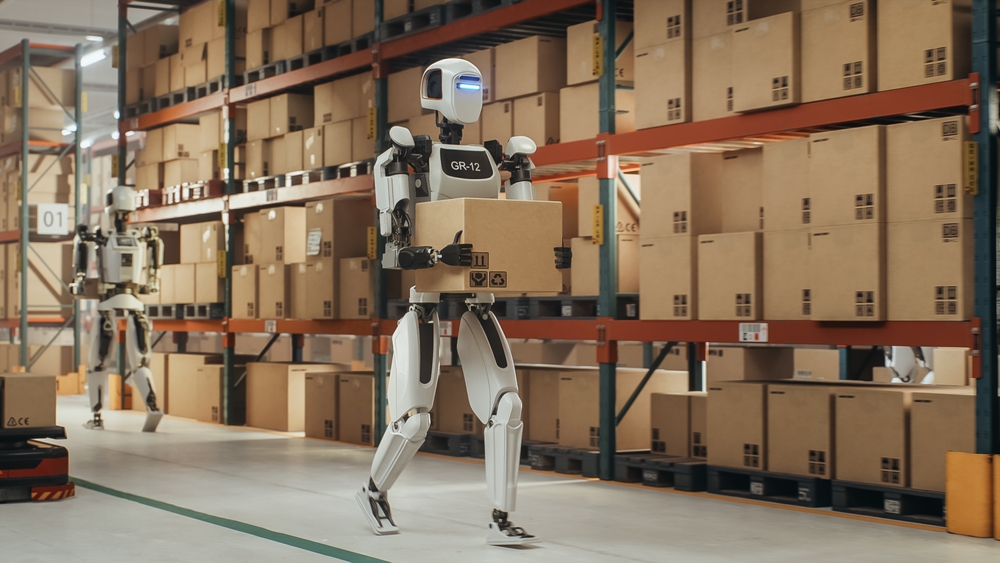
Some major companies have already experienced situations that demonstrate the limitations of relying too heavily on artificial intelligence. Their experiences show how businesses can embrace automation while eventually discovering that human employees remain necessary for particular responsibilities. Two examples involve Swedish financial technology company Klarna and American automotive manufacturer Ford, both of which have had to reconsider aspects of their approach.
Klarna Had To Bring Human Customer Service Workers Back
Klarna became widely associated with AI-powered customer service after introducing chatbots to handle a substantial amount of customer interaction. The company explored automation as a way to increase efficiency and reduce its dependence on human agents. However, its experience eventually raised questions about whether artificial intelligence could consistently deliver the level of assistance customers needed, particularly when dealing with complicated or sensitive situations.
CEO Sebastian Siemiatkowski acknowledged that the company had gone too far in its reliance on automation. Klarna subsequently began recruiting a small number of highly skilled human customer service representatives to support its operations. A company spokesperson explained that human agents were necessary “for complex, sensitive cases,” highlighting the continued value of personal judgment when automated systems encounter situations they cannot handle effectively.
Ford Turned Back To Experienced Engineers
Ford encountered a different challenge involving AI-powered quality control tools. The automaker hired and promoted 350 experienced engineers in June 2026 after its technology failed to perform as expected. Although the company maintained that artificial intelligence had contributed to improvements in quality, it also emphasized the importance of combining technological capabilities with experienced engineering teams.
A Ford representative described the returning expertise as something difficult to reproduce through automation alone. “These engineers carry the hard-earned wisdom of decades of design,” the representative said. The company’s experience demonstrates why technical knowledge and years of practical experience can remain valuable even when sophisticated software becomes available to perform certain responsibilities.
AI-Related Job Cuts Are Continuing To Rise
Despite examples of companies reconsidering their automation strategies, artificial intelligence continues to feature prominently in workforce reduction decisions. Employers have increasingly identified AI as a reason for eliminating positions, creating uncertainty for workers across several industries. According to outplacement firm Challenger, Gray & Christmas, employers cited artificial intelligence in 121,401 announced job cuts through October 2026, more than double the 54,836 announced job cuts recorded throughout 2025.
The figures reveal a complicated employment landscape in which some businesses are removing positions while others are discovering that automation has created gaps they cannot easily fill. Announced job cuts do not necessarily represent permanent losses, but the increase shows how significantly AI has entered corporate workforce planning. Employees are now facing decisions about their careers at a time when companies are still learning which responsibilities can realistically be automated.
Younger workers appear particularly exposed to these changes. A Stanford Digital Economy Lab study found that employment among workers aged 22 to 25 in occupations highly exposed to AI was 19% below where it would have been if employment had grown at the same pace as among their less-exposed peers. The research adds another concern for people entering the workforce, especially those pursuing careers where entry-level responsibilities could increasingly be handled by automated systems.
Interestingly, SHL also found that younger respondents were more likely to report experiencing AI rebounding. Among respondents aged 18 to 24, 24% said they had personally been replaced by AI and subsequently asked to return. This figure covers respondents from both the United States and United Kingdom, rather than American workers alone, but it suggests that younger employees are already experiencing some of the unpredictable consequences of workplace automation.
Why Businesses May Have Underestimated Human Experience
One of the biggest challenges with workplace automation is that employers can focus heavily on the tasks employees perform while overlooking the experience they bring to those responsibilities. A job description might list answering customer questions, reviewing documents, managing processes, or inspecting products. However, the person performing that job may also understand the history behind decisions, recognize recurring problems, and know how to respond when something unexpected happens.
When experienced employees leave, companies can lose valuable knowledge that is difficult to document or transfer to an automated system. New workers may need months or years to develop the same understanding, while AI tools can struggle with situations that fall outside their training or expected workflows. This becomes especially problematic when businesses discover that the technology they purchased cannot reliably handle the complicated responsibilities previously managed by their employees.
Several capabilities can be particularly difficult for companies to replace:
- Customer relationships: Experienced employees understand customer expectations and can handle complicated interactions.
- Institutional knowledge: Long-serving workers understand internal processes and the history behind important business decisions.
- Quality control: Human oversight can identify mistakes and inconsistencies that automated systems overlook.
- Complex problem-solving: Unexpected situations often require judgment and experience beyond predetermined instructions.
- Business continuity: Employees understand how different teams operate and where problems are likely to emerge.
For businesses, the challenge is finding the right balance between automation and human expertise. AI can make certain responsibilities faster and more efficient, but eliminating the people who understand those responsibilities can create problems that technology alone cannot fix. Companies that evaluate the full contribution of their employees before making workforce decisions may avoid some of the expensive mistakes associated with rushed automation.
The Power Dynamic Between Employers And Workers Could Change
The emergence of AI rebounding introduces an interesting possibility for the future of employment. Workers who have already been replaced and subsequently invited back may approach their former employers with different expectations. They have experienced firsthand how quickly a company can change its workforce strategy, and they may be less comfortable accepting promises that provide little protection against another round of automation.
Higher salaries, written employment guarantees, and clear information about AI implementation could become important negotiating points for these employees. Businesses may also have to explain which responsibilities will remain human-led and how workers will be expected to collaborate with automated systems. These conversations could become increasingly important as companies introduce new technology into positions that still require substantial human judgment.
The findings do not suggest that companies will abandon AI or that every displaced worker will receive an invitation to return. Automation remains attractive because it can reduce repetitive work and help organizations operate more efficiently. However, the experiences reported by employers and employees suggest that removing human workers without understanding their full value can carry significant consequences.
For companies that rushed to replace their employees, the next expensive decision may be figuring out Companies That Replaced Workers With AI Are Now Begging Some of Them to Come Back