
Your cart is currently empty!
Denver Bans the Sale of Dogs, Cats, and Rabbits, Paving the Way for More Shelter Adoptions
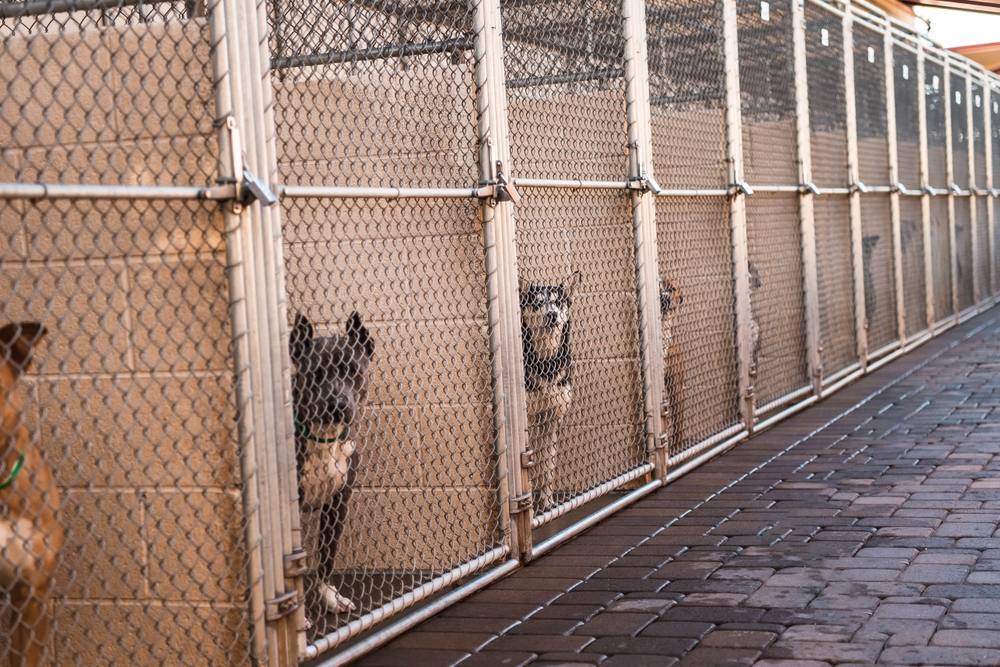
In a defining moment for animal welfare, the Denver City Council has taken a bold and compassionate step forward. On September 15, council members voted to pass an ordinance that would ban the retail sale of dogs, cats, and rabbits. The bill now awaits Mayor Mike Johnston’s signature, and although it has not yet become law, the decision has already sparked discussions far beyond city limits. Supporters of the measure see it as a landmark decision that reinforces Denver’s reputation as a progressive city that values ethics, empathy, and community well-being.
Contents
show
The ordinance, though largely symbolic in a city where no pet stores currently sell these animals, represents something more profound. It is a preventive measure designed to protect against future exploitation and to ensure that Denver never becomes a haven for commercial breeding operations that prioritize profit over the welfare of living creatures. In the eyes of many residents and advocates, the vote reflects a moral statement as much as a legal one: compassion belongs at the heart of policy.
A Preventive Step That Looks to the Future
Unlike many laws that are introduced in reaction to public outrage or tragedy, Denver’s move was made proactively. According to the Metro Denver Animal Welfare Alliance, which includes the Denver Animal Shelter, Humane Colorado, and more than twenty local rescue groups, this ordinance is not just about addressing current practices but about preventing potential harm before it begins. The coalition has long worked to encourage adoption-based pet ownership, humane education, and community awareness around the realities of animal breeding.
A representative from Humane Colorado summarized the intent clearly, explaining that their goal is to keep animals out of commercial breeding facilities where profit often overshadows care. By cutting off one of the primary avenues through which these breeding operations profit: pet store: the city is taking away one of the key economic incentives that allow such facilities to thrive. In short, the ordinance is not only about prohibiting sales but also about changing the financial landscape that enables cruelty to persist.

The Unseen Suffering of Puppy Mills
To understand the significance of Denver’s decision, it is important to recognize what lies behind the phrase “puppy mill.” These are large-scale breeding operations where animals are often kept in cramped and filthy conditions. Dogs are bred repeatedly, sometimes until their bodies can no longer sustain it. The American Society for the Prevention of Cruelty to Animals (ASPCA) describes these facilities as places where animals are deprived of space, adequate food, and proper veterinary care. Their emotional well-being is rarely considered, and they often live out their short lives without human affection or comfort.
The Humane Society of the United States estimates that there are about 10,000 puppy mills currently operating across the country, with fewer than 3,000 regulated by the U.S. Department of Agriculture. This means the majority operate in secrecy or with minimal oversight. Every year, thousands of animals are funneled from these mills into pet stores, where unsuspecting customers may unknowingly support an industry built on suffering. Denver’s new ordinance seeks to interrupt this chain of exploitation. By removing retail pet sales, it reduces the demand that sustains inhumane breeding practices. It is, in essence, an economic solution wrapped in a moral decision.
A Growing Movement for Humane Pet Laws
Denver is not alone in its pursuit of more compassionate animal laws. Across the United States, over 400 jurisdictions, including Los Angeles, Boston, and Chicago, have enacted similar bans on retail pet sales. Many cities have shifted toward encouraging pet stores to partner with local shelters and rescue organizations instead. This model allows businesses to host adoption events, bringing animals in need of homes to a wider audience while helping pet stores remain active and community-oriented.
California became the first state to adopt such a law in 2017, requiring all pet stores to sell only rescue or shelter animals. Since then, Maryland, Illinois, and several other states have followed suit. These collective efforts point to a national awakening about the consequences of commercial breeding and the importance of promoting adoption as the ethical alternative. Denver’s vote reinforces that message, aligning it with a growing network of communities that believe kindness and commerce can coexist, but not at the expense of compassion.

The Shelter Crisis: Too Many Animals, Not Enough Homes
Behind the issue of puppy mills lies another tragedy: the shelter crisis. Every year, an estimated 6.3 million companion animals enter U.S. shelters, according to the American Veterinary Medical Association. Of these, about 920,000 are euthanized annually: roughly 390,000 dogs and 530,000 cats. The heartbreaking reality is that many of these animals are healthy, loving, and ready to be adopted but are simply victims of an overburdened system.
When people buy animals from breeders or pet shops, the ripple effect is devastating. Each purchase indirectly takes away a home that could have saved a shelter pet from euthanasia. Denver’s new ordinance seeks to redirect this compassion, reminding citizens that adoption is not an act of charity but an act of humanity. It’s a recognition that our choices as consumers have moral consequences, and that the most loving home is often the one given to an animal who has already been waiting for one.

A Cultural Shift in How We See Our Pets
This ordinance represents more than legislation; it symbolizes a cultural shift in how we perceive animals. Pets are increasingly seen not as possessions but as companions, family members, and sentient beings capable of deep emotional connection. The rise of social media has amplified rescue stories, turning once-overlooked shelter animals into symbols of hope and resilience. Across platforms, people share the transformative impact of adoption, creating a movement that transcends policy and enters the realm of shared empathy.
Research supports this evolution. A study published in Frontiers in Veterinary Science found that individuals who adopt rescue animals report higher levels of empathy and emotional satisfaction than those who purchase from breeders. The bond formed through rescue often reflects a mutual sense of healing and trust. Denver’s ordinance builds upon that truth, signaling that the city values not only animal welfare but also the profound human capacity for compassion and responsibility.
What Comes Next
The bill now rests on the desk of Mayor Mike Johnston, who is widely expected to sign it into law. While his approval is anticipated, the implications reach far beyond city hall. This is not merely a local issue; it is part of a broader rethinking of how urban communities can legislate morality without losing practicality. Critics have voiced concerns that such bans could harm ethical breeders or push buyers toward unregulated online sellers. Advocates, however, argue that careful enforcement, education, and continued community involvement can prevent these outcomes.
What is clear is that Denver’s decision has already influenced national dialogue. The city has demonstrated that civic compassion is possible and that good governance can align with kindness. Whether through legislation or personal choice, change often begins with the acknowledgment that we share our world with other living beings whose well-being depends on our decisions.

Reflection: Building a Kinder Future
Denver’s ordinance is more than a simple ban; it is a moral compass pointing toward a future where empathy is integrated into public policy. It invites residents to reflect on how their everyday choices: from where they adopt a pet to how they engage with their community: shape a more humane world. Compassion, in this context, becomes not just a virtue but a civic responsibility.
For pet owners and animal lovers alike, the message is both practical and profound. Adoption saves lives, education prevents suffering, and advocacy creates lasting change. As Denver waits for the mayor’s signature, one thing is already certain: the city has made its values clear. In choosing compassion over convenience, it has set a standard for what it means to live responsibly, reminding us all that the measure of a city’s progress is not just found in its buildings or policies but in the kindness it extends to every living being within its borders.